Skip to content
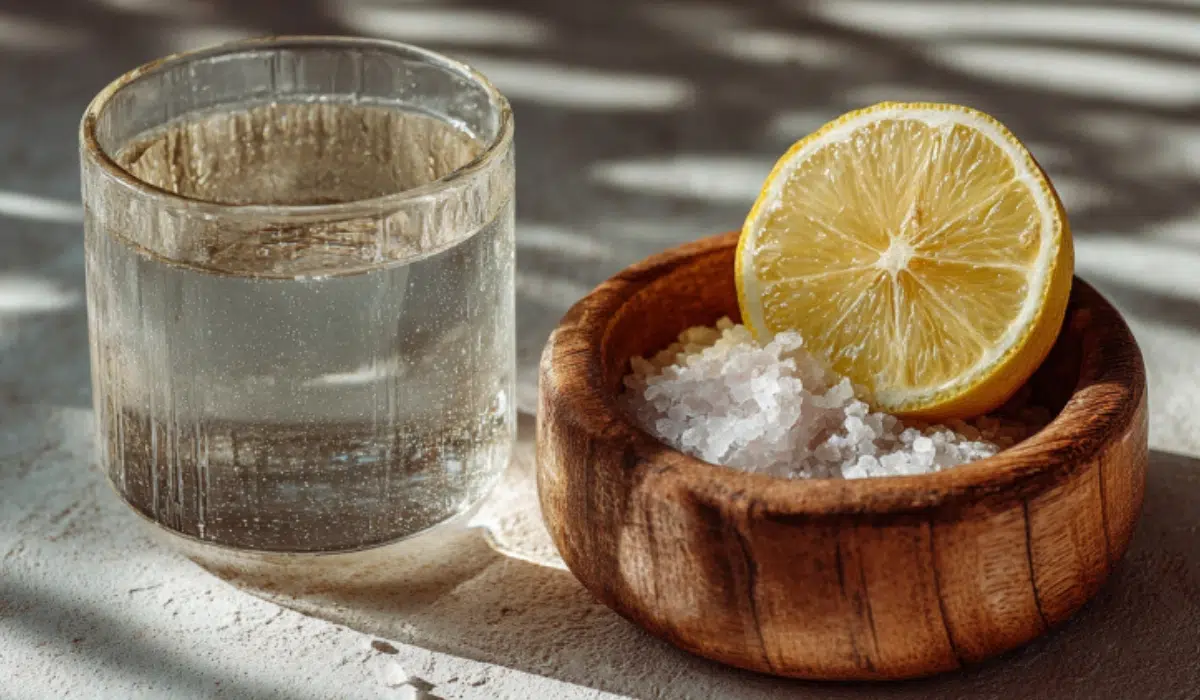
The Celtic salt trick for men means adding a small amount of salt to water to make it taste better and replace sodium lost in sweat. It can help in specific situations, but you must control the dose to avoid pushing your daily sodium too high.
What the Celtic sea salt trick actually means

Celtic Sea Salt Hydration Water
A simple, mineral-rich hydration drink made with Celtic sea salt. Perfect for hot days, workouts, or recovery. Helps balance electrolytes, supports hydration, and keeps you feeling refreshed.
1
bottle2
minutes0
minutes300
kcalIngredients
32 ounces cold filtered water
1/16 teaspoon Celtic sea salt (a small pinch)
2 slices fresh lemon or lime (optional)
2–3 fresh mint leaves (optional)
1 teaspoon raw honey or maple syrup (optional, for light sweetness)
Directions
- Pour cold filtered water into a 32-ounce glass or reusable bottle.
- Add a small pinch (1/16 teaspoon) of Celtic sea salt.
- Stir or shake until the salt dissolves completely.
- Taste. The flavor should be neutral not salty.
- Add lemon slices, mint, or honey if desired for a subtle flavor boost.
- Chill for 20–30 minutes before serving.
- Sip slowly throughout your workout or during hot weather.
Notes
- Do not exceed 1/8 teaspoon of salt per 32 ounces to avoid high sodium intake.
- Use Celtic or Himalayan salt only if you enjoy the mineral taste. Regular table salt works too.
- Add electrolytes or natural fruit infusions for flavor variety.
- Always consult a clinician if you have blood pressure or kidney concerns.
Nutrition Facts
- Calories: 5kcal
- Sodium: 145mg
- Potassium: 10mg
- Carbohydrates: 1g
- Sugar: 1g
- Magnesium: 3mg
Where the trend started and why it went viral
Short videos turned a simple habit into a hydration shortcut. Creators showcased a pinch of Celtic sea salt in a large water bottle, claiming better energy, fewer headaches, and improved hydration. The idea spread fast because it feels easy, needs no special gear, and promises quick results.
How people typically mix it in water
Most people add a tiny pinch of Celtic sea salt to 16 to 32 ounces of cold water, shake, then taste. If the water tastes noticeably salty, they added too much. The goal is a neutral taste that slightly softens the water, not a briny drink. Many users limit it to times they sweat more than usual, such as hot days or longer workouts.
What makes Celtic sea salt different from table salt
Celtic sea salt contains mostly sodium chloride with trace minerals from seawater. Those minerals add a subtle, mineral-forward taste and a coarser texture. Table salt contains sodium chloride too, often with iodine and anti-caking agents. The mineral differences affect flavor more than nutrition because the amounts you add to water are very small.
Does adding salt to water help hydration
Electrolytes, sodium, and fluid balance in plain terms
Your body holds water inside and outside cells using electrolytes. Sodium acts like a gatekeeper. When sodium levels fall during heavy sweating, you can lose the drive to drink and you may not retain fluids well. Plain water hydrates most people in daily life. During longer, hotter, or harder efforts, small amounts of sodium can help you absorb and retain fluids. During longer, hotter, or harder efforts, small amounts of sodium, as used in the blue salt trick for hydration, can help you absorb and retain fluids.
When extra sodium can help, and when it does not
Extra sodium can help if you sweat a lot, train in the heat, or work outdoors for long periods. It may also help if you have a naturally salty sweat or notice salt stains on clothing. In these cases, a carefully measured amount supports fluid balance.
It does not help if you stay mostly indoors, sit for long periods, or already eat a high sodium diet. Adding salt without a real need can push your intake up, which can raise blood pressure in sensitive people. The trick should serve a specific scenario, not daily habit by default.
Safety first: how much is too much
Sodium limits in a day
Aim for less than 2,300 milligrams of sodium per day. Many adults do better at 1,500 to 2,000 milligrams, especially if they manage blood pressure. Count all sources, including packaged food, restaurant meals, and any salted water you drink.
“Pinch to teaspoon” sodium math for quick reference
Use conservative math so you do not overshoot.
- 1 teaspoon of salt ≈ 2,300 mg sodium
- 1/2 teaspoon ≈ 1,150 mg
- 1/4 teaspoon ≈ 575 mg
- 1/8 teaspoon ≈ 290 mg
- A small pinch (about 1/16 teaspoon) ≈ 145 mg
If you choose to try the trick, keep a single serving near the 1/16 to 1/8 teaspoon range in a large bottle, and limit it to times you sweat more than usual. Taste first. If it tastes salty, you used too much.
Signs you used too much
Watch for a very salty taste, puffy fingers, ankle swelling, bloating, nausea, intense thirst, or a jump in blood pressure readings. Stop, switch to plain water, and space sodium across your meals. If symptoms persist, contact a clinician.
Who should avoid the salt trick
Blood pressure, kidney issues, pregnancy, and doctor-directed low sodium diets
Skip this trend if you manage high blood pressure, heart disease, or kidney disease. Extra sodium can raise blood pressure and strain the kidneys. Follow your clinician’s advice if you take diuretics or other medications that affect fluid balance. People with pregnancy-related blood pressure concerns should avoid added sodium in drinks unless a clinician approves it.
Children and teens
Children and teens do not need salted water for routine hydration. Offer plain water, milk, or age-appropriate electrolyte drinks during long, hot activities only if a pediatric clinician recommends it.
How to try it responsibly
Step-by-step mixing guide for a small batch
- Fill a 24 to 32 ounce bottle with cold water.
- Add a small pinch of Celtic sea salt, about 1/16 teaspoon.
- Cap and shake for 10 seconds.
- Taste. If you notice a salty flavor, add plain water to dilute.
- Sip slowly over 45 to 90 minutes during heat, long workouts, or outdoor labor.
When to drink it around meals and workouts
Drink plain water with most meals. If you plan a long session in the heat, start with plain water, then use the salted bottle during the middle of the effort. Finish with a meal or snack that contains protein, carbs, and modest sodium. On rest days, stick to plain water.
Simple self-check flow before you sip
- Did you sweat a lot today
- Yes: a lightly salted bottle may help.
- No: choose plain water.
- Do you track daily sodium and stay under your target
- Yes: proceed with a small pinch.
- No: log your intake first.
- Do you have high blood pressure, kidney issues, or a clinician’s low sodium plan
- Yes: skip the salt and follow medical guidance.
- No: continue, sip slowly, and stop if you feel unwell.
Celtic vs table vs Himalayan: what the minerals really mean
Trace minerals in tiny amounts
All three are mostly sodium chloride. Celtic and Himalayan salts contain trace minerals like magnesium, potassium, and calcium, but the amounts are tiny at the doses used in a drink. Those traces affect flavor more than nutrition. You will not cover mineral needs with a pinch in water. Pink salt recipe discussions show that Celtic and Himalayan salts contain trace minerals like magnesium, potassium, and calcium, but the amounts are tiny.
Taste and texture differences
Celtic salt tastes briny and slightly mineral. Himalayan tastes mild with a faint bitterness for some people. Table salt tastes clean and direct. Crystal size matters too. Coarser crystals dissolve slower, which makes it easier to overshoot if you do not measure. Grind or crush before you measure small amounts.
What labels do and do not tell you
Labels often highlight origin, harvest method, and mineral content. They rarely state sodium per quarter teaspoon, which is what matters for hydration math. Assume about 575 milligrams of sodium per quarter teaspoon across salts. Use a measuring spoon for accuracy, not just a pinch.
Low sodium alternatives for better-tasting hydration
Citrus, herbs, and chilled water
Slice lemon, lime, or orange into a cold pitcher to make your own agua fresca recipe for a refreshing, low-sodium option. Add crushed mint or basil. Chill for 30 minutes. You get brighter flavor without extra sodium. Rotate fruits so the taste stays interesting and you drink enough through the day.
Electrolyte products with clear labels
Pick mixes or ready-to-drink options that list sodium per serving. Aim for products that keep sodium modest for daily use and scale up only for long, hot workouts. Check sugar and caffeine so you do not stack extras you did not plan for.
Timing fluids with meals and snacks
Drink a glass with each meal and one between meals. Eat salted foods with training sessions rather than salting your bottle. This pattern spreads sodium across the day and supports steady hydration.
Quick answers
Can it help with fatigue?
It can help if fatigue comes from heavy sweating and low sodium. It will not fix fatigue from poor sleep, low calories, or illness. Match the tool to the cause.
Is it good for skin or gut claims
A pinch of salt in water does not treat skin or gut problems. Any benefit likely comes from better hydration habits. See a clinician if you have ongoing concerns.
Can you use regular salt instead
Yes. Table salt works the same for hydration because the key nutrient is sodium. Measure small amounts and track your total daily intake.
What is the Celtic sea salt trick in simple terms
It is the habit of adding a tiny pinch of salt to a large bottle of water, a practice also covered in our detailed Celtic salt trick guide. The goal is a neutral taste and a small sodium boost during heavy sweating, not a salty drink.
How much Celtic sea salt should you add to water without going over daily sodium
Use about 1/16 teaspoon in 24 to 32 ounces when you sweat more than usual. That is roughly 145 milligrams of sodium. Track the rest of your day so you stay under your target.
Does the salt trick hydrate better than plain water
For everyday use, plain water works well. During long, hot, or intense efforts, a small amount of sodium can help you absorb and retain fluids better.
Who should not try the Celtic sea salt trick
Skip it if you manage high blood pressure, heart or kidney disease, or follow a low sodium plan from a clinician. Children and teens do not need salted water for routine hydration.
Can you use table salt or Himalayan salt instead
Yes. All three are mostly sodium chloride. Measure small amounts and watch your total sodium for the day.
Is Celtic sea salt actually healthier than regular salt
Not for hydration. Trace minerals exist in tiny amounts at the doses you add to water. The difference shows up in flavor and texture, not meaningful nutrition.
What are safer alternatives if you want flavor and electrolytes
Flavor your water with citrus or herbs, drink with meals, or use a labeled electrolyte product that lists sodium per serving. Pick modest sodium for daily use and scale up only for long, hot workouts.