Skip to content
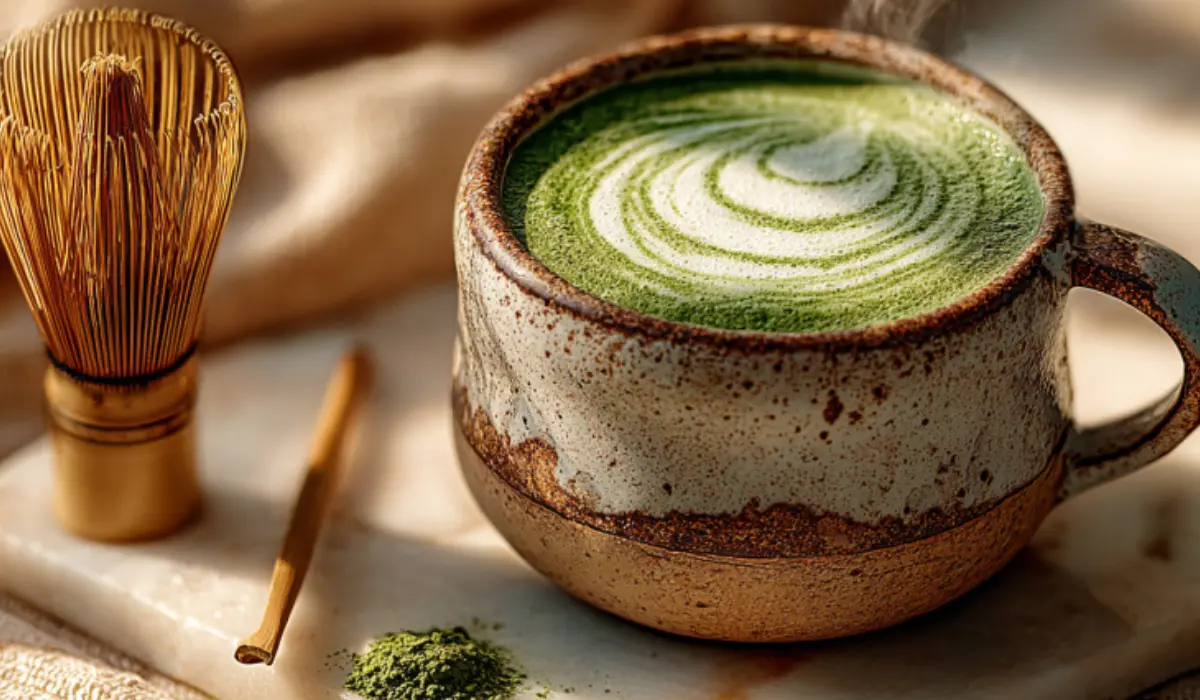
Warm, frothy, and packed with protein, that’s the magic of a good matcha collagen latte. This simple drink blends the earthy energy of Japanese matcha with the smooth creaminess of collagen peptides for a cup that’s both indulgent and nourishing. Whether you’re after a morning boost or a calm afternoon pick me up, this latte hits the balance between ritual and convenience.
I’ve tested both the traditional whisk method and the quick blender route, so you’ll get café level foam without needing fancy equipment. Plus, we’ll cover tips for iced versions, the right matcha to collagen ratio, and how to keep that silky texture from separating.
Ready to make your own matcha collagen latte that tastes as good as it looks?
Why This Matcha Collagen Latte Works
Matcha Collagen Latte Recipe
A creamy, protein-rich matcha collagen latte that blends ceremonial green tea with collagen peptides for smooth texture and lasting energy. Perfect warm or iced, ready in minutes.
1
servings5
minutes8
minutes130
kcalIngredients
¾ cup hot water (160–175°F)
¼ cup warm milk of choice (almond, oat, coconut, or dairy)
1 teaspoon matcha powder (ceremonial grade preferred)
1 scoop collagen peptides (~10 g protein)
1 teaspoon honey or maple syrup (optional)
1 teaspoon coconut oil or butter (optional)
Optional: pinch of cinnamon or vanilla extract for flavor
Directions
- Sift matcha into a small bowl to remove clumps.
- Bloom with a splash of hot water, whisking in a “W” motion until smooth and foamy.
- Add the remaining water and whisk again to create a uniform base.
- Stir collagen and milk in a separate cup until dissolved.
- Combine matcha and milk mixtures, blending or whisking for a frothy finish.
- Sweeten to taste and enjoy warm or pour over ice for a chilled latte.
Notes
- Use unflavored collagen for a neutral taste or vanilla collagen for natural sweetness.
- Avoid boiling water it burns matcha and creates bitterness.
- For iced versions, make the matcha stronger to offset dilution from ice.
- Store leftovers in a sealed jar in the fridge for up to 2 days; reheat gently
Nutrition Facts
- Calories: 130kcal
- Fat: 5g
- Saturated Fat: 3g
- Sodium: 60mg
- Carbohydrates: 6g
- Sugar: 4g
- Protein: 10g
Protein boost without chalky taste
Collagen peptides melt into hot liquids quickly. You get 9 to 10 grams of protein per scoop without grit. The matcha’s creamy notes balance collagen’s neutral flavor, so the cup tastes clean, not “supplementy.” For background, hydrolyzed collagen peptide powder usually has no flavor and dissolves easily in beverages.
Tip: Use an unflavored scoop for classic flavor, or a light vanilla scoop if you want a sweeter profile.
Smooth, clump free texture with proper temps
Matcha likes hot, not boiling. Heat water to 160–175°F. This range wakes up the tea and avoids bitterness. Sift the powder first, then whisk or blend so tiny particles suspend evenly and the foam sits silky on top. Research notes the heat sensitivity of green tea catechins, which helps explain bitterness at higher temperatures, as seen in academic work on green tea flavor and temperature.
Tip: If you see specks, sift again. A fine mesh strainer fixes most clumps fast.
Hot and iced options for any season
The base method makes a cozy hot latte in minutes. For iced, brew a slightly stronger concentrate so the flavor holds after the ice melts. Pour over fresh ice and top with cold milk for a café style sip at home.
Tip: Aim for 1.25x matcha for the iced version. You keep color and flavor bright even as the ice dilutes.
Ingredients at a Glance
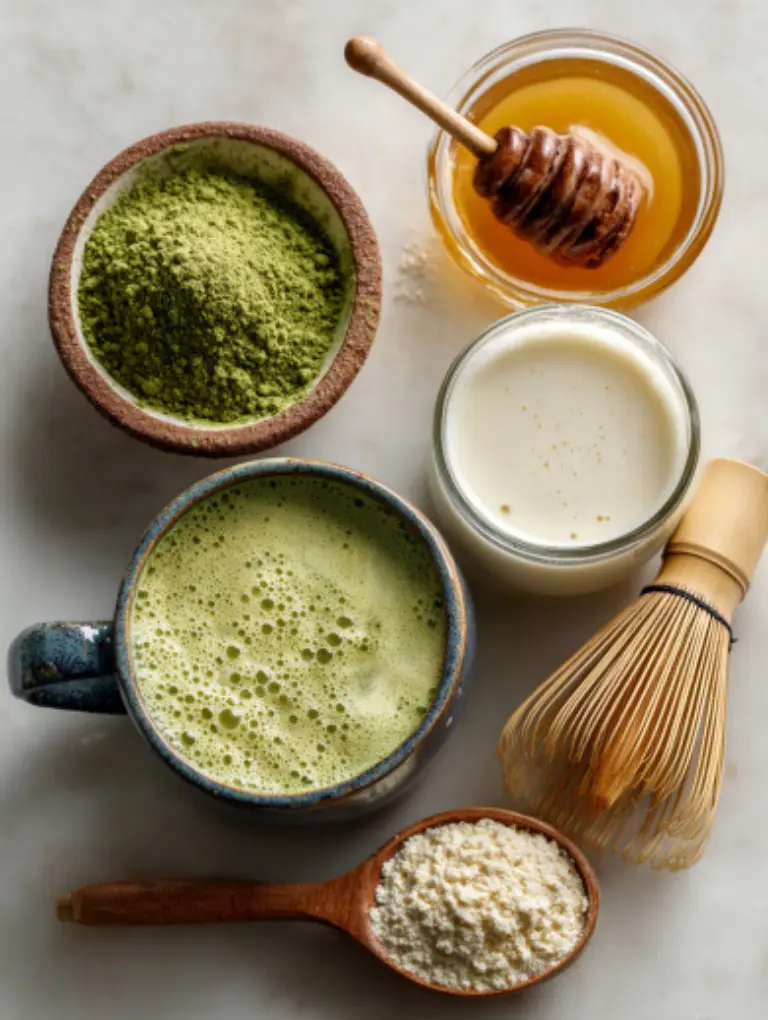
Core Ingredients
- ¾ cup hot water (160–175°F), warm enough to dissolve matcha without turning it bitter.
- ¼ cup warmed milk of choice, almond, oat, or coconut milk give a creamy body, dairy works too.
- 1 scoop collagen peptides, about 10 g protein, choose unflavored or vanilla for a sweeter twist.
- 1 tsp matcha powder, use ceremonial grade for smooth flavor or culinary grade for stronger tea notes.
- 1 tsp honey or maple syrup (optional), softens matcha’s natural edge.
- 1 tsp coconut oil or grass fed butter (optional), gives richer texture and sustained energy.
Optional Add Ins and Swaps
- Dash of cinnamon or vanilla extract for aroma.
- Pinch of sea salt to deepen sweetness.
- Plant protein powder if you want extra grams per cup.
- MCT oil for those following keto plans.
Pro Tip: Keep all liquids warm, collagen dissolves best around 160°F.
Tools You’ll Need
A few simple tools make all the difference between a clumpy cup and a café smooth latte.
- Fine mesh sieve or sifter, essential for breaking up matcha clumps before whisking.
- Chasen (bamboo whisk), the traditional tool that aerates matcha for that soft foam layer.
- Milk frother or small blender, perfect if you prefer speed over ceremony. Both dissolve collagen quickly.
- Small bowl or mug, ideal for blooming matcha before adding milk.
- Thermometer (optional), helps keep your water within the 160–175°F sweet spot.
If you’re short on tools, use a jar with a lid, shake vigorously after adding ingredients for a quick fix. The foam won’t be quite as fine, but the flavor stays on point. The same everyday tools come in handy for bakes like keto blueberry muffins with yogurt.
Method 1: The Whisk Route
Prep and Sift
Place 1 teaspoon of matcha into a small bowl. Use a fine mesh sieve to sift it, this step breaks up any hidden clumps and ensures a smooth mix later.
Bloom the Matcha
Heat ¾ cup of water to 160–175°F. Pour a small splash of it over the sifted matcha. Using your chasen (bamboo whisk), move quickly in a “W” or “M” motion until the mixture turns into a bright green paste with tiny bubbles. This bloom step releases the flavor and keeps the final drink silky.
Froth the Milk and Combine
Warm ¼ cup of your milk of choice until just steaming. Add 1 scoop of collagen peptides and whisk until fully dissolved. Slowly pour this mixture into your matcha bowl while whisking again to blend.
If you like, add ½ teaspoon honey or a drop of vanilla for sweetness. Pour into your favorite mug, take a second to admire that foam, and sip right away while it’s fresh.
Pro Tip: If your foam collapses, the water was likely too hot or the milk oversteamed. Keep temperatures gentle, it preserves the creamy texture.
Method 2: The Blender Route
Add, Blend, and Pour
If you’re short on time or don’t own a whisk, this route gives the same creamy result with less effort. Add 1 teaspoon of matcha powder, 1 scoop collagen peptides, ¾ cup hot water (160–175°F), and ¼ cup warm milk to a blender. Blend on low to medium speed for 20–25 seconds until the drink looks smooth and lightly frothy.
Tip: Keep the lid vented slightly or use a towel to release steam safely.
Foam Tips for a Creamy Head
Collagen blends beautifully when the liquid is warm but not boiling. If the drink cools too fast, reheat gently on the stove, never boil it. For thicker foam, blend for a few extra seconds or add ½ teaspoon coconut oil before blending. It creates that glossy, barista like finish.
Pour into your mug and enjoy right away. The foam will settle slowly, giving a smooth, cafe style texture.
Iced Matcha Collagen Latte
Stronger Concentrate for Ice Melt
Cold versions need a stronger base so the flavor holds after dilution. Whisk or blend 1½ teaspoons of matcha with ½ cup hot water instead of ¾ cup. Add 1 scoop collagen peptides, then mix until dissolved. This creates a rich concentrate that stays bright even as the ice melts.
Tip: Use ceremonial matcha for a smoother finish, it keeps its green hue longer in cold drinks.
Build Over Ice Without Separation
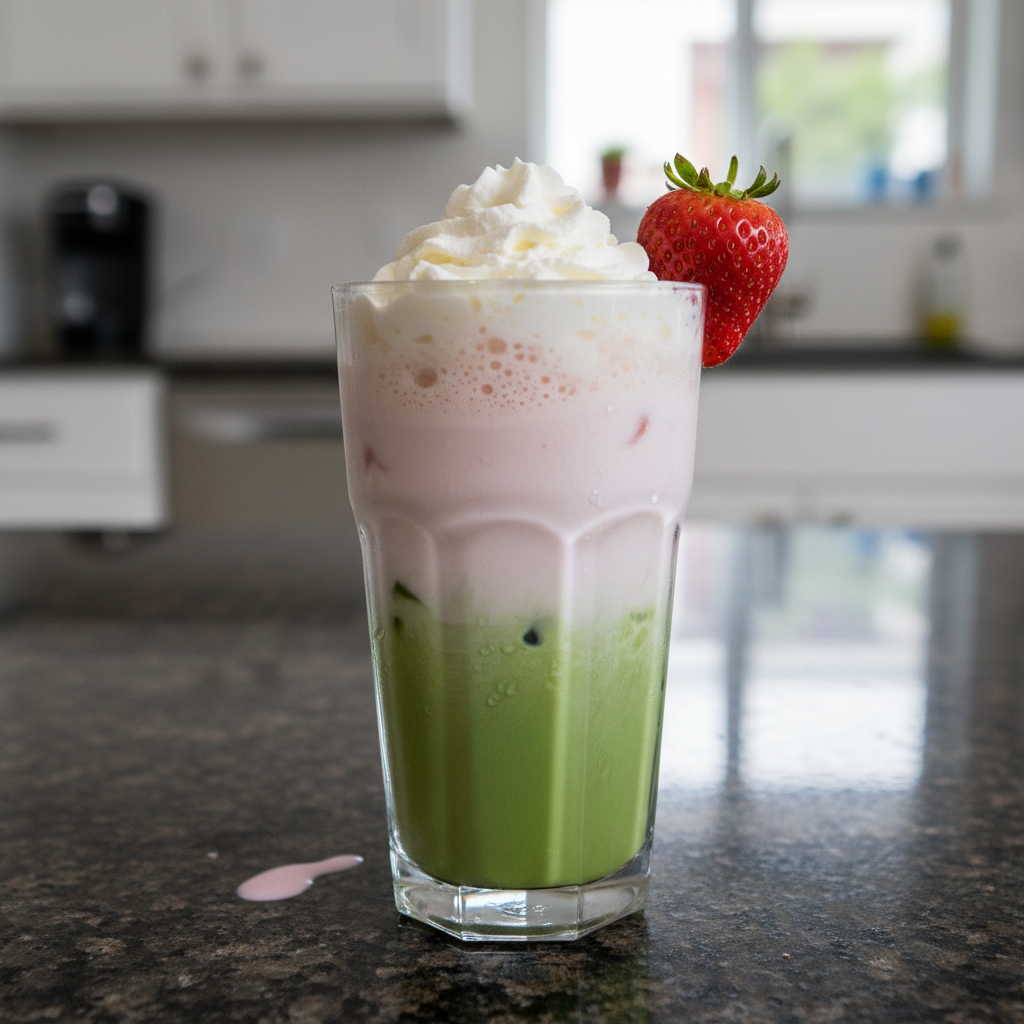
Fill a glass halfway with ice cubes. Pour the matcha collagen concentrate over the ice, then top with ½ cup cold milk of your choice. Stir slowly to blend layers for that marbled look.
If you want extra creaminess, shake everything together in a sealed jar for 10–15 seconds before pouring. It keeps the drink consistent and lightly foamy.
Pro Tip: Avoid adding collagen directly to cold liquids, it can clump. Always dissolve it in warm water first, then cool the mixture before serving over ice. For another summer favorite, try a refreshing blueberry lemonade smoothie.
Collagen Choices and Protein
Bovine vs. Marine vs. Vanilla Flavored
Bovine collagen is the most common and affordable. It dissolves fast and adds a mild, neutral flavor, perfect if you want to taste more matcha than protein.
Marine collagen comes from fish and offers smaller peptides, which some people find easier to digest. It’s light but can carry a faint sea note, so it pairs best with oat or coconut milk.
Vanilla flavored collagen masks the earthy tones of matcha and adds a touch of sweetness without extra sugar. It’s ideal for a dessert style latte.
Typical Serving Size and Grams of Protein
Most collagen powders deliver around 9–10 grams of protein per scoop (10 g). That’s roughly one third of the protein in a full meal, making this latte a solid snack or morning starter. For context on what collagen supplements are and how they are typically sold, see Harvard T. H. Chan School of Public Health’s overview on collagen.
| Collagen Type | Protein (per scoop) | Flavor Profile | Best With |
|---|---|---|---|
| Bovine | ~10 g | Neutral | Almond or dairy milk |
| Marine | ~9 g | Light, subtle | Oat or coconut milk |
| Vanilla | ~9 g | Sweet, creamy | Almond milk |
Quick Tip: Always stir collagen into warm liquid first. Once dissolved, it won’t separate even if the drink cools down. Consider pairing your routine with vitamin C gelatin gummies for a kitchen project that fits the collagen theme.
Taste and Texture Tips
Avoid Bitterness with Correct Water Temps
Matcha burns easily. If your latte tastes harsh, the water was likely too hot. Stick to 160–175°F to preserve the sweet, grassy flavor. Use a thermometer if you can, or boil water and let it rest one minute before pouring. The heat sensitivity of green tea catechins is discussed in research on tea flavor and temperature.
Quick Fix: If it’s already bitter, balance it with a touch of honey or vanilla collagen.
Fix Clumps with Sifting and Motion
Clumps form when dry powder hits too much liquid at once. Always sift matcha before adding water and use a fast “W” whisking motion or a 15 second blend to suspend fine particles. The result is a silky, cloudlike texture.
Tip: If you skip sifting, blend briefly at low speed to break up specks, don’t overblend or it’ll flatten the foam.
Sweetness and Milk Pairing Notes
Almond milk gives a clean, nutty finish, oat milk adds natural sweetness, coconut milk brings body and subtle flavor. Each works differently:
- For a lighter, tea forward taste, choose almond milk.
- For a creamy, balanced sip, use oat milk.
- For indulgent richness, go coconut.
Pro Tip: If using flavored collagen, cut any extra sweetener in half to keep balance. This balance shows up in creamy drinks like this pumpkin smoothie recipe.
Storage and Reheat
How Long It Keeps in the Fridge
Your matcha collagen latte stays fresh for up to 2 days if stored in a sealed jar or glass bottle. Give it a quick shake before drinking, natural settling is normal. The foam will fade, but the taste remains bright. Chill promptly and store cold, a general food safety principle noted by USDA resources on cooling and refrigeration timing like this FoodKeeper guidance PDF.
Tip: Keep it in the back of the fridge where the temperature is stable. That helps maintain both flavor and texture.
Reheat Without Separating
To warm it up again, pour the latte into a small pot and heat on low to medium, stirring gently. Avoid boiling, high heat breaks down collagen and can make the drink grainy. Once it steams lightly, remove from heat and whisk or froth for a few seconds to bring the foam back.
Quick Option: Microwave in 15 second intervals, stirring between each round. Stop when it’s just warm enough to sip comfortably.
Pro Tip: Never reheat twice. Make only what you’ll drink within two days for the best texture and nutrition. The same gentle approach helps with cozy dishes like cheesy potato soup.
Quick Nutrition Snapshot
(Values are approximate and based on almond milk plus unflavored collagen)
| Nutrient | Amount per Serving | Notes |
|---|---|---|
| Calories | ~130 kcal | Depends on milk and sweetener choice |
| Protein | ~10 g | From one scoop collagen peptides |
| Fat | ~5 g | Slightly higher if adding coconut oil or butter |
| Carbohydrates | ~6 g | Mostly from milk and honey |
| Sugar | ~4 g | Naturally occurring from milk or sweetener |
| Caffeine | ~60–70 mg | About half a cup of coffee’s strength, see Mayo Clinic’s caffeine guide |
Tip: For fewer carbs, skip honey and use unsweetened almond milk.
Bonus: Add ice and vanilla collagen for a light summer protein drink under 120 calories.
FAQs
What water temperature should I use for matcha to avoid bitterness?
Stay between 160 and 175°F. Anything hotter burns the matcha and gives a sharp, grassy taste. If you don’t have a thermometer, boil the water and let it rest for one minute before mixing. For context on temperature and flavor, see research on green tea catechins and brewing.
Can I use marine collagen in a matcha latte?
Yes. Marine collagen dissolves quickly and adds the same silky texture as bovine collagen. It has a lighter taste that pairs best with oat or coconut milk.
How much collagen should I add per serving?
One scoop (about 10 grams) is enough for a single cup. More than that won’t hurt, but it may slightly thicken the texture.
How do I make an iced matcha collagen latte that doesn’t separate?
Always dissolve collagen in warm water first, then let it cool before adding ice. Shake or stir again before drinking. The collagen will stay smooth and the foam will hold longer.
What milk makes the creamiest texture without dairy?
Oat milk gives the thickest, most café style foam, while coconut milk adds natural sweetness and body. Almond milk keeps the flavor light and tea forward.
Can I prep a batch and reheat it later?
Yes, but drink it within two days. Store in a sealed glass jar, then reheat gently on the stove or in short microwave bursts. Avoid boiling, that breaks down the collagen and dulls the flavor. For another functional sip idea, you might like this coffee weight loss recipe.