Skip to content
There’s something truly special about Easter baking, isn’t there? The warmth of the oven, the sweet aromas filling the kitchen, and the joy of sharing homemade treats with loved ones. In my kitchen, no Easter celebration is complete without these exquisite Easter Cookies with Orange Zest, traditionally known as Koulourakia. This recipe offers a delightful twist on the classic Greek Easter cookies, promising a crisp-soft, buttery cookie with an intensified citrus flavor that perfectly captures the essence of spring. You’re about to discover how to create truly memorable holiday treats.
Why You’ll Love This Recipe
My unique twist on these Koulourakia is what truly sets them apart, creating an intensified and aromatic orange fragrance that permeates every bite. I incorporate a small amount of orange blossom water or orange extract into the egg wash, in addition to the orange zest already in the dough.
Here’s the simple culinary science behind it: orange zest provides wonderful fat-soluble flavors directly within the dough. By adding orange blossom water to the egg wash, we introduce water-soluble, volatile aromatics to the cookie’s surface. As these Easter cookies bake, these elements combine, creating a multi-layered orange essence that is both vibrant when you first bite in and beautifully lingers, enhancing the whole sensory experience without changing the crisp-soft texture I adore.
Beyond the incredible citrus flavor, these Easter cookies embody the spirit of holiday baking traditions, creating memorable family recipes. They are perfect for impressing guests and make a delightful portable snack. I also love them with my morning coffee or a relaxing cup of tea.
Ingredients Needed
- 4 cups all-purpose flour (480g)
- 1½ teaspoons baking powder
- ¾ cup granulated sugar (150g)
- zest of 1 large orange
- ½ cup plus 2 tablespoons butter (softened)
- 2 egg yolks
- 1 large egg
- 2 teaspoons vanilla extract
- ½ cup milk (room temperature, 120ml)
- 1 large egg
- 1 teaspoon water
- sesame seeds (optional)
Ingredient Notes & Substitutions
All-Purpose Flour: Accurate flour measurement is critical for proper pastry dough handling. I always recommend using a kitchen scale for all-purpose flour, as the gram weight is provided, or the spoon-and-level method to avoid overpacking and tough cookies.
Butter & Eggs: Ensuring your softened butter and room temperature eggs are at the right temperature is crucial for proper creaming and emulsification during baking. This leads to a smooth dough and prevents a curdled batter. Aim for a room temperature range of 68-72°F (20-22°C).
Orange Zest: For the strongest, most fragrant citrus flavor, rub the orange zest directly into the granulated sugar. This helps release the essential oils.
Leavening: Baking powder plays a vital role in achieving that desired fluffy and tender texture in our Koulourakia.
Substitutions:
Dairy-Free: You can absolutely use vegan butter and dairy-free milk, such as almond milk, in this recipe. Just be aware there might be a slight texture change.
Gluten-Free: A 1:1 gluten-free flour blend can be used. Results may vary, so check if your blend already contains xanthan gum.
Orange Blossom Water/Extract: Do not skip this! It is part of our unique twist for intensifying the orange fragrance in the egg wash, truly elevating these Easter cookies.
How to Make Easter Orange Zest Cookies
Prep Dry Ingredients
In a medium bowl, whisk together the all-purpose flour and baking powder until thoroughly combined.
Cream Butter & Sugar with Zest
In a large mixing bowl or the bowl of a stand mixer with the paddle attachment, combine the granulated sugar and orange zest. Rub the mixture together until well combined and very fragrant – this infuses the sugar with maximum citrus flavor. Add the softened butter and beat on medium speed until the mixture is light and fluffy, about 5 minutes.
Add Wet Ingredients
Add the egg yolks, egg, and vanilla extract to the creamed mixture and beat until well combined. Next, incorporate the room temperature milk and mix until just combined, scraping down the bowl as needed. It is normal for the mixture to look slightly curdled after adding the milk; this is a natural part of the emulsification process and will resolve as the flour is added.
Form the Dough
With the mixer on low speed, gradually add in the flour mixture, mixing just until a sticky dough forms and all flour is combined. Be careful not to overmix, as this can lead to tough cookies. Cover the dough and chill for at least 30 minutes. Chilling dough makes it much easier to handle and helps maintain the shape of your Easter cookies during baking.
Preheat & Prepare
Preheat your oven to 375F (190C). Line two cookie sheets with parchment paper.
Shape the Koulourakia
Turn the cookie dough out onto a lightly floured surface. Pinch off enough dough to form a 1-inch ball. Roll the ball into a 7-inch long rope, then fold it in half, and twist the ends together. Place each shaped cookie on a prepared cookie sheet about 1 inch apart. Repeat with the remaining cookie dough. If the dough gets too soft to roll during shaping, re-chill it until firm enough to handle.
Apply Unique Egg Wash
In a small bowl, beat the egg and water together until well combined. Now, for our unique twist: add a few drops of orange blossom water or orange extract to this egg wash for an intensified aromatic orange fragrance on the cookie’s crust. Brush this mixture generously over each cookie. If desired, sprinkle with sesame seeds.
Bake to Golden Perfection
Bake for 15 to 20 minutes, or until the cookies are golden brown. Look for the edges to be golden and the centers to be set. The Maillard reaction is working its magic here, contributing to that beautiful golden color and delicious flavor development.
Cool Completely
Let the cookies cool on the baking sheet for a few minutes before transferring them to a wire rack to cool completely.
Understanding Your Dough: Key to Perfect Koulourakia
In my many years of baking, I’ve learned that understanding your ingredients and dough is half the battle. These Easter cookies are no exception!
Why the Dough Looks Curdled
When you’re adding your wet ingredients like eggs and milk to the creamed butter and sugar, you might notice the mixture looks a bit curdled. Don’t worry, this is completely normal! This is part of the emulsification process in baking. It’s especially common when you’re using room temperature ingredients, which is actually a good thing. The mixture will come together beautifully once you incorporate the all-purpose flour.
The Magic of Room Temperature Ingredients
Speaking of room temperature, it truly is magical in baking. For ingredients like softened butter, eggs, and room temperature milk, aim for a temperature range of 68-72°F (20-22°C). This ensures even incorporation of ingredients, creates a smoother batter, and prevents you from over-mixing, which can lead to a tough cookie. Ultimately, it promotes a consistent texture and beautiful golden brown cookies every time.
Chilling Dough for Texture & Shape
Chilling dough is a step I never skip for my Easter cookies. A quick 30-minute chill allows the butter to firm up, making the dough much easier to handle for rolling and twisting dough. It also gives the gluten development a chance to relax, which contributes to a more tender final texture and helps prevent the cookies from spreading too much in the oven. For an even firmer dough or if you’re making ahead, chilling for an hour or even longer can be beneficial.
Pro Tips & Troubleshooting
Pro Tips
Rub the Zest: For maximum orange flavor, always rub the orange zest into the granulated sugar first. This releases those wonderful essential oils.
Measure Flour Accurately: Over-flouring is a common culprit for dry, cracked cookies. I always use a kitchen scale for all-purpose flour (remember the gram weight provided!) or the spoon-and-level method.
Room Temperature is Key: Ensure your softened butter and room temperature eggs are, well, at room temperature. This is vital for optimal creaming and emulsification, resulting in a light, smooth dough.
Shape Creativity: While I love the classic twist, Koulourakia dough is versatile! Feel free to explore other pastry dough handling techniques and shape your Easter cookies into rings, S-shapes, or other folded twists.
Don’t Overlook the Unique Egg Wash: This is our secret weapon! Including orange blossom water or extract in the egg wash adds that extra layer of aromatic orange fragrance and contributes to beautifully golden brown cookies.
Chill if Sticky: If your dough gets too soft to handle during shaping, don’t force it. Simply re-chill it in the refrigerator until it firms up again.
Common Mistakes to Avoid
Cracked Cookies: If your Koulourakia cookies are cracking, it usually indicates too much flour or a dry dough. Double-check your flour measurement next time.
Tough Cookies: The cardinal rule of cookie making: do not overmix the flour once it’s added. Mix just until combined to prevent gluten development from making your cookies tough.
Curdled Batter & Uneven Texture: Using cold butter or eggs can lead to a curdled batter and an uneven texture in your final cookie. This reinforces the importance of room temperature ingredients.
Spreading Too Much/Too Hard: Cookies spreading too much can be due to overly warm dough or sometimes too little flour. If your cookies are too hard, it often points to over-baking or, again, too much flour.
Baking Temperature & Time: Stick to the specified baking temperature and keep a close eye on your Easter cookies. Pull them out when they are golden brown to avoid over-baking.
Serving & Storage
Serving Ideas
These beautiful Easter cookies are wonderfully versatile.
Traditional Pairings: I love serving them alongside a warm cup of coffee, a glass of milk, or a soothing tea for dipping.
Holiday Dessert Platter: These Koulourakia make an elegant addition to any holiday baking recipes dessert spread, especially during Easter.
Gifting: Package them attractively for thoughtful, edible gifts for friends and family during Easter or other celebrations.
Storage and Make-Ahead
Storage: Koulourakia are fantastic keepers! Store them in an airtight container at room temperature for a few weeks, and they will retain their crisp and tender texture.
Freezing Baked Cookies: If you want to make them even further in advance, you can freeze baked goods. Simply let the cookies cool completely, then freeze them in a single layer on a baking sheet before transferring them to a freezer-safe airtight container or bag. Thaw them at room temperature when you’re ready to enjoy. They’ll be just as delicious.
Make-Ahead Dough: The dough itself can be made ahead of time and chilled for up to 2-3 days before shaping and baking. This makes holiday baking so much easier!
Conclusion
There you have it – my recipe for truly delicious and fragrant Easter cookies. These Koulourakia, with their intensified orange flavor and aroma, are truly special thanks to our unique twist. I promise that with these clear instructions and my expert tips, you can succeed in making these beautiful cookies, whether you’re a seasoned baker or just starting your holiday baking recipes journey. I encourage you to try this recipe, share your beautiful creations, and perhaps even explore other citrus flavor variations in your own kitchen. Happy baking!
FAQ
Q: Why did my Koulourakia cookies crack during shaping or baking?
A: Cracked cookies often indicate that the dough is too dry, usually from too much all-purpose flour or not enough moisture. Ensuring correct flour measurement and using room temperature ingredients will help prevent this.
Q: What is the traditional significance of Koulourakia for Easter?
A: Koulourakia are traditional Greek Easter cookies, frequently baked on Holy Thursday. They symbolize good luck and new life, and are typically enjoyed after Easter Sunday mass, bringing families together.
Q: How can I ensure a strong orange flavor in my Easter cookies?
A: To get a strong orange flavor, use our unique twist: rub the orange zest into the granulated sugar for maximal essential oil release. Also, add a few drops of orange blossom water or orange extract to the egg wash for an aromatic orange fragrance that permeates the cookie’s crust.
Q: What is the best way to store and freeze Koulourakia?
A: Store Koulourakia in an airtight container at room temperature for several weeks. To freeze baked goods, cool them completely, then store in a freezer-safe container for up to 3 months, thawing at room temperature.
Q: Can I make substitutions for butter, milk, or other ingredients?
A: Yes, you can. Please refer back to the “Ingredient Notes & Substitutions” section for detailed guidance on using dairy-free milk, gluten-free flour, or vegan butter, keeping in mind there might be minor changes in texture or flavor.
Q: What is baker’s ammonia, and why is baking powder used in this recipe?
A: Baker’s ammonia (ammonium bicarbonate) is a traditional leavening agent that creates a crisper cookie and light texture. However, it can leave a noticeable aroma if not fully baked out. Baking powder is commonly used in modern recipes for its readily available, reliable leavening without the strong smell, making it a simpler and more accessible choice for home bakers.
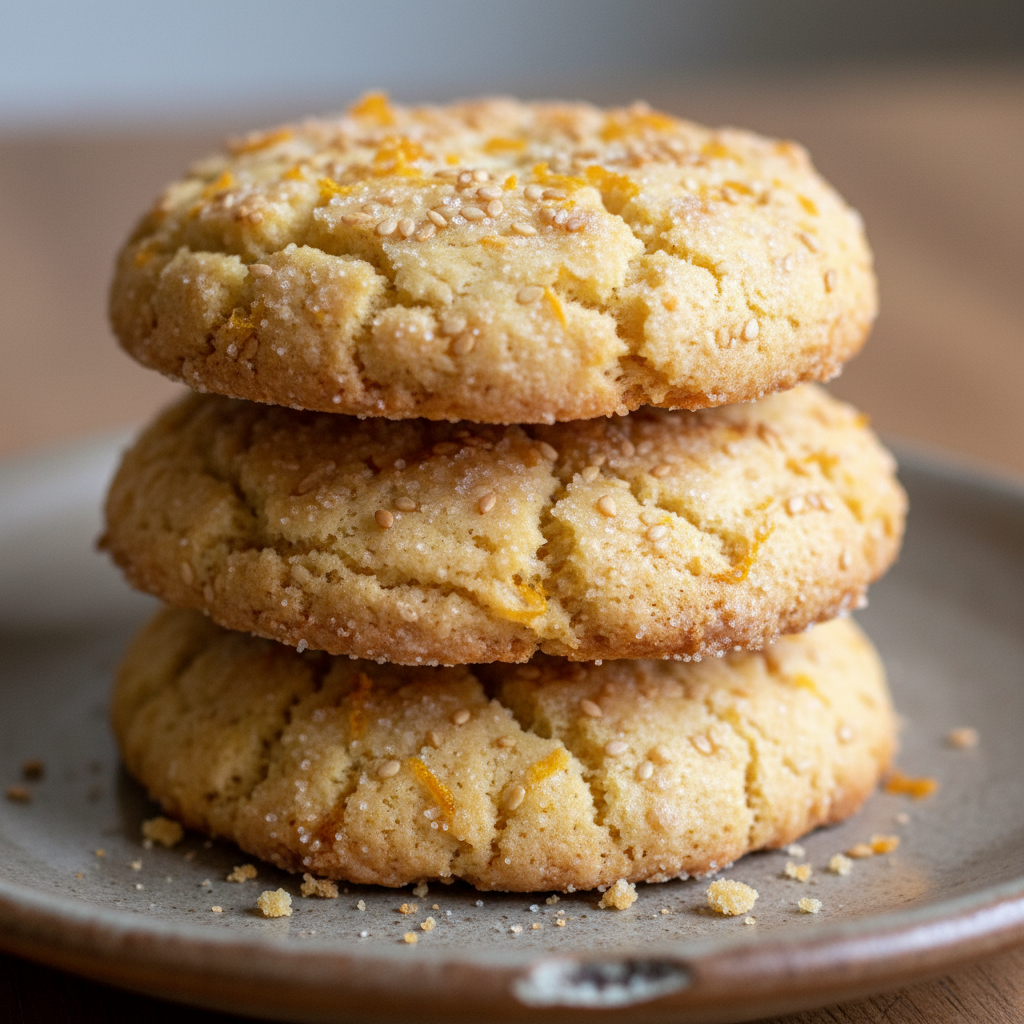
Aromatic Easter Cookies with Orange Zest: The Koulourakia Recipe
Ingredients
Equipment
Method
- In a medium bowl, whisk together the all-purpose flour and baking powder until thoroughly combined.
- In a large mixing bowl or the bowl of a stand mixer with the paddle attachment, combine the granulated sugar and orange zest. Rub the mixture together until well combined and very fragrant – this infuses the sugar with maximum citrus flavor. Add the softened butter and beat on medium speed until the mixture is light and fluffy, about 5 minutes.
- Add the egg yolks, egg, and vanilla extract to the creamed mixture and beat until well combined. Next, incorporate the room temperature milk and mix until just combined, scraping down the bowl as needed. It is normal for the mixture to look slightly curdled after adding the milk; this is a natural part of the emulsification process and will resolve as the flour is added.
- With the mixer on low speed, gradually add in the flour mixture, mixing just until a sticky dough forms and all flour is combined. Be careful not to overmix, as this can lead to tough cookies. Cover the dough and chill for at least 30 minutes. Chilling dough makes it much easier to handle and helps maintain the shape of your Easter cookies during baking.
- Preheat your oven to 375F (190C). Line two cookie sheets with parchment paper.
- Turn the cookie dough out onto a lightly floured surface. Pinch off enough dough to form a 1-inch ball. Roll the ball into a 7-inch long rope, then fold it in half, and twist the ends together. Place each shaped cookie on a prepared cookie sheet about 1 inch apart. Repeat with the remaining cookie dough. If the dough gets too soft to roll during shaping, re-chill it until firm enough to handle.
- In a small bowl, beat the egg and water together until well combined. Now, for our unique twist: add a few drops of orange blossom water or orange extract to this egg wash for an intensified aromatic orange fragrance on the cookie's crust. Brush this mixture generously over each cookie. If desired, sprinkle with sesame seeds.
- Bake for 15 to 20 minutes, or until the cookies are golden brown. Look for the edges to be golden and the centers to be set. The Maillard reaction is working its magic here, contributing to that beautiful golden color and delicious flavor development.
- Let the cookies cool on the baking sheet for a few minutes before transferring them to a wire rack to cool completely.