Skip to content
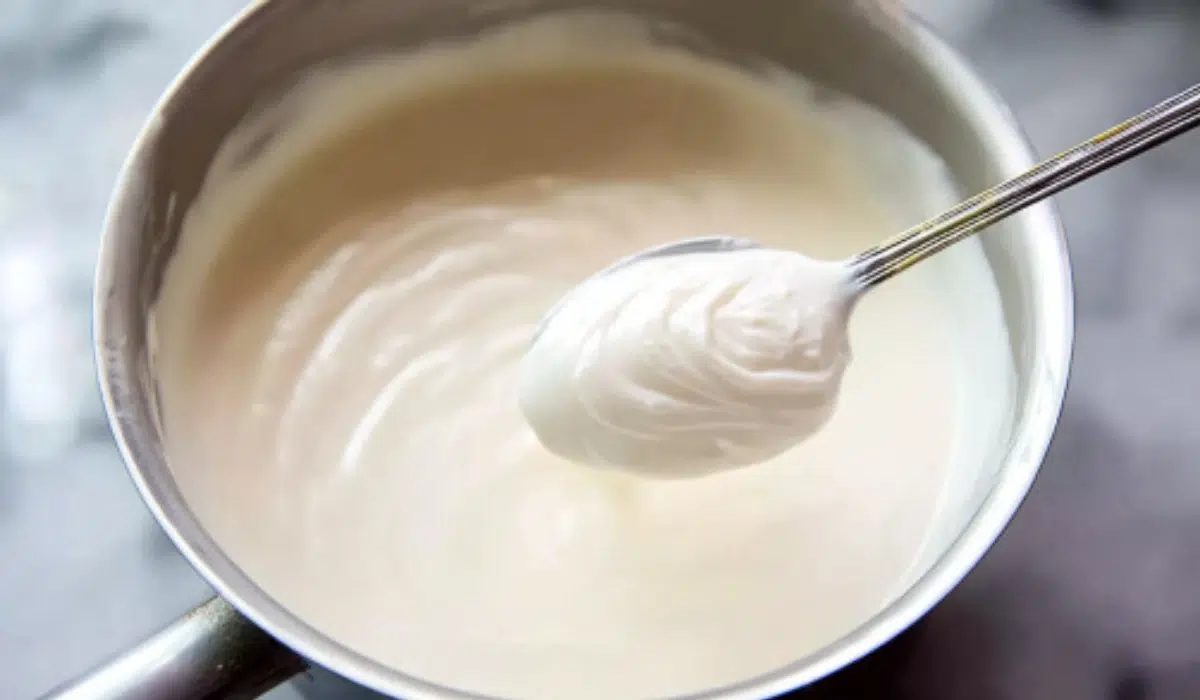
Smooth, creamy, and perfectly balanced this béchamel sauce recipe is the silky base behind classics like lasagna, mac and cheese, and croque monsieur. With just butter, flour, and milk, you can create a sauce that’s rich yet light, comforting yet refined. This version focuses on precision and simplicity, guiding you through each step for flawless results. Whether you’re a beginner cook or perfecting your French technique, this easy béchamel delivers consistency and depth in every spoonful.
Table of Contents
Why You’ll Love This Recipe
- Quick and foolproof: From start to finish, it takes under 10 minutes and uses ingredients you already have in your kitchen.
- Perfect texture every time: The method guarantees a smooth, lump-free sauce that coats the back of a spoon like velvet.
- Versatile base: Use it for lasagna, mac and cheese, croque monsieur, casseroles, or creamy vegetable bakes.
- Beginner-friendly yet chef-approved: Step-by-step instructions with visual cues make it approachable for anyone.
- Endlessly adaptable: Adjust the thickness, swap the milk, or turn it into Mornay with a handful of cheese.
This béchamel recipe stands out because it explains not just what to do, but why each step matters giving you real kitchen confidence with every batch.
Ingredients Needed
For the Base
- 1 ½ tablespoons unsalted butter: adds richness and smooth mouthfeel.
- 1 ½ tablespoons all-purpose flour: forms the roux that thickens the sauce.
- 1 cup whole milk: provides the creamy body and balanced flavor.
- Kosher salt and white or black pepper: enhances flavor without overpowering.
- A pinch of freshly grated nutmeg (optional): adds a warm, classic French note.
Ratio Guide
| Consistency | Butter | Flour | Milk | Best Use |
|---|---|---|---|---|
| Thin | 1 tbsp | 1 tbsp | 1¼ cups | Soups, light gratins |
| Medium | 1½ tbsp | 1½ tbsp | 1 cup | Lasagna, casseroles |
| Thick | 2 tbsp | 2 tbsp | ¾ cup | Croquettes, moussaka |
Notes & Substitutions
- Butter alternatives: Use olive oil or plant-based butter for a dairy-free option. Both yield a slightly lighter texture.
- Milk options: Whole milk offers the richest result, but 2% milk or unsweetened oat milk work well. Avoid almond milk; it’s too thin and slightly sweet.
- Gluten-free swap: Substitute gluten-free all-purpose flour or rice flour in equal measure. Whisk thoroughly to prevent clumping.
- Flavor boosters: Add a bay leaf, a clove of garlic, or an onion slice while simmering, then strain them out before serving for a subtle depth.
How to Make Béchamel Sauce
Step-by-Step Method


- Warm your milk first (optional but helpful).
Heat the milk gently in a small pot until just warm to the touch. This step helps prevent lumps when combining with the roux. - Melt the butter.
In a medium saucepan, melt 1½ tablespoons unsalted butter over medium heat. Watch closely you want it melted and foamy, not browned. - Add the flour to form the roux.
Sprinkle in 1½ tablespoons all-purpose flour while whisking constantly. Cook for about 1 minute to remove the raw flour taste. The mixture should look smooth and smell slightly nutty, not toasted. Cook the roux briefly to drive off raw flour flavor, a result noted by research from the University of Wisconsin–Stout. - Add the milk slowly.
Pour in a few tablespoons of milk at a time, whisking well after each addition. The sauce will seize at first, then smooth out as you continue. Gradually add the rest of the milk until fully combined. - Simmer until thick.
Increase the heat slightly and bring to a gentle simmer. Whisk often until the sauce thickens and coats the back of a spoon this is called the nappe test. If you draw your finger across the spoon, the line should stay clean. - Season and finish.
Add salt, a touch of white or black pepper, and a pinch of nutmeg if desired. Taste and adjust the seasoning. For an ultra-smooth finish, whisk vigorously or use a hand blender for a few seconds. - Hold or serve.
If not serving immediately, press plastic wrap directly on the surface of the sauce to prevent a skin from forming. Store in an airtight container once cooled.
Mini Tips During Cooking
- Whisk from the corners of the pan to catch hidden lumps.
- If the sauce turns too thick, whisk in 1–2 tablespoons of warm milk until desired consistency.
- If it separates, remove from heat and whisk briskly or blend briefly to bring it back together.
Pro Tips & Troubleshooting
Expert Tips
- Use even heat: Keep the burner on medium high heat scorches the milk and dulls the sauce’s clean flavor.
- Whisk constantly: This is your insurance against lumps. A balloon whisk gives the best reach and control.
- Milk matters: Whole milk gives you the creamiest texture, while low-fat milk creates a slightly thinner sauce.
- Test thickness visually: Dip a spoon into the sauce. If you can draw a clean line through the coating with your finger, it’s ready.
- Flavor gently: A pinch of nutmeg goes a long way too much turns bitter fast.
Common Mistakes to Avoid
- Overcooking the roux: If it darkens, the sauce loses its signature pale color. Stop when it smells faintly nutty, not toasted.
- Adding cold milk all at once: This shocks the roux and creates lumps. Add it gradually, whisking between additions.
- Neglecting to stir: Even a minute of rest can create uneven texture or scorching. Keep that whisk moving.
- Overseasoning early: Salt lightly at first, then adjust at the end once the sauce thickens and flavors concentrate.
Creative Shortcut
Need a quick fix for a split or grainy sauce?
Remove the pan from heat, add a splash of warm milk, and blend with an immersion blender for 15 seconds. It instantly restores smoothness and shine your guests will never know it almost went south.
Serving, Storage & Variations
Serving Ideas
Béchamel isn’t just a sauce it’s the foundation for comfort food magic. Encyclopaedia Britannica recognizes it as one of the classic French mother sauces, which explains why it anchors so many dishes.
- Lasagna: Layer it between pasta sheets for a creamy, rich finish with lasagna with béchamel sauce.
- Mac and Cheese: Stir in grated cheese to turn it into a velvety Mornay sauce, then try it in our pasta béchamel recipe.
- Vegetable Bakes: Pour over cauliflower, broccoli, or potatoes, then broil for a crispy topping like creamy scalloped potatoes.
- Eggs or Seafood: Drizzle over poached eggs, fish, or shrimp for an elegant touch.
Storage Guidelines
- Refrigerate: Refrigerate the sauce in an airtight container and use within 3 to 4 days, as guided by USDA FoodSafety.gov.
- Freeze: For longer storage, USDA guidance for similar sauces like gravy suggests freezing for 4 to 6 months for best quality, then thaw overnight before reheating, according to AskUSDA.
- Reheat: Warm gently over low heat, whisking often. If it’s too thick, add a tablespoon of warm milk at a time until smooth again.
Make-Ahead Tip
You can prepare béchamel a day in advance. Before using, reheat over low heat and whisk briskly to restore its silky texture.
Quick Variations
- Cheese Sauce (Mornay): Add ½ cup of shredded Gruyère, cheddar, or parmesan once the béchamel thickens, then use it in creamy garlic parmesan chicken pasta.
- Gluten-Free Version: Swap all-purpose flour for rice flour or a 1:1 gluten-free blend.
- Dairy-Free Alternative: Replace butter with olive oil and milk with unsweetened oat milk.
- Spiced Twist: Stir in a dash of cayenne pepper or smoked paprika for extra depth.
For dietary versions or special adjustments, check the FAQ section below it covers gluten-free, dairy-free, and consistency tips in more detail.
Nutritional Information
| Nutrient | Per Serving (¼ cup) |
|---|---|
| Calories | 87 kcal |
| Total Fat | 6 g |
| Saturated Fat | 3.8 g |
| Carbohydrates | 5 g |
| Protein | 2 g |
| Cholesterol | 17 mg |
| Sodium | 78 mg |
| Calcium | 60 mg |
| Sugar | 3 g |
Values are approximate and based on a recipe made with whole milk and unsalted butter. Actual nutrition may vary depending on ingredient brands and substitutions.
Nutritional Highlights
- Rich in calcium: Milk in béchamel contributes calcium, which supports bone health, according to the NIH Office of Dietary Supplements.
- Moderate calories: Perfect for portion-controlled comfort dishes.
- Customizable fat content: Using low-fat or plant-based milk lightens the sauce without compromising texture.
- Contains protein: Offers a small but useful protein boost when paired with vegetables or pasta.
Tip: Use online tools like Cronometer or MyFitnessPal to double-check the values if you adjust ingredients or portion size.
Conclusion
This béchamel sauce recipe proves that elegance doesn’t have to be complicated. With just three core ingredients and a few minutes at the stove, you can create a creamy, velvety sauce that transforms everyday dishes into comfort food classics. Whether you’re layering it into lasagna, folding it into mac and cheese, or whisking it into a Mornay for croque monsieur, this simple technique delivers consistent, restaurant-quality results at home.
If you tried this recipe, leave a comment and a star rating below your feedback helps others find the perfect béchamel too.
Don’t forget to share your version on Pinterest or Facebook and tag your favorite dish idea.
What’s your favorite way to use béchamel in pasta, vegetables, or something creative?
Tell us in the comments, and we might feature your tip in our next update!
Frequently Asked Questions
Can I make béchamel with gluten-free flour or cornstarch?
Yes. Replace the all-purpose flour with the same amount of gluten-free blend or rice flour for nearly identical texture. You can also whisk 1½ teaspoons of cornstarch with a splash of cold milk, then add it after the butter melts. Cook until thickened and smooth.
What milk works best for béchamel, and can I use dairy-free milk?
Whole milk gives the creamiest texture, while 2 % milk makes a lighter version. For dairy-free sauce, use unsweetened oat milk or soy milk and olive oil instead of butter. Avoid sweetened plant milks they change the flavor balance.
Why does my sauce taste like raw flour, and how do I fix it?
That flavor comes from undercooked roux. Next time, cook the butter-flour mixture for about 1 minute before adding milk. If it happens again, keep simmering for a few minutes; the taste will mellow as the starches cook out.
How thick should béchamel be for lasagna vs. mac and cheese?
For lasagna, aim for a medium-thick sauce that spreads easily without running, perfect for lasagna bolognese. For mac and cheese, make it slightly thicker, since cheese will loosen it once melted.
Can I freeze béchamel and reheat it later?
Absolutely. Cool it first, transfer to an airtight container, and freeze for up to 2 months. Thaw in the fridge overnight, then reheat slowly over low heat while whisking. Add a spoonful of warm milk if it feels too thick.
How do I fix lumpy béchamel without starting over?
Remove the pan from heat and whisk vigorously. If lumps remain, strain the sauce through a fine sieve or blend it for 10–15 seconds with an immersion blender. It will smooth out perfectly.
Should the milk be warm or cold when I add it to the roux?
Either works if added gradually, but warm milk blends faster and reduces lumping. Cold milk slows the thickening slightly yet still yields a smooth finish if you whisk continuously.
Béchamel Sauce Recipe
A silky, rich béchamel sauce recipe made with butter, flour, and milk the foundation of countless dishes like lasagna, mac and cheese, and casseroles, ready in minutes.
4
servings5
minutes10
minutes87
kcalIngredients
1½ tablespoons unsalted butter
1½ tablespoons all-purpose flour
1 cup whole milk
Kosher salt, to taste
White or black pepper, to taste
Pinch of nutmeg (optional)
- Optional Add-ins:
½ cup shredded cheese for Mornay sauce
1 bay leaf or onion slice for subtle flavor infusion
Directions
- Warm the milk gently in a small pot (optional but helps prevent lumps).
- Melt butter in a saucepan over medium heat do not let it brown.
- Whisk in flour until smooth and cook for 1 minute to remove raw flavor.
- Add milk gradually, whisking continuously to avoid lumps.
- Bring to a gentle simmer and cook until sauce thickens enough to coat the back of a spoon.
- Season with salt, pepper, and nutmeg. Whisk until smooth and glossy.
- Serve immediately or cover with plastic wrap to prevent a skin from forming.
Notes
- Consistency Guide: For a thinner sauce, add 1–2 extra tablespoons of milk. For thicker béchamel, simmer slightly longer.
- Storage: Store in the fridge for 3–4 days or freeze up to 2 months.
- Gluten-Free Option: Substitute gluten-free flour or rice flour in equal amounts.
- Dairy-Free Option: Use olive oil and unsweetened oat or soy milk.
- Flavor Boost: Add a bay leaf or garlic clove during simmering and remove before serving.
Nutrition Facts
- Calories: 87kcal
- Fat: 6g
- Saturated Fat: 3.8g
- Cholesterol: 17mg
- Sodium: 78mg
- Carbohydrates: 5g
- Sugar: 3g
- Protein: 2g
- Calcium: 60mg