Skip to content
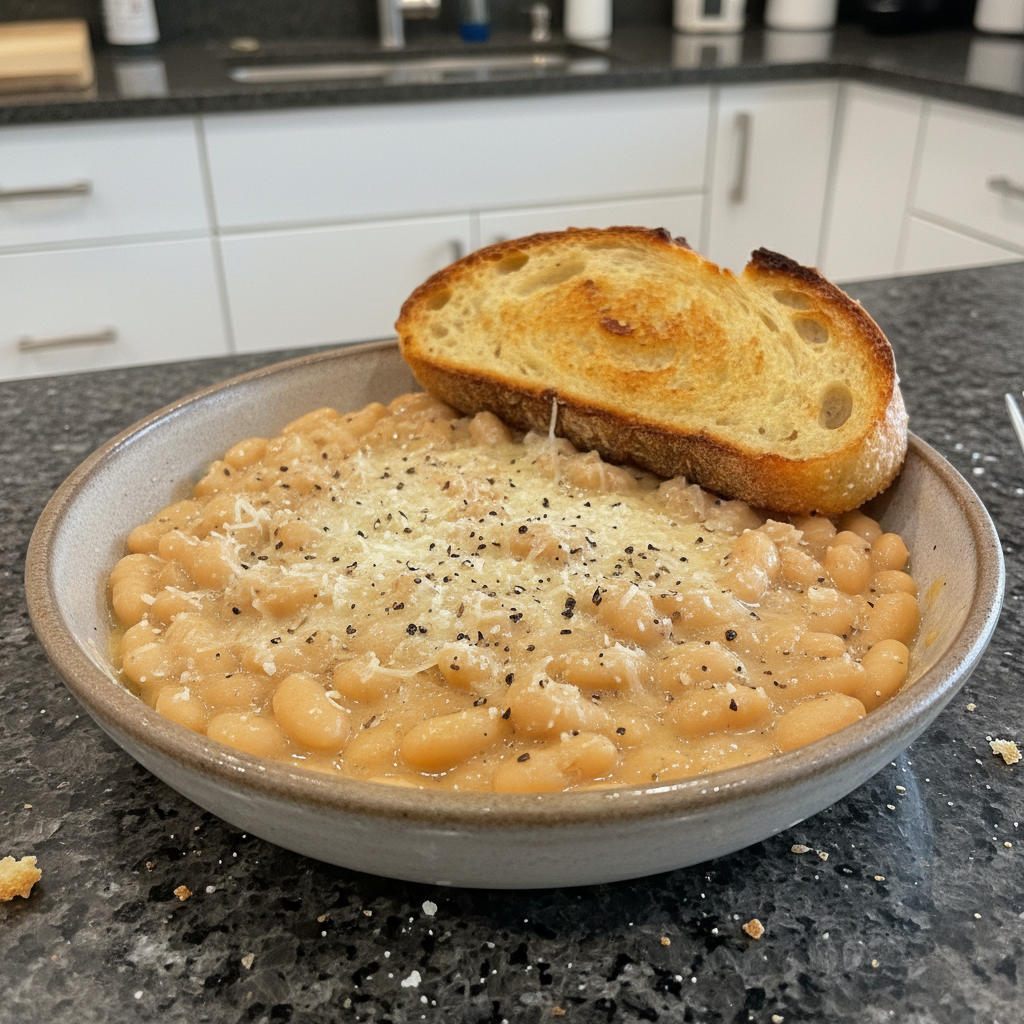
There’s nothing quite like a warm, comforting meal that feels both gourmet and incredibly simple to prepare. In my kitchen, this Cacio E Pepe White Beans Skillet has become a beloved staple, hitting all the right notes for a satisfying, hearty, and quick dinner. It’s a vegetarian recipe that brings the bold, peppery, and cheesy flavors of classic Cacio e Pepe together with tender cannellini beans in a rich, creamy sauce, all made conveniently in just one pan. Get ready to transform your weeknight cooking!
Why You’ll Love This Cacio E Pepe White Beans Skillet
This isn’t just another white bean skillet; it’s a dish designed for maximum flavor and an unbelievably creamy texture, thanks to a clever trick I’ve perfected. You see, for a richer, starchier sauce and truly enhanced bean flavor, I mash half of one can of cannellini beans before adding them to the skillet. Then, instead of plain water, I use the reserved liquid from the second can of beans in the sauce.
The secret? Food science! Mashing some of the beans releases their natural starches, creating a fantastic, natural thickener for the sauce. And that reserved bean liquid, often called aquafaba? It’s packed with starch and subtle flavor, acting much like pasta water in traditional Cacio e Pepe. This helps to emulsify the cheese and fat, resulting in a smoother, less greasy, and lusciously creamy Cacio e Pepe White Beans Skillet every single time.
A busy cook’s dream: This dish truly shines as a one-pan dinner, meaning less cleanup and more time to enjoy your meal. It’s a fantastic vegetarian recipe that’s also incredibly budget-friendly, relying on pantry staples. Plus, it’s pure comfort food, making it the ideal weeknight meal when you need something quick, satisfying, and full of bold, rich flavors.
Ingredients Needed

- 4 tbsp. extra-virgin olive oil, divided
- 4 thick-cut slices white country bread, divided
- 2 tbsp. unsalted butter
- 1 tsp. freshly ground black pepper, divided, plus more
- 1/2 c. finely shredded Parmesan (about 1 oz.), plus more for serving
- 1/2 c. finely shredded Pecorino Romano (about 1 oz.)
- 1/2 tsp. (or more) kosher salt
- 2 (14.5-oz.) cans cannellini beans, drained, not rinsed, divided
Ingredient Notes & Substitutions
Beans: Cannellini beans are my go-to for their creamy texture and mild flavor, which perfectly complements the bold Cacio e Pepe elements. However, if you have navy or great northern beans on hand, they make excellent substitutes. The crucial tip here, and part of my unique twist, is to not rinse your canned cannellini beans. That canning liquid is pure liquid gold for thickening the sauce!
Cheese: The blend of finely shredded Parmesan and Pecorino Romano is key to achieving that authentic Italian cuisine depth of flavor. Parmesan offers a nuttier, slightly milder taste, while Pecorino Romano brings a sharper, saltier kick. For the best melting and flavor, always opt for freshly shredded cheese. If you can only find one, using all Parmesan or all Pecorino will still yield a delicious result. For a dairy-free adaptation, good quality plant-based Parmesan alternatives can be used.
Black Pepper: This dish is called “Cacio e Pepe” for a reason—pepper is paramount! I can’t stress enough the importance of freshly ground black pepper. It provides an incomparable aroma and a bright, pungent flavor that pre-ground pepper simply can’t match.
Bread: White country bread is specified in the recipe for its hearty texture and ability to get beautifully crispy. You can also use other rustic, crusty bread types like a good quality sourdough, ciabatta, or even a robust baguette. For gluten-free needs, ensure you choose a dense, crusty gluten-free bread that toasts well.
Oil & Butter: A good quality extra-virgin olive oil provides a fruity base, while unsalted butter helps create that rich, silky sauce and blooms the pepper beautifully.

How to Make Cacio E Pepe White Beans Skillet
Step 1: Toast the Crispy Bread
In a large skillet (a 10-inch or 12-inch cast iron skillet works wonderfully here) over medium-high heat, warm 2 tablespoons of extra-virgin olive oil until shimmering. Add two slices of your thick-cut white country bread. Cook, turning them halfway through, until each side is beautifully golden brown and delightfully crispy, about 3 to 4 minutes total. Transfer these to a plate. Repeat the process with the remaining bread slices and the other 2 tablespoons of olive oil. Once all the bread is toasted, wipe out the skillet cleanly.
Step 2: Bloom the Pepper
Return the same skillet to medium heat. Add the unsalted butter and let it melt until fragrant. Stir in 1/2 teaspoon of freshly ground black pepper. Cook, stirring frequently, for about 30 to 60 seconds until the pepper becomes wonderfully aromatic and fragrant. This step, known as blooming black pepper, is essential for unlocking its full, vibrant flavor.
Step 3: Create the Creamy Cacio e Pepe Sauce with Our Twist
Now for our unique twist that creates an incredibly creamy Cacio e Pepe sauce! From your two cans of cannellini beans, mash half of one can of beans in a small bowl, leaving the other half of that can whole for texture. Reserve the liquid from the second can of beans—this is your secret weapon! Add the finely shredded Parmesan, Pecorino Romano, kosher salt, the whole can of beans (from the can you didn’t mash from), the remaining whole beans from the mashed can, and the reserved bean liquid (from the second can) to the skillet instead of plain water. Bring this mixture to a gentle simmer over medium-high heat. As it begins to bubble, reduce the heat to medium-low and continue to simmer, stirring occasionally. The sauce will begin to thicken beautifully, becoming lusciously creamy, in about 2 to 3 minutes. This mashing releases starches for a thicker, creamier sauce, and the bean liquid enhances flavor and emulsification – do not be tempted to rinse your canned beans – that starchy liquid is key!
Step 4: Finish and Serve
Finally, fold in the remaining 1/2 teaspoon of freshly ground black pepper and the remaining can of whole cannellini beans. Taste and season with additional salt if needed, keeping in mind the saltiness of the cheeses. Divide the warm bean mixture among your bowls. Top generously with extra finely shredded Parmesan and a final flourish of freshly ground black pepper. Serve immediately with your crispy toasted country bread on the side.
Mastering Your Skillet & Sauce for Perfection
Choosing the Right Skillet
The right skillet makes all the difference for this Cacio E Pepe White Beans Skillet. I highly recommend using a 10-inch or 12-inch cast iron skillet or a heavy-bottomed non-stick skillet. A good quality skillet ensures even heat distribution, which is vital for perfectly toasted bread and a consistently creamy sauce. It allows for the proper development of flavors and textures, from crispy bread to a beautifully emulsified sauce.
Preventing Cheese Clumping in Cacio e Pepe
One of the most common worries with Cacio e Pepe is cheese clumping, but with a few simple techniques, you can avoid it! First, always use finely shredded cheese; it melts more smoothly. Second, and crucially, make sure the pan isn’t too hot when you add the cheese. Reduce the heat to medium-low, as indicated in the recipe instructions. Add the cheese gradually and stir continuously. Lowering the heat prevents the cheese proteins from seizing, allowing them to melt into a silky, cohesive sauce rather than forming clumps. Emulsification is key here!
Enhancing Flavor with Optional Aromatics
While the classic Cacio e Pepe relies on simple, bold flavors, sometimes you want to add an extra layer of complexity. For even greater flavor enhancement, consider incorporating thinly sliced garlic or minced shallots. After toasting the bread and wiping out the skillet, add your chosen aromatics to a tablespoon of olive oil in the skillet and cook over medium heat until fragrant, about 1-2 minutes, before adding the butter and pepper. This small addition can elevate the dish to an even more bold, rich profile.
Pro Tips & Troubleshooting
Pro Tips for a Perfect Skillet
- Embrace the Bean Mash & Liquid: Seriously, this is your secret weapon! Remember to mash half of one can of beans and use the reserved bean liquid instead of plain water. This leverages food science for sauce thickening and perfect emulsification, creating a truly creamy and flavorful Cacio E Pepe White Beans Skillet.
- Proper Pepper Bloom: Don’t skip the step of toasting the black pepper in butter. This blooming process releases its full aromatic potential, giving the dish that incredible, signature Cacio e Pepe spice.
- Cheese Quality Matters: For superior melting and flavor, always use freshly grated Parmesan cheese and Pecorino Romano. Pre-shredded varieties often contain anti-caking agents that can hinder smooth melting.
- Heat Management is Key: When adding the cheese, always reduce the heat to medium-low. This prevents the cheese from clumping and ensures a smooth, beautiful emulsification of your sauce.
- Adjusting Sauce Consistency: If your sauce gets a little too thick, don’t worry! Loosen it with a few tablespoons of water or extra bean liquid until it reaches your desired creamy consistency.
Common Mistakes to Avoid
- Rinsing Canned Beans: I can’t say it enough: never rinse your canned beans for this recipe! You’ll wash away valuable starch that is vital for thickening the sauce, directly undermining the unique twist and resulting in a thinner, less flavorful dish.
- Over-Salting: Parmesan and Pecorino Romano are naturally salty cheeses, so be cautious when adding extra kosher salt. Always taste first and adjust at the very end to achieve the perfect balance of saltiness.
- High Heat & Clumpy Cheese: Adding cheese to a pan that is too hot is a recipe for disaster, leading to clumpy, unappetizing cheese. Ensure your heat is low and stir continuously for a smooth sauce.
- Soggy Bread: To avoid soggy bread, always toast it separately until perfectly crispy and add it to your bowl right before serving. This ensures every bite is delightful!
Serving & Storage
Serving Ideas
This Cacio E Pepe White Beans Skillet is a meal in itself, but I love to serve it with a few additions to elevate the experience. Beyond just crusty bread, consider toasted baguette slices, artisan sourdough, or rustic ciabatta for dipping into that creamy sauce. For a refreshing contrast, pair it with a light, fresh side salad. A simple arugula salad dressed with a bright lemon vinaigrette, or a crisp green salad, will beautifully balance the richness of the skillet.
Garnish generously with extra fresh Parmesan and a final crack of black pepper. A sprinkle of fresh parsley or chives adds a lovely pop of color and herbaceous freshness. And for a perfect pairing, a crisp white wine like Pinot Grigio or Vermentino complements the flavors wonderfully, or a light-bodied red if that’s more your style.
Storage and Make-Ahead
This Cacio E Pepe White Beans Skillet makes excellent leftovers! Store any extra portions in an airtight container in the fridge for up to 3-4 days. The sauce will thicken as it cools, so I always recommend adding a few tablespoons of water or vegetable broth to leftovers before reheating to restore that luscious creaminess.
To reheat, gently warm the skillet mixture on the stovetop over low heat, stirring occasionally, until heated through. Add a splash of water or broth as needed to reach your desired consistency.
While the texture might change slightly after freezing, this recipe can indeed be frozen. Transfer cooled leftovers to an airtight, freezer-safe container and freeze for up to 2-3 months. Thaw overnight in the refrigerator before reheating gently on the stovetop, adding liquid to bring back its creaminess. This makes it an excellent option for meal prep, offering a hearty vegetarian meal for busy weeknights.
Conclusion
This Cacio E Pepe White Beans Skillet truly embodies everything I love about Italian-inspired comfort food: it’s easy, incredibly flavorful, and deeply satisfying. The unique twist of mashing some cannellini beans and utilizing the starchy bean liquid is a game-changer, guaranteeing a sauce that’s exceptionally creamy, rich, and perfectly emulsified. It’s a testament to how simple ingredients can create something extraordinary.
I encourage you to bring this recipe into your own kitchen and discover its magic. Experiment with the suggested serving ideas and enjoy a truly comforting meal that feels both wholesome and indulgent. If you tried this recipe, leave a comment and rating below – I’d love to hear how it turned out for you!
FAQ
How do I ensure my toasted bread stays crispy for serving?
To keep your bread perfectly crispy, always toast it separately from the bean mixture. Serve it immediately after toasting, either alongside or placed on top of the Cacio E Pepe White Beans Skillet just before eating. This prevents it from absorbing moisture from the sauce and becoming soggy.
Can I use other types of white beans like navy or great northern?
Yes, absolutely! While cannellini beans are my top choice for their creamy texture, navy beans or great northern beans can be excellent substitutes in this recipe. Just remember not to rinse them to preserve their valuable starch!
What’s the secret to a creamy cacio e pepe sauce without pasta?
The secret lies in our unique twist! Mashing half of one can of cannellini beans releases their natural starches, which thickens the sauce beautifully. Additionally, using the reserved liquid from the second can of beans (instead of plain water) boosts the starch content further, aiding in perfect emulsification for a lusciously creamy, non-clumpy sauce.
How long can I store Cacio E Pepe White Beans Skillet leftovers, and how should I reheat them?
Leftovers can be stored in an airtight container in the refrigerator for 3-4 days. To reheat, gently warm on the stovetop over low heat, stirring occasionally. The sauce will thicken upon cooling, so add a splash of water or vegetable broth to restore its creamy consistency.
Can I use dried cannellini beans instead of canned for this recipe?
You can, but it requires extra preparation. You would need to soak dried cannellini beans overnight and then cook them until tender before using them in the recipe. This will significantly increase the cooking time compared to using canned beans. If using dried, ensure you save some of their cooking liquid to use in the sauce!
What are common mistakes to avoid when making Cacio E Pepe White Beans Skillet?
The main mistakes to avoid are rinsing your canned beans (you’ll lose valuable starch!), adding too much salt initially (cheese is salty!), adding cheese to a pan that is too hot (causes clumping), and letting your toasted bread get soggy (serve it fresh!).
Why shouldn’t I rinse the canned beans for this recipe?
Do not rinse your canned beans! The liquid they are packed in is rich in starch. This starchy liquid is crucial for thickening the Cacio e Pepe sauce and enhancing its emulsification, which is a key part of the recipe’s unique creamy texture.
What kind of skillet is best for this recipe?
A 10-inch or 12-inch cast iron skillet or a heavy-bottomed non-stick skillet works best. These types of skillets provide even heat distribution, which is essential for properly toasting the bread and for consistent sauce development.
Can I add other proteins or vegetables to this white bean skillet?
Absolutely! This Cacio E Pepe White Beans Skillet is quite versatile. You could add sautéed greens like spinach or kale towards the end, or even some roasted broccoli florets. For added protein, cooked chicken sausage or crispy pancetta could be stirred in, though this would change it from a vegetarian recipe.
Creamy Cacio E Pepe White Beans Skillet: Easy Weeknight Meal
Ingredients
Equipment
Method
- In a large skillet over medium-high heat, warm 2 tablespoons of extra-virgin olive oil until shimmering. Add two slices of your thick-cut white country bread. Cook, turning them halfway through, until each side is beautifully golden brown and delightfully crispy, about 3 to 4 minutes total. Transfer these to a plate. Repeat the process with the remaining bread slices and the other 2 tablespoons of olive oil. Once all the bread is toasted, wipe out the skillet cleanly.
- Return the same skillet to medium heat. Add the unsalted butter and let it melt until fragrant. Stir in 1/2 teaspoon of freshly ground black pepper. Cook, stirring frequently, for about 30 to 60 seconds until the pepper becomes wonderfully aromatic and fragrant.
- From your two cans of cannellini beans, mash half of one can of beans in a small bowl, leaving the other half of that can whole for texture. Reserve the liquid from the second can of beans. Add the finely shredded Parmesan, Pecorino Romano, kosher salt, the whole can of beans (from the can you didn’t mash from), the remaining whole beans from the mashed can, and the reserved bean liquid (from the second can) to the skillet. Bring this mixture to a gentle simmer over medium-high heat. As it begins to bubble, reduce the heat to medium-low and continue to simmer, stirring occasionally. The sauce will begin to thicken beautifully, becoming lusciously creamy, in about 2 to 3 minutes.
- Finally, fold in the remaining 1/2 teaspoon of freshly ground black pepper and the remaining can of whole cannellini beans. Taste and season with additional salt if needed, keeping in mind the saltiness of the cheeses. Divide the warm bean mixture among your bowls. Top generously with extra finely shredded Parmesan and a final flourish of freshly ground black pepper. Serve immediately with your crispy toasted country bread on the side.