Skip to content
Oh, the joy of a perfect Classic English Toad-in-the-Hole! Imagine a golden, puffy Yorkshire pudding, its crisp walls cradling succulent sausages, all ready to be drenched in rich, savory gravy. It is the quintessential British comfort food, a dish that instantly warms the soul and satisfies even the heartiest appetite. In my kitchen, this dish is a staple, beloved for its comforting simplicity and impressive presentation. Whether you are new to this British classic or a seasoned pro looking for that extra special touch, this guide will walk you through every step. I am not just sharing a traditional recipe; I am revealing my secrets to elevating it with unique flavor twists and foolproof techniques, ensuring you achieve an unbeatable rise and crispy, golden perfection every time.
Why You’ll Love This Recipe
I truly believe this Classic English Toad-in-the-Hole recipe will become your new favorite, thanks to a couple of special enhancements I have perfected over the years.
Aromatic Fat Infusion: This is where the magic begins. Instead of just plain oil, I infuse the cooking fat in the baking dish with a sprig of fresh rosemary and a crushed garlic clove. As the fat heats up, these aromatics release their incredible flavors, creating a deeply savory base that permeates the entire dish. I make sure to remove them before adding the sausages and batter, so you get all the aroma without any burnt bits. It is a game-changer for depth of flavor.
Dijon Mustard Batter: My other secret? A teaspoon of Dijon mustard in the batter. You might be surprised, but its subtle acidity gently tenderizes the gluten in the all-purpose flour, contributing to a more tender interior. Plus, the touch of sugar in Dijon aids in the Maillard reaction, resulting in a more beautiful golden-brown color and an unbelievably crispy crust. This clever addition directly addresses those common complaints about doughy texture or a lackluster rise and browning.
Together, these twists promise an elevated flavor and texture that is truly exceptional—puffy, crispy, and profoundly savory. You can rely on these techniques for consistently great results, giving you the confidence to achieve a perfect rise and golden finish every time. This recipe delivers the ultimate hearty comfort food, perfect for any family dinner or a cozy night in.
Ingredients Needed
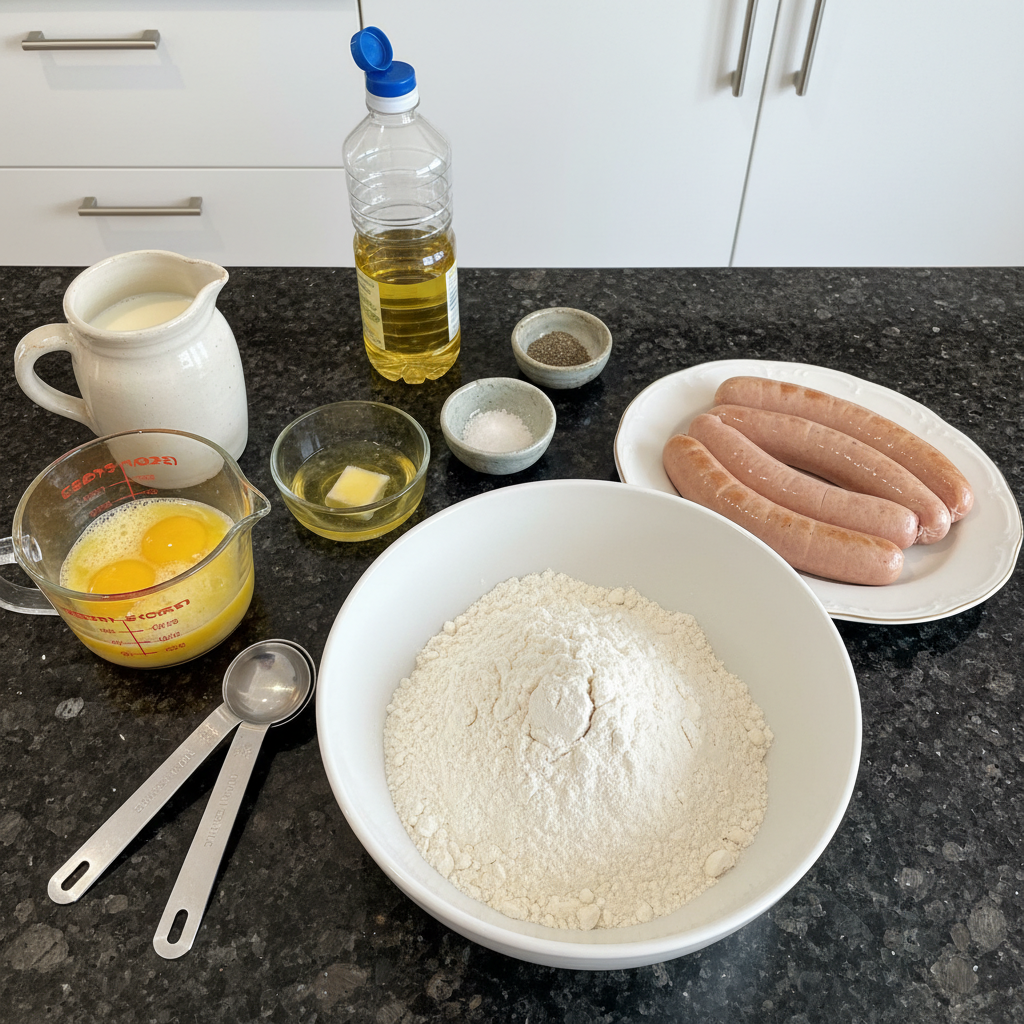
- 1 1/2 cup (180 g) of all purpose flour
- 1/2 teaspoon salt
- Pinch of freshly ground black pepper
- 3 eggs, beaten
- 1 1/2 cup (350 ml) milk
- 2 tablespoons melted butter
- 1 tablespoon vegetable oil
- 1 pound (450 g) of bangers (an English sausage made with pork and breadcrumbs), or good quality pork or beef sausage links (in casings)
Ingredient Notes & Substitutions
Fats: For the ultimate Classic English Toad-in-the-Hole, I recommend using richer fats like lard, bacon fat, beef drippings, or duck fat instead of just vegetable oil. While vegetable oil works, these alternatives lend an incredible depth of flavor and contribute to an even crispier crust. My aromatic fat infusion twist works beautifully with any of these choices, amplifying their savory notes.
Sausages: When I talk about bangers, I am referring to the traditional British pork sausages, often seasoned with herbs and sometimes containing a breadcrumb rusk. For my US readers, you can absolutely substitute good quality pork sausage, beef sausage, chicken sausage, or turkey sausage links. The key is to choose a high-quality sausage with good flavor, as it is a star of this one-dish meal.
Flour & Milk: If you need to make this recipe gluten-free, a gluten-free baking flour blend can be used as a dietary swap. Similarly, for a dairy-free version, almond milk is an excellent alternative to regular milk. These dietary swaps allow everyone to enjoy this comfort food classic.
Dijon Mustard: As I mentioned in my unique twist, the Dijon mustard is not just for flavor; its gentle acidity and touch of sugar help tenderize the gluten and promote superior browning. It is a small addition with a big impact on the overall texture and crispiness of your Yorkshire pudding batter.
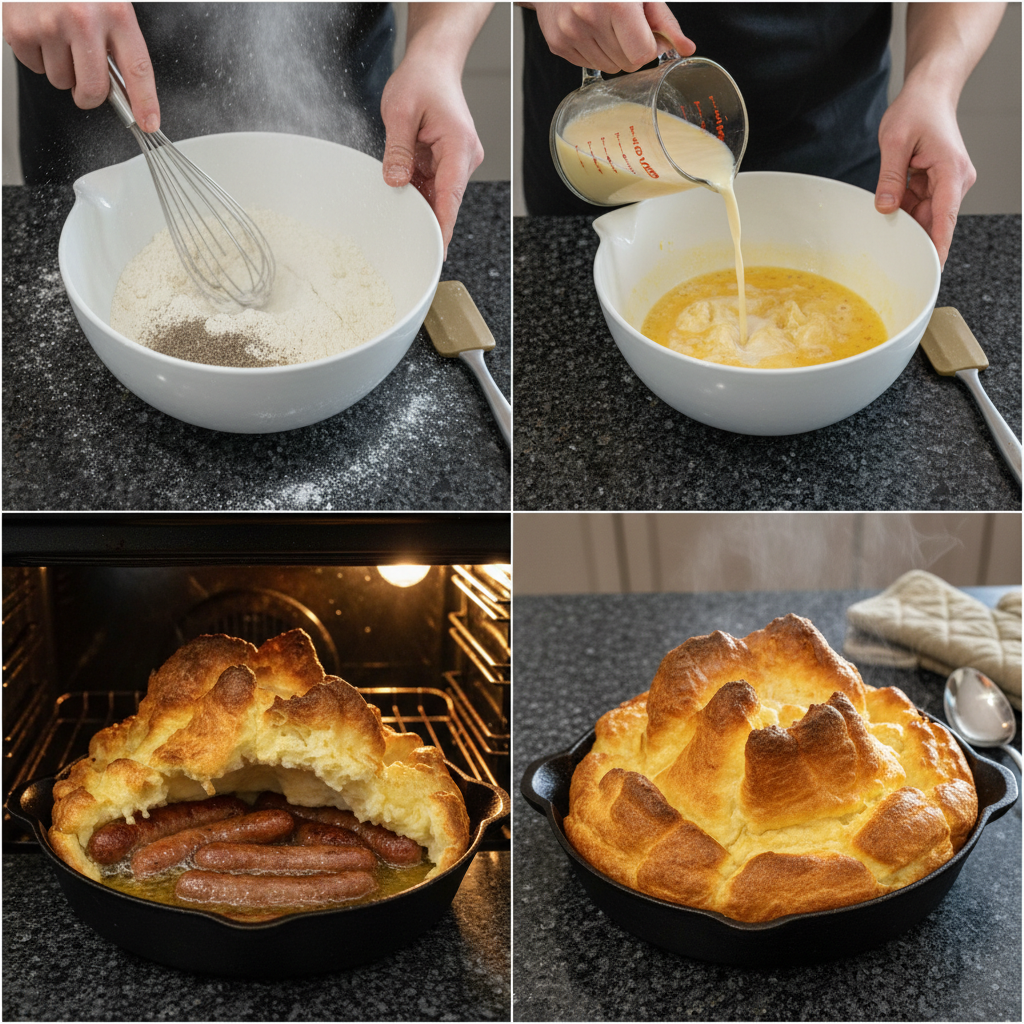
How to Make Classic English Toad-in-the-Hole
Prepare the Batter (with my special twist!)
In a large bowl, whisk together the all-purpose flour with the salt and a pinch of freshly ground black pepper.
Make a well in the center of the flour. Pour in the beaten eggs, milk, and 2 tablespoons of melted butter into the well. This is also where I add my secret: a teaspoon of Dijon mustard, which will boost both flavor and browning. Whisk everything into the flour until you have a smooth batter.
Cover the bowl and let the batter rest for at least 30 minutes at room temperature, or even longer in the fridge. This resting period is crucial for gluten development and hydration, which helps achieve that spectacular rise.
Preheat the Oven and Infuse the Fat
Preheat your oven to a scorching 425°F (220°C). Oven temperature is critical here for steam production and an amazing rise.
Generously grease the bottom and sides of an 8×12-inch or 9×9-inch ceramic or metal casserole dish with 1 tablespoon of vegetable oil, or ideally, beef drippings or duck fat. Do not use a glass baking dish, as metal or ceramic conducts heat better.
Place a rack in the bottom third of the oven. Put the empty, greased dish on the rack in the oven as it preheats. This is also the time to add my aromatic fat infusion: place a sprig of fresh rosemary and a crushed garlic clove into the hot fat in the dish. Let them infuse the fat as it preheats. You want the fat to be shimmering and almost smoking hot. Once hot, carefully remove and discard the rosemary and garlic—they have done their job, leaving behind pure aromatic flavor.
Brown the Sausages
While the oven and dish are coming to temperature, heat a tablespoon of vegetable oil (or your preferred fat) in a skillet on medium-high heat.
Add the bangers or sausage links to the skillet. Brown them on at least a couple of sides until they are nicely caramelized. This pre-browning step renders some fat and builds crucial flavor. For thicker sausages, you can lightly prick the casings with a fork to prevent them from bursting in the oven.
Assemble and Bake
Once the sausages have browned, and the dish in the oven is shimmering hot with the infused fat, carefully pull the oven rack out a bit.
Quickly transfer the browned sausages into the hot casserole dish. Gently pour the rested batter over the sausages. The cold batter hitting the smoking hot fat should immediately begin to sizzle, creating that all-important steam.
Bake at 425°F (220°C) for 25 to 35 minutes. Resist the urge to open the oven door while it is baking! This “no peeking” rule is vital to prevent the pudding from collapsing. Watch as the batter magically rises and turns a beautiful golden brown. It is ready when a toothpick or knife inserted into the middle of the batter comes out clean, and the crust is crisp and blistered.
Serve at once, enjoying the aromatic scent filling your kitchen!
The Science Behind the Perfect Rise & Ultimate Crispiness
Achieving that impressive, sky-high rise and incredibly crispy texture in your Classic English Toad-in-the-Hole is not just magic—it is pure science, much like its cousin, Yorkshire pudding. I have spent years perfecting this, and understanding the “why” makes all the difference.
Shimmering Hot Fat: This is perhaps the most critical element. Before you add the batter, the oil in your baking dish needs to be exceptionally hot—I am talking shimmering, almost smoking, but not burning. When the cold batter hits this smoking hot fat, it creates an instant burst of steam. This intense steam production is the primary force that inflates the batter, causing it to rise dramatically. If your fat is not hot enough, you will get a sad, flat pudding.
Steam & Gluten: The science behind Yorkshire pudding’s rise is a beautiful dance between steam and gluten. The rapid expansion of steam from the cold batter hitting the hot fat forces the batter upwards. At the same time, the properly developed gluten in your rested batter provides the structural framework to capture and hold that steam, allowing the pudding to maintain its lofty height as it bakes. This is why resting the batter is so crucial!
Maillard Reaction: As the Toad-in-the-Hole bakes in a hot oven, and with the help of the hot fats, the Maillard reaction kicks into full gear. This complex chemical reaction between amino acids and reducing sugars creates the desirable golden brown color on the crust and contributes immensely to its crispy, savory flavor. My Dijon mustard twist further aids this reaction, ensuring an even better browning.
Oven Temperature & Pan Choice: Maintaining an optimal oven temperature of 425°F (220°C) is key to sustaining the steam production and Maillard reaction. For the best results, always use a metal or ceramic casserole dish. A metal casserole dish, in particular, is superior to a glass baking dish because it heats up quickly and transfers that heat efficiently and evenly to the batter, which is essential for a good rise and crispy bottom.
Pro Tips & Troubleshooting
I have learned a lot over the years, and these tips will help you master the Classic English Toad-in-the-Hole, avoiding common pitfalls.
Pro Tips
Resting the Batter: This is non-negotiable! Resting the batter for at least 30 minutes, or even a few hours, allows the gluten to relax and hydrate fully. This gluten development is crucial for a higher, more consistent rise and a tender interior.
Do not Open the Oven Door: Seriously, no peeking! Opening the oven door during baking causes a sudden drop in oven temperature, which can make your beautifully risen pudding collapse dramatically. Trust the process.
Pan Choice & Preheating: Always use a metal or ceramic casserole dish, not a glass baking dish, for superior heat conductivity. Ensure your oven and the dish with fat are preheating to the correct oven temperature (425°F/220°C) until the fat is shimmering hot, almost smoking.
Sausage Preparation: For best practices, consider pricking the casings of your bangers lightly with a fork before pre-browning. This helps prevent them from bursting in the oven and ensures more even cooking. Pre-browning to render some fat also builds a deeper flavor.
Enhance with Our Twist: Remember my unique twist—the aromatic rosemary-garlic fat infusion and the Dijon mustard in the batter—for superior flavor and texture. These small additions make a big difference.
Oven Variability: All ovens are different, so think of timings as a guide. Monitor your Toad-in-the-Hole for visual cues like golden brown color and a crispy, blistered crust rather than relying solely on the clock.
Common Mistakes to Avoid
Flat Pudding: This is often caused by an insufficient oven temperature, not preheating the fat enough until it is smoking hot, or opening the oven door during baking, which lets out critical heat and steam.
Doughy Texture: A doughy texture typically happens if the batter was not rested long enough, preventing proper gluten development, or if the dish was not baked sufficiently. Ensure it is golden brown and a skewer comes out clean.
Burnt Sausages: To prevent burnt sausages, make sure you pre-brown them lightly rather than cooking them through initially. An appropriate oven temperature (425°F/220°C) is important. If your sausages are very thick, you can cut them in half before adding to the dish.
Soggy Bottoms: The key to preventing soggy bottoms is ensuring the fat is truly smoking hot before you add the batter. A metal pan also helps by distributing heat quickly and evenly, contributing to a crisp base.
Using a Glass Dish: A common mistake is using a glass baking dish. Glass does not conduct heat as efficiently or evenly as metal, leading to a less impressive rise and potentially unevenly cooked batter.
Serving & Storage
A perfectly baked Classic English Toad-in-the-Hole is a sight to behold, and knowing how to serve and store it will make your meal even more enjoyable.
Serving Ideas
Traditional Pairings: For an authentic experience, I always serve my Toad-in-the-Hole with a rich, luscious onion gravy, beef gravy, or chicken gravy. This is non-negotiable in my kitchen! Creamy, perfect mashed potatoes are another classic accompaniment.
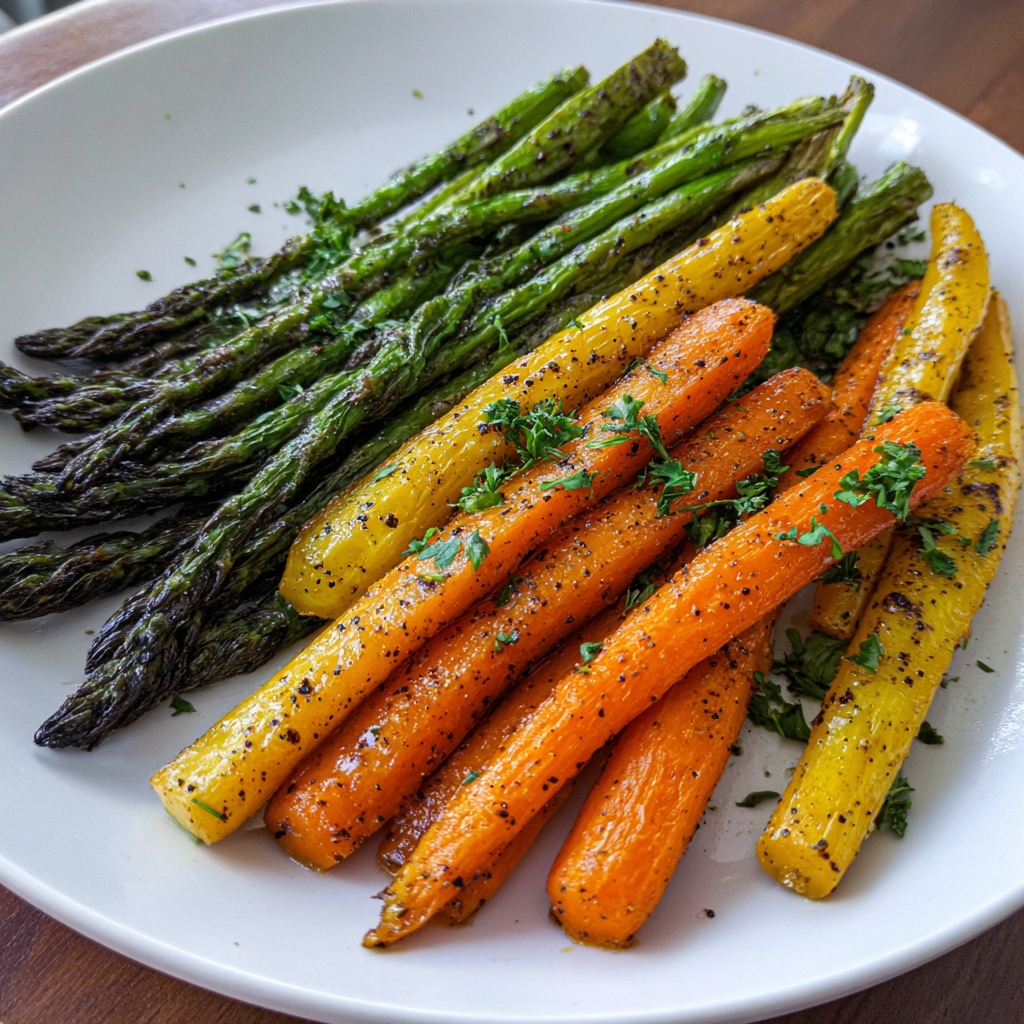
Complementary Sides: To complete the meal, I love adding simple, fresh vegetable sides. Sautéed kale with cashews offers a lovely texture, while steamed broccoli, simple peas and onions, or classic glazed carrots provide vibrant color and essential nutrients.
Modern Twists: For a slight variation, a dollop of tangy cranberry sauce can be a delightful addition, or a fresh herb garnish like parsley or chives adds a touch of brightness to the presentation.
Presentation: To showcase its impressive puffy nature, I usually slice the Toad-in-the-Hole into individual portions, ensuring each piece gets a good helping of sausage and crispy batter.
Storage and Make-Ahead
Refrigeration: Leftover Toad-in-the-Hole can be stored in an airtight container in the fridge for up to 2-3 days. While it will not be as gloriously puffy as when fresh, it still makes for a delicious meal.
Freezing: You can freeze individual portions of cooked Toad-in-the-Hole. Wrap them tightly in plastic wrap and then in foil, or place them in freezer-safe bags. They will keep for up to 2-3 months. Freezing is generally okay, but be aware that the texture may soften slightly upon reheating.
Reheating: To reheat, I highly recommend using the oven for the best results to prevent it from getting soggy. Place the portions on a baking sheet and reheat at 350°F (175°C) for about 15-20 minutes, or until heated through and the crust is crisp again. A microwave will heat it faster but will likely result in a softer texture.
Make-Ahead: The batter can be made ahead of time! Prepare it as instructed, cover, and store it in the fridge for up to 24 hours. This is a fantastic time-saver for busy days, as the resting period will only enhance the gluten development. Just give it a quick whisk before using.
Conclusion
You now have all the tools and knowledge to create a truly exceptional Classic English Toad-in-the-Hole. This recipe, with its aromatic fat infusion and Dijon-spiked batter, guarantees a crispy, puffy, and deeply savory dish that is the epitome of comfort food. I promise, with these tips, you will master this British classic, no matter your cooking skill level. Do not be afraid to experiment with different sausage variations or explore the range of serving ideas I have shared. I encourage you to try this recipe tonight, savor every comforting bite, and perhaps leave a rating and review below to let me know how it turned out. Happy cooking, and enjoy your journey into British cuisine!
FAQ
Why didn’t my Toad-in-the-Hole rise, and what are common mistakes to avoid?
A flat Toad-in-the-Hole is usually due to the oven or fat not being hot enough, or opening the oven door during baking. Make sure your oven is preheated to 425°F (220°C), the fat in the dish is shimmering hot before adding batter, and never peek during the first 20-25 minutes of baking.
What is the best type of sausage and fat to use for an authentic Toad-in-the-Hole?
For authenticity, traditional “bangers” (British pork sausages) are ideal. For fat, I highly recommend beef drippings, duck fat, or lard for their rich flavor and ability to create an incredibly crispy crust. Good quality pork sausage links are a great alternative to bangers.
Why is resting the batter crucial for a perfect rise?
Resting the batter allows the gluten in the all-purpose flour to fully hydrate and relax. This gluten development creates a stronger structure, which is essential for capturing the steam created when the cold batter hits the hot fat, leading to that impressive, tall rise.
Can I make Toad-in-the-Hole ahead of time, and how should I store and reheat it?
You can make the batter up to 24 hours in advance and store it in the fridge. Leftovers should be stored in an airtight container in the fridge for 2-3 days. Reheat in a 350°F (175°C) oven for 15-20 minutes to restore crispiness; microwave reheating will make it soggy.
What are the traditional accompaniments and best side dishes for Toad-in-the-Hole?
Traditionally, Toad-in-the-Hole is served with a rich onion, beef, or chicken gravy, and creamy mashed potatoes. Complementary vegetable sides include steamed broccoli, simple peas and onions, or classic glazed carrots.
Is it safe to use a glass baking dish for Toad-in-the-Hole?
No, I do not recommend using a glass baking dish. Metal or ceramic casserole dishes are far superior because they conduct and transfer heat more efficiently and evenly, which is critical for achieving a good rise and a crispy, golden crust. Glass can lead to uneven cooking and a less impressive rise.
Can I make Toad-in-the-Hole gluten-free or dairy-free?
Yes, you can! For a gluten-free version, use a good quality gluten-free baking flour blend as a direct substitute for the all-purpose flour. For a dairy-free option, swap regular milk for almond milk and use a dairy-free butter alternative.
Can I use baking powder to help the batter rise?
While baking powder is a leavening agent, it is not traditionally used in Classic English Toad-in-the-Hole batter. The dramatic rise of Yorkshire pudding, and by extension Toad-in-the-Hole, comes from the steam production created by cold batter hitting extremely hot fat, combined with well-developed gluten. Adding baking powder can alter the authentic texture and is not necessary for a good rise if the other steps are followed correctly.
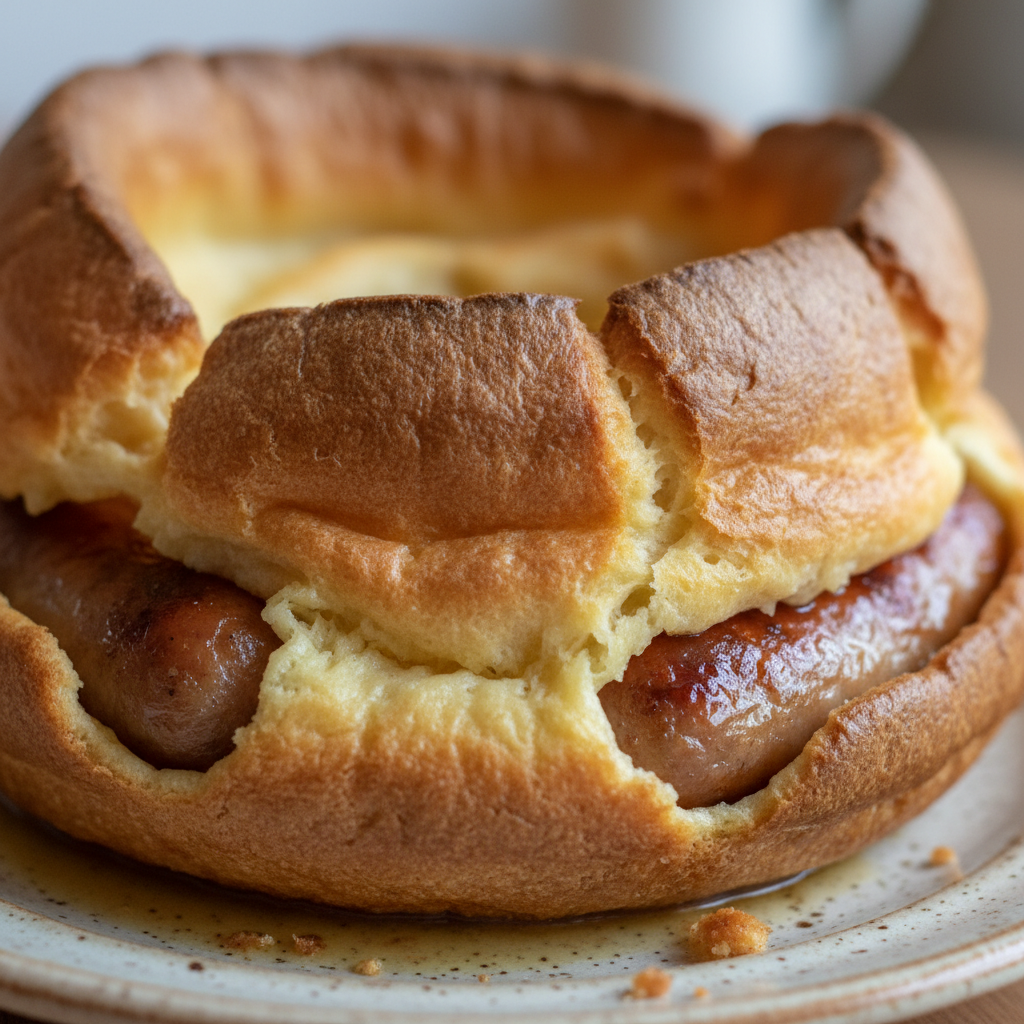
Classic English Toad-in-the-Hole
Ingredients
Equipment
Method
- In a large bowl, whisk together the all-purpose flour with the salt and a pinch of freshly ground black pepper.
- Make a well in the center of the flour. Pour in the beaten eggs, milk, and 2 tablespoons of melted butter into the well. Add 1 teaspoon of Dijon mustard. Whisk everything into the flour until you have a smooth batter.
- Cover the bowl and let the batter rest for at least 30 minutes at room temperature, or even longer in the fridge. This resting period is crucial for gluten development and hydration, which helps achieve that spectacular rise.
- Preheat your oven to a scorching 425°F (220°C).
- Generously grease the bottom and sides of an 8x12-inch or 9x9-inch ceramic or metal casserole dish with 1 tablespoon of vegetable oil, or ideally, beef drippings or duck fat. Do not use a glass baking dish, as metal or ceramic conducts heat better.
- Place a rack in the bottom third of the oven. Put the empty, greased dish on the rack in the oven as it preheats. Add a sprig of fresh rosemary and a crushed garlic clove into the hot fat in the dish. Let them infuse the fat as it preheats.
- You want the fat to be shimmering and almost smoking hot. Once hot, carefully remove and discard the rosemary and garlic—they have done their job, leaving behind pure aromatic flavor.
- While the oven and dish are coming to temperature, heat a tablespoon of vegetable oil (or your preferred fat) in a skillet on medium-high heat.
- Add the bangers or sausage links to the skillet. Brown them on at least a couple of sides until they are nicely caramelized. This pre-browning step renders some fat and builds crucial flavor. For thicker sausages, you can lightly prick the casings with a fork to prevent them from bursting in the oven.
- Once the sausages have browned, and the dish in the oven is shimmering hot with the infused fat, carefully pull the oven rack out a bit.
- Quickly transfer the browned sausages into the hot casserole dish. Gently pour the rested batter over the sausages. The cold batter hitting the smoking hot fat should immediately begin to sizzle, creating that all-important steam.
- Bake at 425°F (220°C) for 25 to 35 minutes. Resist the urge to open the oven door while it is baking! This "no peeking" rule is vital to prevent the pudding from collapsing. Watch as the batter magically rises and turns a beautiful golden brown. It is ready when a toothpick or knife inserted into the middle of the batter comes out clean, and the crust is crisp and blistered.
- Serve at once, enjoying the aromatic scent filling your kitchen!