Skip to content
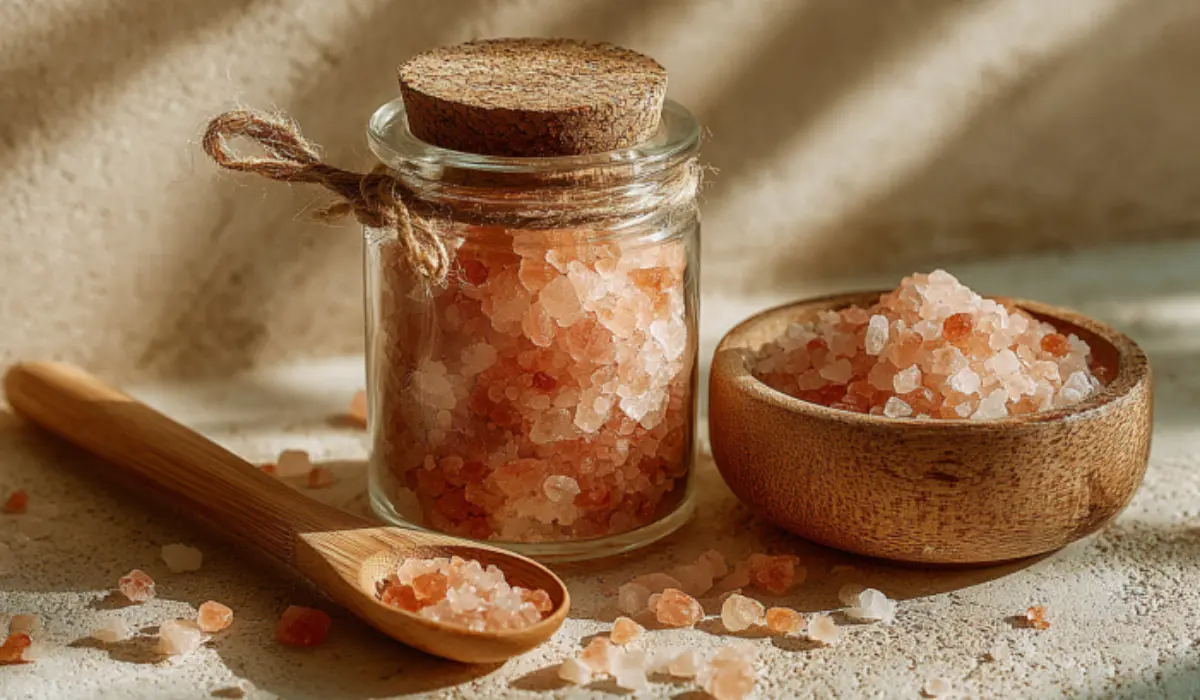
Ever stood in the spice aisle staring at those rosy salt crystals, wondering what Dr Gundry would say? You’re not the only one. Between Himalayan, sea, and iodized varieties, choosing the right salt feels like decoding a chemistry set. Yet this small choice can quietly shape your thyroid health and how your food tastes every day.
Here’s the deal. Pink Himalayan salt looks beautiful and adds crunch, but Dr Gundry’s advice is clear, your body runs better on iodized sea salt. It gives you the iodine your thyroid needs to keep metabolism and mood steady. The good news, you can cook smarter without losing flavor or style.
This guide breaks down exactly why pink salt misses the mark, what Dr Gundry actually recommends, and an easy vinaigrette recipe that proves healthy seasoning can taste incredible. Let’s start with the short answer.
Table of Contents
The Short Answer
Dr Gundry doesn’t recommend pink salt for daily cooking. He suggests using iodized sea salt instead. The reason is simple, iodine isn’t optional. Your thyroid uses it to make hormones that regulate metabolism, energy, and body temperature. Without it, your thyroid slows down, and so does everything else.
He has seen patients switch from pink salt to iodized salt and watch their thyroid function rebound within months. That alone shows how important iodine is for overall balance. Pink salt might look elegant on the counter, but it lacks the very nutrient your thyroid depends on.
So, what’s the practical takeaway? Keep that Himalayan salt for finishing touches or occasional flair, but rely on iodized sea salt in your daily cooking. It tastes clean, dissolves easily, and supports your body behind the scenes.
Think of it this way, pink salt is the stylish guest, but iodized salt is the friend who actually helps in the kitchen.
Pink Salt vs Iodized Sea Salt
If you’ve ever wondered whether pink salt really does anything special, here’s what matters most, flavor and iodine. Both salts season food well, but their nutritional impact is very different.
Flavor and Trace Minerals
Pink Himalayan salt has a mild, earthy taste that many people love. It gets its rosy color from small amounts of iron and trace minerals. Those extras sound impressive, yet they appear in such tiny amounts they barely affect your nutrition. Most people use pink salt because it looks appealing, not because it transforms their health.
Iodized sea salt tastes nearly the same as regular salt, but it quietly delivers iodine, the key mineral your thyroid uses to make hormones. Choosing iodized salt means you’re seasoning your food and supporting your metabolism at the same time. It’s one of those rare swaps that improves health without changing your routine.
The Iodine Gap
This is where pink salt falls short. Most gourmet and specialty salts skip iodine completely. That’s why Dr Gundry noticed his patients often had low thyroid function when they relied only on pink or fancy sea salts. Once they switched to iodized versions, their numbers improved quickly.
If you want to check your own labels, look for the phrase “This salt supplies iodine, a necessary nutrient.” That’s the telltale line the NIH Office of Dietary Supplements says indicates iodization. Without it, you’re just getting sodium, not iodine.
When a Finishing Sprinkle Makes Sense
Dr Gundry doesn’t forbid pink salt. He just reserves it for special touches like dusting a steak or topping roasted vegetables. Use it for its texture or color, not for nutrition. For everything else, make iodized sea salt your daily go-to.
Iodine 101 for Thyroid Hormones

Iodine may be tiny on the nutrition label, but your body treats it like gold. It’s the spark that keeps your thyroid running, and your thyroid controls almost everything metabolism, energy, even mood. Without enough iodine, that system slows down fast.
Simple Thyroid Biology
Your thyroid makes two main hormones, T3 and T4, both built from iodine and an amino acid called tyrosine. When iodine is missing, the gland struggles to make those hormones, which can leave you feeling tired, foggy, or sluggish. No fancy supplements or detox drinks can fix that; only iodine does.
How Much Iodine You Really Need
Most adults need about 150 micrograms per day, according to the NIH Office of Dietary Supplements, and U.S. iodized salt typically provides enough iodine that about a quarter teaspoon delivers ~70–90 micrograms.
A Quick History Lesson
In the early 1900s, iodine deficiency was common across the U.S., especially in inland states. To fix the problem, salt producers began adding iodine in 1924. The results were dramatic: goiters disappeared and thyroid health improved nationwide. Today, salt iodization remains voluntary, which means not every brand adds it another reason to check your labels.
What Still Confuses Shoppers
Many people assume all salt is iodized because that used to be true. But most gourmet and “natural” salts skip iodine entirely. It’s not that pink salt is bad; it just doesn’t fill the nutritional gap. Once you understand that, choosing iodized sea salt feels less like a restriction and more like a smart upgrade.
How To Tell If Your Salt Is Iodized
You don’t need a lab test to know whether your salt contains iodine just a few seconds with the label.
Exact Label Phrases to Find
Turn the package around and look for one clear line:
“This salt supplies iodine, a necessary nutrient.”
If you see those words, you’re covered. Some products also print “iodized sea salt” right on the front. If the packaging says only “sea salt” or “Himalayan salt,” it’s almost always non-iodized. According to the NIH Office of Dietary Supplements, specialty salts are rarely fortified unless the label says so. The FDA also requires non-iodized table salt to state “This salt does not supply iodide, a necessary nutrient” on the package.
Why Many Gourmet Salts Skip Iodine
Adding iodine requires precise mixing and extra steps, so many artisanal brands skip it to market their product as “pure” or “natural.” The result, unfortunately, is salt that tastes nice but does nothing for your thyroid. Dr Gundry often points out that what’s missing from pink salt isn’t minerals it’s iodine.
Storage Tips So Iodine Doesn’t Fade
Even the right salt can lose potency if you store it poorly. Keep iodized sea salt in a cool, dry cabinet away from sunlight. Humidity speeds up iodine loss, so close the lid tightly after every use. If you live somewhere humid, drop a few grains of uncooked rice into the shaker to absorb moisture.
A good rule, replace your container every two to three years. Salt itself never expires, but iodine can slowly evaporate through air exposure.
Quick Test at Home
If you’re unsure, pour a little salt into your hand and look closely. Iodized salt often appears slightly finer and more uniform than pink or coarse sea salt. That’s not foolproof, but it’s another small clue. When in doubt, rely on the label.
Salt Smart, Not Salt Free
You’ve probably heard the old line: “Cut salt to stay healthy.” That sounds simple, but it’s not the full picture. Salt itself isn’t the villain; the real issue is balance how much, when, and what kind you use.
Daily Sodium Ranges and Common Pitfalls
Your body needs around 500 milligrams of sodium a day just to keep fluids balanced and muscles firing. Most Americans, however, get well over 3,000 milligrams without realizing it. Too much salt can strain your heart, but cutting it too low can make you weak, dizzy, or constantly craving chips. The goal isn’t “no salt,” it’s the right salt in the right amount.
Dr Gundry often reminds his audience that he rarely sees patients with dangerously high sodium levels. What he sees more often are people who drink lots of water or sweat heavily and end up low in sodium. In that state, your cells can’t hold fluid properly, and fatigue sets in fast.
The fix? Add small, thoughtful pinches of iodized sea salt throughout your day not big dumps while cooking.
Season at the Table, Not in the Pan
Here’s a smart trick. When you salt food during cooking, some of that flavor cooks off. But when you season at the table, the crystals hit your tongue directly, so you taste more with less. Dr Gundry encourages this approach because it cuts total sodium while keeping flavor high.
Cook your food first, taste it, then finish it with a sprinkle of iodized salt just before serving, as you would with maple dijon roasted carrots and apples. You’ll notice your food tastes brighter and more complex, and you’ll naturally use less salt overall.
Respect Salt, Don’t Fear It
Your body works best in a mildly salty environment think of it like seawater balance. Salt helps nerve signals fire, muscles contract, and nutrients move between cells. The goal isn’t restriction; it’s precision. Once you switch to iodized sea salt and start seasoning smarter, you’ll enjoy your meals more and feel better doing it.
2-Minute Iodized-Salt Vinaigrette
Healthy seasoning doesn’t have to taste bland. This quick vinaigrette proves that iodized sea salt can deliver real flavor while supporting your thyroid. It’s bright, fresh, and ready in minutes no fancy tools required.
Ingredients
- 2 cups fresh cilantro, loosely packed
- ¼ cup extra virgin olive oil
- 2 tablespoons fresh lemon juice
- ¼ teaspoon iodized sea salt
- Optional add-ins: 1 garlic clove, a pinch of black pepper, or a splash of apple cider vinegar for extra bite
Step-by-Step
- Add cilantro, olive oil, lemon juice, and iodized salt to a blender or food processor.
- Blend until smooth or leave a little texture for a rustic feel.
- Taste and adjust more lemon for tang, more cilantro for a greener flavor.
- Pour into a glass jar and refrigerate for up to two days.
That’s it. You’ve just made a dressing that’s fresh, fast, and quietly supports your thyroid.
Nutrition Snapshot (Per Tablespoon)
- Calories: ~45
- Total Fat: 5 g
- Sodium: ~100 mg (varies by salt brand)
- Carbohydrates: minimal
- Sugars: 0
Serving Ideas
Drizzle it over leafy greens like a Honeycrisp apple and feta salad, roasted vegetables, or grilled fish like a Sonoma chicken salad. It also makes a quick dip for artichokes or cucumber slices. Every spoonful gives you clean flavor and that subtle iodine benefit your thyroid will thank you for.
Bonus Pantry Swap: Everyday Iodized Seasoning Blend
If you like easy cooking tricks, this blend will become your new staple. It replaces store-bought mixes packed with additives and gives you a steady iodine source every time you season your food.
Ingredients and Ratios
- 1 tablespoon iodized sea salt
- 1 tablespoon dried parsley
- 1 teaspoon garlic powder
- ½ teaspoon onion powder
- ½ teaspoon smoked paprika
- Optional: a pinch of dried thyme or rosemary for aroma
How to Make It
- Combine all ingredients in a small glass jar.
- Shake well until evenly mixed.
- Store in a cool, dry cabinet for up to two months.
That’s all it takes. You’ve now got a versatile blend that works on nearly everything eggs, vegetables, seafood, chicken, even popcorn. Because the salt is iodized, you’re boosting flavor and supporting thyroid function at the same time.
How to Use It
Sprinkle it on roasted vegetables for a crisp edge, mix it into scrambled eggs for quick flavor, or toss it on a salmon bowl. Since the blend is clean and simple, you control exactly how much sodium goes in. Keep a small jar near the stove, and seasoning smarter will become second nature.
This small habit saves money, skips additives, and gives you more control over your nutrition all while keeping flavor front and center.
Hashimoto’s, Hypothyroidism, and Iodine
Whenever people hear “iodine,” one big question pops up fast is it safe if I have Hashimoto’s? Dr Gundry has addressed this directly, and his answer is clear. Iodine is essential, not harmful, when used in normal amounts.
What Iodine Does (and Doesn’t Do)
Iodine’s only role is to help your thyroid make hormones. It doesn’t cause Hashimoto’s, and it doesn’t cure it either. The real issue with Hashimoto’s is autoimmune inflammation that starts in the gut, not the iodine in your salt.
Very high iodine intake can interfere with thyroid function, but the amount in iodized sea salt is well within a safe range. Very high iodine intake can disrupt thyroid function, and the ATA cautions against intakes above 1,100 mcg/day; typical use of iodized salt stays well below that level.
Why Dr Gundry Focuses on the Gut First
Dr Gundry often reminds his followers that Hashimoto’s begins with gut imbalance, not iodine. He encourages a lectin-light, diverse diet to calm inflammation while maintaining healthy iodine intake through iodized salt. When you fix the gut, the thyroid often stabilizes naturally.
When to Talk to Your Clinician
If you have Hashimoto’s, thyroid nodules, or take thyroid medication like levothyroxine, check with your doctor before changing salt or supplements. A simple blood test can confirm whether your iodine and thyroid hormone levels are balanced. Most people find that keeping moderate, consistent iodine intake supports better long-term results.
The bottom line, don’t fear iodized salt. Use it wisely, pair it with nutrient-rich foods, and let your doctor fine-tune the rest. That balance keeps both your gut and thyroid working together instead of against each other.
Pink Salt Myths That Trip People Up
Spend five minutes online, and you’ll find someone claiming pink salt can do everything from detoxing your body to helping you lose weight. Sounds nice, but none of it holds up under real science. Let’s clear up the biggest myths once and for all.
Myth 1: Pink Salt Helps You Lose Weight
There’s no solid evidence that pink salt burns fat or boosts metabolism. Some people say they feel “lighter” after drinking pink salt water, but that’s usually from mild dehydration or water shifts, not fat loss. Real metabolism depends on healthy thyroid function, which relies on iodine something pink salt lacks. Dr Gundry often reminds his audience that true fat loss starts with metabolic balance, not trendy ingredients. There’s no solid evidence that pink salt burns fat or boosts metabolism, and readers weighing options can compare pink salt or sea salt for weight loss for a clearer view of the claims.
Myth 2: Pink Salt Keeps You Better Hydrated
Another popular claim says pink salt helps your body absorb water faster. The truth? All salt helps maintain fluid balance because sodium regulates hydration inside your cells. Pink salt isn’t special here. If anything, iodized salt does the same job while also supporting your thyroid. A pinch of iodized salt in your food or water offers all the hydration benefits without skipping iodine, but you can also see whether does the blue salt trick really work before trusting hydration hacks.
Myth 3: Pink Salt Has “Powerful Minerals”
Yes, pink Himalayan salt contains trace minerals like magnesium and calcium, but in tiny amounts far too small to change your nutrition. You’d have to eat unhealthy amounts of salt to notice any benefit. It’s far better to get those minerals from fruits, vegetables, and nuts, where they exist in meaningful quantities.
The Real Story
Pink salt’s beauty is in its color and texture, not its nutrition. It’s fine as a finishing touch, but it’s not a health supplement. When you choose iodized sea salt, you’re actually solving a biological need rather than chasing a trend.
It’s a small shift that adds up less hype, more health.
Brands and Buying Tips
By now, you know why iodized salt matters. The next step is knowing which one to buy and how to keep it fresh. Fortunately, this part is simple no expensive brands required.
What to Look for on the Label
When you’re in the grocery aisle, flip the package and look for one exact phrase:
“This salt supplies iodine, a necessary nutrient.”
That’s your green light. Some brands make it even easier by printing “Iodized Sea Salt” right on the front. If you only see “sea salt” or “Himalayan salt,” it’s likely not iodized. The NIH Office of Dietary Supplements and FDA labeling rules confirm that U.S. producers must include this phrase if iodine is added.
Also, don’t assume your salt shaker at home already contains iodine. Many people buy “gourmet” or “natural” salts that look pure but lack the nutrient entirely.
Storage and Shelf Life
Iodine can fade over time if exposed to moisture, sunlight, or air. To keep your salt effective:
- Store it in a cool, dark cabinet
- Use a glass jar with a tight lid
- Add a few grains of uncooked rice to absorb humidity if needed
Salt itself never expires, but iodine can lose potency after three to five years. Rotate your stock occasionally to make sure you’re getting full nutritional value. The NIH Office of Dietary Supplements notes that sealed, dry storage is the best way to preserve iodine.
A Few Reliable U.S. Brands
While brand options may vary, most grocery stores carry trusted iodized sea salt options from Morton, Hain Pure Foods, and Windsor. These brands label their iodized products clearly, and they’re affordable enough for everyday use.
So, when in doubt, skip the fancy packaging and go for clarity. The best salt isn’t the prettiest one — it’s the one that quietly keeps your thyroid happy.
How to Switch Your Pantry in One Afternoon
Changing your salt might sound like a small thing, but it can completely reset the way you season and cook. The best part? It takes less than an afternoon, and once you do it, you’ll never have to think about it again.
Replace, Relabel, and Reset
Start by pulling out every salt container in your kitchen. Check each label carefully. If it doesn’t say “iodized”, move it aside. Keep one jar of pink or specialty salt if you like the look, but put it in a different spot so you don’t reach for it by habit.
Next, open your new iodized sea salt and pour it into your everyday shaker or a small glass jar with a tight lid. Label it clearly so everyone in your household knows it’s the main salt. That little reminder helps the habit stick.
If you use spice blends or rubs, remake them using iodized salt. It’s quick and guarantees every mix you use supports your thyroid health.
Week 1 Check-In
For the first week, salt your food only at the table, not while cooking. This helps you notice flavor more directly and prevents over-salting. Jot down how your meals taste and how you feel. Many people find their food tastes cleaner and that they actually crave less salt.
If you track thyroid levels with your doctor, note that consistent iodized salt use can gradually improve iodine status. Small, steady habits matter more than big changes.
Make It Routine
After one week, you’ll have a new default. Keep iodized salt within easy reach, and you’ll naturally use it without thinking. Your food will taste the same or better and you’ll know every pinch is helping your body work efficiently.
Sometimes a pantry refresh is all it takes to bring your nutrition in line with your goals. If you use spice blends or rubs, remake them using iodized salt and try them on creamy scalloped potatoes for a cleaner, consistent result.
Final Takeaways from the Dr Gundry Pink Salt Recipe Guide
If you remember only a few points from this guide, make them these.
- Dr Gundry recommends iodized sea salt, not pink salt. Pink salt looks nice, but it lacks iodine the mineral your thyroid depends on to make hormones. Without it, your metabolism and energy can slow down.
- Iodine is essential, not optional. It fuels thyroid function and keeps your body balanced. Using iodized sea salt daily is the simplest way to stay covered.
- Salt smart, not salt free. Add iodized sea salt at the table instead of during cooking. You’ll use less, taste more, and still get the iodine your thyroid needs.
Flavor and health don’t have to compete. With small swaps like using iodized salt, you can cook the same meals you love while quietly supporting your long-term health. Every sprinkle adds up — steady, simple, and smart.
So next time you reach for salt, grab the iodized one. It’s an easy upgrade your thyroid will thank you for with every meal.
FAQ
Does Dr Gundry recommend pink salt?
No. Dr Gundry recommends iodized sea salt for daily use. He’s seen improved thyroid results in patients who switched from pink or non-iodized salts to iodized ones. Pink salt looks appealing but doesn’t supply the iodine your thyroid needs.
Which salt supports thyroid health if I cook at home?
Iodized sea salt is the best option. It tastes clean, seasons food evenly, and provides iodine the key ingredient for producing thyroid hormones.
Is iodized salt unhealthy?
Not at all. In moderate amounts, iodized salt is safe and beneficial. Sodium keeps fluids balanced, while iodine helps your thyroid regulate metabolism and energy. The key is balance, not elimination.
Is salt iodization required by law in the U.S.?
No. It’s voluntary, which means not all brands add iodine. Always check the package for the words “iodized” or “contains iodine.” That’s how you know it supports your thyroid.
Should people with Hashimoto’s avoid iodine?
Dr Gundry says no. Hashimoto’s is an autoimmune condition, not a reaction to iodine itself. Moderate use of iodized salt is safe for most people, but if you take thyroid medication, confirm with your doctor before changing your intake.
How much sodium should I aim for each day?
Most adults do well with 1,500 to 2,300 milligrams of sodium daily. Too little can cause fatigue and dizziness; too much can raise blood pressure. Use small pinches of iodized salt at the table and listen to your body.
Can I switch from pink salt without losing flavor?
Yes. Iodized sea salt tastes almost identical to pink salt in recipes. You can keep pink salt for presentation, but for everyday cooking, iodized salt is the healthier choice.
How should I store iodized salt?
Keep it in a sealed, dry container away from light and humidity. Over time, iodine can fade if exposed to moisture, so close the lid tightly after each use. Stored correctly, it stays effective for several years.

2-Minute Iodized-Salt Vinaigrette
A bright, healthy vinaigrette that blends fresh cilantro, lemon juice, and iodized sea salt for thyroid-friendly flavor. Perfect for salads, vegetables, and grilled dishes in just two minutes.
6
servings2
minutes0
minutes45
kcalIngredients
2 cups fresh cilantro, loosely packed
¼ cup extra virgin olive oil
2 tablespoons fresh lemon juice
¼ teaspoon iodized sea salt
Optional: 1 garlic clove, a pinch of black pepper, or a splash of apple cider vinegar for extra tang
Directions
- Add cilantro, olive oil, lemon juice, and iodized sea salt to a blender or food processor.
- Blend until smooth or slightly textured, depending on preference.
- Taste and adjust: add more lemon juice for brightness or extra cilantro for a deeper green flavor.
- Transfer to a glass jar and refrigerate for up to two days.
- Shake well before each use and drizzle over salads, roasted vegetables, or fish.
Notes
- For a thicker texture, blend in 1 teaspoon Dijon mustard.
- Substitute parsley, basil, or mint for cilantro to change the flavor.
- Always use iodized sea salt to support healthy thyroid function.
- Great pairing ideas: Honeycrisp Apple and Feta Salad or Sonoma Chicken Salad.
Nutrition Facts
- Calories: 45kcal
- Fat: 5g
- Saturated Fat: 0.7g
- Sodium: 100mg
- Carbohydrates: 1g
- Fiber: 1g