Skip to content
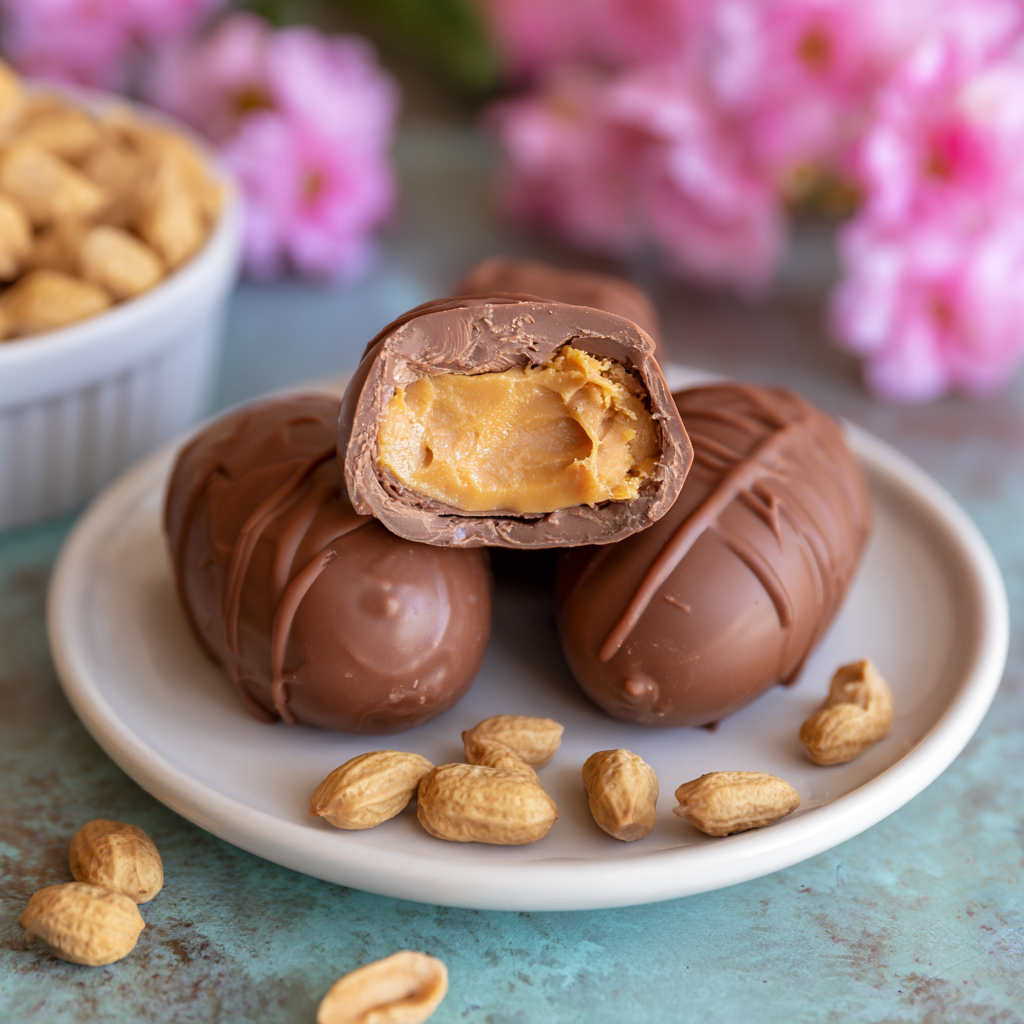
Craving that classic, irresistible combination of peanut butter and chocolate this Easter? Look no further! These homemade peanut butter Easter eggs are incredibly simple to make, require minimal prep time, and taste absolutely divine. They are perfect for holiday treats, thoughtful gifts, or a fun activity with the family, bringing joy and a nostalgic flavor to your spring celebrations.
Why You’ll Love These Homemade Peanut Butter Easter Eggs
- Simple Ingredients: You only need a few pantry staples to create these delightful treats.
- Quick to Make: With just about 15 minutes of active prep time, you’ll have delicious eggs ready in no time.
- Better Than Store-Bought: Enjoy the fresh, rich flavor that truly elevates these homemade peanut butter Easter eggs above anything from a package.
- Fun for Families: Get the kids involved in shaping and dipping for a memorable holiday activity.
- Customizable: Easily adapt the flavors and decorations for any occasion beyond Easter.
- Nostalgic Flavor: Recreate that beloved candy taste you remember from childhood with a homemade touch.
Ingredients for Homemade Peanut Butter Easter Eggs
Gather these simple ingredients to create your own batch of delicious homemade peanut butter Easter eggs:
- 1 cup creamy peanut butter
- 1/2 cup unsalted butter, softened
- 2 cups powdered sugar
- 1/4 teaspoon salt
- 1 teaspoon vanilla extract
- 2 cups milk chocolate (chips or chopped, for dipping)
Notes & Substitutions
For the peanut butter, creamy varieties work best for a smooth filling. Natural peanut butter can be used, but ensure it’s well-stirred and doesn’t separate too much, which might require a bit more powdered sugar to firm up the mixture. Regular, sweetened peanut butter offers a more traditional flavor. Unsalted butter adds richness and binds the filling; ensure it’s softened for easier mixing. You can experiment with alternative nut butters like almond or cashew butter if you prefer. Powdered sugar is crucial for the silky texture of the filling, as granulated sugar would make it gritty. Don’t skip the salt; it perfectly balances the sweetness and enhances the peanut butter flavor. While milk chocolate is classic, feel free to use dark chocolate for a richer flavor or white chocolate for a sweeter twist on your homemade peanut butter Easter eggs.
Equipment Needed
- Large microwave-safe bowl
- Spatula or whisk
- Electric hand mixer (optional, but makes mixing easier)
- Measuring cups and spoons
- Baking sheet
- Parchment paper or wax paper
- Chocolate dipping tools or a sturdy fork
Step-by-Step Instructions
Ready to make your own delightful homemade peanut butter Easter eggs? Follow these simple steps for a perfect batch.
Making the Peanut Butter Filling
First, combine the creamy peanut butter and softened unsalted butter in a large microwave-safe bowl. Microwave the mixture on high for 30-60 seconds, or until the butter is fully melted and the mixture is smooth when stirred. Stir thoroughly with a spatula or whisk to combine. A fundamental ingredient in confectionery, understanding the multifaceted role of salt in baking can significantly enhance flavor and texture. Add the salt and vanilla extract, mixing them in well. Gradually add the powdered sugar, about half a cup at a time, mixing until fully incorporated after each addition. The mixture will become thick and crumbly at first, then come together into a firm, pliable dough. Use your hands to finish mixing if needed.
Once the filling is ready, scoop about one tablespoon of the mixture at a time. Roll each scoop into a ball, then gently shape it into an egg form. The exact size and shape are up to you! Place the shaped eggs onto a baking sheet lined with parchment paper or wax paper. Chill the shaped peanut butter eggs in the refrigerator for at least 30 minutes. This step is crucial for helping them hold their shape during dipping.
Preparing the Chocolate Coating
While your peanut butter eggs are chilling, prepare the chocolate coating. Place your milk chocolate chips or chopped chocolate into a deep, microwave-safe bowl. Microwave the chocolate in short 30-second bursts, stirring well after each interval, until the chocolate is smooth and completely melted. Be careful not to overheat the chocolate, as it can seize.
Alternatively, you can use a double boiler method for melting the chocolate. Place a heatproof bowl over a saucepan of simmering water, ensuring the bottom of the bowl does not touch the water. Stir the chocolate continuously until it’s fully melted and smooth. This method provides more gentle, even heat and helps prevent scorching.
Dipping and Finishing the Eggs
Once your peanut butter eggs are thoroughly chilled and firm, remove them from the refrigerator. Using a dipping fork or a regular fork, carefully submerge one peanut butter egg into the melted chocolate. Ensure the entire egg is coated evenly. Gently lift the egg out of the chocolate, tapping the fork against the edge of the bowl to allow any excess chocolate to drip off.
Carefully place the dipped egg back onto the parchment-lined baking sheet. If your chocolate starts to thicken, re-warm it briefly in the microwave or over the double boiler until it’s smooth again. For an extra touch of decoration, you can drizzle extra melted chocolate over the set eggs with a spoon or a piping bag. Allow all the chocolate-coated eggs to set completely at room temperature or in the refrigerator before serving or storing. The chocolate should be firm to the touch.
Pro Tips for Perfect Peanut Butter Eggs
- Chill Thoroughly: Ensure your peanut butter filling is very cold before dipping. This prevents it from falling apart in the warm chocolate.
- Gloves for Shaping: Use food-safe gloves when shaping the peanut butter mixture to prevent stickiness and leave a smooth finish.
- Control Chocolate Temperature: Melt chocolate slowly and stir frequently to avoid scorching. Understanding the science behind chocolate’s consistency is key, as explained in an article about why melted chocolate turns grainy and how to prevent it. Overheated chocolate becomes thick and hard to work with.
- Work Quickly: Dip the homemade peanut butter Easter eggs one by one and move quickly to prevent the chocolate from cooling and hardening too much.
- Even Coating: Use a fork or dipping tool to ensure a thin, even layer of chocolate, allowing excess to drip off for a neat finish.
- Drizzle for Aesthetic: A contrasting chocolate drizzle adds a professional touch and visual appeal to your finished eggs.
- Experiment with Molds: For perfectly uniform shapes, press the peanut butter mixture into silicone molds (e.g., small egg-shaped molds) before chilling and dipping.
- Candy Thermometer: For tempering chocolate, a candy thermometer helps maintain the ideal temperature, ensuring a shiny, snap-off coating.
Serving, Storage, and Variations
Serve your delightful homemade peanut butter Easter eggs at room temperature for the best flavor and texture. The chocolate will be firm, and the peanut butter filling soft and creamy.
For storage, place the eggs in an airtight container. They can be kept at room temperature for up to 5 days, though a cooler pantry is ideal. If you want them to last longer, store them in the refrigerator for up to 2 weeks. For extended freshness, you can freeze them for up to 2 months. Thaw frozen eggs in the refrigerator overnight before serving.
Get creative with variations! Try using dark chocolate or white chocolate for dipping. Sprinkle with colorful Easter sprinkles, finely crushed nuts, or a dash of sea salt before the chocolate sets. Instead of eggs, shape the filling into small balls, bars, or other fun shapes. You can also mix mini chocolate chips directly into the peanut butter filling for an extra chocolatey surprise.
Nutrition Information
| Nutrient | Amount |
|---|---|
| Calories | 423 kcal |
| Carbohydrates | 42g |
| Protein | 6g |
| Fat | 29g |
| Saturated Fat | 13g |
| Trans Fat | 0.3g |
| Cholesterol | 20mg |
| Sodium | 147mg |
| Fiber | 3g |
| Sugar | 37g |
Frequently Asked Questions (FAQ)
Can I use different chocolate for coating?
Absolutely! Dark chocolate, white chocolate, or even a mix of milk and dark chocolate work wonderfully. Choose your favorite for these homemade peanut butter Easter eggs.
What if I don’t like peanut butter?
You can substitute the peanut butter with another smooth nut butter like almond butter or cashew butter. Always ensure the consistency of the filling is firm enough to shape.
What are the main ingredients for these eggs?
The core ingredients are creamy peanut butter, unsalted butter, powdered sugar, salt, vanilla extract, and milk chocolate for dipping. They are all easy to find.
Do I need to temper the chocolate?
Tempering chocolate gives it a beautiful shine and a firm “snap” when broken, also making it more shelf-stable. However, for a simple home recipe, simply melting and setting the chocolate works perfectly fine.
How long do these eggs last?
When stored in an airtight container, they last up to 5 days at room temperature, 2 weeks in the refrigerator, and up to 2 months in the freezer.
Can kids help make this recipe?
Yes, this is a fantastic recipe for kids! They can easily help with mixing the peanut butter filling, shaping the eggs, and even drizzling the final chocolate decorations.
Conclusion
These easy homemade peanut butter Easter eggs prove that making delicious holiday treats doesn’t have to be complicated. With simple ingredients and straightforward steps, you can create a batch of incredibly satisfying candies that everyone will adore. They’re a perfect addition to any Easter basket, dessert table, or simply as a special homemade snack. We encourage you to try making them this season – share your creations, comment on your favorite variations, and most importantly, enjoy every delicious bite!
Easy Homemade Peanut Butter Easter Eggs
Ingredients
Equipment
Method
- Combine the creamy peanut butter and softened unsalted butter in a large microwave-safe bowl. Microwave the mixture on high for 30-60 seconds, or until the butter is fully melted and the mixture is smooth when stirred. Stir thoroughly with a spatula or whisk to combine.
- Add the salt and vanilla extract, mixing them in well. Gradually add the powdered sugar, about half a cup at a time, mixing until fully incorporated after each addition. The mixture will become thick and crumbly at first, then come together into a firm, pliable dough. Use your hands to finish mixing if needed.
- Once the filling is ready, scoop about one tablespoon of the mixture at a time. Roll each scoop into a ball, then gently shape it into an egg form. Place the shaped eggs onto a baking sheet lined with parchment paper or wax paper. Chill the shaped peanut butter eggs in the refrigerator for at least 30 minutes. This step is crucial for helping them hold their shape during dipping.
- While your peanut butter eggs are chilling, prepare the chocolate coating. Place your milk chocolate chips or chopped chocolate into a deep, microwave-safe bowl. Microwave the chocolate in short 30-second bursts, stirring well after each interval, until the chocolate is smooth and completely melted. Be careful not to overheat the chocolate, as it can seize.
- Alternatively, you can use a double boiler method for melting the chocolate. Place a heatproof bowl over a saucepan of simmering water, ensuring the bottom of the bowl does not touch the water. Stir the chocolate continuously until it’s fully melted and smooth. This method provides more gentle, even heat and helps prevent scorching.
- Once your peanut butter eggs are thoroughly chilled and firm, remove them from the refrigerator. Using a dipping fork or a regular fork, carefully submerge one peanut butter egg into the melted chocolate. Ensure the entire egg is coated evenly. Gently lift the egg out of the chocolate, tapping the fork against the edge of the bowl to allow any excess chocolate to drip off.
- Carefully place the dipped egg back onto the parchment-lined baking sheet. If your chocolate starts to thicken, re-warm it briefly in the microwave or over the double boiler until it's smooth again. For an extra touch of decoration, you can drizzle extra melted chocolate over the set eggs with a spoon or a piping bag. Allow all the chocolate-coated eggs to set completely at room temperature or in the refrigerator before serving or storing. The chocolate should be firm to the touch.