Skip to content
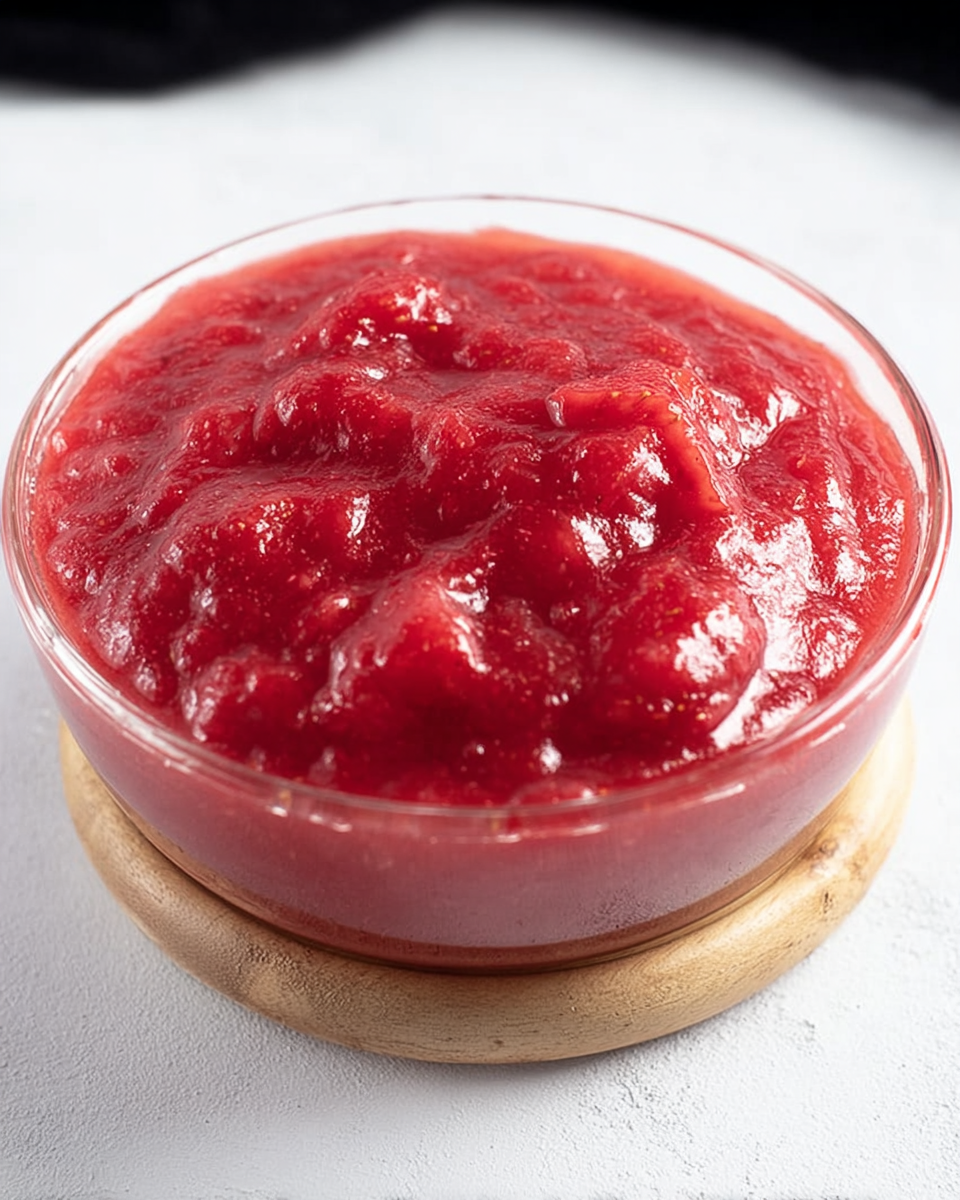
Welcome to your new favorite simple recipe! This Stewed Rhubarb with 3 Ingredients is incredibly easy to make, perfect for busy parents and beginner cooks. You only need fresh rhubarb, sugar, and water to create a versatile, sweet-tart compote. Enjoy this vibrant dish as a delicious dessert topping, a breakfast enhancer, or a sweet treat on its own. Embrace the seasonal appeal of rhubarb with this fuss-free recipe.
Why You’ll Love This Stewed Rhubarb
Making stewed rhubarb should be a joy, not a chore! This recipe ensures just that.
- Quick & Easy: Prep time is minimal, and it cooks in just 15 minutes. Perfect for when you need a speedy, homemade treat.
- Delightful Flavor: Enjoy the classic sweet-tart balance of rhubarb, enhanced by a touch of sweetness. It’s naturally vibrant and refreshing.
- Incredibly Versatile: Use it over yogurt, ice cream, pancakes, or as a filling for tarts. The possibilities are endless for this adaptable compote.
- Easy Customization: While simple, it welcomes extra flavors like citrus or spices if you feel adventurous. Make it your own with subtle tweaks.
- Beginner-Friendly: With only three main ingredients and clear steps, anyone can master this recipe. It’s a great introduction to cooking with fresh produce.
Ingredients
Crafting delicious stewed rhubarb starts with fresh, quality ingredients. We keep it super simple here!
- 500 gr (1 lb) Fresh Rhubarb: Look for firm, crisp stalks, either red or green.
- 120 ml (1/2 cup) Water: Essential for simmering and creating that luscious sauce.
- 80 gr (1/3 cup) White Sugar: Balances the rhubarb’s natural tartness beautifully.
- 1 Lime – Juice & Zest (optional): Adds a bright, citrusy lift to the finished dish.
Notes & Substitutions
You have flexibility with these basic ingredients. Fresh rhubarb stalks come in varying shades of red and green; both work wonderfully, though red stalks often yield a more vibrant color. For a different sweetness, try substituting the white sugar with honey, maple syrup, or a sugar alternative to taste. To introduce more zing, add a splash of lemon juice or extra lime zest. Warm spices like ground ginger, cardamom, or a pinch of cinnamon complement rhubarb beautifully. Feel free to mix in other fruits like sliced strawberries or apples during the last few minutes of cooking for a delightful fruit combination.
Equipment
Gathering your tools beforehand makes the cooking process smooth and enjoyable. You won’t need anything fancy for this simple recipe.
- Small/medium saucepan: A non-reactive pot is ideal for simmering.
- Cutting board and sharp knife: For safely preparing your rhubarb stalks.
- Stirring spoon or spatula: To mix ingredients and prevent sticking.
- Measuring cups and spoons: Ensure precise measurements for consistent results.
Instructions
Follow these easy steps to create your perfect stewed rhubarb. This recipe ensures a delicious outcome, even for first-time cooks!
- Prepare the Rhubarb: Begin by thoroughly washing your fresh rhubarb stalks under cool running water. Trim and discard the very bottom, tough ends of the stalks. Crucially, cut off and discard all rhubarb leaves entirely, as they are toxic and should never be consumed.
- Slice the Rhubarb: Lay the cleaned rhubarb stalks on your cutting board. Slice them into small, uniform pieces, about 1/2 to 1 inch (1.25-2.5 cm) thick. Uniform pieces help ensure even cooking.
- Combine Ingredients: Transfer the sliced rhubarb into a medium-sized saucepan. Add the measured water, white sugar, and the optional lime juice and zest. Stir everything together gently with your spoon until the rhubarb pieces are evenly coated.
- Start Simmering: Place the saucepan on your stovetop over low to medium heat. Bring the mixture to a gentle simmer. Do not boil vigorously; a slow simmer allows the rhubarb to break down gradually and flavors to meld.
- Cook Until Tender: Allow the rhubarb to simmer for about 15 minutes. During this time, the rhubarb pieces will soften significantly and begin to break apart, releasing their juices and creating a luscious sauce.
- Stir Occasionally: Stir the contents of the pot every few minutes. This prevents the rhubarb from sticking to the bottom of the pan and promotes even cooking. It also helps the sugar dissolve fully.
- Check Consistency: Your stewed rhubarb is ready once most of the rhubarb chunks have softened and transformed into a thick, syrupy sauce. You can choose your preferred consistency; simmer slightly longer for a smoother, thicker compote, or less for a chunkier texture.
- Cool Down: Remove the saucepan from the heat once you achieve the desired consistency. Let the stewed rhubarb cool down completely in the pot before transferring it. This cooling process helps it thicken further.
- Store Properly: Once fully cooled, transfer your homemade stewed rhubarb with 3 ingredients into a clean, sealed jar or airtight container. Keep it stored in the fridge for up to two weeks, ready to enjoy anytime.
Pro Tips & Troubleshooting
Making the best stewed rhubarb is simple with a few helpful pointers.
- Adjusting Sweetness: Taste your rhubarb compote after it cools slightly. If it’s too tart, stir in a little more sugar, honey, or maple syrup, one teaspoon at a time, until it reaches your desired sweetness.
- Consistency Control: For a thicker, more sauce-like consistency, simply simmer the rhubarb for a few extra minutes, allowing more water to evaporate. For a chunkier texture, reduce cooking time.
- Smooth Sauce: If you prefer a completely smooth rhubarb sauce, use an immersion blender directly in the pot, or transfer it to a regular blender once cooled. You can also strain it through a fine-mesh sieve for an extra-smooth finish.
- Stringy Rhubarb: If your rhubarb stalks are particularly thick or old, they might be stringy. Gently peel the tougher outer layers with a vegetable peeler before slicing to ensure a tender final product.
- Doneness Check: Rhubarb is perfectly cooked when it easily mashes against the side of the pot with a spoon. It should be soft and yielding, not firm.
- Avoid Overcooking: Cooking the rhubarb for too long can result in a very mushy texture and might diminish its fresh, bright flavor. Stop cooking as soon as it reaches your preferred level of tenderness.
- Rhubarb Leaves: Always remember to discard rhubarb leaves. It’s important to remember that rhubarb leaves are inedible. They contain oxalic acid, which is toxic to humans and should never be consumed. Only the stalks are safe to eat. You can learn more about the high concentration of oxalic acid in rhubarb leaves.
Serving Suggestions, Storage & Variations
Your versatile stewed rhubarb is ready to elevate countless dishes!
- Serving Ideas:
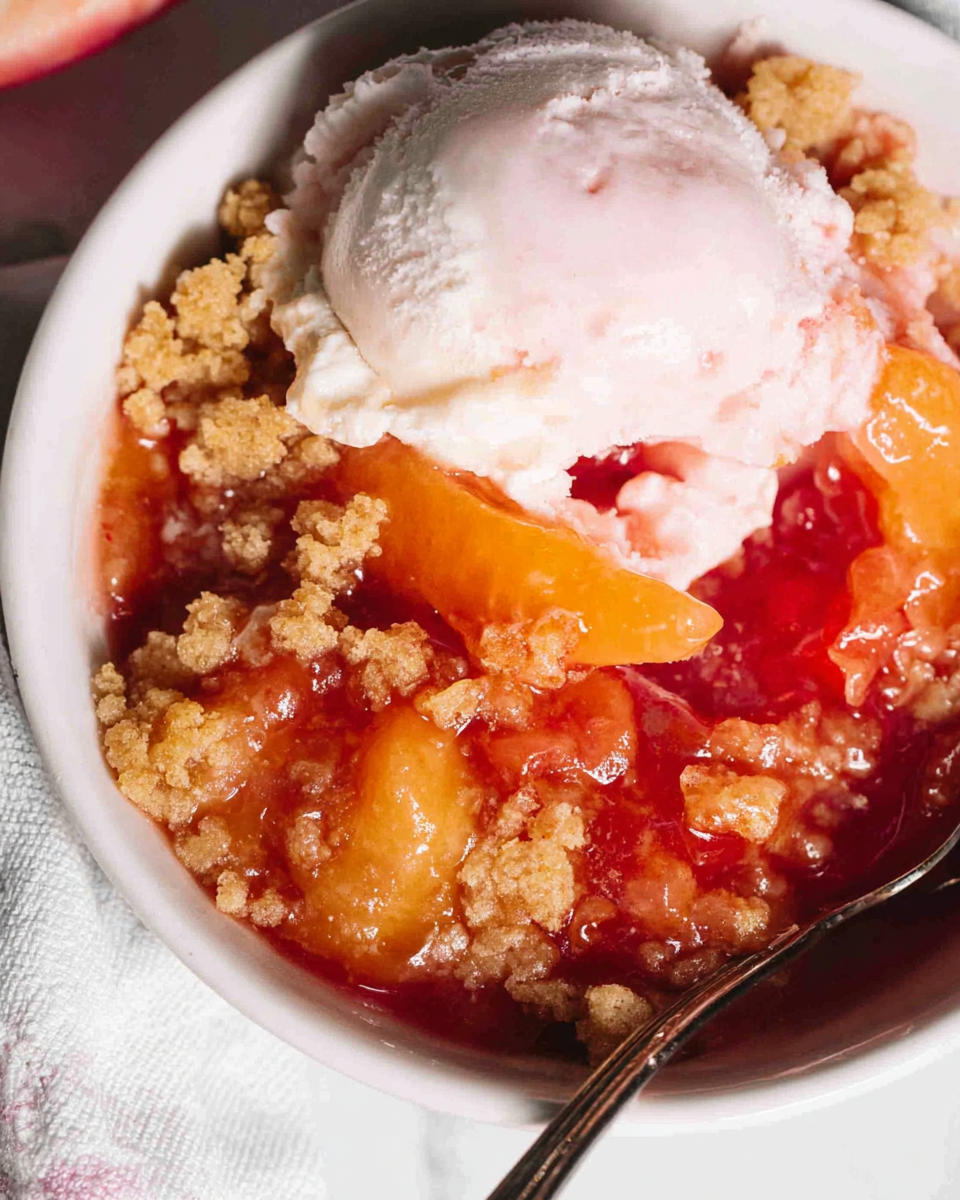
- Dollop generously over creamy Greek yogurt or a scoop of vanilla ice cream for a simple dessert.
- Use it as a delightful filling for small tarts, pastries, or to top a rich cheesecake.
- Serve warm alongside fluffy pancakes, crisp waffles, or French toast for a special breakfast.
- Stir it into your morning oatmeal, blend into smoothies, or sprinkle over homemade granola.
- Pair with fresh berries like strawberries or blueberries for an extra burst of fruit flavor.
- Storage:
- Allow your homemade stewed rhubarb to cool completely to room temperature before storing.
- Transfer it to an airtight container or a clean glass jar.
- Refrigerate for up to two weeks. The flavors often deepen over a day or two.
- Freezing:
- For longer preservation, portion the cooled stewed rhubarb into freezer-safe containers or bags.
- It lasts wonderfully for up to three months in the freezer.
- Thaw overnight in the refrigerator or gently reheat on the stovetop when ready to use.
- Variations:
- Stir in a teaspoon of pure vanilla extract after cooking for a comforting, warm note.
- Add a splash of orange liqueur, like Grand Marnier, at the end for an adult twist.
- Experiment with different fruit combinations; adding sliced peaches or cherries works beautifully.
Nutrition Information
| Nutrient | Amount (per serving*) |
|---|---|
| Calories | 120 kcal |
| Total Fat | 0 g |
| Saturated Fat | 0 g |
| Cholesterol | 0 mg |
| Sodium | 5 mg |
| Total Carb. | 30 g |
| Dietary Fiber | 2 g |
| Total Sugars | 27 g |
| Protein | 1 g |
| Vitamin K | 30% DV |
| Calcium | 5% DV |
Frequently Asked Questions (FAQ)
Here are some common questions about making this delightful stewed rhubarb.
- Can I use frozen rhubarb? Yes, you certainly can! Thaw frozen rhubarb completely before using, or simply add it frozen and increase the cooking time slightly until it breaks down.
- Should you peel rhubarb? You generally do not need to peel rhubarb unless the stalks are exceptionally thick or visibly stringy. Most of the beneficial fiber and color is in the skin.
- Can I make this recipe with no sugar? Absolutely! You can omit the white sugar and sweeten your stewed rhubarb with natural alternatives like honey, maple syrup, or a sugar substitute to your preference.
- Can I can or preserve it? This particular recipe, with its simple preparation, is not typically recommended for traditional canning methods due to pH levels. It’s best stored in the refrigerator or freezer for freshness.
- How do I know when rhubarb is ripe? Ripe rhubarb stalks are firm, crisp, and display a good color, ranging from deep red to lighter green. Avoid any soft or limp stalks.
Conclusion
You’ve discovered how incredibly simple it is to whip up this delicious Stewed Rhubarb with 3 Ingredients! This quick and easy recipe transforms humble rhubarb into a sweet and tangy compote, perfect for any occasion. Don’t let its simplicity fool you; the flavor is bright and satisfying. We encourage you to try making a batch today and enjoy this versatile stewed rhubarb in countless ways. Happy cooking!
Easy Stewed Rhubarb with 3 Ingredients
Ingredients
Equipment
Method
- Begin by thoroughly washing your fresh rhubarb stalks under cool running water. Trim and discard the very bottom, tough ends of the stalks. Crucially, cut off and discard all rhubarb leaves entirely, as they are toxic and should never be consumed.
- Lay the cleaned rhubarb stalks on your cutting board. Slice them into small, uniform pieces, about 1/2 to 1 inch (1.25-2.5 cm) thick. Uniform pieces help ensure even cooking.
- Transfer the sliced rhubarb into a medium-sized saucepan. Add the measured water, white sugar, and the optional lime juice and zest. Stir everything together gently with your spoon until the rhubarb pieces are evenly coated.
- Place the saucepan on your stovetop over low to medium heat. Bring the mixture to a gentle simmer. Do not boil vigorously; a slow simmer allows the rhubarb to break down gradually and flavors to meld.
- Allow the rhubarb to simmer for about 15 minutes. During this time, the rhubarb pieces will soften significantly and begin to break apart, releasing their juices and creating a luscious sauce.
- Stir the contents of the pot every few minutes. This prevents the rhubarb from sticking to the bottom of the pan and promotes even cooking. It also helps the sugar dissolve fully.
- Your stewed rhubarb is ready once most of the rhubarb chunks have softened and transformed into a thick, syrupy sauce. You can choose your preferred consistency; simmer slightly longer for a smoother, thicker compote, or less for a chunkier texture.
- Remove the saucepan from the heat once you achieve the desired consistency. Let the stewed rhubarb cool down completely in the pot before transferring it. This cooling process helps it thicken further.
- Once fully cooled, transfer your homemade stewed rhubarb with 3 ingredients into a clean, sealed jar or airtight container. Keep it stored in the fridge for up to two weeks, ready to enjoy anytime.