Skip to content
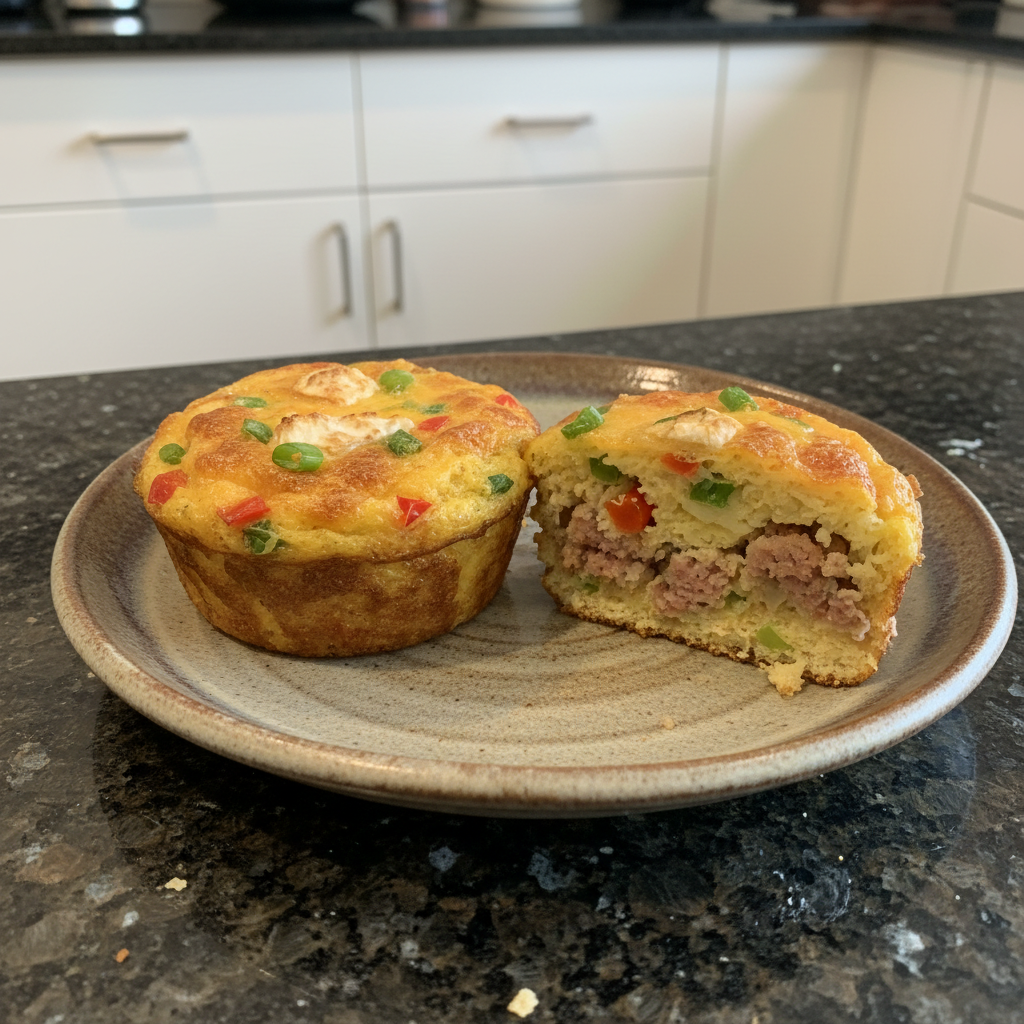
Mornings can be a whirlwind, but that doesn’t mean sacrificing a healthy, satisfying breakfast. If you’re anything like me, you crave something quick, packed with nutrients, and ready to go. That’s where high protein egg muffins become an absolute game-changer! I’ve been making these for years, perfecting a recipe that banishes dry, rubbery results and delivers consistently tender, flavorful egg cups perfect for your weekly meal prep. Get ready to discover my secret ingredient that ensures every bite is pure, fluffy perfection, making your busy mornings a delicious breeze. For another amazing make-ahead breakfast, you might also enjoy these fluffy keto egg breakfast cups.
Why You’ll Love This Recipe
My kitchen has seen its share of egg muffins—some wonderful, some… well, let’s just say they ended up a bit too rubbery for my liking. But through trial and error, I discovered a unique twist that transforms these high protein egg muffins into something truly special: a tiny bit of tapioca starch (or cornstarch).
The Scientific Magic: Just 1 teaspoon of tapioca starch, dissolved in 1 tablespoon of water or milk and whisked into the egg and cottage cheese mixture before blending, makes all the difference. This clever ingredient acts as a binder and thickener, absorbing excess moisture that eggs naturally release during baking and reheating. This prevents that common watery or rubbery texture and instead promotes a stable, light, and tender crumb structure. The result? Perfectly fluffy and tender egg muffins, every single time, even after reheating!
Quick & Convenient: These high protein egg muffins are designed for busy lives. They come together quickly and are ideal for meal prep, giving you healthy snacks or grab-and-go breakfasts all week long.
Family-Friendly & Customizable: From picky eaters to adventurous foodies, everyone loves these egg cups. They’re incredibly customizable, allowing you to tailor mix-ins to individual preferences, making them a true family favorite.
Healthy & Satisfying: Packed with protein and nutrient-rich ingredients, these egg muffins keep you feeling full and energized, making them a smart choice for any time of day.
Ingredients Needed

Gathering your ingredients is the first step to deliciousness. Here’s exactly what you’ll need for these fluffy high protein egg muffins:
- 2 tablespoons avocado oil
- 6 green onions, thinly sliced, green and white parts divided
- 1 small red bell pepper, chopped
- 7 ounces chicken sausages, chopped ((I like Applegate Organics or Whole Foods 365 brand))
- 1/4 teaspoon sea salt
- 1/2 teaspoon dried oregano
- freshly ground black pepper
- 2 cups baby spinach
- 8 large pasture raised eggs
- 1/2 cup cottage cheese ((I like Good Culture Lactose Free))
- 1/2 teaspoon kosher salt
- Freshly ground black pepper
- 1 cup shredded goat cheddar
- 1 teaspoon tapioca starch (or cornstarch)
- 1 tablespoon water or milk
Ingredient Notes & Substitutions
When I’m in my kitchen, I always think about how to make a recipe the best it can be, and often that comes down to smart ingredient choices and knowing your options!
Eggs: I always reach for pasture raised eggs. They’re not just richer in flavor; they’re also a nutritional powerhouse, offering more vitamins A, D, E, B, DHA, and choline, plus essential amino acids that fuel your body and mind.
Cottage Cheese: This is a secret weapon in my high protein egg muffins! It not only significantly boosts the protein content but, when blended, contributes to an incredibly fluffy, creamy texture through emulsification, preventing a dense final product. I personally love Good Culture Lactose Free for its quality. If you need dairy-free swaps, a splash of unsweetened almond milk can work, but you’ll lose some protein and may need to slightly adjust other liquids. For more ways to incorporate this versatile ingredient into your diet, explore other cottage cheese recipes for weight loss.
Chicken Sausage: For quality and flavor, I often use Applegate Organics or Whole Foods 365 brand chicken sausages. If chicken sausage isn’t your thing, feel free to substitute with cooked turkey sausage or even crumbled bacon.
Vegetables: The key to never-soggy high protein egg muffins is to sauté vegetables beforehand! This releases their excess moisture. Feel free to play with your veggies; broccoli, mushrooms, kale, or even a kick of jalapeño make wonderful additions. Any color bell pepper works beautifully in place of red bell pepper.
Cheese: Goat cheddar adds a lovely tang, but feel free to swap it out for shredded cheddar, Monterey Jack, or even some crumbled feta for a different flavor profile.
Tapioca Starch (or Cornstarch): This tiny addition is a game-changer. As mentioned, it’s the secret to that perfectly tender and pillowy texture that makes these high protein egg muffins stand out from the rest!

How to Make High Protein Egg Muffins
Let’s get cooking! This recipe is straightforward, but a few key steps ensure your high protein egg muffins are absolutely perfect.
1. Prep Your Muffin Tin
First, preheat your oven to 375°F. I highly recommend using a silicone muffin tin for easy release; it’s a lifesaver! If you’re using silicone, place it on a sturdy baking sheet before pouring any mixture in to prevent spills and make transfer to the oven easy. Give your muffin tin a good spray with avocado oil cooking spray and set it aside.
2. Sauté the Mix-ins
In a large skillet, heat 2 tablespoons of avocado oil over medium heat. Once it’s hot and shimmering, add the white parts of your green onions and the chopped red bell pepper. Sauté these for about 2 minutes, just until the veggies start to soften slightly.
Next, add the chopped chicken sausage, 1/4 teaspoon sea salt, 1/2 teaspoon dried oregano, and a generous grind of black pepper. Toss everything to combine. Cook, undisturbed, for about 3 minutes until the sausage starts to brown beautifully, developing that delicious Maillard reaction. Stir, and continue cooking until the sausage is browned on all sides. In the last minute of cooking, stir in the baby spinach, cooking just until it’s wilted. This is crucial: allow the mixture to cool completely before adding it to your muffin tin. This prevents any lingering heat from cooking the eggs prematurely, which can lead to soggy egg muffins.
3. Fill the Muffin Tin
Once your veggie and sausage mixture has cooled to the touch, spoon even amounts into each cup of your prepared muffin tin. This ensures every high protein egg muffin gets a balanced serving of delicious mix-ins.
4. Prepare the Egg Mixture (Incorporating the Twist!)
Now for the star of the show! In your blender, combine the 8 large pasture raised eggs, 1/2 cup cottage cheese, 1/2 teaspoon kosher salt, and another good grind of fresh black pepper. And here’s the magic: add your dissolved tapioca starch mixture (1 teaspoon tapioca starch dissolved in 1 tablespoon water or milk) to the blender at this stage. Blend until the mixture is beautifully fluffy and pale yellow, almost airy in consistency. It should look perfectly uniform and smooth.
5. Pour and Top
Carefully pour the fluffy egg mixture into the muffin tins, filling each cup almost to the top. Be mindful not to overfill, as these high protein egg muffins will rise quite a bit during baking. Finally, sprinkle the tops with 1 cup of shredded goat cheddar and the reserved green parts of your green onions for a fresh finish.
6. Bake to Golden Perfection
Transfer the muffin tin (still on its baking sheet!) to your preheated oven. Bake for 18-20 minutes. You’ll know they’re done when the tops are beautifully golden brown and the eggs are set but still look slightly tender. Ovens can vary, so feel free to bake for an additional 2-4 minutes if needed. Once baked, allow them to cool in the muffin tin for about 10 minutes before removing. This helps them set and prevents them from sticking.
7. Enjoy!
Serve your warm, fluffy high protein egg muffins on their own, or pair them with your favorite breakfast sides. Enjoy the fruits of your labor!
Nutritional Powerhouse & Customization
My high protein egg muffins are not just delicious; they’re also incredibly good for you, making them a smart choice for any meal plan. Plus, they’re so versatile!
Detailed Nutrition Facts
While exact nutritional content can vary based on your specific ingredients, each of these high protein egg muffins is a powerhouse of nutrients. They are rich in protein content from both the eggs and cottage cheese, which provides sustained energy and supports muscle health. Eggs are especially beneficial, packed with vitamins A, D, E, and B, DHA, choline, iron, folate, selenium, and all essential amino acids. The vegetables contribute valuable fiber and antioxidants, making these egg cups a truly nutrient-dense meal. They are excellent for meal prep, healthy snacks, and even provide crucial nutrients for postpartum meals.
Flavor Explorations & Mix-In Ideas
One of my favorite things about high protein egg muffins is how incredibly customizable they are! The base recipe is naturally gluten-free, and with a few smart swaps (like omitting cheese or using dairy-free cottage cheese alternatives), they can be adapted to be dairy-free as well.
- Classic Combos: Try a broccoli-cheddar blend, crispy bacon + cheddar, or a delightful spinach + feta.
- Spice it Up: Add a pinch of red pepper flakes or finely diced jalapeño for a kick.
- Different Veggies: Sautéed mushrooms, finely chopped kale, or asparagus tips would all be fantastic. Remember to sauté non-leafy vegetables first to prevent soggy egg muffins.
- Cheese Please: Experiment with different shredded cheeses like Gruyere, Monterey Jack, or a sharp white cheddar.
Mastering Texture: Preventing Dry or Rubbery Egg Muffins
There’s nothing more disappointing than biting into a dry or rubbery egg muffin. Over the years, I’ve honed my technique to ensure my high protein egg muffins are always tender and fluffy. Here are my top tips:
The Tapioca Starch Secret Revisited
This is my number one defense against dry or rubbery egg muffins! As I mentioned, that little bit of tapioca starch (or cornstarch) whisked into the egg mixture is magic. It absorbs excess moisture, creating a wonderfully tender, pillowy texture that makes these egg muffins incredibly forgiving, even if you slightly overbake them. It’s truly the secret to consistent tenderness.
Other Texture-Saving Tips
- Proper Pre-cooking of Veggies: Always sauté your vegetables thoroughly before adding them to the egg mixture. This releases their moisture, preventing not only soggy egg muffins but also ensuring a better overall texture in your final product.
- Avoid Overbaking: This is a major culprit for rubbery egg muffins. Keep a close eye on them; they should be golden on top and set, but still look moist and slightly tender. Overbaking dries out the delicate egg proteins.
- Cooling Completely: Allow your high protein egg muffins to cool completely before storing them. If you seal them up while warm, condensation can form, leading to a watery, unpleasant texture.
- Strategic Reheating: How you reheat your egg muffins makes a huge difference. I strongly advise against using the microwave, as it often turns eggs rubbery. Opt for the oven or a toaster oven for the best results, as detailed below.
Pro Tips & Troubleshooting
After countless batches of high protein egg muffins, I’ve gathered some insights to help you achieve perfection every time. Here are my best pro tips and common mistakes to steer clear of.
Pro Tips for Perfect Egg Muffins
- Silicone is Your Friend: Use a silicone muffin tin placed on a baking sheet. This makes for effortless release of your high protein egg muffins and contains any potential spills, making cleanup a breeze.
- Sauté Those Veggies: Always sauté your vegetables thoroughly before adding them to the egg mixture. This step is non-negotiable if you want to prevent soggy egg muffins.
- Don’t Overfill: Be careful not to overfill your muffin tins. The eggs will rise significantly during baking, and overfilling can lead to messy overflows and unevenly cooked muffins.
- Cool Completely Before Storing: For optimal freshness and texture, allow your egg cups to cool entirely before transferring them to an airtight container for storage.
- Reheat Smartly: For the best texture, always reheat your egg cups in a standard oven (350°F for 8-10 minutes) or a toaster oven (350°F for 5-7 minutes). Avoid the microwave!
- Freezing & Reheating: When reheating from frozen, add an extra 5-7 minutes to the baking time. Loosely cover them with foil for the first half of the reheating process to prevent over-browning.
- Embrace the Twist: Don’t skip the unique twist of adding dissolved tapioca starch to the egg mixture. It’s the key to achieving that unparalleled tender texture!
Common Mistakes to Avoid
- Not Sautéing Vegetable Mix-ins: This is the biggest offender for soggy egg muffins. Raw vegetables release too much moisture during baking.
- Overfilling Muffin Tins: This causes spills and can result in unevenly cooked high protein egg muffins as the eggs expand.
- Overbaking: Baking your egg muffins for too long is the quickest way to end up with a dry or rubbery texture. Keep an eye on them!
- Using the Microwave for Reheating: While convenient, the microwave often makes eggs tough and rubbery, detracting from the delicious texture you worked hard to achieve.
- Adding Warm Mix-ins: Always allow your cooked mix-ins to cool before combining them with the raw egg mixture. Warm mix-ins can start to cook the eggs prematurely.
Serving & Storage
My high protein egg muffins are incredibly versatile, fitting perfectly into so many meal scenarios. And with proper food storage, you can enjoy them all week long!
Serving Ideas
- On Their Own: For a quick, high-protein meal, these egg cups are fantastic just as they are.
- Complete Breakfast: Pair your high protein egg muffins with a side of fresh berries and a slice of sourdough toast for a truly satisfying high-protein breakfast.
- Healthy Snack: Grab one as a healthy snack whenever hunger strikes throughout the day. For another quick and healthy snack, consider making crispy air fryer zucchini.
- Garnish & Go: A sprinkle of extra green onions, a dash of your favorite hot sauce, or a few fresh herbs like parsley or chives can elevate them even further.
Storage, Make-Ahead & Freezing
These high protein egg muffins are a meal prep dream, especially with good food storage practices!
- Refrigeration: Once your egg cups have cooled entirely, store them in an airtight container in the fridge. They will last beautifully for about 5 days, making them perfect for your weekly meal prep.
- Freezing Egg Muffins: Yes, you can freeze eggs! For longer storage, allow your high protein egg muffins to cool completely. You can individually wrap each muffin in plastic wrap or layer them with small pieces of parchment paper in a freezer-safe airtight container. They freeze wonderfully for up to 2-3 months.
- Reheating Instructions:
- From the Fridge: For best results, use an oven baking or toaster oven method to maintain optimal texture. Preheat your standard oven to 350°F and warm on a parchment-lined baking sheet for 8–10 minutes, or until heated through. For a toaster oven, set it to 350°F and heat for 5–7 minutes.
- From Frozen: No need to thaw! When reheating from frozen, add an extra 5–7 minutes to the baking time. I also recommend covering them loosely with foil for the first half of the reheating to prevent any over-browning on the tops.
- Avoid the Microwave: I strongly advise against using the microwave for reheating high protein egg muffins, as it tends to make eggs tough and rubbery.
Conclusion
There you have it—my tried-and-true recipe for fluffy, never-dry high protein egg muffins! I truly believe this recipe will transform your meal prep game and make busy mornings a joy. The ease of preparation, combined with their incredible versatility and that reliably tender texture thanks to my unique tapioca starch twist, makes these egg cups an absolute kitchen essential. I encourage you to try different variations and serving ideas to make them truly your own. Don’t hesitate to print this recipe, share it with friends, and explore more delicious breakfast recipes right here on my blog. Happy cooking!
FAQ
I get a lot of questions about making the perfect high protein egg muffins, so I’ve compiled answers to the most common ones to help you succeed in your kitchen!
Why add cottage cheese to high-protein egg muffins?
Adding cottage cheese significantly boosts the protein content of your high protein egg muffins. When blended with the eggs, it also contributes to a wonderfully creamy, fluffy texture through emulsification, preventing a dense final product.
How do you prevent soggy egg muffins when meal prepping?
Several strategies are key: thoroughly sautéing your vegetables before adding them to the mixture to remove excess moisture, being careful not to overfill muffin tins, and crucially, incorporating the tapioca starch unique twist to absorb moisture during baking and reheating.
What are the best ways to store and reheat high-protein egg muffins?
Store cooled high protein egg muffins in an airtight container in the fridge for up to 5 days. For reheating instructions, I strongly recommend oven baking or a toaster oven (350°F) for optimal texture, providing specific times in the recipe. Always avoid the microwave, as it often makes eggs rubbery.
Can I customize the mix-ins in this high-protein egg muffin recipe?
Absolutely! Customization is encouraged. Try combinations like spinach + feta, broccoli-cheddar, bacon + cheddar, or a touch of jalapeño for a kick. Remember to sauté any non-leafy vegetables first.
What are the nutritional benefits of high-protein egg muffins?
High protein egg muffins are packed with protein content from eggs and cottage cheese, providing sustained energy. Eggs offer a wealth of vitamins A, D, E, B, DHA, choline, iron, folate, and selenium, plus essential amino acids. The added vegetables provide fiber and antioxidants, making them a truly nutrient-dense choice for breakfast recipes or healthy snacks.
What equipment is best for making fluffy egg muffins?
I recommend using a silicone muffin tin for easy release. A blender is essential for achieving that fluffy and uniform egg mixture, especially when incorporating cottage cheese and the tapioca starch unique twist.
Why are my egg muffins dry or rubbery, and how can I fix it?
Dry or rubbery egg muffins are typically caused by overbaking or reheating in the microwave. The tapioca starch unique twist is your primary solution for achieving a tender texture. Additionally, always use oven baking or a toaster oven for reheating to preserve their quality.
Can I freeze high-protein egg muffins for longer storage?
Yes, freezing eggs works wonderfully for meal prep! After cooling completely, individually wrap each muffin or layer them with parchment paper in a freezer-safe airtight container for up to 2-3 months. Reheat directly from frozen, adding extra time and covering loosely with foil for the first half of cooking.
Fluffy High Protein Egg Muffins: The Secret to Never-Dry Meal Prep
Ingredients
Equipment
Method
- First, preheat your oven to 375°F. Use a silicone muffin tin for easy release; place it on a sturdy baking sheet before pouring any mixture in to prevent spills. Give your muffin tin a good spray with avocado oil cooking spray and set it aside.
- In a large skillet, heat 2 tablespoons of avocado oil over medium heat. Add the white parts of your green onions and the chopped red bell pepper. Sauté for about 2 minutes, until the veggies start to soften slightly.
- Next, add the chopped chicken sausage, 1/4 teaspoon sea salt, 1/2 teaspoon dried oregano, and a generous grind of black pepper. Toss to combine. Cook, undisturbed, for about 3 minutes until the sausage starts to brown. Stir, and continue cooking until browned on all sides. In the last minute of cooking, stir in the baby spinach, cooking just until it’s wilted. Allow the mixture to cool completely before adding it to your muffin tin.
- Once your veggie and sausage mixture has cooled to the touch, spoon even amounts into each cup of your prepared muffin tin, ensuring a balanced serving of mix-ins.
- In your blender, combine the 8 large pasture raised eggs, 1/2 cup cottage cheese, 1/2 teaspoon kosher salt, and another good grind of fresh black pepper. Add your dissolved tapioca starch mixture (1 teaspoon tapioca starch dissolved in 1 tablespoon water or milk) to the blender. Blend until the mixture is beautifully fluffy and pale yellow, almost airy in consistency.
- Carefully pour the fluffy egg mixture into the muffin tins, filling each cup almost to the top. Sprinkle the tops with 1 cup of shredded goat cheddar and the reserved green parts of your green onions for a fresh finish.
- Transfer the muffin tin (still on its baking sheet!) to your preheated oven. Bake for 18-20 minutes. They're done when the tops are golden brown and the eggs are set but still look slightly tender. Allow them to cool in the muffin tin for about 10 minutes before removing.
- Serve your warm, fluffy high protein egg muffins on their own, or pair them with your favorite breakfast sides. Enjoy!