Skip to content
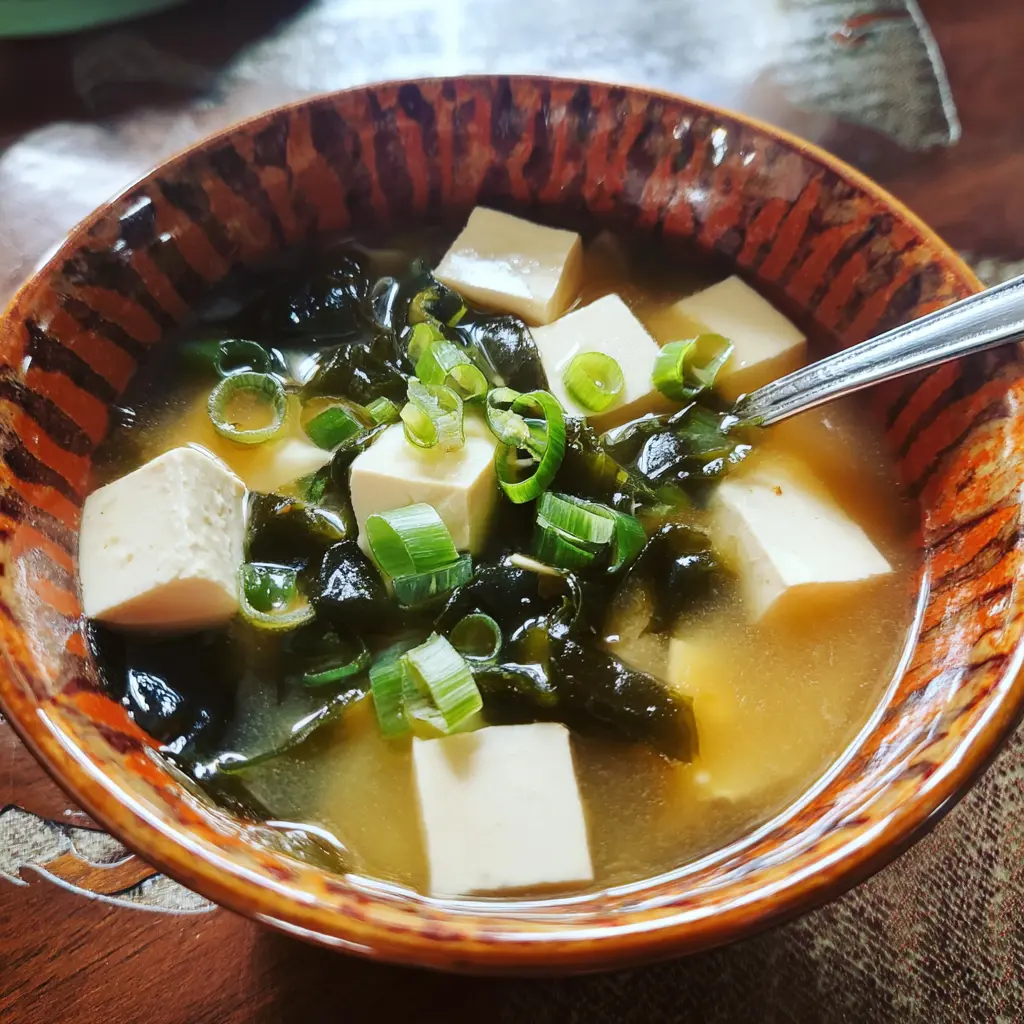
Discover the soul-warming goodness of a traditional miso soup recipe, crafted from scratch with homemade dashi. This classic Japanese staple offers a delicate balance of savory umami and comforting warmth. You will create a rich, flavorful broth that forms the perfect foundation for tender tofu, earthy wakame, and fresh scallions. Prepare to elevate your home cooking with this truly authentic experience.
Why You’ll Love This Miso Soup Recipe
This homemade miso soup recipe is more than just a meal; it’s a comforting ritual. You will appreciate the depth of flavor and simplicity.
- Authentic Flavor: Crafting dashi from scratch provides an unparalleled umami depth you simply cannot get from instant packets.
- Wholesome Ingredients: Fresh tofu, nutrient-rich wakame, and a good quality miso paste make this a healthy choice.
- Customizable: Easily adjust the strength of the dashi or the amount of miso to suit your personal preference.
- Digestive Benefits: Fermented miso paste supports gut health, making this a nourishing addition to any meal.
- Quick & Easy: Once dashi is prepared, assembling your delicious bowl of miso soup takes mere minutes.
Ingredients
Creating this authentic miso soup recipe starts with high-quality ingredients. Each component plays a vital role in developing the soup’s signature taste.
- 4 cups water
- 1 piece kombu (dried kelp) (⅓ oz, 10 g; 4 x 4 inches or 10 x 10 cm)
Note: Do not wipe kombu. The white powder is umami.
- 1 cup katsuobushi (dried bonito flakes) (packed; use loosely packed 3 cups for stronger flavor)
Note: These flakes provide a robust, smoky undertone to the dashi.
- 7 oz soft/silken tofu (kinugoshi dofu)
Substitution: Firm tofu works if you prefer a chewier texture.
- 4 Tbsp miso (use 1 Tbsp, 18 g for every 1 cup, 240 ml of dashi)
Note: White, yellow, or red miso each offer distinct flavors. Choose your favorite, or a blend.
- 1 Tbsp dried wakame seaweed
Note: Wakame expands significantly; a little goes a long way.
- 1 green onion/scallion
Substitution: Chives or even a sprinkle of toasted sesame seeds can substitute.
Equipment
You need only a few basic kitchen tools to prepare this traditional miso soup recipe.
- Medium saucepan
- Fine-mesh sieve or colander
- Small bowl
- Whisk or spoon
- Sharp knife and cutting board
Instructions
This traditional miso soup recipe guides you through making authentic dashi from scratch, ensuring a rich, umami-packed base. For those seeking a quicker option, using a dashi packet or powder is a convenient alternative. If you follow a vegan or vegetarian diet, simply prepare kombu dashi or a vegan dashi with kombu and dried shiitake mushrooms.
Prepare Ingredients
- Gather all necessary ingredients before you begin cooking.
- Cut the soft/silken tofu into ½-inch (1.25 cm) cubes. Set aside.
- Cut the green onion/scallion into thin rounds. Set aside for garnish.
- Rinse the dried wakame seaweed lightly under cold water. If it comes in large pieces, tear it into smaller, bite-sized fragments.
To Make the Dashi (Can Make in Advance)
- Add 4 cups of water and the kombu to a medium saucepan.
- Heat over medium-low heat. Do not boil. Remove the kombu just before the water boils (around 10 minutes), or when small bubbles appear along the edges. Overcooking kombu can make the dashi bitter.
- Bring the water to a gentle boil. Remove from heat immediately.
- Add the katsuobushi to the hot water. Let the bonito flakes steep for 2-3 minutes. Do not stir.
- Strain the dashi through a fine-mesh sieve or colander lined with cheesecloth into a clean bowl or back into the saucepan. Discard the spent katsuobushi.
Pro Tip: Gently squeeze the katsuobushi to extract remaining liquid, but do not press too hard, as this can release undesirable flavors.
To Make the Miso Soup
- Return the dashi to the saucepan. Heat the dashi over medium-low heat until warm, but do not bring it to a boil again.
- Place the miso paste in a small bowl. Add a few tablespoons of warm dashi from the saucepan to the miso.
- Whisk or stir the miso paste until it dissolves completely into a smooth paste. This prevents lumps in your soup.
- Carefully pour the dissolved miso mixture back into the saucepan with the dashi. Stir gently to combine.
Crucial Step: Do not boil the soup after adding miso, as high heat can destroy the delicate flavor and beneficial probiotics of the miso.
- Add the cubed tofu and rehydrated wakame seaweed to the soup. Simmer for 1-2 minutes, just enough to warm the tofu and allow the wakame to fully expand.
To Serve
- Ladle the hot miso soup recipe into individual serving bowls.
- Garnish each bowl generously with the thinly sliced green onions/scallions.
- Serve immediately as a comforting appetizer or a light meal.
To Store
- Store leftover miso soup in an airtight container in the refrigerator for up to 2-3 days.
Note: The tofu texture might change slightly upon refrigeration.
To Reheat the Miso Soup
- Gently reheat the miso soup on the stovetop over low heat. Do not let it boil.
- Alternatively, microwave the soup in a microwave-safe bowl until just warm. Again, avoid boiling.
What to do with the spent katsuobushi and kombu?
Do not discard them! The spent kombu can be sliced thinly and simmered in soy sauce and mirin to make Tsukudani, a savory condiment. The spent katsuobushi can be dried and used as a topping for rice or mixed into furikake, adding a subtle umami flavor.
Pro Tips & Troubleshooting
Achieving the perfect bowl of miso soup recipe is simple with a few helpful tips. These insights ensure a delicious result every time.
- Miso Quality Matters: Invest in good quality miso paste for the best flavor. Store it in the refrigerator.
- Never Boil Miso: Boiling miso destroys its beneficial enzymes and delicate flavor. Always add miso off the heat or at a very low simmer.
- Taste and Adjust: Miso’s saltiness varies. Start with less and add more to taste. Adjust to your preference.
- Prevent Cloudiness: Do not over-squeeze the katsuobushi when straining dashi; this can make your broth cloudy.
- Uniform Tofu: Cut tofu into uniform cubes so it cooks evenly and presents nicely in the bowl.
Serving Suggestions, Storage & Variations
This versatile miso soup recipe pairs wonderfully with a variety of Japanese dishes and offers easy modifications.
Serving Suggestions
- Serve as a classic accompaniment to rice, grilled fish, or teriyaki chicken for a complete Japanese meal.
- Enjoy it as a light and healthy breakfast or lunch, especially on cooler days.
- Pair with a simple salad dressed with a ginger-sesame vinaigrette.
Storage
- Store cooled miso soup in an airtight container in the refrigerator for up to 3 days. The flavor can deepen slightly overnight.
- For best texture, you can store the dashi and miso separately, combining and heating just before serving.
Variations
- Add Vegetables: Introduce thinly sliced mushrooms (shiitake, enoki), spinach, or daikon radish during the last few minutes of simmering.
- Protein Boost: Add small pieces of cooked chicken, shrimp, or thinly sliced pork to make it a heartier meal.
- Spicy Kick: A dash of togarashi (Japanese seven-spice blend) or a tiny bit of chili oil provides a pleasant heat.
- Noodle Soup: Add a small portion of udon or soba noodles for a more substantial soup.
Nutrition Information
This miso soup recipe offers a low-calorie, nutrient-rich option that is both satisfying and beneficial. It is packed with probiotics from the miso paste and minerals from the seaweed.
| Nutrient | Amount Per Serving (approx.) |
|---|---|
| Calories | 90 kcal |
| Protein | 7g |
| Fat | 3g |
| Carbohydrates | 8g |
| Sodium | 850mg |
| Fiber | 2g |
Note: Nutritional values are estimates and can vary based on specific brands and ingredient quantities.
FAQ
You might have questions about making this delightful miso soup recipe. Here are some common inquiries.
- Can I use instant dashi granules? Yes, for a quicker option, substitute homemade dashi with instant dashi granules according to package instructions. While convenient, the flavor won’t be as rich as dashi made from scratch.
- What type of miso should I use? White (shiro) miso is mild and slightly sweet, yellow (shinshu) miso is versatile, and red (aka) miso is stronger and saltier. Choose based on your preference for this miso soup recipe.
- Why can’t I boil the miso soup? Boiling destroys the delicate flavor, aroma, and beneficial probiotics of the miso paste. Always add miso at the end and keep the soup at a gentle simmer.
- Can I prepare dashi ahead of time? Absolutely. You can make dashi a day or two in advance and store it in an airtight container in the refrigerator. This saves time when you are ready to assemble the soup.
Conclusion
Mastering this traditional miso soup recipe allows you to bring an authentic taste of Japan right into your kitchen. From the delicate umami of homemade dashi to the comforting combination of tofu and wakame, every spoonful offers warmth and nourishment. This versatile and healthful soup is perfect for any meal, providing a simple yet profound culinary experience. Embrace the art of Japanese cooking and enjoy the satisfying results of this timeless dish.