Skip to content
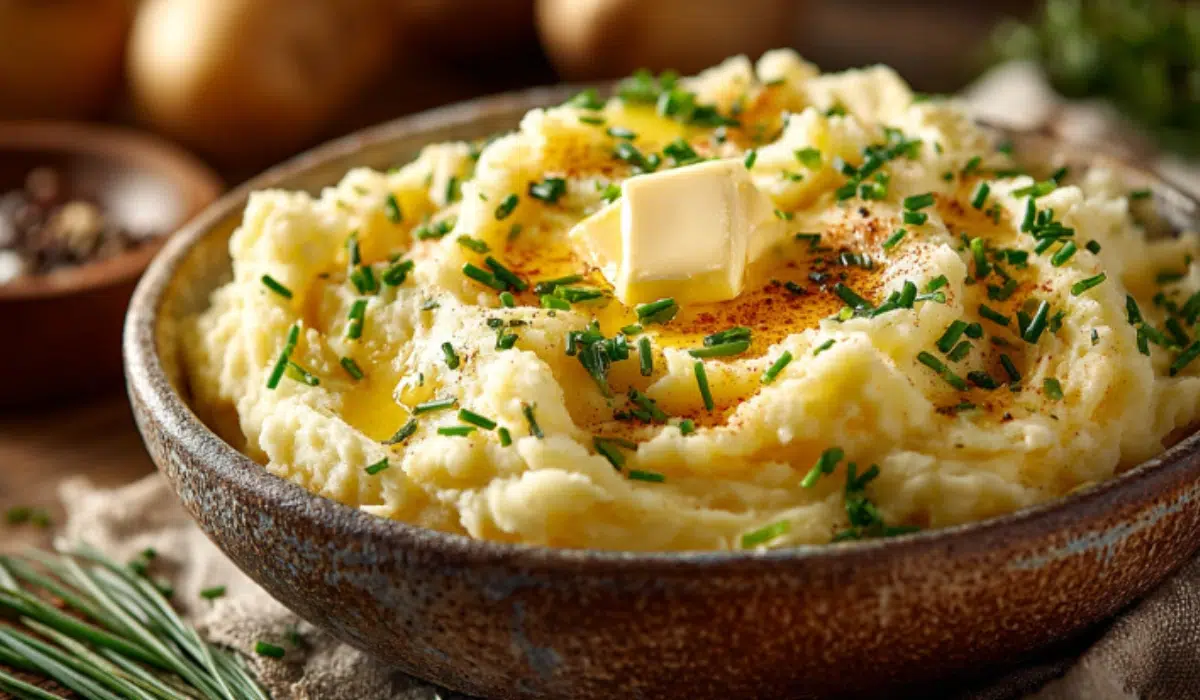
Few side dishes comfort quite like a bowl of creamy mashed potatoes. This version delivers everything you want rich flavor, silky texture, and that buttery finish that melts right into each bite. Whether it’s a weeknight dinner or a holiday table, these mashed potatoes come together easily with simple ingredients you probably already have. The trick? Just the right potatoes, warm dairy, and a touch of patience. Once you taste how smooth and flavorful they turn out, you’ll never reach for instant mix again.
Why You’ll Love This Recipe
- Quick and simple: You’ll go from peeling to plating in about 30 minutes.
- Everyday ingredients: Just potatoes, butter, milk, and salt nothing fancy, yet the flavor shines.
- Rich, creamy texture: Warm dairy and gentle mashing create that perfectly smooth consistency.
- Foolproof for any occasion: Great beside roast chicken, steak, or turkey dinner.
- Comfort in every bite: It’s the kind of homemade goodness that brings everyone back for seconds.
This recipe stands out for its simplicity, reliability, and the kind of warmth only real comfort food can deliver.
Mashed Potatoes
These classic creamy mashed potatoes are buttery, smooth, and full of flavor. Perfect for holidays or weeknight dinners, this foolproof recipe delivers restaurant-quality texture with simple, everyday ingredients.
4
servings10
minutes20
minutes257
kcalIngredients
- Ingredients
2 pounds russet or Yukon Gold potatoes, peeled and cut into chunks
3 cloves garlic (optional)
1 cup whole milk, warmed
2 tablespoons unsalted butter, softened
Salt and black pepper, to taste
- Optional Add-ins:
¼ cup sour cream or half-and-half for extra creaminess
Chopped chives or parsley for garnish
Directions
- Prep the Potatoes: Peel and cut potatoes into 1½-inch chunks. Rinse briefly under cold water to remove excess starch.
- Boil: Place potatoes in a large pot, cover with cold water, and add 1 tablespoon kosher salt per 2 quarts of water. Bring to a boil, then simmer until fork-tender (15–20 minutes).
- Warm Dairy: Heat milk and butter together over low heat until butter melts. Do not boil.
- Drain and Dry: Drain potatoes, then return to the pot. Let steam for 2–3 minutes to remove moisture.
- Mash: Mash using a potato masher or ricer until smooth.
- Add Dairy: Gradually pour in warm milk-butter mixture, mixing gently until creamy.
- Season: Taste and adjust with salt and black pepper.
- Serve: Transfer to a warm bowl, top with a pat of butter, and serve immediately.
Notes
- Potato Type: Yukon Gold gives a naturally buttery flavor, while Russet creates a fluffier mash.
- Dairy-Free Option: Substitute oat or almond milk and vegan butter for a lighter version.
- Make Ahead: Prepare 1–2 days in advance and reheat gently with a splash of milk.
- Avoid Gluey Texture: Don’t overmix mash only until smooth and creamy.
Nutrition Facts
- Calories: 257kcal
- Fat: 7g
- Saturated Fat: 4g
- Cholesterol: 18mg
- Sodium: 320mg
- Carbohydrates: 44g
- Fiber: 3g
- Sugar: 3g
- Protein: 6g
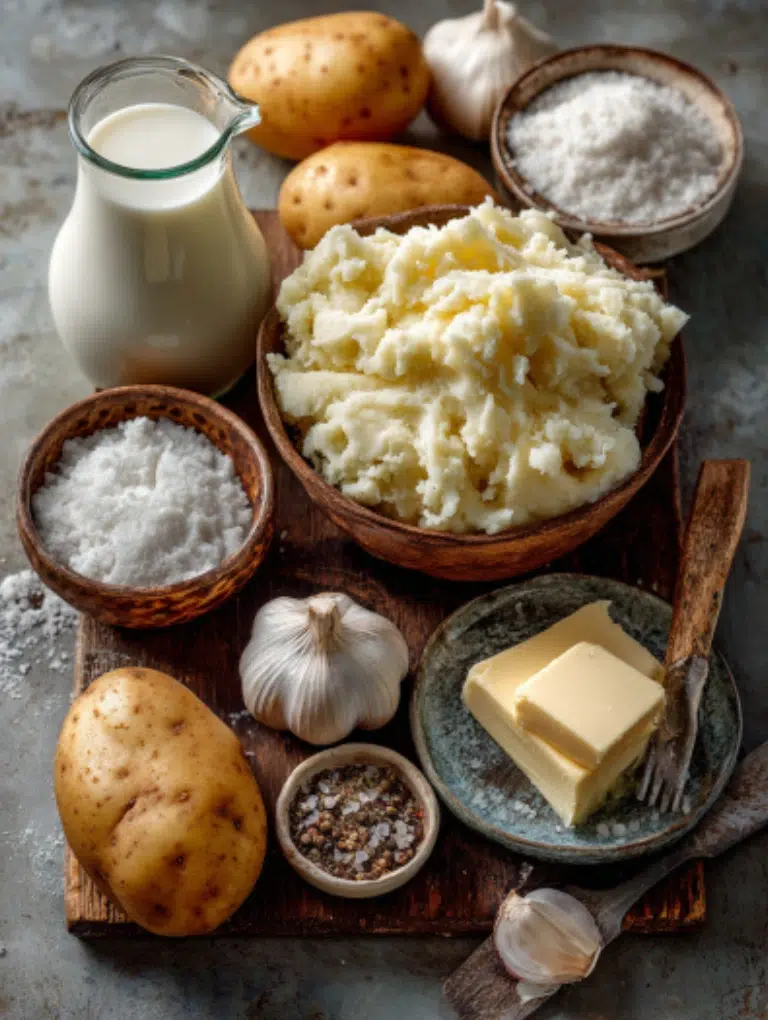
Ingredients Needed For Mashed Potatoes
For the Potatoes
- 2 pounds russet or Yukon Gold potatoes, peeled and cut into even chunks these varieties give the best balance of fluffiness and creaminess.
- 3 cloves garlic (optional) for a mild, savory undertone.
For the Creamy Base
- 1 cup whole milk, warmed warm dairy blends more smoothly into the potatoes.
- 2 tablespoons unsalted butter, softened adds richness and that signature silky texture.
- Salt and black pepper, to taste season generously; potatoes soak up salt.
Notes & Substitutions
- Potato choice: Yukon Golds make a naturally buttery mash, while russets give a fluffier finish.
- Dairy-free option: Swap milk for warm oat milk or unsweetened almond milk and use vegan butter.
- Extra creamy variation: Add a splash of half-and-half or sour cream for extra body.
- Garlic flavor: Roast the garlic first for a milder, sweeter note.
How to Make Mashed Potatoes
1. Prep the Potatoes
Peel and cut the potatoes into evenly sized chunks, about 1½ inches each. Even pieces cook at the same rate, so none end up underdone or mushy. Rinse the cut potatoes briefly under cold water to remove excess starch.
2. Boil Until Fork-Tender
Place the potatoes in a large pot and cover with cold water by about an inch. Add 1 tablespoon of kosher salt for every 2 quarts of water seasoning early makes a big difference. Bring to a boil over medium-high heat, then reduce to a simmer. Cook for about 15 to 20 minutes, or until a fork slides in easily.
3. Warm the Dairy
While the potatoes cook, combine the milk and butter in a small saucepan. Heat over low until the butter melts and the mixture is warm, not boiling. Warm dairy blends more smoothly and prevents the mash from seizing up or turning gluey.
4. Drain and Dry
Drain the potatoes well in a colander, then return them to the hot pot. Let them sit uncovered for 2 to 3 minutes to steam off excess moisture. This quick step keeps the texture fluffy instead of watery.
5. Mash Gently
Use a potato masher for a rustic texture or a potato ricer for a restaurant-smooth finish. Mash just until there are no lumps left overmixing makes the mash sticky.
6. Add Warm Dairy and Season
Slowly pour in the warm milk-butter mixture while mashing. Add it gradually until the potatoes reach your ideal creaminess. Taste and season with salt and black pepper. If you like a richer result, stir in a spoonful of sour cream or an extra pat of butter before serving.
7. Serve Hot
Transfer to a warm bowl and top with a small piece of butter or a sprinkle of chopped chives. Serve right away while still piping hot.
Pro Tips & Troubleshooting
Expert Tips
- Start with cold water: Always begin cooking potatoes in cold water so they cook evenly inside and out.
- Salt the water generously: Think of the boiling water as the first chance to season your potatoes from within.
- Use warm dairy only: Cold milk or butter can shock the starches, making the mash stiff or gluey.
- Mash while hot: Potatoes firm up as they cool, so mash them right after draining for the best texture.
- Finish with butter last: Stir in butter at the end to coat each particle and give that velvety finish.
Common Mistakes to Avoid
- Overmixing: Using a blender or mixer at high speed turns potatoes into glue.
- Not drying the potatoes: Skipping the steam-dry step leaves excess water, diluting flavor and texture.
- Under-salting: Taste as you go bland potatoes can’t be fixed later.
- Rushing the mash: Add dairy slowly; this helps control consistency and flavor.
Quick Trick
Keep mashed potatoes warm in a slow cooker on low heat for up to two hours, and keep them at a safe serving temperature per FoodSafety.gov. Add a splash of warm milk before serving to refresh the texture perfect for holiday timing.
Serving, Storage & Variations
Serving Ideas
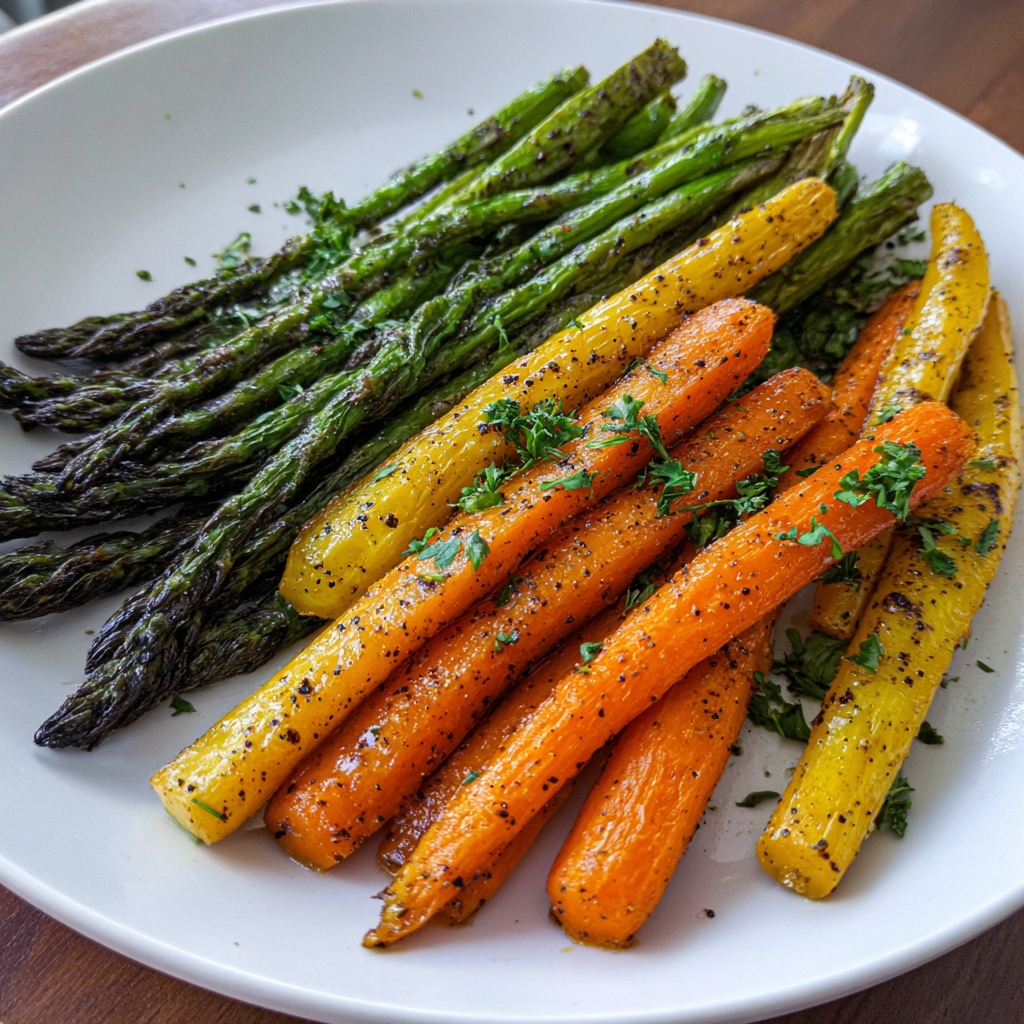
Mashed potatoes go with nearly everything, and creamy scalloped potatoes make a great second side for potato lovers. Pair them with roasted turkey, grilled steak, or baked chicken for a classic meal, and add Grandma’s Thanksgiving stuffing for that holiday spread. For a simple twist, swirl in a bit of gravy, sprinkle with chopped chives, top with crispy fried onions, or serve with glazed carrots for color.
Storage Guidelines
- Refrigerator: Cool completely before storing in an airtight container. They’ll stay fresh for 3 to 4 days, according to the USDA.
- Freezer: Freeze portions in sealed bags or containers for up to 2 months for best quality, per FoodSafety.gov. Flatten the bags for quick thawing.
- To thaw: Move to the fridge overnight, then reheat gently with a splash of milk or butter, or turn leftovers into crispy potato cheese balls.
Reheating Methods
- Stovetop: Reheat over low heat, stirring in a little warm milk or butter to revive the creaminess.
- Microwave: Heat in short intervals, stirring between bursts.
- Oven: Cover and warm at 300°F until hot throughout add a drizzle of cream before serving, per the USDA.
- Slow cooker: Ideal for gatherings; keep on “warm” and stir occasionally.
Recipe Variations
- Garlic mashed potatoes: Add roasted or sautéed garlic for a mellow, rich flavor.
- Sour cream and chive: Stir in ¼ cup sour cream and fresh chives for tang and color.
- Dairy-free: Substitute with oat milk and vegan butter for a lighter option.
- Extra rich: Mix in a spoonful of cream cheese for luxurious texture.
Nutritional Information
| Nutrient (per serving) | Amount |
|---|---|
| Calories | 257 |
| Protein | 6 g |
| Fat | 7 g |
| Saturated Fat | 4 g |
| Carbohydrates | 44 g |
| Fiber | 3 g |
| Sodium | 320 mg |
| Sugar | 3 g |
| Cholesterol | 18 mg |
These creamy mashed potatoes offer satisfying comfort without going overboard on calories. The starch in the potatoes provides slow, steady energy, while the butter and milk add richness and help your body absorb fat-soluble vitamins. For a lighter version, swap part of the butter for olive oil or use warm low-fat milk.
Tip: If you modify the ingredients, use online tools like Cronometer or MyFitnessPal to double-check nutritional values for your exact version.
Conclusion
Classic mashed potatoes never go out of style. They’re creamy, comforting, and always the first dish to disappear from the table. This recipe gives you dependable results every time smooth, rich, and full of flavor. Whether you’re serving a crowd or cooking a cozy dinner, it’s a side that always delivers warmth and satisfaction, and any leftovers make a cozy potato leek soup.
If you try this recipe, leave a comment and a star rating below your feedback helps others find it too.
And tell us, what’s your favorite twist on mashed potatoes? Do you add garlic, sour cream, or maybe a secret ingredient? Share your version in the comments!
Frequently Asked Questions (FAQ)
What are the best potatoes for mashed potatoes, Yukon Gold or Russet?
Both work beautifully. Yukon Golds yield a naturally buttery, creamy mash, while Russets create a lighter, fluffier texture. For a balance of flavor and structure, use half of each.
How much salt should I add to the water for boiling potatoes?
Use about 1 tablespoon of kosher salt per 2 quarts of water. This seasons the potatoes from the inside and prevents bland results.
How do I keep mashed potatoes from turning gluey?
Avoid overmixing. Mash just until smooth, and always add warm dairy cold milk or butter tightens the starch and makes potatoes gummy.
Can I make mashed potatoes ahead of time and reheat them?
Yes! Prepare them up to two days in advance. Store in the fridge and reheat gently with a little milk or butter. A slow cooker on “warm” works perfectly for serving, as long as you keep the potatoes at a safe hot-holding temperature per the USDA.
What is the difference between using a ricer and a masher?
A ricer gives the silkiest texture great for special occasions. A masher keeps a bit more texture and is faster for everyday dinners.
How can I make dairy-free mashed potatoes that still taste creamy?
Replace milk with warm oat milk or almond milk and use vegan butter. The key is keeping everything warm so it blends smoothly.
Can I freeze mashed potatoes, and how do I reheat them later?
Absolutely. Freeze in airtight portions for up to two months. Thaw overnight, then reheat with a splash of warm milk or butter to restore creaminess, and use within 2 to 3 months for best quality per FoodSafety.gov.