Skip to content
There’s nothing quite like the comforting embrace of a rich, aromatic curry, especially when you can whip it up right in your own kitchen without a pile of dishes. I’ve always loved the idea of bringing those complex, restaurant-quality Indian-inspired flavors home, and that’s exactly what my One-Pot Chicken Tikka Masala recipe delivers. Forget complicated steps and endless cleanup; this dish is your ticket to a deeply satisfying, easy weeknight meal that tastes like it simmered all day. Get ready to discover a simple yet profoundly flavorful method, thanks to a special technique that unlocks truly authentic tastes.
Why You’ll Love This Recipe
I know what you’re thinking: “One-pot and authentic flavor? Is that even possible?” I’m here to tell you, it absolutely is! My secret, and the unique twist that elevates this One-Pot Chicken Tikka Masala above the rest, is all about how we start.
- The Power of Whole Spices: Instead of just tossing in ground spices, we begin by blooming whole green cardamom pods, bay leaves, and a cinnamon stick in hot oil. This process, often called tempering or tadka, is a game-changer. The hot fat extracts the fat-soluble aromatic compounds from these whole spices, creating a foundational layer of complex, authentic flavor that ground spices alone can’t replicate. It sets the stage for a tikka masala that’s incredibly fragrant and deeply satisfying, all while keeping things in a single pot.
- Unparalleled Flavor Depth: Thanks to this spice-blooming technique, you’ll experience an incredibly rich and authentic taste. It’s that subtle complexity often missing in quicker versions, yet it’s entirely achievable right on your stovetop.
- Effortless One-Pot Wonder: The beauty of a one-pot recipe is undeniable. Everything cooks in a single pot, from sautéing the aromatics to simmering the creamy sauce, drastically cutting down on cleanup time.
- Creamy & Comforting Texture: I’ve got another trick for you: puréeing one can of diced tomatoes before adding it to the pot. This simple step creates an unbelievably silky, smooth, and milder sauce that clings perfectly to the chicken.
- Dietary Flexibility: This recipe is wonderfully adaptable. Whether you’re looking for a vegetarian option with chickpeas, exploring dairy-free possibilities with coconut milk, or adjusting for lower fat, this One-Pot Chicken Tikka Masala can easily fit your needs.
Ingredients Needed

Here’s everything you’ll need to create this incredibly flavorful One-Pot Chicken Tikka Masala:
- 3 Tbsp avocado oil ((or sub ghee if not vegan))
- 1 medium white or yellow onion, finely diced
- 1 Tbsp ground cumin
- 1 tsp sea salt ((DIVIDED // plus more to taste))
- 6 cloves garlic, minced ((6 cloves yield ~3 Tbsp))
- 2 Tbsp fresh minced ginger
- 1 medium red bell pepper, seeds and stems removed, halved then sliced lengthwise
- 1 ½ Tbsp minced green chili, stems and seeds removed ((use serrano or jalapeño))
- 1 boneless skinless chicken breast, cubed ((organic, pasture-raised when possible // if omitting chicken, double quantity of chickpeas))
- 1 Tbsp ground coriander
- 1/4 tsp red chili flake ((omit for less heat))
- 1 tsp ground turmeric
- 1 tsp smoked paprika
- 2 15-ounce cans diced tomatoes ((if unsalted, you’ll add more salt to the dish) BLEND ONE CAN FOR SMOOTHER TEXTURE)
- 1 15-ounce can chickpeas, slightly drained ((if omitting chicken, double quantity of chickpeas))
- 1 Tbsp garam masala* ((see notes for DIY blend))
- 1-2 Tbsp coconut sugar
- 1 14-ounce can full-fat coconut milk ((sub light coconut milk for less fat))
- White or brown rice ((or cauliflower rice or roasted sweet potatoes))
- Fresh cilantro, chopped
- Fresh jalapeño ((omit for less heat))
Ingredient Notes & Substitutions
Let’s dive a little deeper into these ingredients, offering some insights and ways you can customize your One-Pot Chicken Tikka Masala.
- Chicken: I’ve specified chicken breast, which works beautifully here when cubed and cooked properly. However, chicken thighs are also an excellent choice, offering more moisture and a slightly richer flavor. If using thighs, your cook time might vary slightly, but always aim for an optimal internal temperature of 165°F (74°C) to ensure safety and tenderness. For a vegan or vegetarian version, simply omit the chicken and double the quantity of chickpeas.
- Cooking Fat: I use avocado oil for its neutral flavor and high smoke point, making it a great dairy-free option. If you’re not dairy-free, ghee is a fantastic alternative. It’s clarified butter that adds a wonderful nutty depth characteristic of Indian cuisine.
- Onions: Both white onion and yellow onion are interchangeable in this recipe. They provide a sweet, aromatic base once finely diced and sautéed.
- Spices: This recipe calls for a vibrant blend of individual and whole spices. Ground cumin brings an earthy warmth, while ground coriander adds a delicate, citrusy note. Turmeric gives that signature golden color and subtle earthiness, and smoked paprika provides a lovely smoky depth. A pinch of red chili flake (or cayenne pepper) allows you to adjust the heat level. Finally, garam masala is a finishing spice blend, traditionally added towards the end of cooking. Its aromatic, spiced, and earthy flavor profile is key to tikka masala. You can make your own blend for ultimate freshness: combine 1 tbsp ground cumin, 1 ½ tsp ground coriander, 1 ½ tsp ground cardamom, 1 tsp black pepper, ½ tsp ground cinnamon, and ¼ tsp ground cloves.
- Tomatoes: My recipe calls for two cans of diced tomatoes, but here’s a crucial tip: purée one of the cans in a small blender before adding. This creates a much creamier sauce with a milder tomato flavor, reducing the concentrated acidity you sometimes get from diced tomatoes.
- Coconut Milk: Full-fat coconut milk is my go-to for its luxurious richness and creamy sauce texture. If you’re looking for a lower-fat option, light coconut milk can be substituted, though the sauce might be slightly less thick.
- Protein Options: As mentioned, chickpeas are a fantastic vegan/vegetarian alternative to chicken. They absorb the flavors beautifully and add a wonderful texture and protein boost.
- Heat Level: I’ve included minced green chili (serrano or jalapeño) and red chili flake. You have full control here! Omit them entirely for a mild curry, or increase the amounts for a bolder, spicier kick.

How to Make One-Pot Chicken Tikka Masala
Let’s get cooking! This method ensures maximum flavor with minimal effort.
1. Bloom the Spices & Sauté Aromatics
First, heat a large pot or Dutch oven over medium heat. Once hot, add your avocado oil (or ghee). This is where our unique twist comes in! Add 2-3 whole green cardamom pods (gently crush them slightly first to release their full aroma!), 1-2 bay leaves, and a small cinnamon stick. Let these whole spices bloom in the hot oil for 30-60 seconds. You’ll notice an incredibly fragrant aroma filling your kitchen – this means the oil is deeply infused with their fat-soluble aromatics. Next, add the finely diced onion, ground cumin, and one-third of the sea salt. Sauté for 2-3 minutes until the onion begins to soften and become translucent. Now, add the minced garlic, fresh minced ginger, sliced red bell pepper, and minced green chili. Stir well and continue to sauté for another 2-3 minutes, allowing these aromatics to soften and become fragrant.
2. Brown the Chicken & Build Flavor
Add your cubed chicken breast (or skip if making it vegetarian/vegan), along with the ground coriander, red chili flake (if using), ground turmeric, and smoked paprika. Stir everything thoroughly to coat the chicken and vegetables in the vibrant spices. Add another one-third of the salt. Sauté for 3 minutes, stirring frequently, until the chicken begins to lose its raw pink color and develops some light browning, building a robust flavor base.
3. Develop the Sauce
Now, it’s time for the tomatoes. Remember to purée one of the cans of diced tomatoes in a small blender before adding it to the pot for that wonderfully creamy sauce. Add both cans of tomatoes, the slightly drained chickpeas, garam masala, coconut sugar, and the remaining salt. Increase the heat to medium-high until the mixture reaches a rolling simmer. Then, reduce the heat to low or medium-low and maintain a gentle simmer, uncovered, for 15-20 minutes. Stir occasionally, allowing the sauce to thicken into a rich, stew-like texture. You’ll see the color deepen and the sauce beautifully meld.
4. Finish & Adjust Seasonings
Pour in the full-fat coconut milk and stir to combine. Continue to simmer for another 5 minutes on medium-low heat. This allows the coconut milk to fully incorporate and achieve that signature creamy consistency. Finally, taste your One-Pot Chicken Tikka Masala and adjust the seasonings as needed. This is your chance to make it perfect! Add more salt if necessary, a pinch of chili flake or cayenne pepper for more heat, coconut sugar for extra sweetness, a dash more cumin or paprika for smokiness, or additional garam masala for a more pronounced spiced and earthy flavor.
5. Garnish & Serve
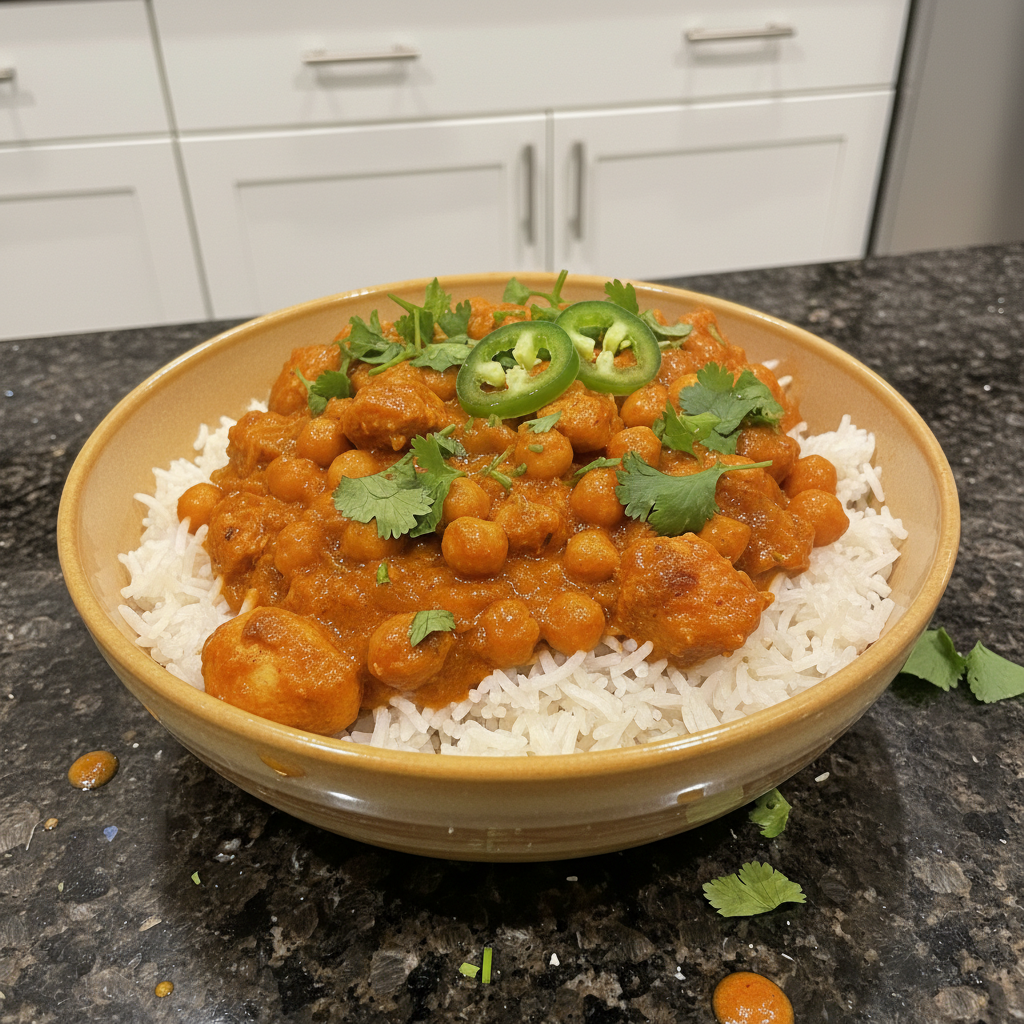
Garnish your deeply flavorful One-Pot Chicken Tikka Masala with fresh chopped cilantro and, if you like extra heat, some fresh jalapeño slices. It’s ready to be enjoyed as a hearty stew, or traditionally served over white rice, brown rice, or even lighter options like cauliflower rice or roasted sweet potatoes. Enjoy!
Mastering Your One-Pot Tikka Masala: Equipment & Technique
Getting this One-Pot Chicken Tikka Masala just right involves a few key choices in equipment and technique that truly make a difference.
Choosing the Right Pot: Dutch Oven vs. Large Pot
The “one-pot” magic heavily relies on the right vessel. I highly recommend using a **Dutch oven** for this recipe. Its heavy-bottomed construction and excellent heat retention properties are ideal for simmering curries. A Dutch oven ensures even heat distribution, preventing scorching and allowing the flavors to develop beautifully into that rich, stew-like texture we’re aiming for. If you don’t have a Dutch oven, a heavy-bottomed large pot will also work effectively. The key is “heavy-bottomed” to distribute heat evenly and prevent your delicious tikka masala from sticking and burning.
Ensuring Perfectly Cooked Chicken: Temperature & Tenderness
Nobody wants dry chicken in their curry! To ensure your cubed chicken breast (or thighs) remain tender and juicy, it’s crucial not to overcook them. Aim for an **optimal internal temperature of 165°F (74°C)**. While you’ll be simmering the chicken in the sauce, which helps keep it moist, keeping an eye on it during the initial browning phase is important. Visually, the chicken should be opaque throughout and show no pink. The one-pot simmering method is very forgiving, but avoiding excessive initial searing will prevent dry results.
Pro Tips & Troubleshooting
Even though this is an easy One-Pot Chicken Tikka Masala, a few expert tips can elevate it further, and knowing how to troubleshoot common issues will make you a confident curry master.
Pro Tips for a Deeply Flavorful Tikka Masala
- Embrace Whole Spices: Seriously, don’t skip the tempering of whole green cardamom pods, bay leaves, and cinnamon stick at the start. This unique twist builds an authentic, deeply flavorful foundation that ground spices alone can’t achieve.
- Purée Your Tomatoes: For that wonderfully creamy sauce and milder tomato flavor, always purée one of your cans of diced tomatoes before adding. It makes a huge difference in texture.
- Adjust Seasonings to Taste: The final taste test is crucial. Don’t be shy about adjusting salt, chili flake or cayenne for heat, coconut sugar for a touch of sweetness, a little more cumin or paprika for smokiness, or extra garam masala for a more spiced and earthy flavor.
- DIY Garam Masala: For the freshest, most aromatic garam masala, consider making your own blend using my suggested recipe in the ingredient notes.
- Prep Ahead: To make cooking even smoother, mince your garlic and ginger, and chop your onion and bell pepper in advance. This streamlines the cooking process.
- Don’t Rush the Sauté: Allow sufficient time for sautéing the aromatics and ground spices. This step is vital for building a deep, complex flavor base for your tikka masala.
Common Mistakes to Avoid
- Overly Tomatoey Sauce: A common mistake is using tomato sauce or purée without dilution. This can lead to an overly strong, sometimes acidic, tomato flavor that overpowers the delicate spices. Sticking to diced tomatoes (and blending one can) helps mitigate this.
- Lack of Flavor Depth: Not sautéing the aromatics and spices sufficiently is a pitfall. If you rush this step, you won’t build that essential, rich flavor base, resulting in a less vibrant curry.
- Dry Chicken: Overcooking the chicken is another common mistake. While the one-pot simmer helps, be mindful during the initial browning to ensure your cubed chicken remains tender and juicy.
- Watery or Broken Sauce: If your sauce seems watery, simply simmer it uncovered for a bit longer until it reduces and thickens to a stew-like consistency. If it looks excessively oily, you can gently skim off some of the excess oil from the top. If it becomes too thick, a splash of water or coconut milk can help bring it back to the perfect consistency.
Serving & Storage
Now that you’ve mastered your One-Pot Chicken Tikka Masala, let’s talk about enjoying it and making the most of any delicious leftovers!
Serving Suggestions
This One-Pot Chicken Tikka Masala is incredibly versatile and pairs wonderfully with a variety of sides. Here are some of my favorite ways to serve it:
- Classic Comfort: Serve generously over fluffy white rice or hearty brown rice to soak up all that incredible sauce.
- Grain-Free Options: For a lighter, grain-free meal, try it with cauliflower rice or alongside some sweet and savory roasted sweet potatoes.
- Fresh Garnishes: A sprinkle of fresh chopped cilantro is a must for a burst of freshness. If you love a little extra kick, a few slices of fresh jalapeño add a vibrant spicy note.
- For Scooping: Don’t forget some warm naan bread if you’re looking for that perfect vehicle to scoop up every last drop of the creamy sauce!
Storage and Make-Ahead Tips
This recipe is fantastic for meal prep! It tastes even better the next day as the flavors continue to meld.
- Refrigeration: Leftovers will keep beautifully. Simply transfer them to an airtight container and store in the refrigerator for up to 4-5 days.
- Freezing: This chicken tikka masala is also very freezer friendly! Once it has cooled completely, transfer it to freezer-safe airtight containers or heavy-duty freezer bags. It will keep well in the freezer for up to 1 month.
- Reheating Instructions:
- Stovetop: For best results, gently simmer the tikka masala over low heat in a pot, stirring occasionally, until heated through. If it’s too thick, add a splash of water or coconut milk to reach your desired consistency.
- Microwave: For smaller portions, microwave in intervals, stirring well between each to ensure even heating.
- Oven (for larger portions): Place the chicken tikka masala in an oven-safe dish, cover it, and bake at a low temperature (around 300°F/150°C) until thoroughly heated, stirring once or twice.
Conclusion
I hope you feel inspired to try this incredibly flavorful One-Pot Chicken Tikka Masala in your own kitchen. It truly brings together the best of both worlds: the unparalleled ease of a one-pot recipe and the deeply complex, authentic flavors of a traditional curry. That unique spice-blooming twist at the beginning is my secret to a truly deeply flavorful, creamy sauce that’s both satisfying and aromatic. This recipe is approachable for all skill levels, promising a delicious and comforting meal without the fuss. Don’t hesitate to experiment with the variations and serving ideas I’ve shared. Enjoy your culinary success!
FAQ
What is the difference between traditional and one-pot chicken tikka masala?
Traditional Chicken Tikka Masala often involves marinating and grilling or baking chicken separately before adding it to a slow-simmered, multi-layered sauce. My one-pot version streamlines this by cooking everything in a single pot on the stovetop, leveraging techniques like blooming whole spices and building layers of flavor directly in the pot, offering a quicker and easier path without sacrificing taste.
Can I make this chicken tikka masala vegetarian or vegan, and with different chicken cuts?
Absolutely! To make it vegetarian or vegan, simply omit the chicken and double the quantity of chickpeas. For chicken, while I use breast, chicken thighs can be used for more moisture and richness. Just ensure chicken is cooked to 165°F (74°C) internal temperature.
What are the best serving suggestions for one-pot chicken tikka masala?
This dish is fantastic served over white rice, brown rice, or for a lighter option, cauliflower rice. Roasted sweet potatoes also make a delicious pairing. Don’t forget to garnish with fresh cilantro and perhaps some fresh jalapeño for a pop of freshness and heat.
How long does homemade chicken tikka masala last in the fridge or freezer, and how should I reheat it?
Leftovers store well in an airtight container in the refrigerator for up to 4-5 days. It’s also freezer friendly for up to 1 month. Reheat gently on the stovetop over low heat, adding a splash of water or coconut milk if needed, or in the microwave/oven for larger portions.
How do I adjust the spice level and consistency of the sauce?
For more heat, increase the amount of fresh green chili, red chili flake, or add a pinch of cayenne pepper. To make it milder, reduce or omit these ingredients. If your sauce is too thin, simmer it uncovered for longer. If it’s too thick, stir in a splash of water or coconut milk.
What is the secret to a deeply flavorful tikka masala in one pot?
The secret lies in blooming whole spices like green cardamom, bay leaves, and a cinnamon stick in hot oil at the very beginning. This “tempering” step infuses the oil with rich, fat-soluble aromatics, creating a complex and authentic flavor base that ground spices alone cannot achieve.
What is Chicken Tikka Masala and where did it originate?
Chicken Tikka Masala is a popular curry dish consisting of roasted chunks of chicken (tikka) in a spiced sauce (masala). While its exact origin is debated, it is widely believed to have been developed in the United Kingdom by Bangladeshi chefs, combining Indian flavors with British preferences for a creamy, mildly spiced dish.
What is Garam Masala and can I make my own?
Garam Masala is a blend of ground spices common in Indian cuisine. It’s typically added near the end of cooking or as a garnish to impart a warm, aromatic flavor. Yes, you can make your own! A simple blend includes ground cumin, coriander, cardamom, black pepper, cinnamon, and cloves.
Is it necessary to blend one can of tomatoes?
While not strictly “necessary,” blending one can of diced tomatoes is a highly recommended pro tip for this recipe. It significantly contributes to a much creamier, silkier sauce texture and helps create a milder tomato flavor by reducing the concentrated acidity of unblended diced tomatoes.
Flavorful One-Pot Chicken Tikka Masala
Ingredients
Equipment
Method
- First, heat a large pot or Dutch oven over medium heat. Once hot, add your avocado oil (or ghee). Add 2-3 whole green cardamom pods (gently crush them slightly first to release their full aroma!), 1-2 bay leaves, and a small cinnamon stick. Let these whole spices bloom in the hot oil for 30-60 seconds. Next, add the finely diced onion, ground cumin, and one-third of the sea salt. Sauté for 2-3 minutes until the onion begins to soften and become translucent. Now, add the minced garlic, fresh minced ginger, sliced red bell pepper, and minced green chili. Stir well and continue to sauté for another 2-3 minutes.
- Add your cubed chicken breast (or skip if making it vegetarian/vegan), along with the ground coriander, red chili flake (if using), ground turmeric, and smoked paprika. Stir everything thoroughly to coat the chicken and vegetables in the vibrant spices. Add another one-third of the salt. Sauté for 3 minutes, stirring frequently, until the chicken begins to lose its raw pink color and develops some light browning.
- Now, it’s time for the tomatoes. Remember to purée one of the cans of diced tomatoes in a small blender before adding it to the pot for that wonderfully creamy sauce. Add both cans of tomatoes, the slightly drained chickpeas, garam masala, coconut sugar, and the remaining salt. Increase the heat to medium-high until the mixture reaches a rolling simmer. Then, reduce the heat to low or medium-low and maintain a gentle simmer, uncovered, for 15-20 minutes. Stir occasionally, allowing the sauce to thicken into a rich, stew-like texture.
- Pour in the full-fat coconut milk and stir to combine. Continue to simmer for another 5 minutes on medium-low heat. Finally, taste your One-Pot Chicken Tikka Masala and adjust the seasonings as needed. Add more salt, chili flake or cayenne pepper for more heat, coconut sugar for extra sweetness, a dash more cumin or paprika for smokiness, or additional garam masala for a more pronounced spiced and earthy flavor.
- Garnish your deeply flavorful One-Pot Chicken Tikka Masala with fresh chopped cilantro and, if you like extra heat, some fresh jalapeño slices. It’s ready to be enjoyed as a hearty stew, or traditionally served over white rice, brown rice, or even lighter options like cauliflower rice or roasted sweet potatoes. Enjoy!