Skip to content
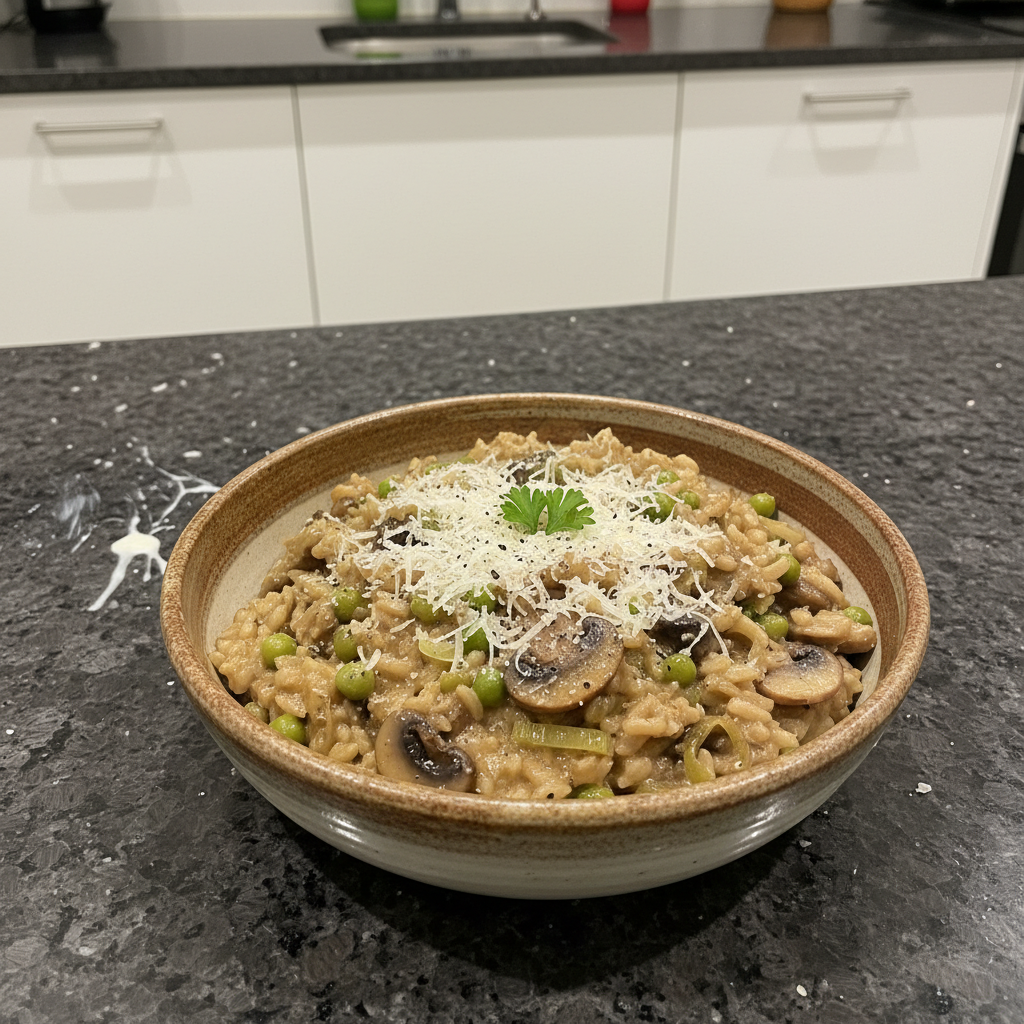
There’s nothing quite like a creamy, comforting bowl of risotto to make a weeknight feel special. But let’s be honest, the traditional method can feel a bit daunting for a casual evening meal. That’s why I’m so excited to share my go-to recipe for a truly exceptional One-Pot Mushroom Risotto. This isn’t just any risotto; it’s a uniquely flavorful version that brings gourmet taste right to your kitchen with incredible ease. We’re talking deep, savory notes and a vibrant finish, all cooked in a single pot. Get ready to elevate your dinner game!
Why You’ll Love This Recipe
I designed this One-Pot Mushroom Risotto recipe to deliver maximum flavor with minimal fuss, and it all comes down to a few clever twists that truly set it apart.
Deep Umami Boost: My secret weapon is infusing the vegetable stock with dried porcini mushrooms. These little powerhouses are packed with concentrated glutamates, which are the natural compounds responsible for that incredible savory umami taste. By rehydrating them in our stock, we create a dramatically deeper, more complex base that fresh mushrooms alone can’t quite achieve. It transforms the entire dish, adding a hearty, earthy richness.
Vibrant, Fresh Finish: While the porcini stock provides depth, the fresh herb-infused olive oil swirled in at the very end is pure magic. I love using a mix of parsley and chives, finely chopped and mixed with good quality olive oil. This aromatic drizzle provides a bright, peppery contrast that cuts through the richness of the creamy risotto, adding a much-needed lift and a beautiful freshness to every bite.
Weeknight Wonder: Beyond the amazing flavor, the one-pot method is a game-changer. It means less cleanup and a more streamlined cooking process, making this sophisticated dish totally achievable on a busy weeknight. It feels comforting, yet sophisticated, delivering a gourmet experience at home without all the usual fuss.
Ingredients Needed

Here’s what you’ll need to create this delicious One-Pot Mushroom Risotto:
- 11oz / 400g mushrooms (I’ve used brown mushrooms)
- 1 medium leek sliced
- 2-3 garlic cloves diced
- 2-3 tbsp olive oil
- 1 ½ cups arborio rice
- ½ cup dry white wine
- 6.5 cups heated vegetable stock
- 2oz / 50g parmesan cheese
- 1 cup frozen green peas
- Salt and cracked black pepper
- Red pepper flakes (optional)
Ingredient Notes & Substitutions
- Mushrooms: While I often use brown mushrooms (cremini), feel free to experiment with other varieties like shiitake, oyster, or a wild mushroom blend. To clean them, avoid rinsing directly under water as they can absorb moisture; instead, gently brush off any dirt with a damp cloth or a mushroom brush. For optimal browning and maximum flavor, slice them evenly to create more surface area.
- Leek: For this recipe, you’ll want to use only the white and light green parts of the leek, as the darker green tops can be tough. Be sure to slice the leek lengthwise, then rinse thoroughly under cold water to remove any hidden grit between the layers. If leeks aren’t available, a medium onion or a few shallots can be used as a substitute.
- Arborio Rice: This specific Italian rice is crucial for a truly creamy risotto. Its high starch content is what gets released during the slow cooking and stirring process, creating that signature luscious texture we all love.
- Dry White Wine: A crisp, unoaked white wine like a Sauvignon Blanc or Pinot Grigio works beautifully here, adding a touch of acidity and complexity. If you prefer to cook without alcohol, a good squeeze of lemon juice or an equal amount of extra vegetable stock can be used instead.
- Vegetable Stock: It’s vital to use heated vegetable stock throughout the cooking process to maintain the risotto’s temperature and ensure even cooking. This is also where our unique twist comes in: for a deeper umami base, rehydrate about 1/4 cup of dried porcini mushrooms in one cup of your heated stock for 20 minutes. Strain the liquid back into your main stockpot, and finely chop the rehydrated porcini to add to the risotto alongside the fresh mushrooms.
- Parmesan Cheese: For the best flavor, I recommend using freshly grated Parmigiano Reggiano. If you’re looking for vegan alternatives, plant-based parmesan shreds or a few tablespoons of nutritional yeast can work well. Pecorino Romano is another salty, savory cheese that makes a great substitute.
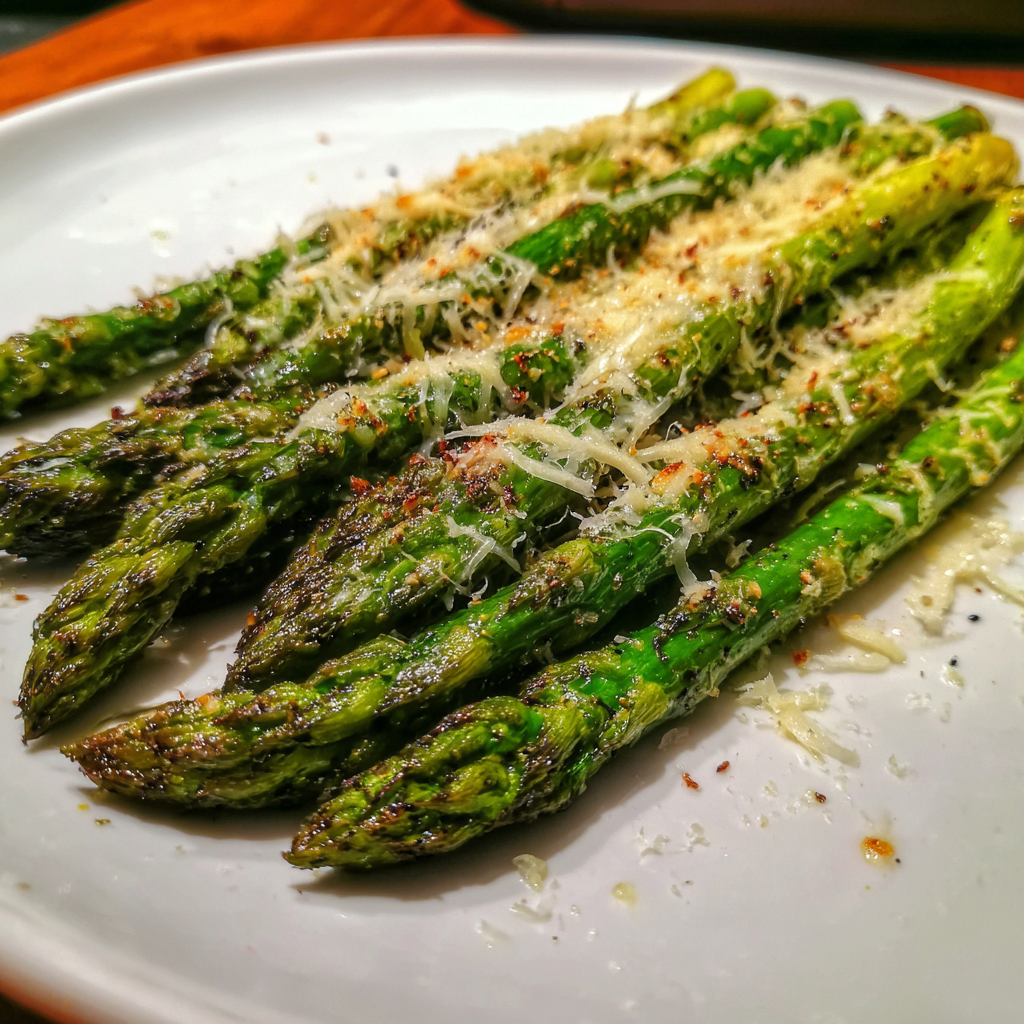
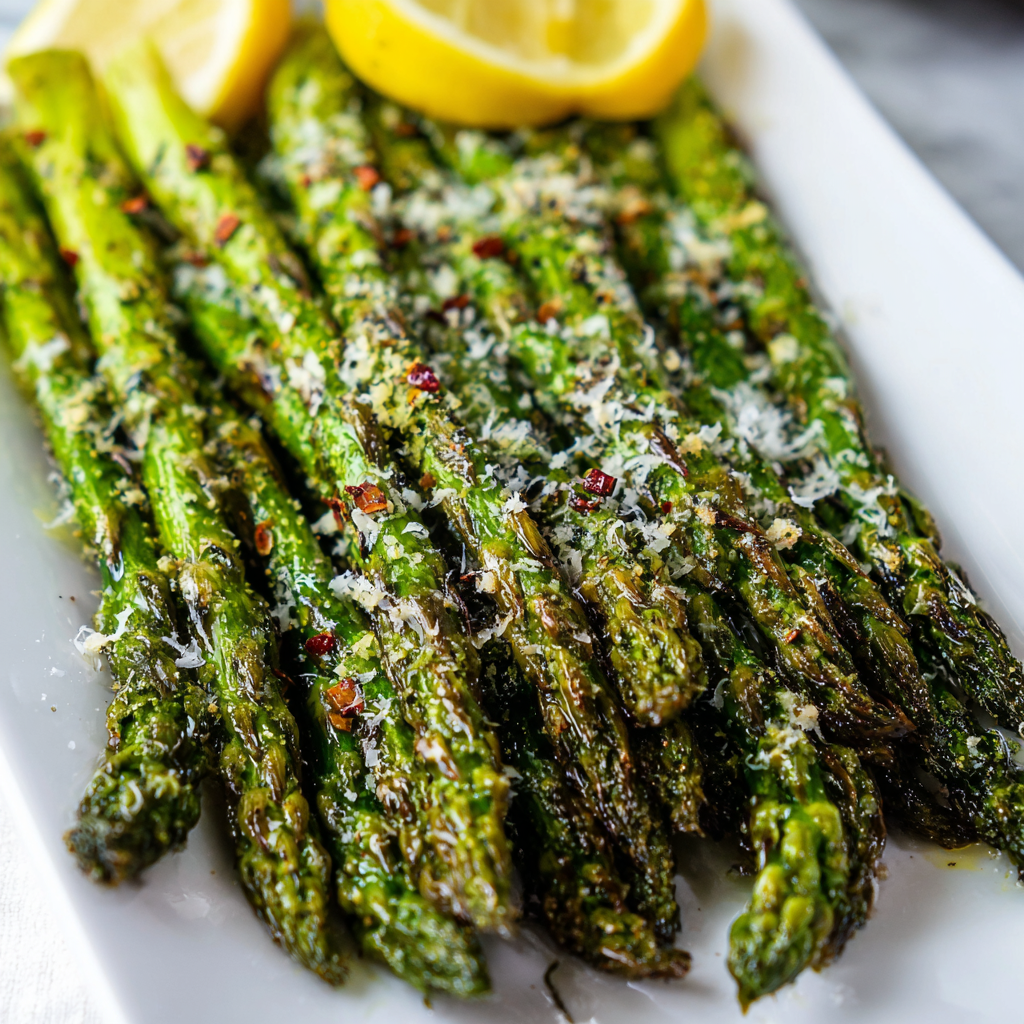
- Green Peas: These add a lovely pop of color and sweetness. However, feel free to swap them out for other quick-cooking vegetables like fresh spinach (stir in at the very end until wilted), tender asparagus tips (add in the last 5 minutes of cooking), or finely chopped kale (add with the last ladle of stock).

How to Make One-Pot Mushroom Risotto
Let’s get cooking! Follow these steps for a perfectly creamy, umami-rich One-Pot Mushroom Risotto.
Prep Your Ingredients
First things first, gather and prepare all your ingredients. Slice your mushrooms, making sure they’re not too thick, and dice your garlic. If you’re using dried porcini for the umami boost, start rehydrating them now: place about 1/4 cup of dried porcini in one cup of your heated vegetable stock. Let them soak for about 20 minutes, then strain the liquid back into your main stockpot and finely chop the rehydrated porcini.
Sauté Mushrooms for Deep Flavor
In a wide, heavy-bottomed pan (like a Dutch oven or a 10-12 inch sauté pan), add about 1-2 tablespoons of olive oil over high heat. You want the oil shimmering vigorously, almost at its smoking point (usually a burner setting of 8-9 out of 10). Add your sliced mushrooms. Now, here’s an expert tip: do not add salt yet! This prevents them from releasing too much water and helps them brown beautifully. Sauté until the mushrooms are deeply golden brown and have developed a rich color, indicating the Maillard reaction has occurred, which creates incredible umami. Once browned, season with salt and pepper, then remove them from the pan and set aside.
Build Your Aromatics
In the same pan, add another tablespoon of olive oil if needed, then add the sliced leek (remember to use only the white and light green parts, thoroughly cleaned). Sauté for a few minutes until they begin to soften. Add the diced garlic and sauté for another minute until fragrant – you’ll smell its sweet aroma filling your kitchen.
Toast the Rice
Keep the saucepan over medium heat (where liquids bubble gently, typically a burner setting of 4-6 out of 10). Add the arborio rice and sauté for about 2-3 minutes. Stir constantly until the edges of the rice grains become translucent and you detect a subtle, nutty aroma. Toasting the rice this way helps it maintain its structure and prevents it from becoming mushy later on.
Deglaze with Wine (and Umami)
Pour in the dry white wine (or your chosen alcohol-free alternative). Stir continuously until almost all the liquid has evaporated. At this point, if you rehydrated porcini mushrooms, stir in the finely chopped porcini along with your first ladle of stock.
Gradually Add Stock & Stir
Add one ladle (about 1/2 cup) of your heated, porcini-infused vegetable stock to the rice. Stir slowly and continuously. Allow the rice to absorb most of the liquid before adding the next ladle. This gradual addition and constant stirring are key to coaxing out the starches from the arborio rice, creating that signature creamy texture. Season well with salt and black pepper throughout this process, tasting as you go.
Check for Al Dente Doneness
Continue the process of slowly stirring and adding stock. After about 15 minutes, or when you’re close to the end of your stock, it’s time to taste the rice. It should be al dente – firm to the bite but cooked through, with no raw or hard crunch in the center. If it’s still crunchy, continue adding stock ladle by ladle, stirring until the desired creamy, al dente consistency is reached. Don’t be afraid to taste often!
Final Touches & Peas
Once the rice is perfectly al dente, grate in the parmesan cheese and stir it through. If the risotto feels too thick, add a final splash of hot stock to achieve your desired creaminess. Stir in the frozen green peas along with your previously sautéed mushrooms and allow everything to cook together for just about a minute, until the peas are warmed through.
Serve with Unique Finish
Your beautiful One-Pot Mushroom Risotto is ready! Serve immediately in warm bowls with extra grated parmesan cheese, freshly cracked black pepper, and an optional sprinkle of red pepper flakes for a little kick. And here’s the final, crucial twist: swirl in a generous drizzle of your fresh herb-infused olive oil (parsley, chives) over each serving. This adds an incredible burst of brightness and an aromatic finish that perfectly contrasts the rich, creamy, and umami-packed risotto. Enjoy your comforting, gourmet meal!
Achieving Perfect Risotto: Essential Prep & Pan Choice
Mastering risotto goes beyond just following steps; it’s about understanding the foundational techniques. Here’s how to ensure success with your One-Pot Mushroom Risotto.
Prepping Your Mushrooms for Maximum Flavor
- Cleaning Techniques: To prevent waterlogging, avoid rinsing mushrooms directly under the tap. Instead, gently wipe them clean with a damp paper towel or use a soft mushroom brush to remove any dirt. This ensures they can properly brown and develop flavor.
- Optimal Slicing: Slice your mushrooms into even pieces, aiming for a thickness of about 1/4 inch. This provides maximum surface area for proper browning and allows them to release their savory umami flavors effectively, rather than steaming in the pan.
- Why Browning Matters: Achieving a deep golden-brown sear on your mushrooms is essential. This is the Maillard reaction at work, a chemical process that creates hundreds of new flavor compounds, contributing significantly to the rich, savory, and complex taste profile of your mushroom risotto.
The Right Pan Makes All the Difference
- Recommended Pan Size: For a successful “one-pot” mushroom risotto, I recommend using a wide, heavy-bottomed pan or a Dutch oven that’s about 10-12 inches in diameter. The wide surface area is crucial for even heat distribution and allows the liquid to evaporate efficiently, ensuring the rice cooks evenly without becoming mushy.
- Material: Materials like stainless steel or enameled cast iron are excellent choices because they retain heat well and distribute it evenly, which is vital for the slow, consistent cooking of risotto.
Mastering Heat Control
- “High Heat” Defined: When a recipe calls for high heat, especially for searing, it means your oil should be shimmering vigorously, almost at its smoking point. On most stovetops, this corresponds to a burner setting of 8-9 out of 10. This intense heat is necessary to achieve that quick, deep browning on your mushrooms, locking in their flavor.
- “Medium Heat” Defined: Medium heat is where you’ll spend most of your time cooking the risotto. Visually, for liquids, it means a gentle, steady bubbling, not a rolling boil. For aromatics, it means a steady sautéing without burning. This typically corresponds to a burner setting of 4-6 out of 10. It allows for slow, steady absorption of the stock by the rice, which is key for developing creaminess.
Pro Tips & Troubleshooting
Even seasoned chefs learn new tricks! Here are my top tips and common pitfalls to help you achieve risotto perfection every time.
Pro Tips for a Perfect Risotto
- Hot Stock is Key: Always ensure your vegetable stock is heated (and ideally infused with porcini!) before adding it to the risotto. Adding cold stock will drastically lower the pan’s temperature, shocking the rice and hindering the creamy texture development.
- Slow & Steady Wins the Race: Resist the urge to dump in all the stock at once. Add one ladle at a time, stirring slowly and consistently. Wait for most of the liquid to be absorbed before adding more. This controlled process is how the rice releases its starches, creating that signature creamy texture.
- Taste, Taste, Taste: Don’t just follow the clock. Continuously taste the rice towards the end of cooking to ensure it’s “al dente” – firm to the bite but cooked through. This is the most reliable way to achieve perfect texture.
- Mushroom Browning Mastery: Sauté mushrooms on high heat and *do not add salt* until they are almost fully cooked and browned. Salting too early draws out moisture, preventing them from browning properly and leading to rubbery mushrooms.
- The Finishing Swirl: Don’t skip the fresh herb-infused olive oil at the end! It’s essential for adding a burst of brightness and fresh aroma that beautifully contrasts the rich, umami flavors of the risotto.
Common Mistakes to Avoid
- Salting Mushrooms Too Early: As mentioned, this is a common trap. Early salting makes mushrooms release water, which steams them instead of browning, resulting in a less flavorful and rubbery texture.
- Using Cold Stock: This is a major no-no. Cold stock significantly drops the pan’s temperature, increasing cooking time and disrupting the even cooking process, which negatively impacts the final creamy texture.
- Adding Too Much Liquid at Once: If you add too much stock at once, the rice will boil instead of gradually absorbing the liquid and releasing its starches. This leads to a mushy, gluey risotto rather than a creamy one.
- Not Tasting the Rice: Risotto cooking times can vary based on many factors. Relying solely on a timer means you risk undercooked (crunchy) or overcooked (mushy) rice. Tasting is your best guide.
- Overcooking the Risotto: Risotto should be served immediately when it’s still creamy and slightly flowy (a consistency Italians call “all’onda,” or ‘wavy’). Overcooking will make it too thick and clumpy, losing that luxurious texture.
Serving & Storage
Once you’ve perfected your One-Pot Mushroom Risotto, here’s how to best enjoy and store it.
Serving Ideas
- Garnishing: Finish each serving with an extra sprinkle of freshly grated parmesan cheese, a generous grind of black pepper, and for those who like a little heat, a dash of red pepper flakes. And, of course, that vital drizzle of the unique herb-infused olive oil adds a final aromatic flourish.
- Pairings: This rich and creamy dish is hearty enough to be a comforting weeknight dinner on its own. For a complete meal, I love serving it alongside a simple, crisp green salad dressed with a light vinaigrette. The acidity of the dressing helps to cut through the richness of the risotto beautifully.
- Sensory Experience: Prepare to indulge in a warm, cozy, and deeply satisfying meal. The rich umami from the mushrooms and porcini-infused stock, combined with the fresh brightness of the herbs, creates a truly unforgettable experience.
Storage and Make-Ahead
- Refrigerator: Leftover risotto can be stored in an airtight container in the refrigerator for 3-4 days. While it won’t be quite as creamy as freshly made, it still makes for a delicious meal.
- Freezing Instructions: If you have more leftovers than you can eat within a few days, cooked risotto freezes surprisingly well. Allow the risotto to cool completely before transferring it to freezer-safe containers or heavy-duty freezer bags. Press out any excess air if using bags. It will keep well in the freezer for up to 1-2 months.
- Thawing & Reheating from Frozen: To reheat from frozen, it’s best to thaw the risotto overnight in the refrigerator. Once thawed, gently reheat it on the stovetop over low to medium heat. Add a splash of hot vegetable stock or water, stirring constantly, to help restore its creamy consistency. Avoid using the microwave if possible, as it can often dry out risotto and make the texture less appealing.
Conclusion
I truly believe this One-Pot Mushroom Risotto recipe offers the best of both worlds: the incredible depth of flavor of a traditional Italian rice dish, paired with the ultimate convenience of a one-pot meal. The unique porcini-infused stock creates an umami explosion, while the fresh herb-infused olive oil provides a delightful burst of brightness, transforming a simple dinner into a truly gourmet experience. You don’t need to be a seasoned chef to achieve restaurant-quality results at home with this recipe.
So, roll up your sleeves, embrace the art of slow stirring, and get ready to impress yourself and your loved ones. I encourage you to try this recipe, perhaps experiment with a few of the suggested vegetable variations, and truly savor the rich, comforting flavors. Don’t forget to share your creations with me!
FAQ
- How long does risotto keep?
Leftover risotto can be stored in an airtight container in the refrigerator for 3-4 days.
- How to reheat leftover risotto?
The best way to reheat leftover risotto is gently on the stovetop. Add a splash of hot vegetable stock or water to the pan and stir over low to medium heat until warmed through and creamy again. Avoid the microwave if you can, as it tends to dry out the rice.
- What is Arborio rice and why is it used for risotto?
Arborio rice is a medium-grain Italian rice known for its high starch content. When cooked slowly and stirred continuously, it releases its starches, which is what creates the incredibly creamy, velvety texture characteristic of traditional risotto.
- Can I make this mushroom risotto vegetarian or vegan?
Yes, this recipe is naturally vegetarian! To make it vegan, simply omit the parmesan cheese and use a plant-based parmesan substitute or a few tablespoons of nutritional yeast for a cheesy flavor. Ensure your vegetable stock is also vegan-friendly.
- What are the best tips for achieving creamy, perfectly cooked risotto?
My top tips are to always use hot stock, add it gradually (one ladle at a time), stir slowly and consistently, and taste the rice often towards the end of cooking to ensure it’s perfectly “al dente” – firm but cooked through.
- What happens if I add cold stock to risotto?
Adding cold stock drastically drops the temperature of the rice and the pan. This shocks the rice, interrupts the cooking process, and prevents the starches from being released properly, which can result in a less creamy, unevenly cooked risotto.
- What’s the best way to clean and slice mushrooms for risotto?
To clean, gently brush dirt off with a damp cloth or mushroom brush, avoiding rinsing directly under water. For slicing, aim for even, approximately 1/4-inch thick slices to maximize surface area, which encourages proper browning and develops richer umami flavors.
- What kind of dry white wine is best for risotto, and can I omit it?
A crisp, unoaked dry white wine like a Sauvignon Blanc or Pinot Grigio is best, as it adds a touch of acidity and complexity without overpowering the dish. If you prefer to omit it, simply use an equal amount of extra hot vegetable stock or a good squeeze of lemon juice.
One-Pot Mushroom Risotto: The Ultimate Umami Experience
Ingredients
Equipment
Method
- Gather and prepare all your ingredients. Slice your mushrooms evenly and dice your garlic.
- For the umami boost, place about 1/4 cup of dried porcini mushrooms in one cup of your heated vegetable stock. Let them soak for about 20 minutes, then strain the liquid back into your main stockpot and finely chop the rehydrated porcini.
- In a wide, heavy-bottomed pan (like a Dutch oven or 10-12 inch sauté pan), add about 1-2 tablespoons of olive oil over high heat until shimmering vigorously (burner setting 8-9 out of 10). Add your sliced mushrooms and do not add salt yet to prevent water release.
- Sauté until the mushrooms are deeply golden brown, indicating the Maillard reaction has occurred. Once browned, season with salt and pepper, then remove them from the pan and set aside.
- In the same pan, add another tablespoon of olive oil if needed. Add the sliced leek (white and light green parts only, thoroughly cleaned) and sauté for a few minutes until softened.
- Add the diced garlic and sauté for another minute until fragrant.
- Keep the saucepan over medium heat (burner setting 4-6 out of 10 for gentle bubbling). Add the arborio rice and sauté for about 2-3 minutes, stirring constantly until the edges of the grains become translucent and you detect a subtle, nutty aroma.
- Pour in the dry white wine (or alcohol-free alternative). Stir continuously until almost all the liquid has evaporated.
- If you rehydrated porcini mushrooms, stir in the finely chopped porcini along with your first ladle of stock.
- Add one ladle (about 1/2 cup) of your heated, porcini-infused vegetable stock to the rice. Stir slowly and continuously, allowing the rice to absorb most of the liquid before adding the next ladle.
- Season well with salt and black pepper throughout this process, tasting as you go.
- Continue the process of stirring and adding stock. After about 15 minutes, or when you’re close to the end of your stock, taste the rice. It should be al dente – firm to the bite but cooked through, with no raw or hard crunch.
- If still crunchy, continue adding stock ladle by ladle, stirring until the desired creamy, al dente consistency is reached. Taste often.
- Once the rice is perfectly al dente, grate in the parmesan cheese and stir it through. If the risotto is too thick, add a final splash of hot stock to achieve desired creaminess.
- Stir in the frozen green peas along with your previously sautéed mushrooms and allow everything to cook together for just about a minute, until the peas are warmed through.
- Serve immediately in warm bowls with extra grated parmesan cheese, freshly cracked black pepper, and an optional sprinkle of red pepper flakes.
- For the crucial twist, swirl in a generous drizzle of fresh herb-infused olive oil (made with parsley and chives) over each serving for a burst of brightness and an aromatic finish.