Skip to content
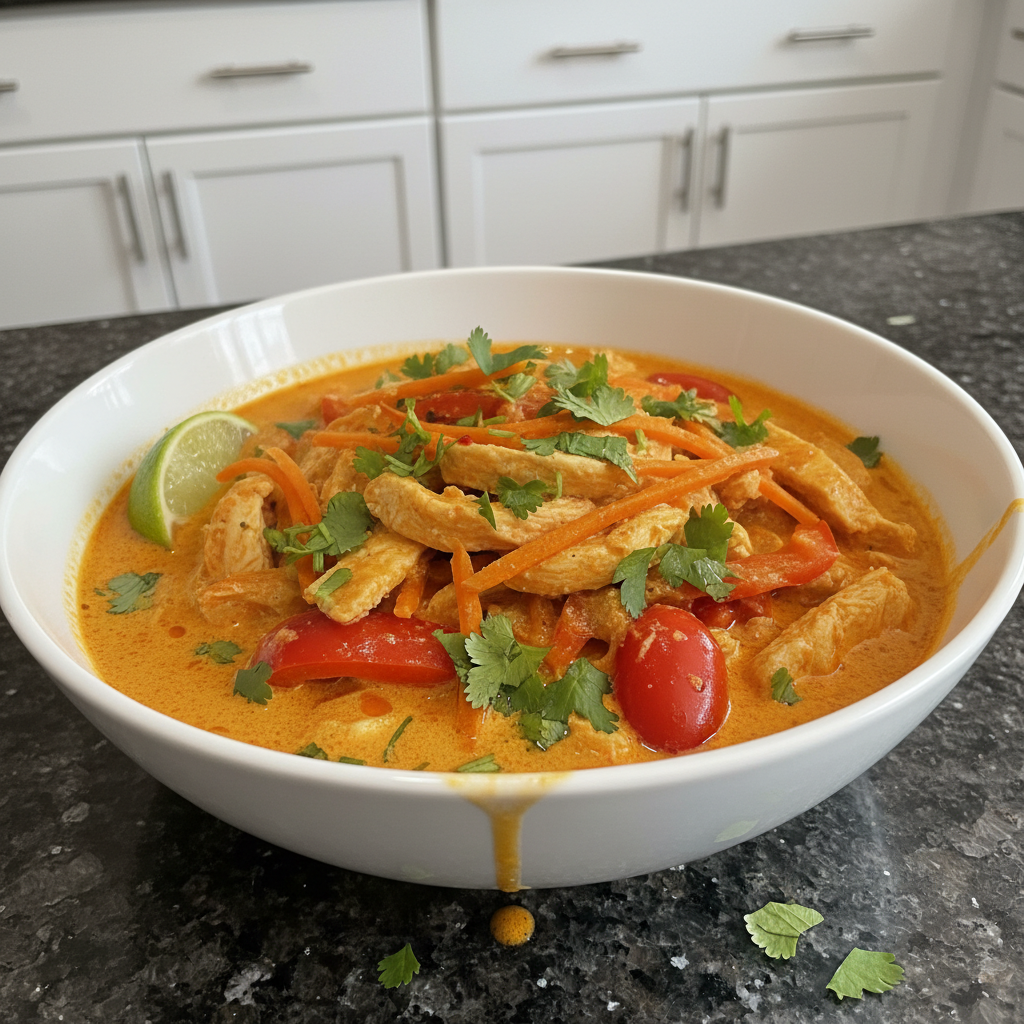
The intoxicating aromas of Thai cuisine always bring a smile to my face. There’s something so comforting and exciting about those vibrant flavors! But let’s be honest, on a busy weeknight, the thought of multiple pots and pans can be a real deterrent. That’s where my favorite One-Pot Thai Red Curry Chicken recipe comes in. It’s a game-changer for home cooks who crave authentic, deeply flavorful Thai food without the fuss. I’m going to show you how to create a creamy, perfectly spiced curry that tastes like it simmered all day, but comes together in one pot, quickly! This recipe offers both ease and incredible depth of flavor, all thanks to a simple, unique technique that sets it apart.
Why You’ll Love This Recipe
This isn’t just another easy curry recipe; it’s a journey to authentic Thai flavor with minimal effort. My secret? It’s all about how we treat the Thai red curry paste and coconut milk.
Unmatched Flavor Depth: My unique twist involves separating the thick coconut cream from the top of the can and sautéing the Thai red curry paste in it for 1-2 minutes. This crucial step, known as ‘breaking the coconut milk,’ allows the fat-soluble aromatic compounds in the paste to truly bloom, deepening their flavor significantly. This technique creates a richer, more intensely flavored curry base, enhancing the overall flavor development and contributing to a beautifully emulsified, authentic sauce texture.
Effortless One-Pot Cooking: True to its name, this One-Pot Thai Red Curry Chicken minimizes cleanup, making it the perfect solution for busy weeknights when you want maximum flavor with minimum fuss.
Highly Customizable: This recipe is incredibly versatile. You can easily adjust the spice level, swap out proteins, or add a variety of vegetables to suit your family’s preferences or dietary needs.
Meal Prep Friendly: Not only is this dish delicious fresh, but it also reheats beautifully, making it an excellent option for meal prepping healthy and satisfying meals throughout the week.
Ingredients Needed

Gathering your ingredients is the first step to a fantastic curry. Here’s exactly what you’ll need to make my vibrant One-Pot Thai Red Curry Chicken:
- 2 tablespoon coconut oil (or other cooking oil)
- 1 cup onion, finely diced (white or yellow onion)
- ½ teaspoon salt (or more to taste)
- 4 large garlic cloves, minced (about 2 TBSP)
- 1 teaspoon ground ginger (or 1 tablespoon fresh grated or minced ginger)
- 1 teaspoon ground coriander
- 4-6 tablespoon Thai red curry paste, or to taste (I used Maesri Brand, this amount results in a Medium-hot to HOT spice level *see notes for modifications)
- 1 can unsweetened coconut milk, full-fat, (14-ounce can) (I used Thai Kitchen Brand)
- 1 tablespoon brown sugar (or to taste)
- 1 ½ pounds boneless skinless chicken breast, cut into thin strips (about 3″ long ½” wide (can also use boneless skinless chicken thighs, or a combination of both!))
- 1 tablespoon fish sauce (or soy sauce *see notes)
- 1 cup carrots, shredded or julienned
- 1 cup red bell pepper, sliced or diced (about half large bell pepper)
- 1 lime, zest and juice (*see notes)
- ¼ cup fresh cilantro, chopped and divided (can also use Thai Basil)
Ingredient Notes & Substitutions
A few key ingredients make all the difference in this One-Pot Thai Red Curry:
Thai Red Curry Paste: The star of the show! Brands vary significantly in spice and flavor. Maesri Brand is known for its authentic, spicier kick, while Thai Kitchen Brand is often milder and sweeter. I always recommend checking labels for allergens or specific flavor profiles beyond just heat. Start with less and add more to achieve your desired spice level.
Coconut Milk: Always opt for unsweetened full-fat coconut milk in a can. This provides the essential creaminess and rich flavor that makes Thai curry so satisfying. The thick part at the top is the precious coconut cream we’ll be using for our unique flavor-building step.
Protein: I love using boneless skinless chicken breast or chicken thighs for this recipe. Both absorb the curry flavors beautifully. You can also easily substitute with shrimp or tofu, which I’ll discuss further below.
Fish Sauce: This ingredient adds a crucial umami depth to your curry. If you need a substitute, soy sauce works well, just be sure to use a Gluten-Free tamari if catering to gluten sensitivities.
Lime: Fresh lime zest and juice provide a vibrant, essential tang. When zesting, be sure to only grate the bright green part of the skin, avoiding the bitter white pith underneath.
Authentic Aromatics: While my recipe uses ground ginger, feel free to use fresh grated or minced ginger for an even brighter flavor. For an extra authentic touch, consider adding fresh Thai Basil leaves at the end instead of or in addition to cilantro.

How to Make One-Pot Thai Red Curry Chicken
Making this incredible One-Pot Thai Red Curry Chicken is surprisingly straightforward. Just follow these steps, and you’ll have a deeply flavorful meal ready in no time!
Sauté Aromatics
Heat the coconut oil in a large skillet over medium-high heat. Once hot, add the diced onions and ½ teaspoon of salt. Cook for about 3 minutes, stirring often, until the onions are softened and translucent.
Bloom the Curry Paste
This is where the magic happens! Open your can of unsweetened full-fat coconut milk without shaking it. Gently scoop out about ½ cup of the thick coconut cream that has separated to the top. Add this coconut cream to the skillet with the softened onions. Then, add the Thai red curry paste, minced garlic, ground ginger, and ground coriander. Cook for about 1-2 minutes, stirring often, until incredibly fragrant and the coconut cream starts to “break,” with the oil just beginning to separate. This step truly develops the deep, rich flavors of the curry.
Build the Curry Base
Pour in the remaining coconut milk from the can, along with the brown sugar, fish sauce, and your cut boneless skinless chicken breast. Stir everything together well. Bring the mixture to a gentle simmer, then reduce the heat to medium. Let it simmer uncovered for 7 minutes, stirring occasionally, allowing the flavors to meld and the chicken to begin cooking through. Remember that Maesri Brand curry paste tends to be spicier, so taste and adjust later if using a milder brand like Thai Kitchen Brand.
Add Vegetables and Finish Cooking
Add the shredded carrots and sliced red bell pepper to the skillet. Continue to simmer for another 5-7 minutes, or until the sauce has slightly thickened to your desired consistency and the chicken is fully cooked through with no pink remaining. Simmering uncovered helps the sauce to reduce and thicken naturally.
Brighten and Season
Remove the skillet from the heat. Stir in the lime zest (remember to only grate the green part of the lime to avoid bitterness), half of the lime juice, and half of the fresh cilantro.
Taste and Adjust
Now is the time for a crucial taste test! Adjust seasonings as needed. I often find myself adding another ¼ teaspoon of salt and sometimes a tablespoon more of curry paste for an extra kick of heat, or more brown sugar for sweetness. You might also want a bit more lime juice for brightness.
Serve and Garnish
Top your delicious One-Pot Thai Red Curry Chicken with the remaining fresh cilantro (or Thai Basil!) and serve immediately.
Elevate Your Curry: Protein & Veggie Variations
One of the joys of cooking curry at home is its incredible versatility. This One-Pot Thai Red Curry Chicken is just the starting point!
Beyond Chicken: Exploring Other Proteins
While chicken breast or chicken thighs are fantastic in this recipe, don’t hesitate to explore other proteins:
- Shrimp: For a quick-cooking option, add raw shrimp during the last 2-3 minutes of simmering, cooking just until they turn pink and opaque. Overcooked shrimp can be rubbery.
- Tofu/Tempeh: If you’re going vegetarian or vegan, press extra-firm tofu or tempeh well to remove excess water. For best texture, pan-fry or bake it until golden brown and slightly crispy, similar to preparing crispy sesame tofu, before adding it to the curry during the last 5 minutes of simmering.
- Beef/Pork: Thinly sliced cuts like sirloin or tenderloin work best and can be seared quickly before adding to the curry base. For heartier stew meat, you might adapt this recipe for a longer simmer in a slow cooker, ensuring the meat becomes fork-tender.
Boost Your Veggies: Fresh Additions & Timing
Adding more vegetables not only boosts the nutrition but also adds fantastic texture and color to your curry. Here’s a guide to optimal timing:
- Broccoli & Green Beans: Add these during the last 5-7 minutes of simmering with the carrots and bell peppers for a tender-crisp texture.
- Snow Peas & Bamboo Shoots: These delicate vegetables should be added during the last 2-3 minutes of cooking to retain their crispness.
- Baby Corn/Water Chestnuts: These can be added along with the carrots and bell peppers, as they hold their texture well.
- Leafy Greens (Spinach/Kale): Stir in fresh spinach or kale just before serving, allowing them to wilt into the hot curry for a final burst of freshness.
Remember, the goal is to prevent overcooking, so always consider the density and cooking time of each vegetable.
Pro Tips & Troubleshooting
Even the most seasoned chefs encounter challenges, and I’ve learned a few tricks over the years that I’m excited to share to perfect your One-Pot Thai Red Curry Chicken.
Pro Tips
- Spice Level Control: The amount of Thai red curry paste you use dictates the heat. If you prefer a milder curry, start with less paste (2-3 tablespoons) and add more to taste. If it’s too spicy, a bit more brown sugar or extra coconut milk can help balance the heat.
- Cracking the Coconut Cream: Don’t skip this unique twist! Sautéing the curry paste in the separated coconut cream is key for deep flavor development and a wonderfully emulsified sauce. It makes all the difference in achieving an authentic taste.
- Curry Paste Brands: Always taste your curry paste if you’re trying a new brand. Maesri Brand is quite potent, while Thai Kitchen Brand is generally milder. Adjust the amount based on your preference and the brand’s intensity.
- Authentic Aromatics: For an even more authentic flavor profile, consider adding thinly sliced kaffir lime leaves or a stalk of bruised fresh lemongrass to the curry as it simmers. Just remember to remove the lemongrass stalk before serving!
- Sauce Consistency: If your sauce is too thin, simply simmer it uncovered for a few extra minutes to allow it to reduce and thicken. If it becomes too thick, you can thin it out with a splash of water, chicken broth, or more coconut milk.
- Slow Cooker Adaptation: This recipe can be adapted for a slow cooker! Sauté the onions, curry paste, and garlic on the stovetop as directed to bloom the flavors. Then transfer to the slow cooker with the remaining ingredients (except lime, cilantro, and delicate veggies). Cook on low for 3-4 hours or high for 1.5-2 hours. If you want to thicken the sauce at the end, stir in a cornstarch slurry (1 tablespoon cornstarch mixed with 2 tablespoons cold water) during the last 30 minutes.
Common Mistakes to Avoid
- Over-Grating Lime Zest: Only grate the bright green part of the lime zest, avoiding the bitter white pith underneath. This will ensure a bright, fresh flavor without any bitterness.
- Not Adjusting Spice: Personal preference is key here. Always taste and adjust the amount of curry paste and brown sugar throughout the cooking process.
- Overcooking Chicken: Boneless skinless chicken breast can dry out quickly. Cook it just until it’s no longer pink and cooked through to keep it tender and juicy.
- Skipping the Coconut Cream Step: This “breaking” step is essential for maximizing flavor. Skipping it will result in a less complex and less authentic-tasting curry.
- Using Light Coconut Milk: While it might seem like a healthier option, light coconut milk simply doesn’t deliver the rich, creamy texture and deep flavor needed for a truly satisfying Thai red curry. Stick to unsweetened full-fat coconut milk for the best results.
Serving & Storage
Once your aromatic One-Pot Thai Red Curry Chicken is ready, the possibilities for serving are endless, and storing leftovers for future enjoyment is a breeze!
Serving Ideas
My favorite way to enjoy this curry is classic and simple:
- Classic Pairings: Serve generously over fluffy Jasmine Rice or healthy Brown Rice to soak up every last drop of that incredible sauce.
- Other Sides: Warm Naan Bread or other flatbreads are also excellent for scooping up the rich curry.
- Garnish: A final sprinkle of fresh Fresh Cilantro or vibrant Thai Basil leaves adds a burst of freshness and elevates the presentation.
- Drinks: Pair your spicy and flavorful curry with a refreshing beverage like sparkling water with lime, a light lager, or a crisp white wine.
Storage and Make-Ahead
This One-Pot Thai Red Curry Chicken is fantastic for meal prep, and the flavors often deepen even more overnight!
- Refrigeration: Allow the curry to cool completely, then transfer it to an airtight container. It will keep beautifully in the refrigerator for up to 3-4 days. When reheating, I prefer the stovetop over low heat, adding a splash of chicken broth or extra coconut milk if the sauce has thickened too much. The microwave works too, just stir often!
- Freezing: Yes, you can absolutely freeze Thai red curry! Cool the curry completely before portioning it into freezer-safe containers or heavy-duty freezer bags. It will maintain its quality in the freezer for 2-3 months. To thaw, transfer to the refrigerator overnight, then reheat gently on the stovetop.
- Meal Prep: This recipe is a dream for meal prepping! It’s naturally Gluten-Free if you use a tamari substitute for fish sauce and select a gluten-free curry paste, and it can easily be adapted for Low-Carb diets by serving it with cauliflower rice or extra veggies.
Conclusion
There you have it – my tried-and-true recipe for a truly unforgettable One-Pot Thai Red Curry Chicken. What I love most about this dish is how it proves that deeply authentic, restaurant-quality flavors are entirely achievable in your home kitchen, even on the busiest of weeknights. Our unique coconut cream bloom technique is the secret weapon, guaranteeing an unparalleled depth of flavor and a silky-smooth sauce that will impress everyone at your table.
Don’t be shy; even if you’re new to making curry, you can master this one. Feel free to experiment with different proteins and the array of vegetables I’ve suggested to make it your own. I encourage you to whip up this curry, savor its incredible taste, and share your creations! Perhaps you’ll even explore more Asian Cuisine and Poultry Recipes right here on my site.
FAQ
Frequently Asked Questions About One-Pot Thai Red Curry
How do I adjust the spice level of Thai red curry chicken?
You can adjust the spice level by varying the amount of Thai red curry paste you add. Start with less (e.g., 2-3 tablespoons) for a milder curry and gradually add more to taste. A little extra brown sugar or coconut milk can also help balance out too much heat.
What’s the best brand of Thai red curry paste to use?
For a spicier, more authentic flavor, I recommend Maesri Brand. If you prefer a milder and slightly sweeter curry, Thai Kitchen Brand is a popular choice. Ultimately, the “best” brand comes down to personal preference for flavor profile and heat intensity. Always check the ingredients for allergens or specific flavor notes.
Can I make Thai red curry chicken vegetarian or vegan?
Absolutely! To make it vegetarian or vegan, simply substitute the chicken breast with pressed and pan-fried tofu or tempeh. Replace the fish sauce with soy sauce or tamari, and ensure your Thai red curry paste is vegan-friendly (some contain shrimp paste, so check the label).
What are common substitutes for traditional Thai ingredients like lemongrass and kaffir lime leaves?
While fresh lemongrass and kaffir lime leaves offer distinct authentic flavors, good substitutes for home cooks include using fresh lime zest and lime juice for brightness, and fresh ginger (or ground ginger) for warmth. You can often find authentic ingredients in Asian grocery stores.
How can I make my Thai red curry sauce thicker or thinner?
To make your sauce thicker, simply simmer it uncovered for a longer period, allowing more liquid to evaporate. If it’s too thick, add a splash of chicken or vegetable broth, water, or extra coconut milk until you reach your desired consistency. For a slow cooker adaptation, a cornstarch slurry (cornstarch mixed with cold water) can be added at the end.
Can this one-pot Thai red curry recipe be made in a slow cooker or Instant Pot?
Yes, it can be adapted! For a slow cooker, sauté the aromatics and curry paste on the stovetop first, then combine all ingredients (except lime and cilantro) in the slow cooker. Cook on low for 3-4 hours. For an Instant Pot, use the sauté function for the initial steps, then pressure cook for about 5-7 minutes with a natural release, adjusting liquid as needed.
What can I serve with Thai red curry chicken?
Classic choices include steamed Jasmine Rice or Brown Rice. You can also serve it with noodles, or warm Naan Bread for dipping. A sprinkle of fresh Fresh Cilantro or Thai Basil is always a great garnish.
How long can I store leftover Thai red curry chicken?
Leftover One-Pot Thai Red Curry Chicken can be stored in an airtight container in the refrigerator for 3-4 days. It also freezes well for up to 2-3 months.
Is One-Pot Thai Red Curry healthy?
This recipe can be a very healthy meal! It’s packed with lean protein (from the chicken breast), beneficial fats from the unsweetened full-fat coconut milk, and customizable with a variety of nutrient-rich vegetables. Ingredients like garlic and ginger also offer various health benefits. It’s easy to make it Low-Carb by serving with cauliflower rice.
Is Thai Red Curry gluten-free?
Thai Red Curry can easily be Gluten-Free. Ensure your chosen Thai red curry paste does not contain gluten (most are naturally gluten-free but always check labels). Also, substitute fish sauce with a Gluten-Free tamari or gluten-free soy sauce.
One-Pot Thai Red Curry Chicken: Authentic Flavor, Easy Weeknight Meal
Ingredients
Equipment
Method
- Heat the coconut oil in a large skillet over medium-high heat. Once hot, add the diced onions and ½ teaspoon of salt. Cook for about 3 minutes, stirring often, until the onions are softened and translucent.
- Open your can of unsweetened full-fat coconut milk without shaking it. Gently scoop out about ½ cup of the thick coconut cream that has separated to the top. Add this coconut cream to the skillet with the softened onions. Then, add the Thai red curry paste, minced garlic, ground ginger, and ground coriander. Cook for about 1-2 minutes, stirring often, until incredibly fragrant and the coconut cream starts to "break," with the oil just beginning to separate. This step truly develops the deep, rich flavors of the curry.
- Pour in the remaining coconut milk from the can, along with the brown sugar, fish sauce, and your cut boneless skinless chicken breast. Stir everything together well. Bring the mixture to a gentle simmer, then reduce the heat to medium. Let it simmer uncovered for 7 minutes, stirring occasionally, allowing the flavors to meld and the chicken to begin cooking through. Maesri Brand curry paste tends to be spicier, so taste and adjust later if using a milder brand like Thai Kitchen Brand.
- Add the shredded carrots and sliced red bell pepper to the skillet. Continue to simmer for another 5-7 minutes, or until the sauce has slightly thickened to your desired consistency and the chicken is fully cooked through with no pink remaining. Simmering uncovered helps the sauce to reduce and thicken naturally.
- Remove the skillet from the heat. Stir in the lime zest (remember to only grate the green part of the lime to avoid bitterness), half of the lime juice, and half of the fresh cilantro.
- Now is the time for a crucial taste test! Adjust seasonings as needed. You may add another ¼ teaspoon of salt, a tablespoon more of curry paste for heat, or more brown sugar for sweetness. You might also want a bit more lime juice for brightness.
- Top your delicious One-Pot Thai Red Curry Chicken with the remaining fresh cilantro (or Thai Basil!) and serve immediately.