Skip to content
Introduction
There is nothing quite like waking up to a delicious breakfast already prepared, especially on a busy morning or when you are hosting guests. In my kitchen, the overnight French toast casserole has become a cherished solution for a stress-free, indulgent brunch or breakfast. This recipe offers both incredible convenience and an elevated flavor profile that promises a truly memorable dish. I am excited to share my special twist that sets this recipe apart, featuring an enhanced streusel that will take your taste buds on a delightful journey. Get ready to master this fantastic make-ahead dish with ease, from simple prep to a perfect bake and beyond.
Why You’ll Love This Recipe
I truly believe this is the best overnight French toast casserole you will ever make, and here is why:
Elevated Streusel with Browned Butter and Toasted Pecans: My secret to unlocking a deeper, nuttier flavor and a superior texture lies in the streusel. By browning the butter, we initiate the Maillard reaction, which transforms simple butter into a complex, aromatic ingredient with rich, nutty undertones. When combined with toasted pecans, this creates an essential crunch and richness that prevents a bland topping. It is a gourmet touch that makes all the difference.
Ultimate Convenience: This overnight French toast casserole is a true game-changer for busy mornings, holiday breakfasts, or any family breakfast. Its make-ahead nature means you can assemble it the night before and simply bake it in the morning, freeing up your precious time to enjoy your company or a relaxing start to your day. It is perfect for meal prep too.
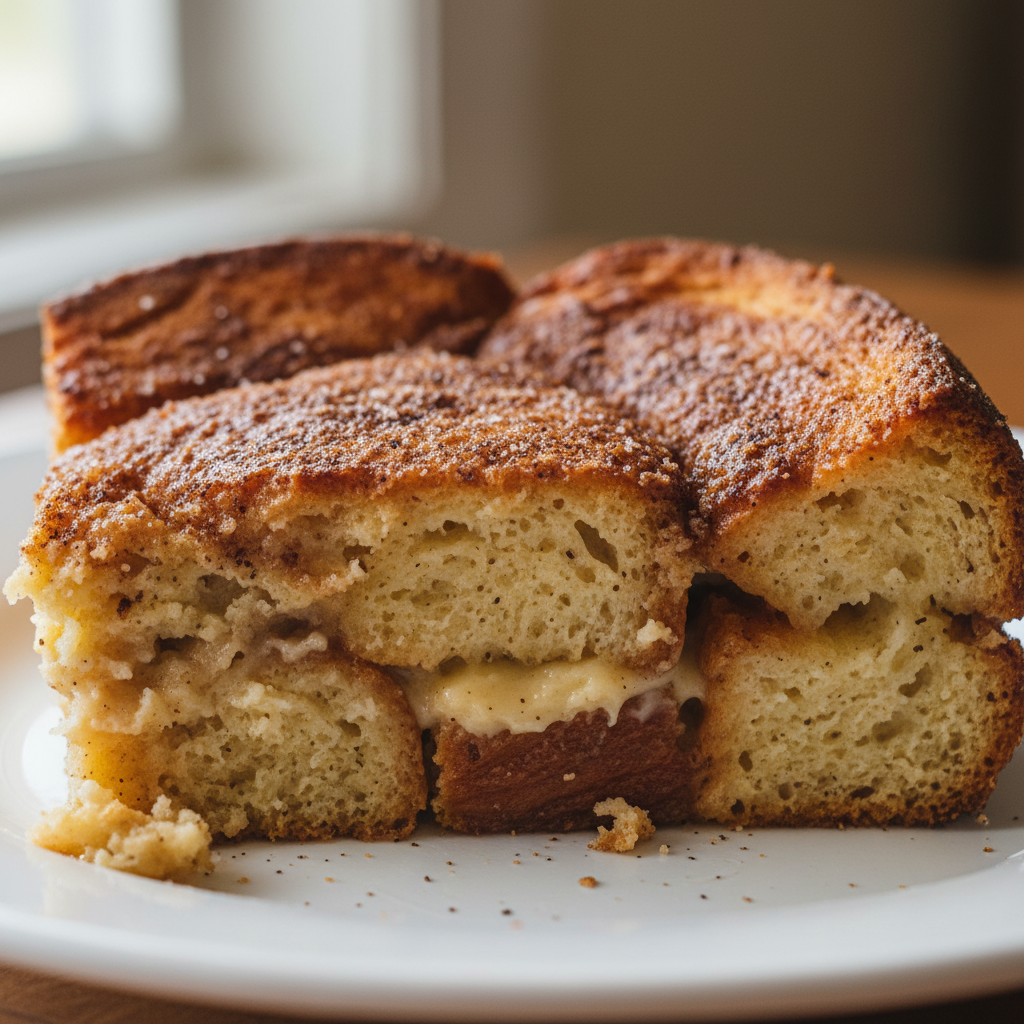
Impressive and Crowd-Pleasing: This brunch recipe or sweet breakfast looks and tastes gourmet, making it ideal for entertaining. The golden, bubbly streusel and custardy interior are sure to impress your guests and become a staple in your entertaining repertoire.
No More Soggy French Toast: The magic of an overnight soak, combined with the right baking technique, ensures a perfectly custardy interior without any sogginess. The bread has ample time to absorb the rich custard, resulting in a delightfully tender texture that holds its own against the crispy topping.
Ingredients Needed

- 1 pound loaf of brioche, challah, french bread, or white bread
- 8 large eggs
- 1 cup heavy cream
- 2 cups milk
- 1/4 cup light brown sugar
- 2 teaspoons ground cinnamon
- 1/2 teaspoon kosher salt
- 1 Tablespoon vanilla extract
- For the Topping:
- 3 Tablespoons light brown sugar, packed
- 3 Tablespoons granulated sugar
- 1 teaspoon ground cinnamon
- 1/4 teaspoon ground nutmeg
- 2 Tablespoons cold butter, cut into pieces
Ingredient Notes & Substitutions
Bread Selection: The foundation of any great French toast casserole is the bread. Brioche bread offers a rich, buttery flavor and a tender crumb, while challah bread provides a slightly chewier texture. French bread gives a classic, sturdy base, and plain white bread is excellent for maximum absorbency. For the best results, I always recommend using day-old or slightly stale bread. Learn more about the science behind using stale bread; its drier texture allows it to absorb the custard more effectively, preventing a soggy French toast casserole and ensuring a perfectly custardy bite.
Dairy: For a dairy-free option, you can substitute heavy cream with full-fat coconut cream and milk with soy milk or almond milk. These alternatives help maintain a rich texture and flavor in the custard.
Sweeteners: While I use light brown sugar in this recipe, you can experiment with other sweeteners like maple syrup or agave. However, be aware that these may slightly alter the moisture content and overall sweetness, so you might need to adjust quantities to taste. Reducing the sugar content is also possible if you prefer a less sweet breakfast.
Butter: Using cold butter cut into pieces for the streusel topping is crucial. This ensures that when you combine it with the sugar and spices, it creates distinct crumbs that bake up into a wonderfully crisp and crumbly streusel.
Streusel Enhancement (Unique Twist): To truly elevate your streusel topping, I highly recommend adding toasted pecans. Their nutty crunch complements the browned butter beautifully. For the ultimate flavor, gently brown the butter for the streusel on the stovetop until it turns a lovely amber color and smells nutty, then let it cool slightly before incorporating it into the sugar and spice mixture.

How to Make Overnight French Toast Casserole
Step-by-Step Instructions:
Prep the Dish & Bread: First, make sure to generously grease a 9×13″ baking dish. This is a crucial step to prevent any sticking, which can be a common mistake. Cut your chosen bread into 1-inch chunks and arrange them evenly in the prepared pan. If you have slightly stale bread, this is the perfect time to use it!
Prepare the Custard: In a large mixing bowl, whisk the eggs thoroughly until they are completely broken down and slightly frothy. Then, add the heavy cream, milk, light brown sugar, ground cinnamon, kosher salt, and vanilla extract. Mix well until all the ingredients are fully combined and the custard is consistent. Pour this fragrant mixture evenly over the bread cubes in the baking dish. Gently toss the bread to ensure every piece is coated and saturated, then spread it into an even layer. This is where the magic begins; cover the dish and refrigerate overnight. This extended soak is essential for optimal absorption and incredible flavor development.
Craft the Signature Brown Butter Pecan Streusel: In a separate bowl, combine the light brown sugar, granulated sugar, ground cinnamon, and ground nutmeg. Stir them together until well blended. Now for our unique twist: in a small saucepan, gently brown 2-3 tablespoons of butter over medium heat. Watch for the color to change to a rich amber and for a distinct nutty aroma to emerge. Let the browned butter cool slightly to prevent it from melting the sugars too quickly. Add the cooled browned butter and, if you desire extra crunch and flavor, a handful of toasted pecans to the sugar mixture. Use a pastry blender or even your hands to combine these ingredients until a beautiful, crumbly streusel forms. Cover this topping and refrigerate it until morning, ready to crown your casserole.
Bake to Golden Perfection: The next morning, preheat your oven to 350 degrees F (180 degrees C). There is no need to bring the french toast pan to room temperature; you can bake it straight from the fridge. Uncover the casserole and generously sprinkle the prepared streusel topping evenly over the entire surface. Bake for 45-50 minutes, or until the top is golden brown and bubbly, and the casserole is set in the center. You will know it is done when the streusel is beautifully golden, the edges are pulling away slightly from the pan, and the custard no longer appears jiggly.
Cool and Serve: Once baked, allow the French toast to cool for at least 10 minutes before serving. This cooling period is crucial for the custard to fully set, making it much easier to portion and ensuring the best texture. Then, it is ready to be topped with homemade syrup, fresh berries, whipped cream, or any of your favorite serving suggestions.
Achieving the Perfect Bake: Doneness & Troubleshooting
How to Tell if Your Casserole is Fully Set:
Knowing when your overnight French toast casserole is perfectly cooked is key to avoiding a soggy or dry outcome. Here is how I check for doneness:
- Visual Cues: Look for a beautifully golden brown streusel topping. The edges of the casserole should also be pulling away slightly from the sides of the pan. Most importantly, the custard in the center should appear set and no longer jiggly when you gently shake the dish.
- Internal Temperature: For absolute certainty that the eggs are fully cooked and the custard is set, I recommend using a meat thermometer. Insert it into the center of the casserole; it should register an internal temperature of 195-200°F (90-93°C).
Troubleshooting Common Issues:
Even seasoned chefs encounter a few bumps in the road. Here are solutions for common French toast casserole challenges:
- Soggy Bottom: This is often due to too much moisture or not enough absorption. Ensure you are using stale or slightly dry bread, as it soaks up the custard much better. Distribute the custard evenly, and make sure your baking time and temperature are correct to thoroughly cook the bottom layers.
- Dry Top/Edges: If your streusel browns too quickly or the edges get too crisp, simply cover the casserole loosely with aluminum foil for the last 15-20 minutes of baking. Also, ensure there is sufficient custard to coat all the bread, and avoid overbaking.
- Uneven Bake: The material of your baking dish can impact how your casserole bakes. Metal baking dishes heat up and cook faster than glass baking dishes, which retain heat longer. If using a glass dish, you might need to add an extra 5-10 minutes to the baking time, or adjust the oven temperature slightly.
Pro Tips & Troubleshooting
Pro Tips:
- Perfect Streusel: For the best crumbly texture, I always use a pastry blender or my hands to combine the streusel ingredients. This method helps cut the cold butter into the flour and sugar mixture efficiently.
- Baking from Cold: You do not need to bring the casserole to room temperature before baking. In fact, it is better to bake it straight from the fridge; this ensures the custard stays firm and bakes evenly.
- Optimal Cooling: Patience is a virtue when it comes to French toast casserole. Allowing it to cool for at least 10 minutes before serving is crucial for the custard to fully set, giving you the best texture and making it easier to serve.
- Best Bread: Always opt for day-old or slightly stale bread. This is the science behind preventing a soggy French toast casserole; dry bread acts like a sponge, soaking up all that delicious custard without falling apart.
- Browned Butter: When browning butter for the streusel, keep a close eye on it. It transforms quickly. You are looking for a beautiful amber color and a distinct nutty aroma.
Common Mistakes to Avoid:
- Not Greasing the Dish: A common oversight! Not adequately greasing the baking dish can lead to frustrating sticking, making it difficult to remove perfect portions.
- Overmixing Streusel: Resist the urge to overmix your streusel ingredients. Overworking the mixture can result in a dense, rather than wonderfully crumbly, topping.
- Serving Too Soon: Serving the casserole immediately after baking without a brief cooling period may result in a less set custard and a messier presentation.
- Not Soaking Long Enough: Insufficient overnight soaking means the bread will not fully absorb the custard, potentially leading to dry spots in your delicious casserole.
Serving & Storage
Serving Ideas
My overnight French toast casserole is a star on its own, but these serving suggestions will make it shine even brighter:
- Classic Toppings: Drizzle generously with classic maple syrup or my homemade syrup. A dollop of fresh whipped cream and a sprinkle of fresh berries like strawberries, blueberries, or raspberries add a burst of color and freshness.
- Unique Garnishes: A dusting of powdered sugar is always elegant. For extra texture and flavor, add a sprinkle of extra toasted pecans or even a decadent drizzle of chocolate sauce.
- Savory Sides: To perfectly complement the sweetness of the casserole, I love serving it alongside savory additions. Crispy bacon, flavorful sausage, or a simple fruit salad balance the meal beautifully.
- Beverage Pairings: Pair this delightful breakfast with a steaming cup of coffee, a refreshing glass of orange juice, or even some festive mimosas for a special brunch.
Storage and Make-Ahead
The beauty of this overnight French toast casserole is its make-ahead convenience, making it ideal for meal prep or a stress-free holiday breakfast.
- Make-Ahead: Prepare the entire casserole, sans the streusel application, the night before. This allows the bread to fully absorb the custard, developing incredible flavor and texture. Simply cover and refrigerate.
- Refrigeration: Store any cooked leftovers of your overnight French toast casserole in an airtight container in the refrigerator for up to 3-4 days.
- Freezing: For longer storage, you can freeze either the unbaked or baked casserole. Wrap it tightly in plastic wrap and then aluminum foil to prevent freezer burn. It will keep well for up to 1 month. When ready to use, thaw it overnight in the refrigerator before baking or reheating.
- Reheating:
- Individual Servings: For a quick reheat, individual slices can be warmed in the microwave or a toaster oven until heated through.
- Whole Casserole: To reheat the entire casserole, cover it loosely with foil and bake in a preheated oven at a lower temperature (around 300°F/150°C) until warmed through, usually about 20-30 minutes.
Adaptations for Special Occasions
This overnight French toast casserole is truly perfect for any special occasion, whether it is a festive holiday breakfast or a relaxed family breakfast. Its ability to feed a crowd and significantly reduce morning stress makes it a go-to recipe in my kitchen.
Conclusion
I truly hope you feel inspired to try this incredible overnight French toast casserole. It is a recipe that marries ultimate convenience with an incredible depth of flavor, all thanks to its make-ahead nature and my special twist: the browned butter pecan streusel. This casserole is approachable for all skill levels, guaranteeing a fantastic breakfast every time. Do not hesitate to experiment with different serving suggestions or variations, and I encourage you to share your creations or explore other delicious brunch recipe ideas on the blog. Happy cooking!
FAQ
What kind of bread is best for overnight French toast casserole?
I recommend using brioche bread for its richness, challah bread for its chewiness, French bread for a classic sturdy texture, or white bread for excellent absorption. The key is to use day-old or slightly stale bread, as it better soaks up the custard without becoming soggy.
Do I need to bring overnight French toast casserole to room temperature before baking?
No, there is no need to bring your overnight French toast casserole to room temperature. You can bake it straight from the fridge. This actually helps the custard set properly and ensures an even bake.
How do I prevent my French toast casserole from getting soggy?
To prevent a soggy casserole, always use stale or slightly dried-out bread, as it absorbs the custard more effectively. Ensure the bread is evenly coated with custard and allow sufficient overnight soaking time. Proper baking temperature and duration are also crucial for a fully set, non-soggy outcome.
How long can overnight French toast casserole be stored in the refrigerator or freezer?
Cooked overnight French toast casserole can be stored in an airtight container in the refrigerator for 3-4 days. For longer storage, you can freeze either the unbaked or baked casserole, tightly wrapped, for up to 1 month.
What are some popular variations and serving suggestions for French toast casserole?
Popular variations include adding fresh berries, chocolate chips, or different types of nuts to the casserole mix. For serving suggestions, classic maple syrup, whipped cream, and fresh berries are always a hit. You can also try a dusting of powdered sugar or a sprinkle of toasted pecans.
How do I know when my French toast casserole is fully cooked?
You will know your French toast casserole is fully cooked when the streusel topping is golden brown and bubbly, the edges are slightly pulling away from the pan, and the custard in the center appears set and no longer jiggly. For extra assurance, an internal temperature of 195-200°F (90-93°C) in the center indicates it is perfectly done.
Can I add fruit to the casserole mix?
Absolutely! Adding fruit to the casserole mix is a wonderful idea. Fresh or frozen berries like blueberries, raspberries, or sliced strawberries work beautifully. If using frozen fruit, I recommend adding it directly to the casserole when assembling, without thawing, to prevent excess moisture.
What size baking dish is recommended for this recipe?
This recipe is designed for a 9×13″ baking dish. If you use a different size, you may need to adjust the baking time accordingly. A smaller dish will result in a thicker casserole that may require a longer baking time, while a larger dish will create a thinner casserole that cooks faster.
Best Overnight French Toast Casserole (Brown Butter Streusel)
Ingredients
Equipment
Method
- Generously grease a 9×13″ baking dish to prevent sticking. Cut your chosen bread (brioche, challah, French, or white bread) into 1-inch chunks and arrange them evenly in the prepared pan. Stale bread works best.
- In a large mixing bowl, whisk the eggs thoroughly until completely broken down and slightly frothy. Add the heavy cream, milk, 1/4 cup light brown sugar, 2 teaspoons ground cinnamon, kosher salt, and vanilla extract. Mix well until all ingredients are fully combined and the custard is consistent.
- Pour this mixture evenly over the bread cubes in the baking dish. Gently toss the bread to ensure every piece is coated and saturated, then spread it into an even layer. Cover the dish and refrigerate overnight for optimal absorption and flavor development.
- In a separate bowl, combine 3 Tablespoons light brown sugar, granulated sugar, 1 teaspoon ground cinnamon, and ground nutmeg. Stir until well blended.
- In a small saucepan, gently brown 2-3 tablespoons of butter over medium heat until it turns a rich amber color and emits a distinct nutty aroma. Let the browned butter cool slightly.
- Add the cooled browned butter to the sugar and spice mixture. If desired, add a handful of toasted pecans. Use a pastry blender or your hands to combine these ingredients until a beautiful, crumbly streusel forms. Cover this topping and refrigerate until morning.
- The next morning, preheat your oven to 350 degrees F (180 degrees C). Uncover the casserole and generously sprinkle the prepared streusel topping evenly over the entire surface. Bake for 45-50 minutes, or until the top is golden brown and bubbly, and the casserole is set in the center.
- Once baked, allow the French toast to cool for at least 10 minutes before serving. This cooling period is crucial for the custard to fully set. Then, top with homemade syrup, fresh berries, whipped cream, or your favorite serving suggestions.