Skip to content
There’s nothing quite like starting your day with a satisfying, protein-packed breakfast that feels gourmet but is incredibly easy to make. As a busy chef, I’m always looking for ways to elevate simple dishes, and homemade Egg Bites with Cottage Cheese are a true revelation. Forget the drive-thru; you can create perfectly tender, Starbucks-worthy egg bites right in your own kitchen. This recipe is fantastic for busy mornings, healthy meal prep, or whenever you crave a customizable, delicious bite. I’m going to share my secret method for achieving that coveted silky texture with no deflation, ensuring every bite is pure perfection.
Why You’ll Love These Silky Cottage Cheese Egg Bites
In my kitchen, I’m always searching for that special technique that elevates a simple recipe, and with these cottage cheese egg bites, it’s all about the water bath. This unique twist, also known as a bain-marie, is the secret weapon for achieving an incredibly silky, tender, and evenly cooked, custard-like texture that truly sets these apart.
The magic happens because the water bath creates a moist, consistent heat environment around the muffin tin. This gentle, indirect heat prevents the edges of the egg bites from cooking too quickly and becoming rubbery, which is a common problem with direct oven heat. It promotes a slower, more even protein coagulation, resulting in a significantly more tender, moist, and soft texture. This method also dramatically minimizes deflation, giving you those beautifully puffy, perfect grab-and-go breakfast bites every time, mimicking sous vide results without needing any special equipment.
Beyond their amazing texture, these high-protein breakfast treats are a dream for meal prep. They’re easily customizable with your favorite add-ins, making them a fantastic Starbucks egg bites copycat recipe that’s tailor-made for your taste buds.
Ingredients Needed
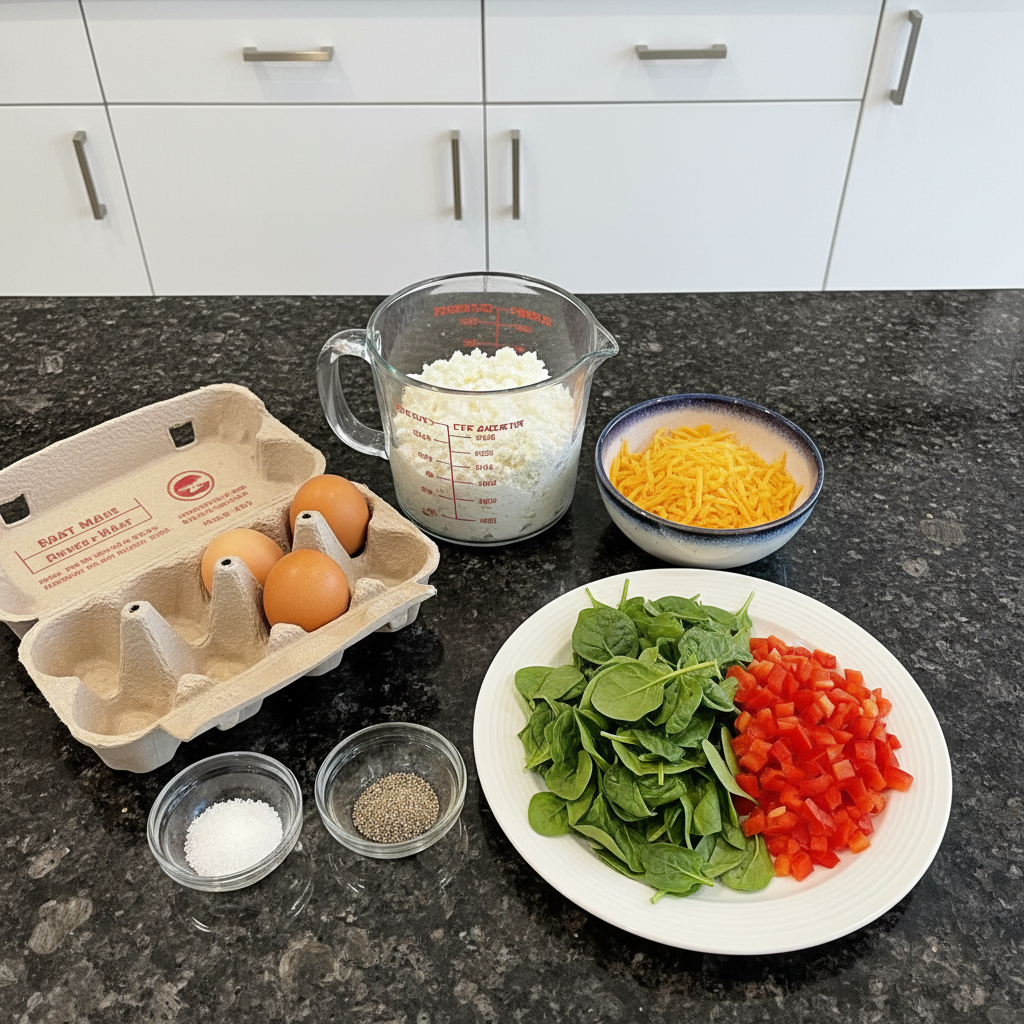
Gathering your ingredients is the first step to deliciousness. Here’s exactly what you’ll need for these perfect Egg Bites with Cottage Cheese:
- 8-10 large eggs*
- 1 cup cottage cheese
- 1/2 tsp fine sea salt, or added to taste
- 1/4 tsp freshly ground black pepper, or to taste
- 1/2 cup shredded cheese, such as medium cheddar or mozzarella
- 1/2-1 cup optional add-ins, see notes*
Ingredient Notes & Substitutions
Let’s talk about the stars of our show and how to get the most out of them, along with some fun variations.
Eggs: The recipe calls for 8-10 large eggs, offering a little flexibility depending on how full you like your muffin cups. While you can use egg whites or a mix of whole eggs and egg whites, be aware that using only egg whites will result in a slightly firmer and less rich texture compared to using all whole eggs, which contribute to the lovely, creamy texture.
Cottage Cheese: This is a critical ingredient for the silky texture! To explore more delicious ways to use this versatile ingredient, check out our cottage cheese recipes. I highly recommend using full-fat cottage cheese for the richest, moistest texture and to prevent any sogginess or collapse. The higher fat content provides a more stable structure during cooking and contributes to that beautiful, creamy mouthfeel. Lower fat cottage cheese has more water, which can lead to deflation and a less desirable texture due to less stable protein coagulation. Trust me on this one!
Shredded Cheese: While medium cheddar or mozzarella are excellent choices, don’t be afraid to experiment! Monterey jack, pepper jack for a little kick, crumbled feta, nutty parmesan, rich gruyere cheese, or even salty Cotija can all add wonderful flavor dimensions. Choose what you love!
Optional Add-ins: This is where you can truly make these egg bites your own. The possibilities are endless!
- Meats: Cooked and crumbled bacon, sausage crumbles, finely chopped ham, or spicy chorizo are all fantastic. For a vegetarian option, seasoned tofu crumbles work wonderfully.
- Veggies: Add chopped mushrooms, fresh chives, wilted spinach, diced zucchini, colorful bell peppers, or finely minced onion. Remember, some veggies benefit from a little pre-cooking to prevent excess moisture, which I’ll cover below.
- Spices: Elevate the flavor with a dash of taco seasoning, garlic powder, fresh parsley, aromatic basil, a pinch of red pepper flakes, or a tiny bit of cayenne pepper for heat. A drizzle of hot sauce after baking is also delicious!
Dietary Notes: This recipe is naturally gluten-free diet friendly. With the right add-ins, it’s also a great option for a keto diet, making it super versatile for various dietary needs.

How to Make Silky Egg Bites with Cottage Cheese (The Water Bath Method)
This is where the magic truly happens! Follow these steps closely to achieve those perfectly silky, custard-like Egg Bites with Cottage Cheese.
Prep & Preheat (Integrating the Water Bath)
First, preheat your oven to 325˚F. This lower, gentle temperature is key for the water bath method. Now, let’s set up our water bath: Place your non-stick muffin tin (or silicone muffin cups) inside a larger, oven-safe baking dish. Pour about 1 inch of hot water into the larger baking dish, making sure it surrounds the muffin tin. This creates a moist, consistent heat environment, preventing the eggs from drying out or becoming rubbery. If you’re using a non-stick muffin tin, give each cup a light spray with cooking spray. If you opt for silicone muffin cups, you generally don’t need to spray them.
Blend the Base
In a blender, combine your eggs, cottage cheese, fine sea salt, and freshly ground black pepper. Blend for about 1 minute on medium speed until the mixture is completely smooth and creamy. A blender, food processor, or immersion blender is highly recommended here to ensure the cottage cheese is fully incorporated for that optimal creamy texture. Avoid blending on high speed, as this can introduce too much air and create excessive foam, which can lead to deflation later.
Fill & Assemble
Once your egg mixture is blended, it’s time to assemble! Evenly distribute your shredded cheese and any optional add-ins into the bottom of each prepared muffin cup. Then, carefully pour the blended egg mixture into each cup, filling them about 3/4 full. This ensures they have enough room to gently puff without overflowing or being under-filled, which can affect the final shape and texture.
Bake to Perfection (Water Bath)
Carefully place the entire baking dish, with the water bath and filled muffin tin inside, into your preheated 325˚F oven. Bake for 22-25 minutes. You’ll know they’re done when the edges and centers are fully set, the tops are lightly golden, and they have a beautiful custard-like texture that jiggles slightly when gently nudged. The air fryer is an alternative for baking, at 300˚F for 12-14 minutes (cover lightly with foil if browning too fast), but for that truly superior silky texture, the water bath method in the oven is my top recommendation. Once baked, let the egg bites rest in the muffin tin for 5 minutes before removing. This crucial resting time allows them to set fully and prevents sticking, making them easier to pop out perfectly.
Mastering the Water Bath & Perfecting Add-ins
Achieving truly perfect egg bites goes beyond the basic steps. Let’s dive deeper into the science behind the water bath and how to prepare your add-ins for the best possible results.
Why a Water Bath is Your Secret to No-Deflation Egg Bites
The water bath, or bain-marie, is the hero of this recipe. It works by surrounding your muffin tin with a gentle, moist, and consistent heat environment. When you bake eggs directly in the oven, the dry heat can cause the outside to cook much faster than the inside, leading to rapid protein coagulation on the exterior. This quick, uneven cooking often results in a rubbery texture and the dreaded puff-and-deflate effect, where the egg bites rise dramatically and then sink, creating craters.
The water bath prevents this by buffering the heat, ensuring that the eggs cook slowly and evenly from all sides. This gentle cooking promotes a uniform protein coagulation, leading to an incredibly silky, tender, and custard-like texture throughout. The moist environment also prevents the eggs from drying out. I find that 325˚F is the ideal temperature for water bath baking, as it’s gentle enough to encourage this slow, even set without overcooking. Also, be aware that metal vs. silicone muffin cups might slightly affect baking time. Silicone heats differently and might require a minute or two more or less to achieve that same perfect custard-like texture, so always keep an eye on them.
A quick safety tip for handling the hot water bath: When placing the larger baking dish with the hot water and muffin tin into the oven, do so carefully to avoid splashes. Use oven mitts to grip the dish firmly. When removing it, again, take your time and use both hands to prevent any spills or burns.
Pro-Prepping Your Add-ins for Best Texture
Adding vegetables and other mix-ins can introduce excess moisture, which can compromise the texture of your egg bites. Proper preparation is key.
- Spinach: For fresh spinach, briefly sauté it until it’s wilted, then squeeze out as much excess water as you possibly can before adding it to your egg mixture.
- Bell Peppers, Zucchini, Mushrooms, and Onion: These high-moisture vegetables also benefit from a quick sauté. Lightly sauté them in a pan until they’ve softened and released some of their water content. This prevents them from making your egg bites watery or soggy.
Optimal Fat Content in Cottage Cheese Revisited: It bears repeating: for the best structural integrity and moistest texture, stick to full-fat cottage cheese. Low-fat cottage cheese often contains more water, which can lead to a less stable egg mixture and contribute to deflation. The fat helps create that rich, creamy texture we’re aiming for.
Flavor Boosters: Don’t forget your seasonings! Beyond salt and pepper, consider a pinch of taco seasoning, a sprinkle of garlic powder, fresh or dried parsley, basil, red pepper flakes for a little heat, cayenne pepper, or a dash of your favorite hot sauce to truly elevate the taste of your egg bites.
Pro Tips & Troubleshooting for Perfect Egg Bites
After countless batches, I’ve gathered some key insights and common pitfalls to help you achieve absolute perfection with your egg bites every time.
Pro Tips for Success
- Full-Fat Cottage Cheese is Key: As I’ve mentioned, use full-fat cottage cheese for richer, moister texture and to prevent sogginess or collapse due to lower water content. This really makes a difference.
- Blend Smart, Not Hard: Blend eggs, cottage cheese, salt, and pepper for 1 minute on medium speed to achieve a smooth, creamy texture and aid fluffiness. But crucially, avoid high speed to prevent excessive foam, which can lead to deflation.
- Adjust Mix-ins Wisely: If you’re adding a lot of extra ingredients, consider reducing 1 egg for every 1/2 cup of additional mix-ins. This ensures proper filling level in your muffin cups and prevents any spillage.
- The Golden Rest Period: Allow egg bites to rest in the muffin tin for 5 minutes after baking before removing. This helps them set and prevents sticking, making them much easier to pop out intact.
- Pre-Cook Wet Veggies: Always remember to pre-cook high-moisture vegetables like spinach or bell peppers to prevent a watery texture in the final product.
Common Mistakes to Avoid
- Over-Blending at High Speed: Over-blending at high speed can make the mixture too foamy. This introduces too much air, leading to excessive puffiness in the oven and then dramatic deflation once they cool.
- Using Low-Fat Cottage Cheese: Opting for low-fat cottage cheese can result in deflation due to its higher water content and less stable protein coagulation. Stick with full-fat for the best results.
- Under-filling or Over-filling: Under-filling or over-filling muffin liners can affect the final shape and texture of your egg bites. Aim to fill each cup about 3/4 full for optimal results.
- Over-Baking: Over-baking is a common culprit for egg bites that shrink and become rubbery instead of having that delightful custard-like texture. Watch for the doneness indicators—they should be set but still have a slight jiggly quality.
- Skipping the Water Bath: While you can bake these without a water bath, omitting it will significantly impact the silky, tender texture this recipe aims for. The water bath is truly the secret ingredient here.
Serving & Storage
These Egg Bites with Cottage Cheese are not just easy to make, they’re incredibly versatile for serving and perfect for meal prep!
Serving Ideas
These high-protein breakfast bites are fantastic as a grab-and-go breakfast on their own. For a more substantial meal, I love serving them alongside classic breakfast potatoes, crispy hash browns, or some air fryer bacon. To add extra flavor, a dollop of homemade salsa or a dash of your favorite hot sauce is always a winner. They also pair beautifully with fresh accompaniments like a vibrant cucumber tomato avocado salad, a slice of toast or sourdough bread, or an English muffin. For a light and healthy complement, a green goddess salad or a green smoothie is perfect.
You can also play with flavor profiles! Give them a Mexican flair with chorizo, taco seasoning, and a sprinkle of Cotija cheese, or an Italian flair with Italian sausage and a pinch of dried dill. The possibilities are endless!
Storage and Make-Ahead Tips
One of the best things about these egg bites is how well they store. For refrigeration, simply place your cooled egg bites in an airtight container in the fridge, where they’ll stay fresh for 3-4 days. They’re perfect for grabbing each morning throughout the week.
For meal prep on a larger scale, these egg bites freeze beautifully. Once cooled, you can wrap them individually in plastic wrap or place them in a freezer-safe bag or container. They will keep in the freezer for up to 3 months. If you use silicone muffin cups, you can even freeze them directly in the cups for easy individual removal before transferring them to a bag.
To reheat from chilled, a quick 30-60 seconds in the microwave usually does the trick. You can also pop them in a preheated oven at 300˚F for 5-7 minutes, or in an air fryer at 300˚F for 3-5 minutes, until warmed through. If reheating from frozen, increase the microwave time to 1-2 minutes, or oven/air fryer time to 8-12 minutes.
Conclusion
I hope you’re as excited as I am about these Egg Bites with Cottage Cheese! They truly are a game-changer for anyone looking for an easy, versatile, and incredibly healthy breakfast solution. The water bath method is the unique twist that guarantees that silky, tender, custard-like texture that makes this recipe stand out from all the rest. No more dry, rubbery, or deflated egg bites!
I encourage you to experiment with all the different variations and serving ideas to truly make this recipe your own. Whether you’re meal prepping for the week or enjoying a leisurely Sunday brunch, these egg bites are sure to become a staple in your kitchen. Please leave a comment below to let me know how they turned out for you, or share your favorite add-in combinations! I’m always eager to hear about your culinary adventures.
FAQ: Your Top Questions About Cottage Cheese Egg Bites Answered
I get a lot of questions about making the perfect egg bites, so I’ve compiled the most common ones here to help you troubleshoot and succeed!
1. Why do my egg bites deflate and how can I prevent it?
Deflation is often due to over-baking, over-blending at high speed, or using low-fat cottage cheese. The rapid expansion and then collapse happens when the internal structure isn’t stable enough. The water bath method is your best preventative measure for maintaining a custard-like texture and minimizing deflation, as it ensures a gentle, even cook.
2. Can I use low-fat cottage cheese in egg bites?
While technically possible, I strongly advise against it for optimal texture. Low-fat cottage cheese has higher water content, leading to a less stable mixture, potential deflation, and a less creamy texture. Stick to full-fat cottage cheese for the best, most consistent results.
3. What are the best mix-ins for cottage cheese egg bites?
The best mix-ins are truly up to your preference! Popular choices include cooked meats like bacon, sausage crumbles, or chopped ham. For vegetables, spinach, bell peppers, mushrooms, and chives are fantastic. For cheeses, cheddar, Monterey jack, feta, or Gruyere work wonderfully. Remember to pre-cook high-moisture vegetables like spinach and bell peppers to prevent a watery texture.
4. Can I make these egg bites without a blender?
Yes, you can whisk the eggs, cottage cheese, salt, and pepper by hand. However, a blender, food processor, or immersion blender is highly recommended for achieving the silky, creamy texture that sets these apart. Blending ensures the cottage cheese is fully smooth and perfectly incorporated. Manual whisking may result in a slightly different texture with tiny cottage cheese curds remaining.
5. How do I store and reheat cottage cheese egg bites?
Cooled egg bites can be stored in an airtight container in the refrigerator for 3-4 days. For longer storage, you can freeze them for up to 3 months. To reheat from the fridge, use a microwave for 30-60 seconds, or an oven/air fryer at 300˚F for 3-5 minutes. From frozen, microwave for 1-2 minutes or use an oven/air fryer for 8-12 minutes.
6. Can I bake egg bites in a casserole dish instead of a muffin tin?
Yes, you can absolutely make a frittata-like version in a casserole dish. You would still use a water bath, ensuring it surrounds the casserole dish. However, note that the baking time will need to be adjusted and will be significantly longer than for individual muffin tin portions. The individual portions are ideal for a convenient grab-and-go breakfast.
7. Can I use egg whites or a couple eggs and the rest egg whites in this recipe?
Yes, you can, but be aware it will alter the final texture. Using all egg whites will result in a firmer, less rich texture compared to whole eggs. A mix of whole eggs and egg whites can work, but it will slightly change the delightful custard-like texture that the water bath method aims to achieve with whole eggs.
8. Can I substitute cottage cheese for mozzarella cheese?
No, you cannot substitute cottage cheese for mozzarella cheese as the base of this recipe. Cottage cheese is fundamental to the recipe’s creamy texture and protein structure, providing moisture and a specific consistency that mozzarella cannot replicate. Mozzarella cheese is a fantastic add-in for flavor and cheesiness, but it does not function as a structural component like cottage cheese does in this recipe.

Perfect Egg Bites with Cottage Cheese
Ingredients
Equipment
Method
- First, preheat your oven to 325˚F.
- Place your non-stick muffin tin (or silicone muffin cups) inside a larger, oven-safe baking dish.
- Pour about 1 inch of hot water into the larger baking dish, making sure it surrounds the muffin tin. This creates a moist, consistent heat environment, preventing the eggs from drying out or becoming rubbery.
- If you’re using a non-stick muffin tin, give each cup a light spray with cooking spray. If you opt for silicone muffin cups, you generally don’t need to spray them.
- In a blender, combine your eggs, cottage cheese, fine sea salt, and freshly ground black pepper.
- Blend for about 1 minute on medium speed until the mixture is completely smooth and creamy. Avoid blending on high speed, as this can introduce too much air and create excessive foam, which can lead to deflation later.
- Evenly distribute your shredded cheese and any optional add-ins into the bottom of each prepared muffin cup.
- Then, carefully pour the blended egg mixture into each cup, filling them about 3/4 full.
- Carefully place the entire baking dish, with the water bath and filled muffin tin inside, into your preheated 325˚F oven.
- Bake for 22-25 minutes. They’re done when the edges and centers are fully set, the tops are lightly golden, and they have a beautiful custard-like texture that jiggles slightly when gently nudged.
- Once baked, let the egg bites rest in the muffin tin for 5 minutes before removing. This crucial resting time allows them to set fully and prevents sticking, making them easier to pop out perfectly.