Skip to content
There’s something incredibly satisfying about the humble carrot, isn’t there? Whether crunchy and raw or tender and sweet from the oven, carrots always deliver. Today, I’m thrilled to share my absolute favorite way to transform this root vegetable into a show-stopping side: a vibrant Roasted Carrot Salad. This recipe isn’t just about roasting carrots; it’s about elevating them to their full flavorful potential, creating a dish that perfectly bridges the gap between comforting roasted vegetables and a fresh, crisp salad. Get ready to discover the secrets to a truly superior roasted carrot salad that will have everyone asking for the recipe.
Why You’ll Love This Recipe
This Roasted Carrot Salad isn’t your average side dish, and the secret lies in a unique twist that makes all the difference. I gently warm the honey and apple cider vinegar, infusing them with fresh thyme and rosemary, along with a touch of Dijon mustard. This simple step is pure magic.
Warming the dressing ingredients with fresh herbs allows their aromatic compounds to deeply infuse into the honey and vinegar, creating a truly complex and inviting flavor profile that you just can’t achieve with a cold dressing. Then, the Dijon mustard steps in as a scientific marvel, acting as a powerful emulsifier. This means when I whisk everything together, it creates a stable, cohesive, and beautifully glossy vinaigrette that clings perfectly to every carrot and green, without any oil or vinegar separating. The result? A perfectly coated salad with a harmonious blend of sweet, tangy, and savory notes, enhanced by the aromatic herbs.
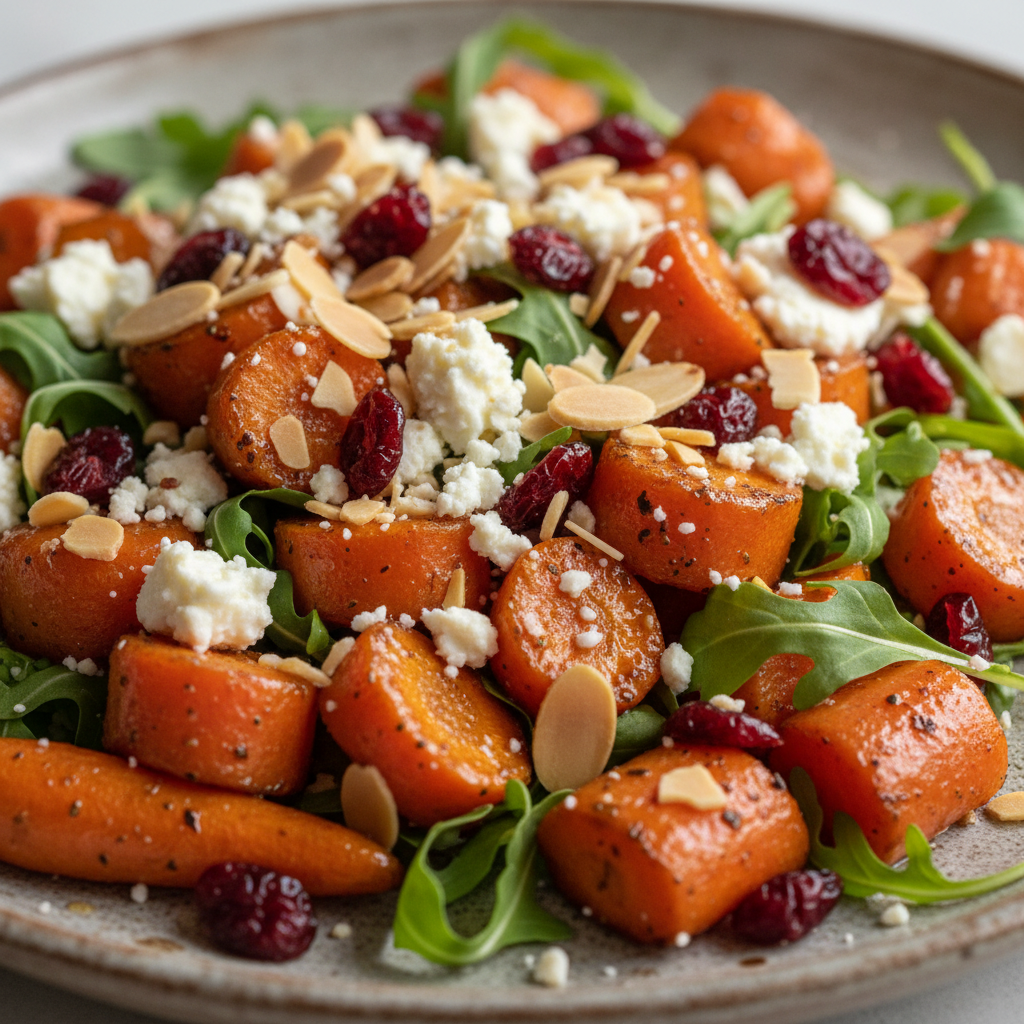
Beyond this unique twist, you’ll adore this recipe because it’s a healthy recipe, packed with fiber and vitamins. It’s an easy recipe to follow, making it accessible for any home cook. Every bite offers a delightful textural crunch from the perfectly roasted carrots and toasted sliced almonds, all balanced by the soft dried cranberries and salty feta cheese. It’s truly a feast for the senses!
Ingredients Needed
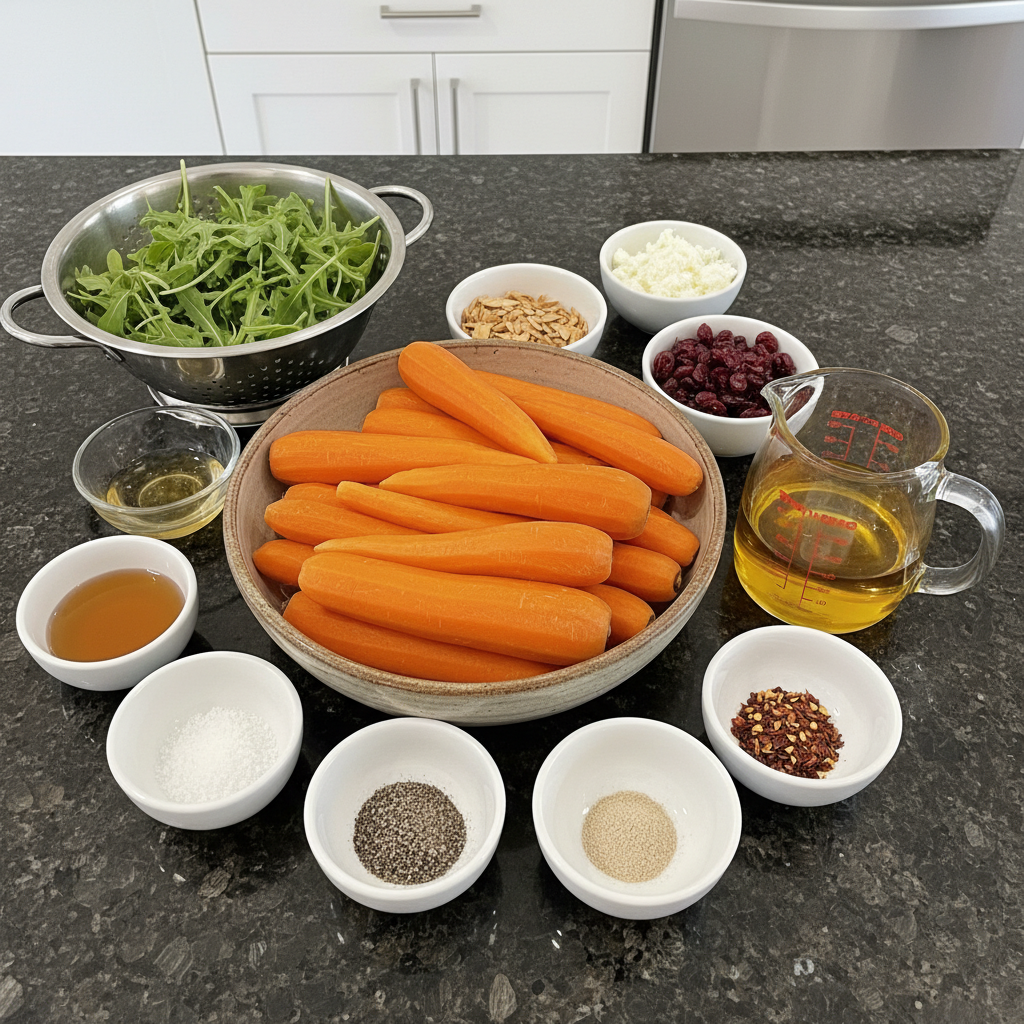
- 2 pounds carrots, peeled
- 1/4 cup extra-virgin olive oil
- 1 & 1/4 teaspoons kosher salt
- 1/2 teaspoon freshly ground black pepper
- 1/4 teaspoon garlic powder
- pinch of cracked red pepper flakes
- 2 teaspoons honey
- 2 tablespoons apple cider vinegar
- 1/2 cup toasted sliced almonds
- 1/3 cup dried cranberries
- 4 ounces crumbled feta cheese
- 2 cups baby arugula
Ingredient Notes & Substitutions
When it comes to building a truly exceptional Roasted Carrot Salad, the quality and preparation of your ingredients are key. Here are my insights:
Carrots: For the best flavor and texture, choose firm, bright, unblemished carrots. I recommend peeling whole carrots and slicing them diagonally into 2-inch thick pieces for optimal results. This technique ensures even roasting and a beautiful presentation. While classic orange carrots are wonderful, rainbow carrots can add stunning visual appeal to your dish. If you’re looking for another delightful way to prepare this versatile vegetable, consider a maple dijon roasted carrots and apples recipe. Avoid baby carrots, as they tend to steam rather than caramelize nicely.
Olive Oil: I always reach for extra-virgin olive oil. Its robust flavor complements the sweetness of the roasted carrots beautifully.
Honey & Apple Cider Vinegar: These two are the heart of our unique dressing. Opt for good quality honey and apple cider vinegar, as their flavor profiles will shine through in the final dish.
Almonds: This recipe calls for sliced almonds. If yours aren’t pre-toasted, it’s easy to do at home. Simply spread them in a single layer on a baking sheet and toast in a 300°F oven for 5-7 minutes, or in a dry skillet over medium-low heat, stirring constantly, until fragrant and golden. Watch them carefully, as they can burn quickly.
Feta Cheese: Crumbled feta cheese adds a lovely salty tang. If you’re looking for an alternative, goat cheese offers a creamy, milder flavor, or a crumbled gorgonzola could provide a sharper, more pungent note. For dairy-free needs, there are excellent plant-based feta alternatives available.
Arugula: Baby arugula provides a delightful peppery kick and tender texture. If you find arugula too strong, feel free to substitute with fresh spinach or another mild green for a similar vibrant base.
Dietary Notes: This Roasted Carrot Salad is naturally gluten-free and vegetarian, making it a wonderful option for various dietary preferences.
How to Make Roasted Carrot Salad
Creating this Roasted Carrot Salad is a straightforward process, but paying attention to a few details will ensure your results are truly spectacular. Follow along with me:
Step 1: Prep the Oven & Carrots
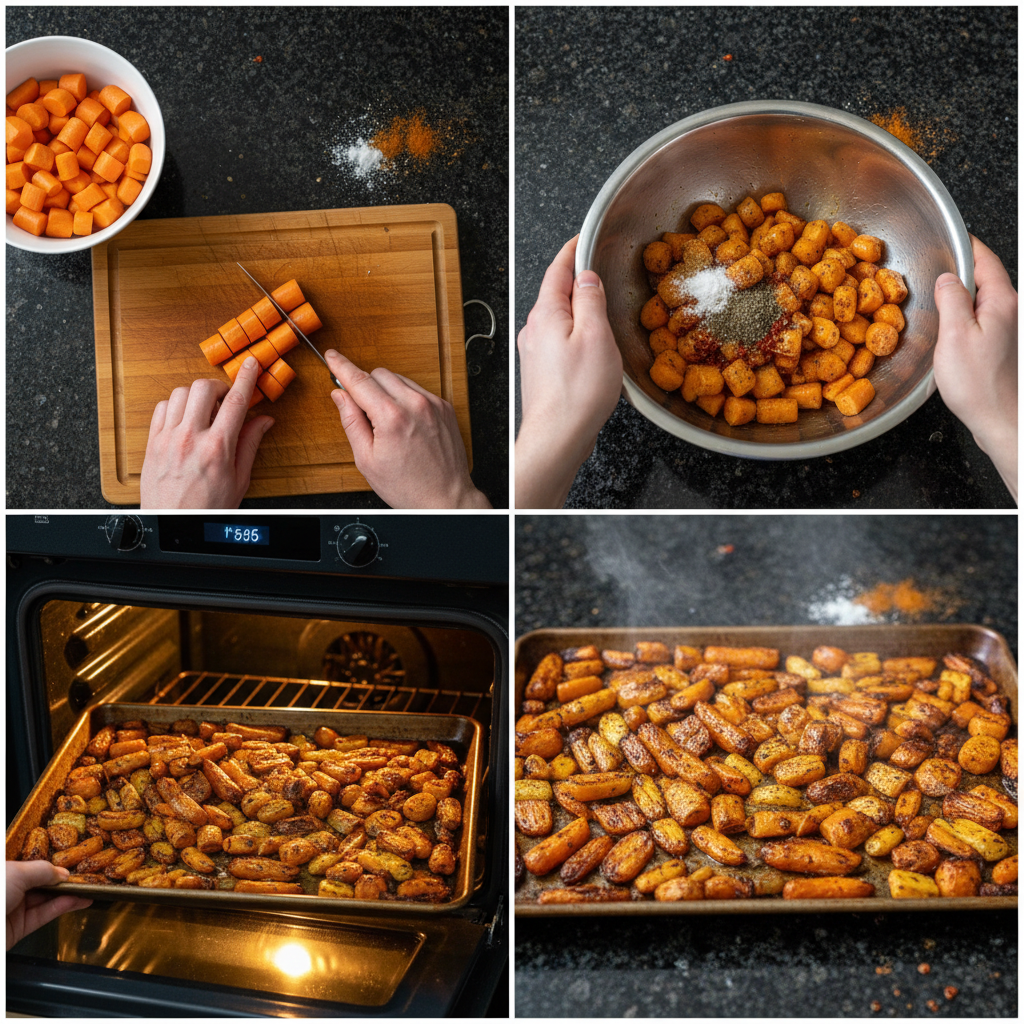
First, preheat your oven to 400°F. This preheating ensures the oven is at the correct temperature for immediate and even roasting. Next, prepare your carrots. If they are very thick, cut them in half lengthwise. Otherwise, simply peel them and then slice them diagonally into 2-inch thick pieces. Slicing them diagonally isn’t just for looks; it significantly increases the surface area, which helps promote better caramelization during roasting and creates those delicious, slightly browned edges. Place the sliced carrots onto a baking sheet, then drizzle generously with the extra-virgin olive oil. Season them with the kosher salt, black pepper, garlic powder, and a pinch of cracked red pepper flakes. Toss everything together really well to ensure every piece of carrot is evenly coated. This even coating is essential for optimal roasting and flavor development. Finally, spread the seasoned carrots out into a single layer on the baking sheet. This prevents steaming and encourages proper caramelization.
Step 2: Roast to Perfection
Now, slide your baking sheet into the preheated oven. Roast the carrots for about 25 to 30 minutes, making sure to toss them once halfway through. You’ll know they’re perfectly roasted when they are tender when pierced with a fork, and their edges have started to turn a lovely brown. That browning means you’ve achieved perfect caramelization, which brings out their natural sweetness. Once roasted, remove the carrots from the oven and allow them to cool completely to room temperature. This cooling step is crucial to prevent your delicate baby arugula from wilting when you assemble the salad later.
Step 3: Craft the Aromatic Dressing
Here’s where our unique twist comes in! In a small saucepan or microwave-safe bowl, gently warm the honey and apple cider vinegar. While warming, add a sprig of fresh thyme or rosemary and a teaspoon of Dijon mustard. Just a gentle warmth is needed to help the herbs release their aromatics. Once warmed, remove the herb sprig. Then, vigorously whisk the dressing until it is smooth and cohesive. The Dijon mustard acts as an emulsifier, helping to create a beautifully stable and aromatic vinaigrette that won’t separate. This ensures every bite of your salad will be evenly coated with delicious, complex flavor.
Step 4: Combine Carrots & First Dressing Toss
Once your roasted carrots have cooled completely, transfer them to a large mixing bowl. Drizzle about half of the prepared, aromatic dressing over the carrots. Toss them gently but thoroughly, ensuring they are well coated. I’ve found that adding all the vinegar and honey to roasted carrots at once can make the salad too tart, so this step allows us to build the flavors gradually and prevent over-saturation.
Step 5: Add Mix-ins
Next, add the toasted sliced almonds, dried cranberries, and crumbled feta cheese to the bowl with the carrots. Toss everything gently again, ensuring these wonderful mix-ins are evenly distributed throughout the salad without crushing the carrots.
Step 6: Final Assembly & Serving
Right before you’re ready to serve, add the baby arugula to the mixing bowl. Toss the salad with the remaining dressing, if needed. The key here is to combine the arugula and final dressing just before serving so the leaves don’t wilt. For a lightly dressed salad, I often toss with only half the dressing and pass the rest at the table. This prevents mushiness and allows guests to customize their salad. Enjoy your perfectly crafted Roasted Carrot Salad!
Mastering Roasted Carrots & Dressing
Achieving a truly exceptional Roasted Carrot Salad goes beyond just following the steps; it’s about understanding the techniques. Let me share some insights to help you master this dish.
Choosing the Best Carrots: The foundation of a great roasted carrot salad is, naturally, great carrots. Look for ones that are firm to the touch, vibrant in color, and free from soft spots or blemishes. While large carrots are excellent for roasting, don’t shy away from rainbow carrots; they add beautiful color and similar sweetness. Selecting quality carrots ensures optimal sweetness and a pleasant texture once roasted.
The Diagonal Slice Advantage: You might have noticed I recommend slicing carrots diagonally into 2-inch pieces. This isn’t just for aesthetics. This cutting technique significantly maximizes the surface area of each carrot piece. More surface area means more direct contact with the hot baking sheet, leading to better caramelization and those deliciously browned, slightly crispy edges during roasting. It truly enhances the flavor and texture of every bite.
Perfectly Toasted Almonds: If your sliced almonds aren’t pre-toasted, it’s a simple step that adds immense flavor and crunch. You can toast them on the stovetop: spread them in a dry, ungreased skillet over medium-low heat. Stir them constantly until they become fragrant and turn a lovely golden brown, usually 5-7 minutes. Alternatively, you can use the oven: spread them in a single layer on a baking sheet and toast at 300°F (or even with your carrots for the last 5-7 minutes of roasting, watching them closely) until golden. Always keep an eye on them, as nuts can burn quickly.
The Power of Emulsified Dressing: Our unique twist centers around emulsification, and it’s a game-changer. When you gently warm the honey and apple cider vinegar with a touch of Dijon mustard and fresh herbs, and then vigorously whisk it, you’re creating a stable, cohesive vinaigrette. Dijon mustard acts as a natural emulsifier, helping the oil and vinegar (which normally separate) to combine into a creamy, opaque, uniform dressing. This means every single bite of your salad will be evenly coated with that delicious sweet, tangy, and savory flavor, elevating the entire dish beyond a simple drizzle.
Health Benefits & Make-Ahead Tips
This Roasted Carrot Salad isn’t just delicious; it’s packed with goodness and can be a fantastic part of your meal prep routine.
Carrots are superstars when it comes to nutrition. They are an excellent source of Vitamin A, which is crucial for vision, immune health, and skin. The extra-virgin olive oil and sliced almonds contribute healthy fats, which are important for nutrient absorption and overall well-being. Dried cranberries add antioxidants, and the entire dish is a good source of fiber, supporting digestive health. While I don’t provide exact numbers, this healthy recipe offers a wonderful blend of vitamins, minerals, and beneficial fats, making it a satisfying and wholesome choice.
Smart Cooling for Texture: I can’t stress this enough: allowing your roasted carrots to cool completely to room temperature before mixing with the baby arugula is vital. If you add hot or even warm carrots to delicate greens, the heat will instantly wilt them, turning your crisp salad into a soggy mess. Typically, this cooling time for carrots takes about 20-30 minutes, or until they are no longer warm to the touch. This patience ensures the integrity of your salad’s beautiful texture.
Make-Ahead Mastery: This salad is fantastic for meal prep! You can prepare several components in advance, up to 2-3 days ahead:
- Carrots: Roast and cool the carrots completely. Store them in an airtight container in the refrigerator for up to 3 days.
- Dressing: Prepare the dressing, including the warm emulsification twist, and store it in a sealed jar in the refrigerator for up to 5-7 days. Just be sure to re-whisk or shake it well before use.
- Almonds/Cranberries/Feta: These can be pre-measured and stored separately in airtight containers at room temperature (almonds and cranberries) or in the fridge (feta).
Reheating & Storage: Once assembled, this salad is best consumed fresh. If you do have leftovers that are already dressed, the arugula will likely wilt, but the salad is still perfectly edible for 1-2 days when stored in an airtight container in the fridge. However, storing the undressed components separately is always best for maximum freshness and texture.
If you prefer to serve the roasted carrot salad warm, gently reheat only the undressed roasted carrots in the oven or microwave. Then, add fresh arugula and the dressing just before serving.
Pro Tips & Troubleshooting
Pro Tips
Here are my top pro tips to ensure your Roasted Carrot Salad is a resounding success every single time:
- Perfect Carrot Prep: For the best results, always peel whole carrots and slice them diagonally into 2-inch thick pieces. This not only ensures even roasting but also provides a larger surface area for that delicious caramelization, avoiding the pitfalls of baby carrots which tend to steam.
- The Warming Dressing Secret: Don’t skip the unique twist of gently warming the honey and apple cider vinegar with a fresh sprig of thyme or rosemary. This simple step deepens the aromatic profile of your dressing, infusing it with incredible flavor that elevates the entire salad.
- Emulsification Excellence: After warming and removing the herb sprig, use a whisk or even an immersion blender to truly emulsify the dressing. You’re aiming for a thick, creamy, and uniform consistency. This ensures every bite of your salad is evenly coated, allowing the unique twist to truly shine.
- Dressing Control: For a perfectly dressed salad and to prevent mushiness, toss with only half the dressing initially. Then, pass the remaining dressing at the table. This allows everyone to customize their salad to their preference and prevents over-dressing.
- Optimal Roasting: Always ensure your carrots are spread out in a single layer on the baking sheet. Crowding the pan will cause the carrots to steam instead of roast and caramelize properly, robbing them of their best texture and flavor.
- Temperature Matters: It’s crucial to let your roasted carrots cool significantly before adding the delicate baby arugula. Mixing hot carrots with greens will immediately wilt them, compromising the beautiful textural contrast of your salad.
Common Mistakes to Avoid
Even experienced cooks can make small errors. Here are some common pitfalls to watch out for with your Roasted Carrot Salad:
- Premature Dressing: The most common mistake I see is adding all the dressing too early, especially when delicate greens like arugula are involved. This can cause your baby arugula to wilt and become soggy before it even reaches the table. Always add the arugula and the final dressing right before serving.
- Over-Sweetness/Tartness: This salad has naturally sweet elements from the carrots, honey, and dried cranberries. If you add all the dressing at once, it can sometimes make the salad too sweet or too tart. Taste and adjust as you go, and consider reducing the cranberries or honey slightly if you prefer a less sweet profile. Adding dressing in stages, as outlined in the instructions, helps prevent this.
- Crowding the Pan: A packed baking sheet is the enemy of perfectly roasted vegetables. If your carrots are too close together, they’ll steam in their own moisture instead of browning and caramelizing. This leads to soft, rather than tender-crisp, carrots. Use two baking sheets if necessary to give them space.
- Skipping the Emulsification: Simply stirring the dressing ingredients together won’t give you the same results as proper emulsification. If you skip this step, your vinaigrette will likely separate, leading to unevenly dressed salad and a less impactful flavor experience from our unique twist.
- Hot Carrots & Greens: As mentioned in the pro tips, adding hot or even warm roasted carrots directly to your baby arugula will quickly wilt the greens. Always allow the carrots to cool fully to preserve the salad’s crisp texture.
Serving & Storage
Serving Ideas
This Roasted Carrot Salad is incredibly versatile and makes a stunning addition to almost any meal. Here are some of my favorite ways to serve it:
- Holiday Feast: With its vibrant colors and rich flavors, this roasted carrot salad is an exceptional side dish for any holiday gathering, such as Thanksgiving or Christmas. Consider using rainbow carrots for an even more festive look.
- Dinner Parties & Potlucks: It’s an elegant yet easy-to-make dish that’s perfect for small dinner parties or potlucks. If traveling, keep the components separate and assemble just before serving.
- Main Dish Pairings: The sweet and savory notes of this salad pair beautifully with a variety of main courses. I love serving it alongside bacon-wrapped pork tenderloin, a perfectly seared steak, or some honey garlic chicken.
- Plating & Garnishing: For that extra touch, garnish your finished salad with a sprinkle of extra feta cheese, a few more toasted sliced almonds, or a fresh sprig of thyme or rosemary. The glossy, emulsified dressing will make the whole dish shine on your table.
Storage and Make-Ahead
Planning ahead is key for easy entertaining or quick weeknight meals.
- Make-Ahead Strategy: You can prepare most of the components of this salad up to 2-3 days in advance. Roast the carrots, let them cool completely, and store them in an airtight container in the fridge. Prepare the dressing, store it in a sealed jar in the fridge, and remember to re-whisk it vigorously before use. The toasted sliced almonds, dried cranberries, and feta cheese can also be pre-measured and stored separately.
- Assembled Salad Storage: Once the salad is dressed and combined with the arugula, it is truly best enjoyed immediately. The delicate greens will begin to wilt quickly. If you have leftovers, they can be stored in an airtight container in the fridge for 1-2 days, but be aware that the texture of the arugula will soften.
- Undressed Component Storage: For the best results and extended freshness, store the roasted carrots and the dressing separately. Undressed roasted carrots will last well for 3-4 days in the fridge, and the dressing for 5-7 days.
- Reheating Tips: If you want to serve this salad warm, only reheat the undressed roasted carrots gently in the oven or microwave. Add the fresh arugula and the perfectly emulsified dressing just before serving to maintain that wonderful contrast in temperatures and textures.
Adaptations for Special Occasions
This roasted carrot salad easily adapts to different occasions:
- Winter/Holiday Salad: Its hearty, roasted elements and warming flavors make it a perfect winter salad or holiday salad for Thanksgiving or Christmas gatherings.
- Everyday Meal Prep: With its healthy profile and the ability to prepare components in advance, it’s an ideal healthy recipe for meal-prep. Assemble individual portions quickly throughout the week for a nutritious and delicious lunch or dinner side.
Conclusion
I hope you’re as excited as I am about this Roasted Carrot Salad! With its beautifully caramelized carrots, thoughtful mix-ins, and especially our unique twist of a warm, emulsified, aromatic dressing, this recipe truly transforms a simple vegetable into something extraordinary. You now have all the tips and tricks to confidently create a restaurant-quality side dish right in your own kitchen.
Feel free to experiment with variations – perhaps adding some roasted beets, swapping in creamy goat cheese, or a splash of balsamic vinegar for a different tang. This easy recipe is perfect for everything from a casual weeknight dinner to a festive holiday spread. Enjoy your delicious creation, and don’t forget to share your culinary successes!
FAQ
Can I make roasted carrot salad ahead of time?
Yes, you can! The roasted carrots can be prepared up to 3 days in advance and stored in an airtight container in the refrigerator. The dressing can also be made ahead and stored for 5-7 days. Assemble the salad with the arugula and dressing just before serving for the best texture.
How do I prevent my arugula from wilting in a salad?
The key to preventing wilted arugula is to ensure your roasted carrots are completely cooled to room temperature before mixing them in. Also, add the arugula and the final portion of the dressing right before serving.
What are good substitutions for feta cheese or other greens?
For feta cheese, you can try crumbled goat cheese for a creamier texture or gorgonzola for a sharper flavor. If arugula is too peppery for your taste, fresh spinach or another mild mixed green would work beautifully.
What main dishes pair well with roasted carrot salad?
This roasted carrot salad pairs wonderfully with roasted meats like pork tenderloin or chicken, grilled steak, or even as a vibrant side for a vegetarian main course. It’s versatile enough for many dinner ideas.
What kind of carrots are best for roasting for this recipe?
For optimal flavor and texture, choose firm, bright, and unblemished whole carrots. Peeling and slicing them diagonally into 2-inch thick pieces ensures even roasting and better caramelization. You can use classic orange carrots or rainbow carrots for visual appeal.
How long should I roast carrots for perfect tenderness?
Roast the carrots in a preheated 400°F oven for approximately 25 to 30 minutes, tossing once. They are perfectly tender when they can be easily pierced with a fork, and their edges have started to turn a lovely brown, indicating caramelization.
What are the nutritional benefits of this salad?
This salad is a healthy recipe packed with nutrients. Carrots are rich in Vitamin A, important for vision and immune health. Extra-virgin olive oil and sliced almonds provide healthy fats, and dried cranberries offer antioxidants. It’s a good source of fiber and various vitamins and minerals.
Can I serve this salad warm? How do I reheat the carrots?
While the assembled salad is best served at room temperature to preserve the arugula’s crispness, you can serve the roasted carrots warm if you prefer a warm side dish. To reheat, gently warm the undressed roasted carrots in the oven or microwave. Then, add fresh arugula and the dressing just before serving.
Is this recipe gluten-free and vegetarian?
Yes, this Roasted Carrot Salad recipe is naturally gluten-free and vegetarian, making it suitable for a variety of dietary preferences.
Roasted Carrot Salad: The Aromatic Twist
Ingredients
Equipment
Method
- First, preheat your oven to 400°F (200°C). Prepare carrots by peeling them and slicing diagonally into 2-inch thick pieces. If very thick, cut them in half lengthwise. Place sliced carrots onto a baking sheet, drizzle with extra-virgin olive oil, and season with kosher salt, black pepper, garlic powder, and a pinch of cracked red pepper flakes. Toss well to coat evenly, then spread into a single layer on the baking sheet.
- Roast the carrots in the preheated oven for about 25 to 30 minutes, tossing once halfway through. They are perfectly roasted when tender and their edges are lovely brown. Remove from the oven and allow to cool completely to room temperature before assembling the salad.
- In a small saucepan or microwave-safe bowl, gently warm the honey and apple cider vinegar. While warming, add a sprig of fresh thyme or rosemary and a teaspoon of Dijon mustard. Just gentle warmth is needed to release aromatics. Remove the herb sprig, then vigorously whisk until smooth and cohesive, forming a stable, emulsified vinaigrette.
- Once cooled, transfer the roasted carrots to a large mixing bowl. Drizzle about half of the prepared aromatic dressing over the carrots. Toss gently but thoroughly to ensure they are well coated.
- Add the toasted sliced almonds, dried cranberries, and crumbled feta cheese to the bowl with the carrots. Toss everything gently again to distribute evenly.
- Just before serving, add the baby arugula to the mixing bowl. Toss the salad with the remaining dressing, if needed, combining just before serving to prevent wilting. Enjoy your perfectly crafted Roasted Carrot Salad!