Skip to content
As the days grow longer and the sun warms us after winter, my kitchen truly comes alive with the fresh flavors of spring. There’s nothing quite like a vibrant, comforting pasta dish to celebrate the season, especially when it’s as irresistible as this Spring Fettuccine with Asparagus. This recipe is designed to shake off any lingering winter blues and bring a bright, zesty joy to your weeknight meals. I’m going to guide you through creating a restaurant-quality, creamy, and truly flavorful pasta that feels gourmet yet comes together with remarkable ease. Get ready to master simple yet impactful cooking methods that elevate both the taste and texture, ensuring every forkful is a delight.
Why You’ll Love This Recipe
I know what you’re thinking, “another pasta recipe?” But trust me, this Spring Fettuccine with Asparagus has a special touch that makes all the difference. My unique twist involves finishing the sauce with a splash of dry white wine and some reserved pasta water, then adding the unrinsed, al dente pasta directly into the pan to absorb every drop of flavor.
The dry white wine, like a crisp Pinot Grigio or Sauvignon Blanc, adds a bright, acidic counterpoint. It cuts through the richness of the cream, enhancing that fresh ‘spring’ feeling and ensuring the dish never feels too heavy on your palate.
Now, let’s talk about the magic of reserved starchy pasta water. This isn’t just a kitchen hack; it’s a scientific secret to perfect sauce. The starch in the water helps emulsify the butter, cream, and cheese, creating a silky, cohesive creamy Alfredo sauce that clings beautifully to every strand of fettuccine. It’s what gives you that restaurant-quality finish.
And adding the unrinsed, al dente pasta directly into the sauce? That’s where the true flavor absorption happens. The pasta finishes cooking in the sauce, soaking up all those delicious flavors. Plus, the residual starch from the unrinsed pasta further thickens the sauce, making it incredibly luscious. We’re correcting the common mistake of rinsing pasta, ensuring maximum creaminess.
The best part? This dish is incredibly quick to prepare, perfect for a gourmet weeknight meal. You’ll achieve unparalleled creaminess and flavor in a light yet satisfying dish that’s impressive enough for guests, but easy enough for any evening.
Ingredients Needed
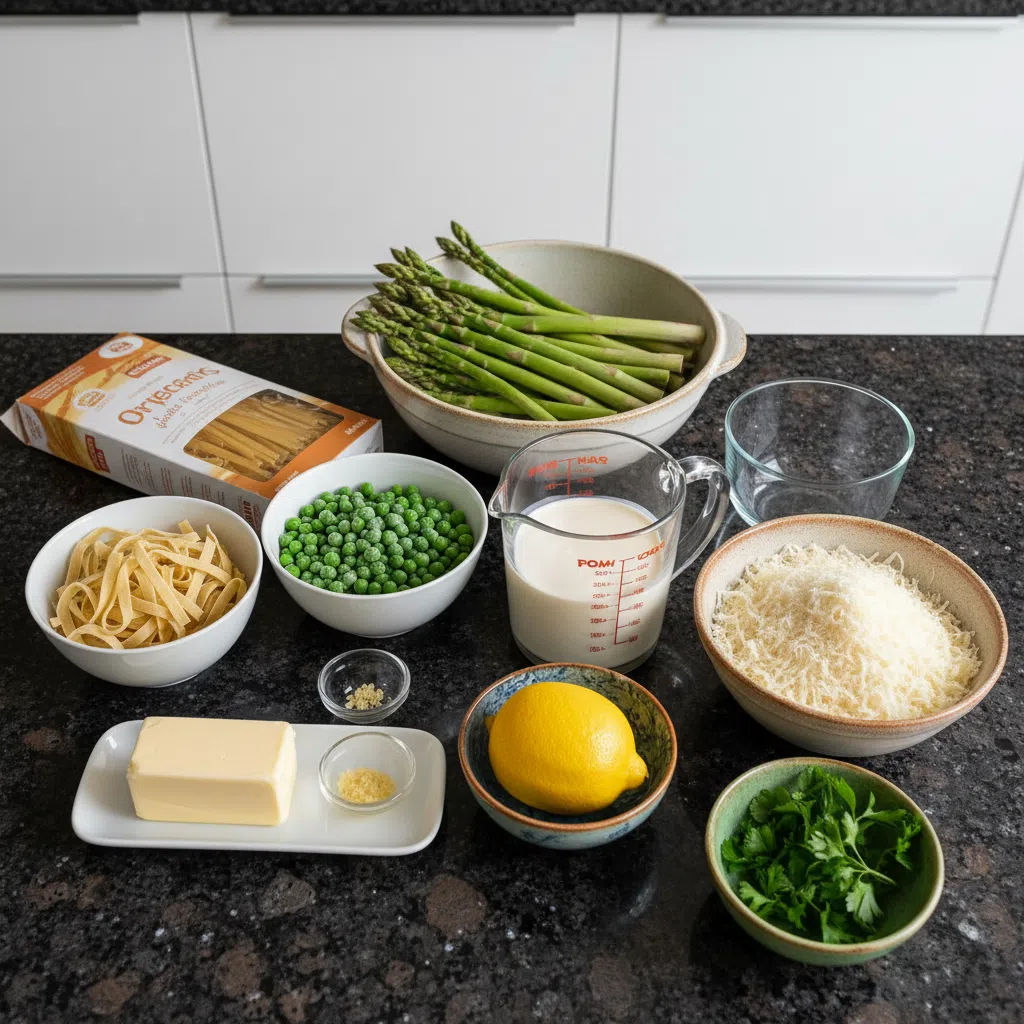
Gathering your ingredients is the first step to creating this delightful Spring Fettuccine with Asparagus. Here’s exactly what you’ll need:
- 12 oz. fettuccine pasta
- 1 bunch asparagus
- 2 tablespoons olive oil
- ½ cup frozen green peas
- 2 tablespoons butter
- 1 clove garlic (minced)
- 1 ½ cups heavy cream
- 1 ½ cup fresh grated parmesan cheese
- For garnish: lemon zest (parsley)
Ingredient Notes & Substitutions
Fettuccine: While fettuccine is a classic choice, don’t hesitate to use alternatives like spaghetti or linguine if that’s what you have on hand. For dietary needs, gluten-free pasta works wonderfully too.
Asparagus: When selecting asparagus, look for vibrant green spears with tight, firm tips. This key spring vegetable adds a beautiful color and crisp texture to the dish.
Green Peas: Frozen green peas are incredibly convenient and always deliver on flavor. For a slight variation, you could also try fresh snap peas or even sweet corn when it’s in season.
Heavy Cream: Heavy cream is absolutely essential here. It provides that rich, luxurious texture characteristic of a classic Alfredo sauce and is crucial for a successful emulsification of the sauce.
Parmesan Cheese: Always, always opt for fresh grated parmesan cheese. It melts beautifully and offers a superior, nutty flavor that pre-shredded varieties simply can’t match.
Garnish: Lemon zest is not just for looks; it’s an expert tip for a reason! It adds a crucial bright, fresh finish that really makes the flavors pop. Fresh parsley also adds a lovely herbaceous note.
Crucial for the Twist: Don’t forget to include ¼ – ½ cup dry white wine, such as a Pinot Grigio or Sauvignon Blanc, in your shopping list. This enhances the flavor and brightness as part of our unique twist.
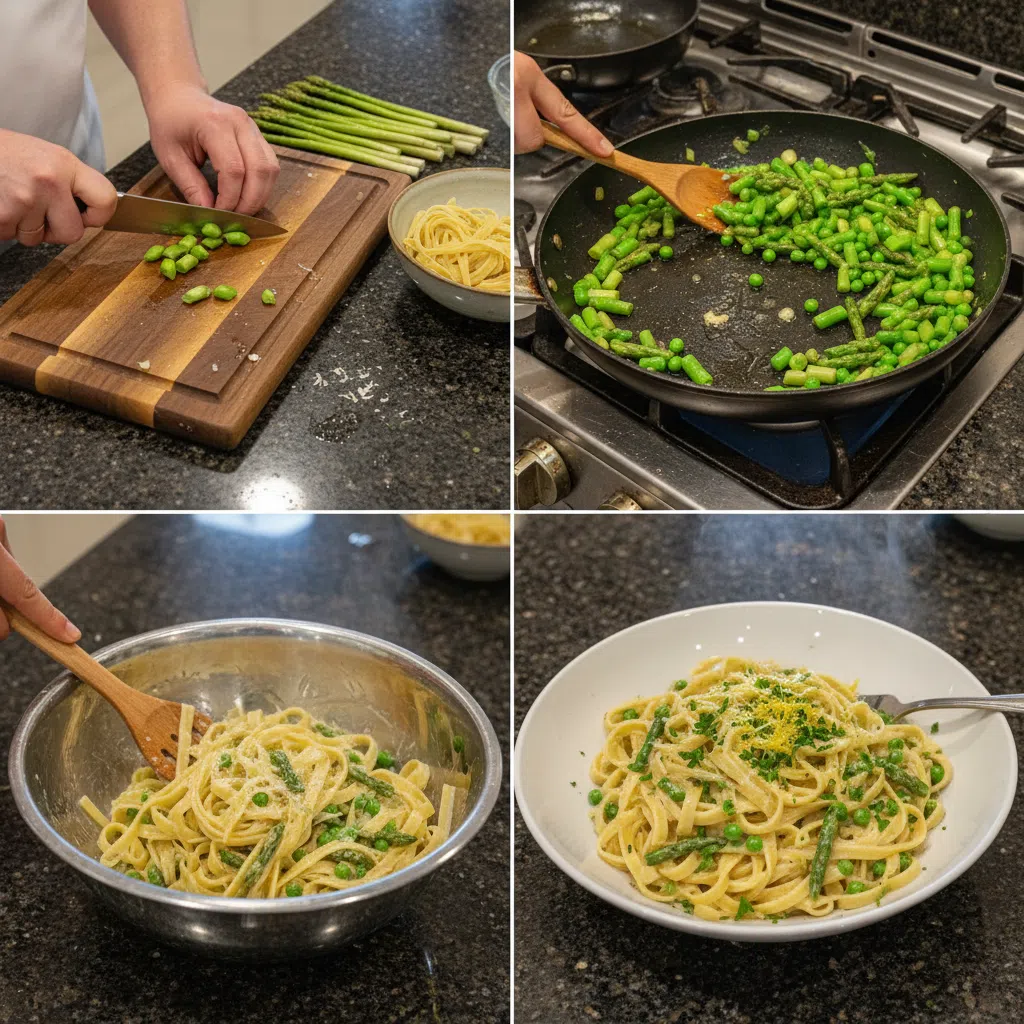
How to Make Spring Fettuccine with Asparagus
Let’s get cooking! Follow these steps to create a creamy and zesty Spring Fettuccine with Asparagus that you’ll adore.
Cook Pasta & Reserve Water
Bring a large pot of heavily salted water to a rolling boil. Add the fettuccine and cook according to package directions until al dente (typically 10-12 minutes). This is a critical step: Before draining, reserve at least 1 cup of the starchy pasta water. Drain the pasta thoroughly, but do not rinse it. Set aside.
Prepare Asparagus
While the pasta cooks, roughly chop the asparagus into 1-inch pieces, discarding the woody ends. The tender spears are perfect for this dish.
Sauté Vegetables
Add the olive oil to a large skillet or pan (ensure it’s large enough to toss all the pasta later) over medium-high heat. Add the chopped asparagus and frozen green peas. Cook, stirring occasionally, for about 5 minutes, until the asparagus is tender-crisp and has a light char on some edges, showcasing the spring vegetables freshness.
Remove Vegetables
Remove the cooked vegetables from the pan and set them aside to prevent overcooking while you prepare the sauce.
Sauté Garlic & Butter
Reduce the heat to medium. Add the butter and minced garlic to the same pan. Cook, stirring frequently, until the butter has melted and the garlic is fragrant (about 30 seconds to 1 minute), taking care not to burn the garlic.
Build the Sauce with the Twist
Pour in the heavy cream and stir well. Add 1 cup of the fresh grated parmesan cheese. Stir constantly until the cheese melts and the sauce is smooth and slightly thickened. Now, add a splash of dry white wine (about ¼ to ½ cup, such as Pinot Grigio or Sauvignon Blanc) and begin incorporating the reserved pasta water (start with ½ cup, adding more as needed) to achieve a velvety, emulsified sauce that coats a spoon.
Combine Pasta & Sauce (The Core Twist)
Turn the heat off. Immediately add the unrinsed, al dente cooked fettuccine and the reserved cooked vegetables back into the pan with the sauce. Use tongs to toss everything vigorously until the pasta is evenly coated, absorbing the sauce and finishing its cooking directly in the pan. The residual starch on the pasta will help thicken the sauce further, creating a creamy pasta.
Garnish & Serve
Garnish generously with the remaining parmesan cheese, plenty of fresh lemon zest (for a bright, fresh flavor), and chopped fresh parsley. Serve immediately, enjoying the creamy, fresh, light, and zesty flavors.
Mastering Your Sauce & Asparagus Perfection
Achieving a truly outstanding Spring Fettuccine with Asparagus means understanding a few key techniques for both your creamy sauce and your vibrant vegetables. I’m here to share my expertise to ensure your dish is perfect every time.
Perfecting Your Creamy Alfredo Sauce
The Power of Pasta Water: The reserved pasta water is your secret weapon for a consistently creamy Alfredo sauce. The starches released from the pasta during cooking act as a natural emulsifier, helping to bind the butter, cream, and cheese into a smooth, cohesive sauce that clings beautifully. I typically start with ½ cup and add more, tablespoon by tablespoon, until I reach my desired velvety consistency.
Troubleshooting Sauce Consistency: Sometimes, things don’t go exactly as planned, but don’t worry! If your sauce is too thick, simply thin it out with a little more reserved pasta water or a splash of warm milk or cream. If it’s too thin, simmer it gently for a minute or two to allow it to reduce slightly, or stir in a touch more Parmesan cheese. As the pasta finishes cooking in the sauce, it will also absorb liquid and help thicken it naturally.
Preventing Sauce from Breaking: The key to a smooth, cohesive sauce is gentle heat and continuous stirring. Avoid high heat, which can cause the heavy cream to separate or the Parmesan cheese to clump. Keep the heat at medium-low while building your sauce, and stir frequently until everything is beautifully combined.
Achieving Asparagus Perfection & Recipe Yield
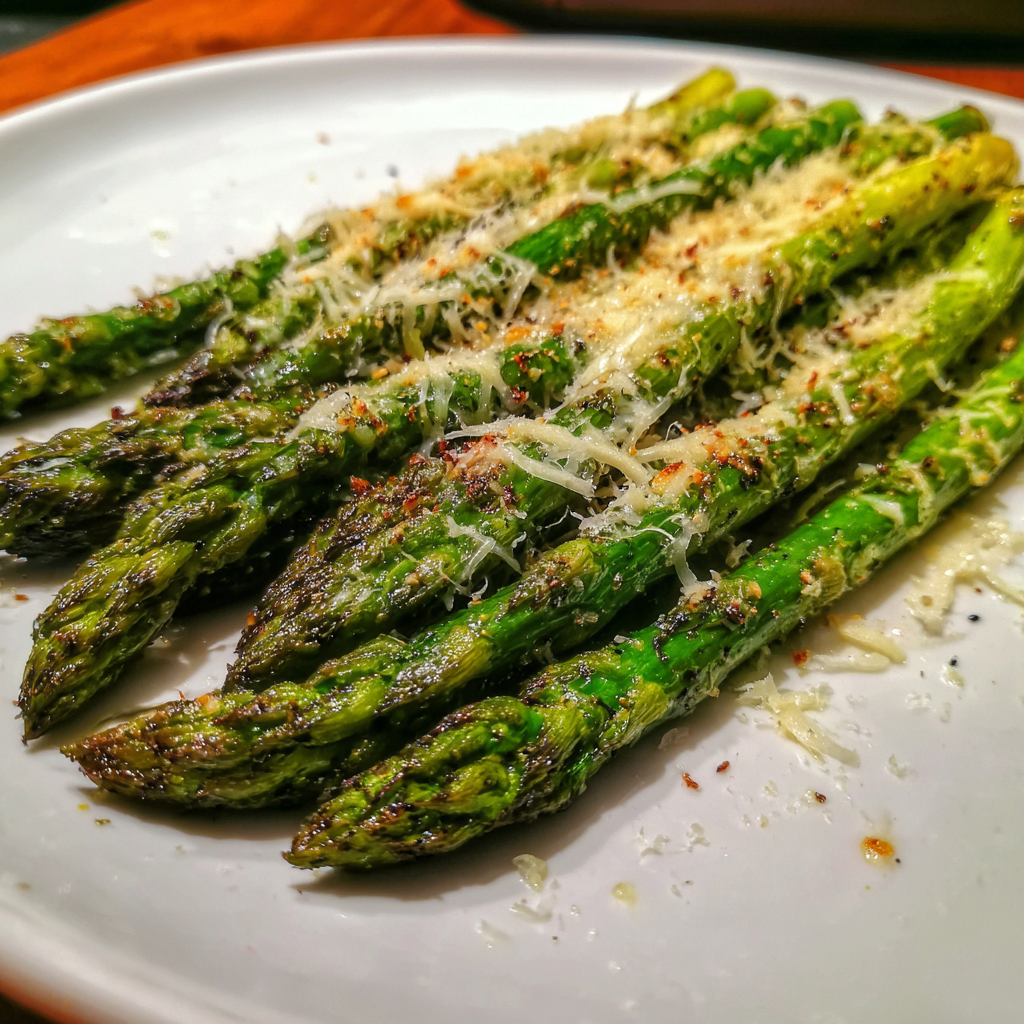
Specific Doneness for Asparagus: I aim for tender-crisp asparagus. This means it should be bright green, slightly pliable but still have a pleasant snap when you bite into it. It should not be mushy or dull in color. Cooking it for about 5 minutes with a light char usually achieves this perfection.
Alternative Cooking Methods for Asparagus: While sautéing is quick and easy for this recipe, you have other options. For a super bright green and crisp texture, you can blanch the asparagus in boiling water for 1-2 minutes, then immediately plunge it into an ice bath. For a slightly softer, caramelized flavor, roasting or charring the asparagus at higher temperatures in the oven or on a grill pan also works wonderfully.
Precise Serving Size/Yield: This recipe typically yields 4-6 generous servings. I find that about 1 to 1.5 cups per person makes for a satisfying meal, especially if you’re pairing it with a protein or a light side salad.
Pro Tips & Troubleshooting
I’ve cooked countless pasta dishes, and these are my absolute best tips to ensure your Spring Fettuccine with Asparagus is nothing short of spectacular. I’ll also share some common pitfalls to avoid.
Pro Tips
Fresh Lemon Zest is Essential: Don’t underestimate the power of fresh lemon zest added right at the end. It provides a bright, zesty counterpoint to the creamy pasta, elevating the entire dish and waking up your palate. This is truly an expert tip!
Never Rinse Your Pasta: This is a crucial part of my unique twist. Rinsing pasta washes away the precious starches that help your sauce cling and thicken beautifully. The residual starch on the unrinsed pasta is exactly what we want for an optimal sauce texture.
Use Freshly Grated Parmesan: I cannot stress this enough. Fresh grated parmesan cheese melts seamlessly into the sauce and offers a far superior, richer flavor compared to pre-shredded varieties, which often contain anti-caking agents that hinder melting.
Emulsify with Starchy Pasta Water: Remember our discussion on emulsification? That starchy pasta water is your best friend. It helps create a smooth, cohesive sauce that evenly coats every piece of fettuccine. Start with a little, and add more until you reach your desired consistency.
Cook Pasta Al Dente: Your pasta should still have a slight bite to it when you drain it. This is because it will continue to cook slightly in the warm sauce, absorbing flavors and reaching perfect doneness without becoming mushy.
Don’t Skip the Wine: That splash of dry white wine (like a Pinot Grigio or Sauvignon Blanc) adds an extra layer of brightness, acidity, and sophistication that truly makes this dish sing. It’s a subtle but impactful flavor enhancer.
Common Mistakes to Avoid
Rinsing the Pasta: This is the number one mistake I see home cooks make. It strips away the starches needed for your sauce to properly cling and thicken, leading to a less cohesive dish.
Overcooking the Asparagus: Mushy, dull-colored asparagus is a sad sight. Aim for tender-crisp to retain its vibrant color, slight bite, and nutritional value.
High Heat for Sauce: Blasting your heavy cream and Parmesan with high heat can cause the cream to separate or the cheese to clump, resulting in a grainy or broken sauce. Keep the heat medium-low.
Forgetting to Reserve Pasta Water: This omission can lead to a dry, less flavorful, or un-emulsified sauce that lacks that desired silky texture. Always reserve at least a cup!
Adding Cold Pasta to Sauce: If your pasta has cooled down too much before adding it to the sauce, it can cool the sauce excessively and hinder proper coating and flavor absorption. Add it while it’s still warm and fresh from draining.
Serving & Storage
Once you’ve mastered this Spring Fettuccine with Asparagus, you’ll want to know the best ways to enjoy it and keep those delicious leftovers fresh.
Serving Ideas
Protein Pairings: For a complete and satisfying dinner recipe, this creamy pasta pairs wonderfully with various proteins. I often serve it alongside perfectly sliced grilled chicken, pan-seared salmon, or sautéed shrimp. Their lean flavors complement the richness of the pasta beautifully.
Garnishing: Don’t skimp on the final touches! A generous sprinkle of extra Parmesan cheese, plenty of fresh lemon zest, and a scattering of chopped fresh parsley not only enhance the presentation but also add layers of flavor that make each bite pop.
Suggested Sides: To balance the richness of the pasta, a simple green salad with a light vinaigrette is always a good choice. Crusty garlic bread is also a delightful addition for soaking up any extra sauce.
Wine Pairings: To echo the dry white wine used in the dish and enhance those fresh spring flavors, I recommend pairing this fettuccine with a crisp Pinot Grigio or Sauvignon Blanc. It’s a match made in culinary heaven!
Storage and Make-Ahead
Refrigeration: For any delicious leftovers, store them in an airtight container in the refrigerator for 2-3 days. This ensures food safety and maintains optimal freshness.
Reheating for Optimal Quality: To restore the creamy texture and prevent the pasta from drying out, I recommend reheating leftovers gently on the stovetop over low heat. Add a splash of milk, cream, or even a little reserved pasta water while stirring occasionally until warmed through and creamy again.
Freezing: I generally advise against freezing creamy pasta dishes. The texture of the sauce tends to separate upon thawing, affecting the overall quality and creaminess.
Meal Prep Tips: While the final combining of the pasta and sauce is best done just before serving for optimal results, you can prep some components in advance. The asparagus can be chopped, and garlic minced. However, the creamy sauce and pasta are truly best when made fresh.
Conclusion
There you have it—a truly exceptional Spring Fettuccine with Asparagus that brings the vibrant flavors of the season right to your dinner table. With its ease as a weeknight meal and the exceptionally creamy and zesty results achieved through my unique twist techniques—using pasta water, dry white wine, and adding unrinsed pasta directly to the sauce—this dish is sure to become a cherished favorite.
With all the pro tips and detailed instructions I’ve shared, I’m confident that you can achieve a restaurant-quality dish right in your own kitchen. I encourage you to try this recipe, perhaps experiment with some vegetable substitutions or protein additions like grilled chicken or seared salmon. Share your delicious creations and keep exploring more nutritious meal and dinner recipe ideas!
FAQ
What is Spring Fettuccine with Asparagus?
It is a vibrant, creamy pasta dish that celebrates fresh spring vegetables like asparagus and green peas. Often enriched with Alfredo sauce elements, it makes for a fresh, satisfying, and easy dinner recipe.
How can I ensure my Alfredo sauce is smooth and creamy?
Key tips include using fresh grated parmesan cheese, adding heavy cream gradually, stirring constantly, and critically, utilizing reserved pasta water for emulsification. Maintain low to medium heat to prevent the sauce from breaking.
Can I substitute the vegetables in this recipe?
Yes, absolutely! Excellent vegetable substitutions include snap peas, sweet corn, or even sautéed spinach for delicious variety.
How long does spring fettuccine last in the fridge?
You can store leftovers in an airtight container in the refrigerator for 2-3 days for optimal freshness and food safety.
What are some good protein pairings for this pasta dish?
This dish pairs wonderfully with grilled chicken, seared salmon, or sautéed shrimp for a complete and satisfying meal.
Can I use a different type of pasta for this recipe?
Absolutely! While fettuccine is classic, spaghetti or linguine are great alternatives. You can also use gluten-free pasta to adapt the recipe to dietary needs.
Is heavy cream necessary for alfredo sauce?
Heavy cream provides the classic rich, luxurious texture of an Alfredo sauce. While you can experiment with lighter alternatives like half-and-half, the sauce’s creaminess and stability might be affected.
How can I reheat leftover Spring Fettuccine with Asparagus to keep it creamy?
Gently reheat on the stovetop over low heat, adding a splash of milk, cream, or pasta water to restore its creamy texture and prevent it from drying out.
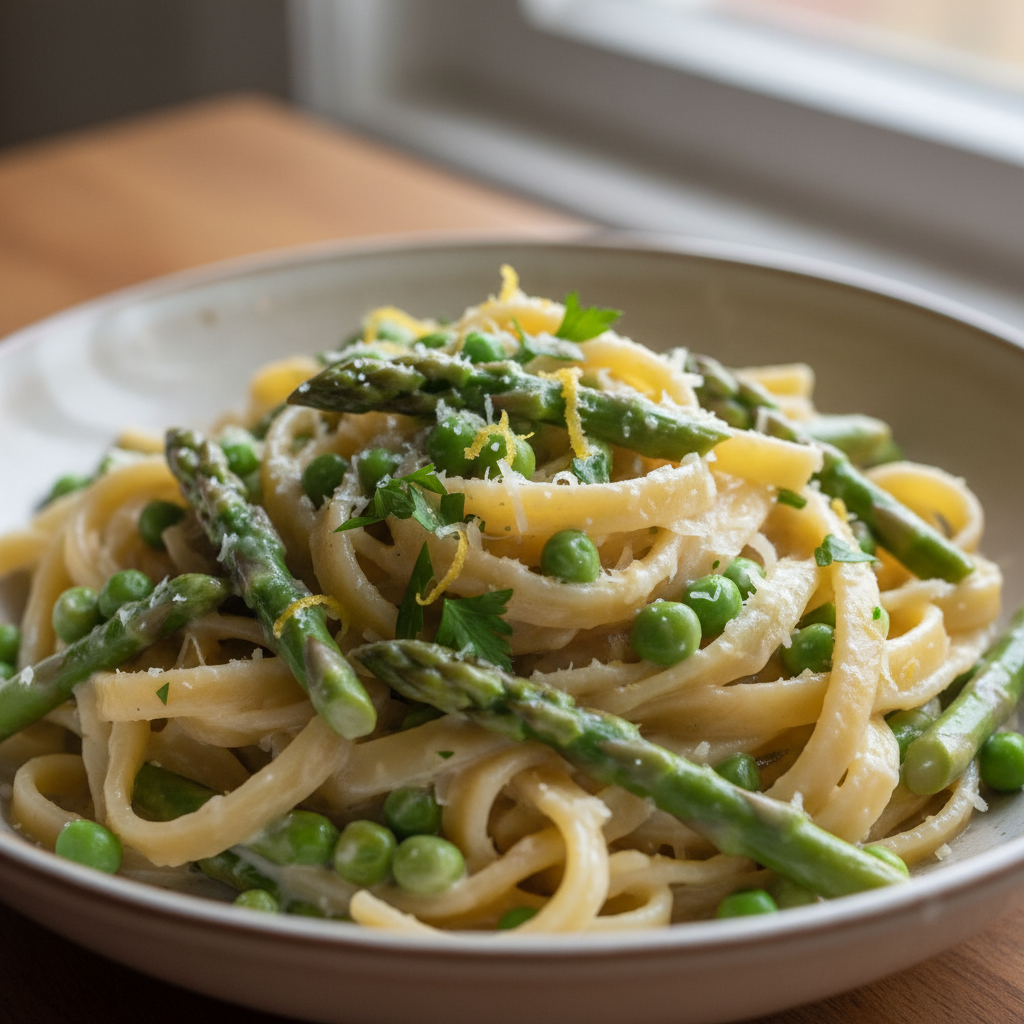
Spring Fettuccine with Asparagus: Creamy & Zesty Pasta
Ingredients
Equipment
Method
- Bring a large pot of heavily salted water to a rolling boil. Add the fettuccine and cook according to package directions until al dente (typically 10-12 minutes).
- Before draining, reserve at least 1 cup of the starchy pasta water. Drain the pasta thoroughly, but do not rinse it. Set aside.
- While the pasta cooks, roughly chop the asparagus into 1-inch pieces, discarding the woody ends.
- Add the olive oil to a large skillet or pan over medium-high heat. Add the chopped asparagus and frozen green peas. Cook, stirring occasionally, for about 5 minutes, until the asparagus is tender-crisp and has a light char on some edges.
- Remove the cooked vegetables from the pan and set them aside to prevent overcooking while you prepare the sauce.
- Reduce the heat to medium. Add the butter and minced garlic to the same pan. Cook, stirring frequently, until the butter has melted and the garlic is fragrant (about 30 seconds to 1 minute), taking care not to burn the garlic.
- Pour in the heavy cream and stir well. Add 1 cup of the fresh grated parmesan cheese. Stir constantly until the cheese melts and the sauce is smooth and slightly thickened.
- Now, add a splash of dry white wine (about ¼ to ½ cup, such as Pinot Grigio or Sauvignon Blanc) and begin incorporating the reserved pasta water (start with ½ cup, adding more as needed) to achieve a velvety, emulsified sauce that coats a spoon.
- Turn the heat off. Immediately add the unrinsed, al dente cooked fettuccine and the reserved cooked vegetables back into the pan with the sauce. Use tongs to toss everything vigorously until the pasta is evenly coated, absorbing the sauce and finishing its cooking directly in the pan.
- Garnish generously with the remaining parmesan cheese, plenty of fresh lemon zest, and chopped fresh parsley. Serve immediately, enjoying the creamy, fresh, light, and zesty flavors.