Skip to content
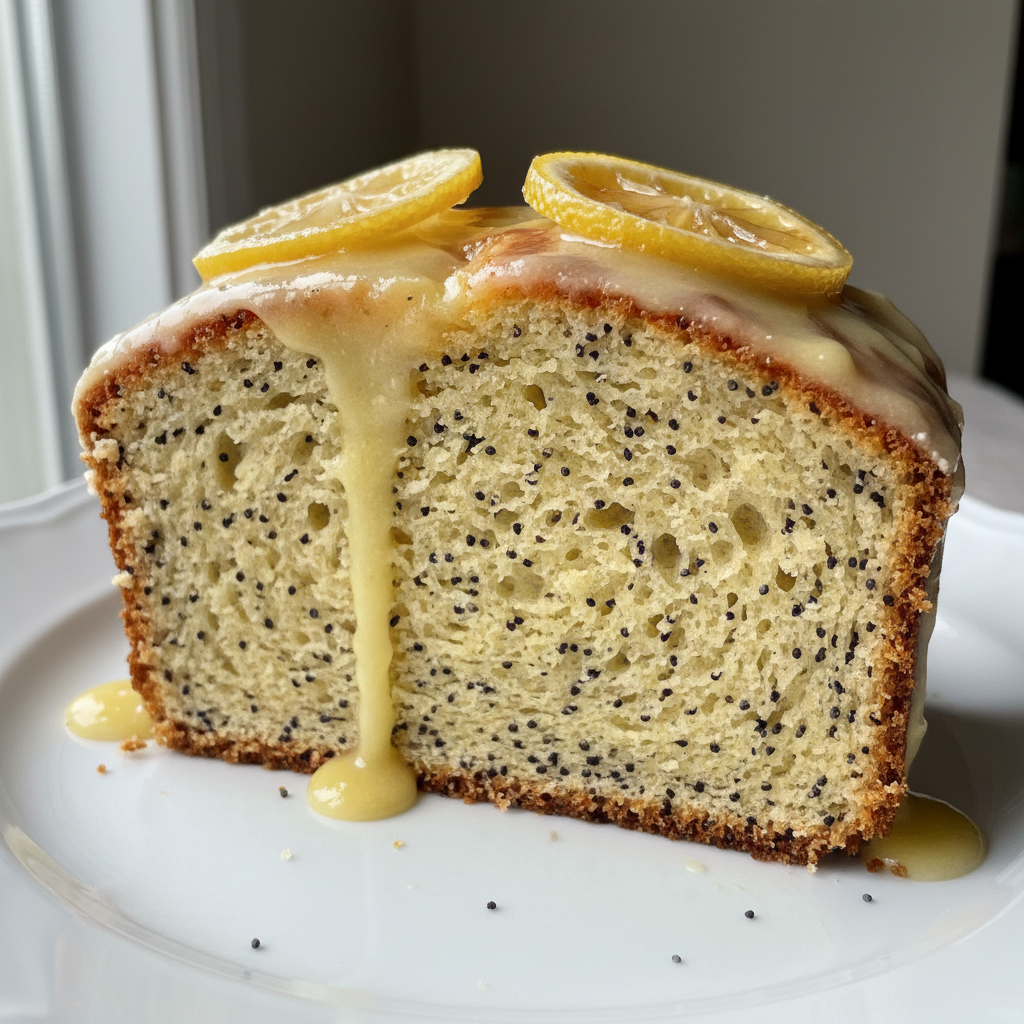
There are few things more delightful than the bright, sunny aroma of a freshly baked lemon poppy seed bread filling my kitchen. That first slice, with its tender crumb and a burst of citrus, is pure bliss. While lemon poppy seed bread is a beloved classic, I’ve discovered a couple of simple yet ingenious techniques that truly elevate it, making it exceptionally moist, bursting with lemon flavor, and perfectly nutty. If you’re searching for the ultimate version of this comforting treat, you’ve just found it. Get ready to discover the secrets to the best moist and flavorful lemon poppy seed bread you’ve ever made, with a special two-part twist involving how we treat the milk and the poppy seeds themselves. This recipe isn’t just easy; it’s a game-changer for integrated lemon-poppy seed magic.
Why You’ll Love This Recipe
My kitchen thrives on little secrets that make a big difference, and this lemon poppy seed bread recipe is packed with them. The true genius lies in a two-part technique that guarantees unparalleled depth of flavor and moisture.
The first part of the twist is all about the lemon-infused milk. Instead of just tossing lemon zest into the batter, I gently warm the whole milk with fresh lemon zest for 10-15 minutes before mixing. This simple step extracts so much more of those precious essential oils from the lemon, embedding a deeper, more integrated lemon flavor throughout every single bite of the bread. It’s a profound, natural lemon taste that stands out from recipes where the zest just sits on the surface.
Next, we give the poppy seeds some special attention. I gently toast the poppy seeds in a dry pan for just 2-3 minutes. This isn’t just for fun; it’s a clever move. The heat initiates the Maillard reaction, which dramatically enhances their natural nutty aroma and adds a layer of complexity that untoasted seeds simply can’t provide. You’ll notice a much richer, more defined nutty flavor complementing the bright lemon.
These techniques, along with a few other expert tips, contribute to significant improvements in taste, texture, and reliability. You get a truly bright lemon flavor that feels natural and profound, perfectly complemented by the nutty flavor of toasted poppy seeds. Bringing all your room temperature ingredients together, especially with the slightly warmed milk, helps create a seamless, evenly textured batter that bakes up into a wonderfully moist, soft texture with a tight crumb. The result? Consistently flavorful bread every single time, minimizing common quick bread issues and delivering a truly indulgent dessert or breakfast treat that’s foolproof and versatile enough for any occasion. It’s perfect for special occasions or a simple everyday treat, offering easy variations and serving ideas to explore.
Ingredients Needed

- 2 cups (250g) all-purpose flour (spooned & leveled)
- 4 teaspoons poppy seeds
- 1 teaspoon baking soda
- 1/2 teaspoon baking powder
- 1/4 teaspoon salt
- 1 large egg, at room temperature
- 3/4 cup (150g) granulated sugar
- 1/3 cup (80ml) vegetable oil
- 1/3 cup (80g) sour cream (or plain yogurt/Greek yogurt), at room temperature
- 2/3 cup (160ml) whole milk, at room temperature
- 3 Tablespoons (45ml) lemon juice
- 1 Tablespoon lemon zest
- 1/2 cup (60g) confectioners’ sugar
- 1 Tablespoon (15ml) lemon juice
- optional: candied lemon slices (I followed this tutorial to make them)
Ingredient Notes & Substitutions
When measuring your all-purpose flour, remember the spoon-and-level method. Spoon the flour into your measuring cup and then level it off with a straight edge. This prevents you from compacting the flour and adding too much, which can lead to a dry crumb or a dense texture.
Don’t skip toasting your poppy seeds! It’s a small step that brings out that wonderful nutty flavor. If you’re feeling adventurous or don’t have poppy seeds, black sesame seeds or chia seeds can offer a similar texture and visual appeal.
Our leavening agents, baking soda and baking powder, work together to give this bread its beautiful lift and soft texture.
For the best emulsification and a super smooth batter, it’s really important for your large egg, sour cream, and whole milk to be at room temperature ingredients. For sour cream, plain yogurt or Greek yogurt are excellent substitutes. If you’re looking for non-dairy options for whole milk, full-fat coconut milk or other non-dairy milks might work, but be aware they could alter the flavor and texture slightly; I always recommend full-fat options for moisture.
For the brightest citrus zest flavor, always use fresh lemon juice and lemon zest. A pro tip: zest your lemons before you juice them, and be careful to only get the yellow part of the peel, avoiding the bitter white pith underneath.
Granulated sugar provides the perfect sweetness for the bread itself (feel free to adjust slightly to your preference!), and confectioners’ sugar creates that irresistible lemon glaze.
Vegetable oil (or any other neutral oil) is my preference here because it contributes wonderful moisture without adding any competing flavors to our bright lemon.

How to Make Lemon Poppy Seed Bread
Making this lemon poppy seed bread is a delightful experience, especially with our unique flavor-boosting steps. Let’s get baking!
Prepare the Oven and Loaf Pan
First, preheat your oven to 350°F (177°C). Prepare a 9×5-inch loaf pan by spraying it generously with nonstick spray. I always place my loaf pan on the middle rack of the oven for the most even baking.
Infuse the Lemon Milk & Toast Poppy Seeds
This is where our unique twist comes in! Gently warm the 2/3 cup whole milk in a small saucepan over low heat or in the microwave until it’s just lukewarm, not hot. Stir in the 1 Tablespoon lemon zest. Let this mixture infuse for 10-15 minutes; you’ll notice the essential oils blooming and a wonderful lemon aroma developing. This step is crucial for that deep, integrated lemon flavor. While the milk is infusing, gently toast the 4 teaspoons poppy seeds in a dry skillet over medium-low heat. Stir them constantly for 2-3 minutes until they become fragrant and are slightly darker. Immediately remove them from the heat and let them cool slightly. This simple step truly brings out their nutty aroma.
Combine Dry Ingredients
In a large bowl, whisk together the all-purpose flour, the now toasted poppy seeds, baking soda, baking powder, and salt until they are light and airy.
Combine Wet Ingredients
In a separate medium bowl, whisk the large egg and granulated sugar until well combined. Then, whisk in the vegetable oil, sour cream, the lemon-infused milk (you can remove the zest if you prefer, but it’s not strictly necessary), and the 3 Tablespoons lemon juice. Aim for a smooth mixture, which is easier to achieve when all your ingredients are at room temperature.
Mix Wet into Dry
Pour the wet ingredients into the dry ingredients. Whisk gently, just until everything is combined. It’s okay if there are a few small lumps; over-mixing can develop gluten and lead to a tough bread, so stop as soon as the flour streaks disappear.
Pour into Pan & Bake
Pour or spread the batter evenly into your prepared loaf pan. Bake the bread for 50 minutes to 1 hour at 350°F (177°C). Around the halfway mark, if the top is browning too quickly, you can loosely cover the loaf with foil to help it bake evenly without over-browning. You’re looking for golden brown edges.
Check for Doneness
To check if your lemon poppy seed bread is done, insert a toothpick into the center of the loaf. If it comes out clean, the bread is ready. For ultimate precision, I like to use an instant-read thermometer; the internal temperature for quick bread doneness should be between 200-205°F (93-96°C).
Cooling
Cool the bread completely in the pan, set on a wire cooling rack. I love to drizzle the lemon glaze over the bread while it’s still warm; it allows the glaze to seep down into the warm bread, adding extra hydration and flavor.
Make the Glaze
For the lemon glaze, simply whisk together the 1/2 cup confectioners’ sugar and 1 Tablespoon lemon juice until smooth. If you desire a thicker layer of shiny, bright glaze, feel free to double the glaze ingredients. Drizzle it generously over your warm or cooled bread.
Serve & Store
Slice your beautiful lemon poppy seed bread and serve! For storage details, refer to the section below.
Quick Bread Baking Success: Troubleshooting & High-Altitude Tips
Troubleshooting Common Quick Bread Issues
Even seasoned bakers encounter hiccups. Here’s how to tackle common quick bread problems:
If your bread has a dense texture or is tough, it’s almost always due to over-mixing the batter. Remember, a few small lumps are okay! Mixing just until combined prevents excessive gluten development.
A dry crumb is primarily caused by overbaking. Trust your toothpick test and internal temperature check, and don’t rely solely on visual cues. Incorrect flour measurement (too much flour) can also contribute to dryness, so spoon and level carefully.
If you find a sunken center, it might indicate underbaking, opening the oven door too early during baking, or sometimes even too much leavening. Always ensure the bread is fully cooked through before removing it from the oven.
A large crack on top of your quick bread is completely normal, and in fact, a desirable sign! It shows that the bread expanded beautifully as it cooked, especially as the center rose and baked.
For uneven baking, make sure your oven rack position is in the middle of the oven. If you notice one side browning faster, rotating the pan halfway through the bake time can help.
High-Altitude Baking Adjustments
Baking at high altitude (typically above 3,500 feet or 1,000 meters) often requires adjustments due to lower atmospheric pressure. Here’s some general guidance for quick breads:
You may need to reduce leavening agents like baking soda and baking powder slightly (e.g., by 1/8 to 1/4 teaspoon) to prevent over-rising and subsequent collapse.
Decrease the granulated sugar by 1-2 tablespoons. Less sugar helps prevent a weak structure and excessive browning.
Consider slightly increasing liquid ingredients like whole milk or sour cream by 1-2 tablespoons to counteract increased evaporation.
A slight increase in oven temperature (e.g., 25°F / 14°C) can help set the bread’s structure faster before gases over-expand. Always use the toothpick test and internal temperature check, as bake times can vary significantly at higher altitudes.
Pro Tips & Troubleshooting
Pro Tips for the Best Bread
I’ve learned a few tricks over the years that truly guarantee the most moist bread and flavorful bread:
Always bring your large egg, sour cream, and whole milk to room temperature ingredients. This ensures better emulsification, leading to a smoother batter and a more consistent, tender crumb.
Embrace the unique twist! Blooming the lemon zest in warm, lemon-infused milk and toasting the poppy seeds will give you unparalleled depth of lemon flavor and a wonderful nutty flavor.
Accurate measuring of your all-purpose flour by spooning and leveling it is key. This prevents adding too much flour, which can quickly lead to a dry crumb.
Do not overmix your batter. A few small lumps are perfectly fine. Overmixing develops gluten, which will result in a tough bread instead of a soft texture.
For the perfect glaze, if you love a generous coating, double the glaze ingredients for a thicker layer of lemon glaze. Drizzling it while the bread is still warm allows the glaze to seep in, adding extra hydration and flavor.
When zesting, only get the bright yellow part of the lemon peel. The white pith underneath can be bitter, so avoid it for the best citrus zest flavor.
Common Mistakes to Avoid
Even with a great recipe, it’s easy to make small errors. Here are the common pitfalls to watch out for:
Over-mixing the batter is probably the most crucial mistake in quick bread baking. It leads to a tough, dry texture rather than a lovely soft texture.
Overbaking is another major culprit behind a dry crumb. Always test for doneness using a toothpick or internal thermometer; don’t just rely on how it looks.
Ignoring room temperature ingredients can result in a lumpy batter and an inconsistent final texture. Plan ahead and let them sit out!
Skipping the unique twist of blooming the lemon zest in milk and toasting the poppy seeds means you’ll miss out on the most vibrant lemon flavor and muted poppy seed aroma.
Improper pan preparation is a simple but frustrating mistake. Not greasing and flouring your loaf pan properly can cause the bread to stick, making it difficult to remove.
Opening the oven door too early, especially during the first two-thirds of baking, can cause your bread to sink in the middle as it tries to set.
Serving & Storage
Serving Ideas
This lemon poppy seed bread is a versatile delight, perfect for many occasions. Serve slices plain for a subtle, comforting treat, or drizzle generously with the lemon glaze for an extra pop of sweetness and citrus.
For an elegant touch, garnish your slices with candied lemon slices. To make them, simply thinly slice a lemon, simmer the slices in a simple syrup until translucent, then dry them. They add a beautiful, edible decoration.
This bread pairs beautifully with a cup of coffee or tea, making it a wonderful breakfast treat or afternoon snack. It also serves as a light dessert after any meal. While it’s delicious completely cooled for clean slicing, try a slice slightly warm, perhaps with a dollop of whipped cream, for an extra indulgent experience.
Storage and Make-Ahead
This quick bread is fantastic for making ahead and stores wonderfully!
To keep your moist bread and soft texture at its best, store plain or glazed bread at room temperature, covered tightly, for up to 2 days. If you need it to last longer, transfer it to the refrigerator, wrapped tightly to prevent drying, for up to 1 week. Bring it to room temperature or gently warm it before serving for the best flavor.
For longer-term storage, this recipe is perfect for freezing. Once the bread is completely cool, wrap it tightly in plastic wrap, then in foil. Place the wrapped loaf in a freezer-safe bag. It will keep well for up to 3 months. When you’re ready to enjoy it, thaw the bread at room temperature or in the refrigerator overnight.
Because this quick bread recipe holds up so well, it’s an excellent option for meal prep, unexpected guests, or a thoughtful homemade gift.
Flavor Variations & Add-ins
Feel free to get creative and customize your bread!
For different flavor profiles, you can swap out the lemon juice and lemon zest for other citrus zest options like orange, blood orange, lime, or even grapefruit.
If you’re looking for an alternative to poppy seeds, black sesame seeds or chia seeds offer a similar texture and visual. You can also incorporate about 1 cup of chopped blueberries into the batter for a delicious lemon blueberry poppy seed bread.
For a completely different twist, try replacing the lemon flavor with almond extract for an almond poppy seed loaf.
Conclusion
I genuinely believe this recipe delivers the best lemon poppy seed bread you’ll ever bake. The unique twist of lemon-infused milk and toasted poppy seeds isn’t just a gimmick; it’s a technique that truly transforms the bread, ensuring it’s both incredibly moist and packed with a profound, integrated lemon flavor. It’s the kind of recipe that makes your kitchen smell amazing and brings a smile to everyone’s face with every bite.
Whether you’re a seasoned baker or just starting out, this quick bread recipe is approachable and immensely rewarding. With my clear instructions and integrated pro tips, you’re set for success. I encourage you to try it, experiment with the suggested variations, and share your delicious creations! There’s nothing quite like the joy of homemade baking.
FAQ
What makes this lemon poppy seed bread so moist and flavorful?
This bread is exceptionally moist and flavorful thanks to our unique twist: lemon-infused milk and toasted poppy seeds that deeply embed flavor. The use of sour cream and vegetable oil also contributes to the moist bread, along with the critical step of using room temperature ingredients for a smooth, cohesive batter.
Why does my quick bread have a large crack on top, and is that normal?
Yes, a prominent crack on top is completely normal for quick bread and is a sign of proper rising and baking. It indicates that the center cooked and expanded well, resulting in a perfectly baked loaf.
What are the best ways to store and freeze leftover lemon poppy seed bread?
Store plain or glazed bread at room temperature, covered tightly, for up to 2 days to maintain its moist bread and soft texture. For longer storage, keep it in the refrigerator, wrapped tightly, for up to 1 week. For freezing instructions, cool completely, then wrap tightly in plastic wrap, then foil, and store in a freezer-safe bag for up to 3 months. Thaw at room temperature or overnight in the refrigerator.
Can I adapt this recipe to make muffins or mini loaves?
Yes, you can! This recipe works well for muffins or mini loaves. The bake time will need to be adjusted; muffins typically take 20-25 minutes, and mini loaves often bake in 30-40 minutes. Always check for doneness with a toothpick.
Are there any substitutions I can make for sour cream or milk?
Absolutely. For sour cream, plain yogurt or Greek yogurt are excellent substitutes. For whole milk, other dairy milks work just as well. If using non-dairy options like full-fat coconut milk, be aware that the texture might be slightly different.
Can I add other fruits or adjust the citrus flavor in this bread?
Yes, definitely! You can add about 1 cup of blueberries to the batter for a delicious twist. You can also swap out the lemon juice and lemon zest for other citrus zest like orange or lime. For a completely different flavor, try using almond extract instead of lemon.
How do I know when the lemon poppy seed bread is done baking?
The best way to tell if your lemon poppy seed bread is done is by inserting a toothpick into the center; it should come out clean. For ultimate accuracy, the recommended internal temperature for quick bread doneness is 200-205°F (93-96°C) when checked with an instant-read thermometer.
What is the best way to measure flour for baking?
The best way to measure all-purpose flour for baking is the spooned & leveled method. Gently spoon the flour into your measuring cup until it’s overflowing, then use a straight edge (like the back of a knife) to level off the excess. This prevents compacting the flour, which can lead to using too much and a dry crumb.
The BEST Moist Lemon Poppy Seed Bread (Secret Twist!)
Ingredients
Equipment
Method
- First, preheat your oven to 350°F (177°C). Prepare a 9x5-inch loaf pan by spraying it generously with nonstick spray. Place your loaf pan on the middle rack of the oven for the most even baking.
- Gently warm the 2/3 cup whole milk in a small saucepan over low heat or in the microwave until it’s just lukewarm, not hot. Stir in the 1 Tablespoon lemon zest. Let this mixture infuse for 10-15 minutes; you’ll notice the essential oils blooming and a wonderful lemon aroma developing. This step is crucial for that deep, integrated lemon flavor.
- While the milk is infusing, gently toast the 4 teaspoons poppy seeds in a dry skillet over medium-low heat. Stir them constantly for 2-3 minutes until they become fragrant and are slightly darker. Immediately remove them from the heat and let them cool slightly. This simple step truly brings out their nutty aroma.
- In a large bowl, whisk together the all-purpose flour, the now toasted poppy seeds, baking soda, baking powder, and salt until they are light and airy.
- In a separate medium bowl, whisk the large egg and granulated sugar until well combined. Then, whisk in the vegetable oil, sour cream, the lemon-infused milk (you can remove the zest if you prefer, but it’s not strictly necessary), and the 3 Tablespoons lemon juice. Aim for a smooth mixture, which is easier to achieve when all your ingredients are at room temperature.
- Pour the wet ingredients into the dry ingredients. Whisk gently, just until everything is combined. It’s okay if there are a few small lumps; over-mixing can develop gluten and lead to a tough bread, so stop as soon as the flour streaks disappear.
- Pour or spread the batter evenly into your prepared loaf pan. Bake the bread for 50 minutes to 1 hour at 350°F (177°C). Around the halfway mark, if the top is browning too quickly, you can loosely cover the loaf with foil to help it bake evenly without over-browning. You’re looking for golden brown edges.
- To check if your lemon poppy seed bread is done, insert a toothpick into the center of the loaf. If it comes out clean, the bread is ready. For ultimate precision, use an instant-read thermometer; the internal temperature for quick bread doneness should be between 200-205°F (93-96°C).
- Cool the bread completely in the pan, set on a wire cooling rack. Drizzle the lemon glaze over the bread while it’s still warm; it allows the glaze to seep down into the warm bread, adding extra hydration and flavor.
- For the lemon glaze, simply whisk together the 1/2 cup confectioners’ sugar and 1 Tablespoon lemon juice until smooth. If you desire a thicker layer of shiny, bright glaze, feel free to double the glaze ingredients. Drizzle it generously over your warm or cooled bread.
- Slice your beautiful lemon poppy seed bread and serve! For storage details, refer to the section below.