Skip to content
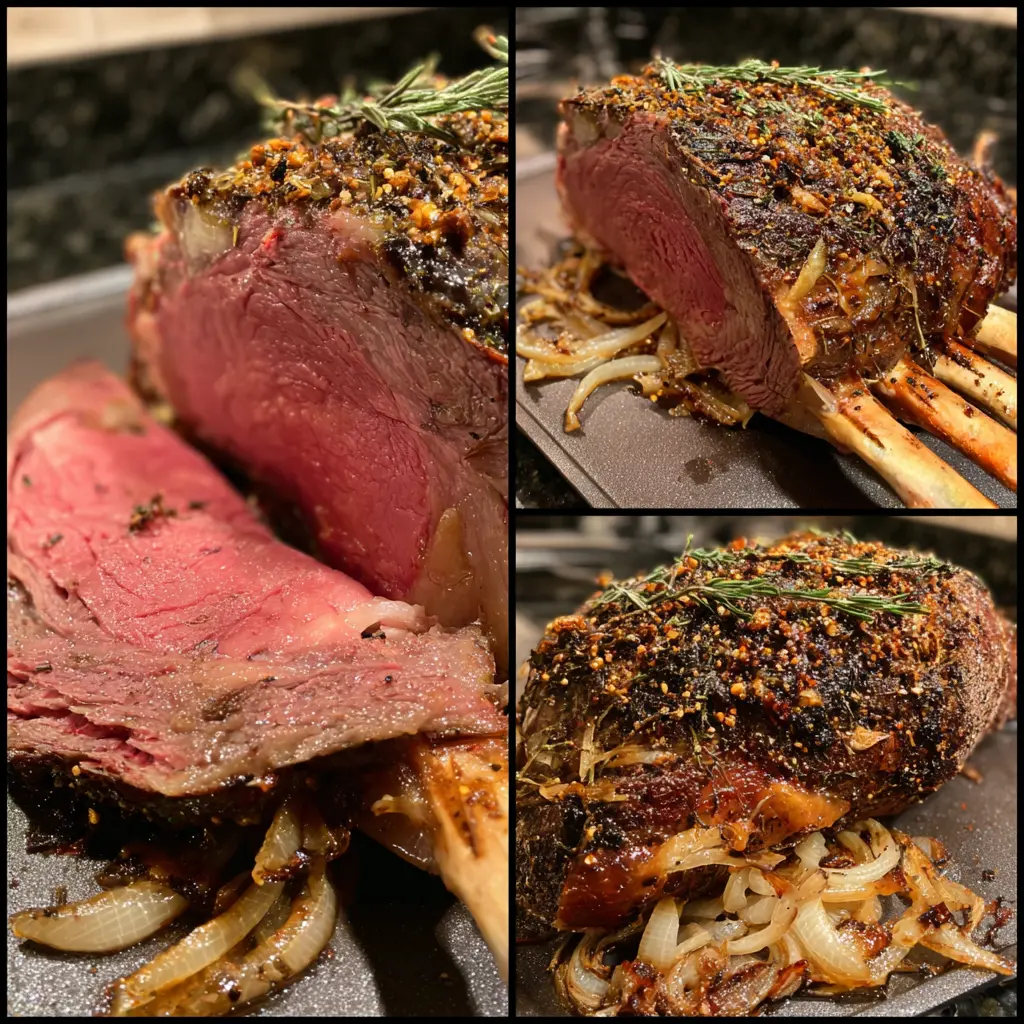
Elevate your holiday table with The Perfect Prime Rib Roast Family Recipe, the ultimate show-stopping meal! This restaurant-quality method delivers unbelievably tender, juicy, and flavorful results every time. Forget intimidation; we’re sharing a foolproof process that makes cooking prime rib simple. You’ll master this impressive dish, whether you’re feeding a small gathering or a large family feast, adapting easily for any roast size.
Why You’ll Love This Prime Rib Roast
- Guaranteed Restaurant Quality: Achieve rich, savory flavor and a perfectly cooked interior, rivaling your favorite steakhouse.
- Tender & Juicy: Our method ensures your prime rib remains incredibly moist and succulent from edge to edge.
- Simple Special Occasion Meal: This repeatable process takes the stress out of preparing a holiday centerpiece.
- Flexible & Scalable: Easily adjust the recipe for smaller or larger roasts without compromising on taste or texture.
- Rich Au Jus Included: Create a delicious, flavorful au jus from the pan drippings to complement every slice.
Ingredients for the Perfect Prime Rib Roast
To create The Perfect Prime Rib Roast Family Recipe, you need quality ingredients. Quantities below are per pound of roast.
- Bone-in prime rib roast: 1.1 pounds per serving (adjust total based on number of servings; see note 2 if your roast is 6 lbs or less).
- Medium onions: 1/3 medium onion per pound (large dice or thickly sliced; up to 4-5 onions total; see note 3).
- Kosher or coarse sea salt: 1 teaspoon per pound (1 tsp per lb/450g).
- Freshly ground black pepper: ½ teaspoon per pound (1/2 tsp per lb/450g).
- Minced garlic: 1 teaspoon per pound (1 tsp per lb/450g).
- Fresh rosemary: 1 teaspoon per pound (1 tsp per lb/450g).
- Fresh thyme: 1 teaspoon per pound (1 tsp per lb/450g).
- Olive oil: ½ teaspoon per pound (1/2 tsp per lb/450g).
Notes & Substitutions
Choosing Your Roast: A bone-in roast offers more flavor and insulation, but boneless works too. Look for USDA Prime or Choice grades with good marbling throughout the meat for the best results. Marbling is key for a tender, juicy rib roast.
The USDA defines marbling as the intramuscular fat that significantly influences beef quality and flavor.
Onions: The onions in the pan lift the roast and infuse the drippings with amazing flavor. You can adjust the quantity based on your preference, adding more for a stronger onion presence in the au jus.
Herbs: Fresh herbs provide the best aroma and taste for this roast recipe. If you must use dried, use about 1/3 the amount of fresh herbs, as dried herbs are more concentrated.
Salt: Use Kosher or coarse sea salt for the best crust and flavor. Fine table salt can over-salt the exterior quickly and won’t form the same beautiful crust.
Essential Equipment
You only need a few key tools for success.
- Roasting pan: Choose one large enough to comfortably hold your prime rib roast.
- Roasting rack: This lifts the roast, allowing even air circulation and crispier skin.
- Meat thermometer: Absolutely crucial for precise internal temperature and perfect doneness.
- Fat separator: Simplifies making a clean, rich au jus from the pan drippings.
- Aluminum foil: Essential for resting the roast and preventing charring.
Step-by-Step Instructions: Making the Best Prime Rib
Crafting The Perfect Prime Rib Roast Family Recipe is straightforward with these easy steps. Follow along for a truly spectacular meal.
Marinate the Roast
- Rinse your prime rib roast under cold water and pat it thoroughly dry with paper towels. A dry surface promotes a better crust.
- Place the large-diced or thickly sliced onions evenly in the bottom of your roasting pan. Position the roast on a roasting rack directly over the onions.
- In a small bowl, combine the Kosher salt, freshly ground black pepper, minced garlic, fresh rosemary, fresh thyme, and olive oil. Mix these marinade ingredients thoroughly to form a paste.
- Generously rub this aromatic marinade mixture all over the entire surface of the prime rib roast. Ensure an even coating.
- Cover the roasting pan tightly with plastic wrap or aluminum foil. Refrigerate the marinated roast overnight for at least 8 hours, or up to 24 hours, allowing the flavors to penetrate deeply.
Cook the Roast
- Two hours before you plan to cook, remove the prime rib from the refrigerator. Let it sit at room temperature to ensure it cooks more evenly.
- Preheat your oven to a blazing 450°F (230°C). This high initial heat creates a delicious crust.
- Place the roasting pan with the prime rib on the lower rack of the preheated oven. Roast for 30 minutes.
- Carefully add ½ cup of water to the bottom of the roasting pan, around the onions.
- Turn the roast 180 degrees to promote even browning. Cook for another 30 minutes at 450°F (230°C).
- Reduce the oven temperature to 350°F (175°C). Continue roasting for an additional 90-120 minutes, or until desired doneness. Baste the roast occasionally with the pan drippings to keep it moist and flavorful.
- Monitor the internal temperature using your meat thermometer, inserting it into the thickest part of the meat, avoiding bones. Target temperatures for doneness are 120-125°F for rare, 130-135°F for medium-rare, and 140-145°F for medium.
The USDA recommends a minimum internal temperature of 145°F (62.8°C) for safe consumption of beef roasts, followed by a 3-minute rest.
- If the crust begins to char or darken too quickly, loosely cover the roast with aluminum foil to protect it.
Rest & Serve
- Once the roast reaches your desired internal temperature, carefully transfer it from the roasting pan to a clean cutting board.
- Tent the roast loosely with aluminum foil. Let it rest for at least 20 minutes (up to 30 minutes for larger roasts). This resting period is crucial for juices to redistribute, ensuring a tender and moist roast.
- While the roast rests, prepare your au jus from the pan drippings. Pour the drippings into a fat separator. Discard the separated fat, then gently heat the flavorful liquid to serve alongside.
- Slice the prime rib against the grain, carving it from the bones if desired. Serve immediately with the warm, rich au jus.
Pro Tips for Prime Rib Perfection
Buying the Right Roast
Always talk to your butcher; they can guide you to the best cut for a successful prime rib roast. Understand that USDA Prime offers the highest marbling, but USDA Choice with good marbling can still yield excellent results at a better price. Aim for about 1 rib bone per 2 people, considering hearty appetites.
Temperature Control is Key
Ovens vary, so adjust initial high-heat time. For smaller roasts (e.g., 6 lbs), you might reduce the initial 450°F cooking time. Boneless roasts typically cook faster due to their shape. Crucially, remember carry-over cooking: the internal temperature will rise by 5-7°F after you remove the roast from the oven during the rest period. Remove your roast before it reaches your target final temperature.
Troubleshooting Common Issues
If your prime rib starts to char too much, simply tent it loosely with aluminum foil to protect the crust. To prevent smoking, ensure your roasting pan doesn’t get too dry; add a little more water or beef broth if needed to keep the pan drippings from burning.
Don’t Skip the Overnight Marinade!
This step is essential for maximum flavor penetration. The salt tenderizes the meat, while the herbs and garlic infuse deep into the prime rib, especially around the fat cap. This long marination is a secret to The Perfect Prime Rib Roast Family Recipe.
Serving Suggestions, Storage, and Variations
Best Side Dishes
Classic pairings complement this magnificent roast beautifully. Think creamy mashed potatoes, crispy roasted asparagus, tender green bean casserole, or fluffy dinner rolls to soak up every drop of au jus.
How to Store Leftovers
Store any leftover prime rib promptly. Place sliced portions in an airtight container and refrigerate for up to 3-4 days. For longer storage, freeze individual slices or chunks in freezer-safe bags or containers for up to 2-3 months. Reheat gently to avoid drying out the meat.
Creative Leftover Ideas
Don’t let a single bite go to waste! Transform leftover prime rib into delicious prime rib sandwiches with horseradish cream, a savory prime rib hash for breakfast, or even gourmet prime rib tacos for an unexpected twist.
Prime Rib Roast Nutrition Information
Enjoying a prime rib roast can be part of a balanced diet. This information provides a general estimate for a serving of prime rib, considering typical cuts and preparation.
| Nutrient | Amount (per 1.1 lb serving) |
|---|---|
| Calories | 750-950 kcal |
| Protein | 70-85 g |
| Total Fat | 50-70 g |
| Saturated Fat | 20-30 g |
| Cholesterol | 200-250 mg |
| Sodium | 300-400 mg |
Note: Nutritional values are estimates and can vary based on specific cuts, preparation methods, and exact serving size.
Frequently Asked Questions (FAQ)
What kind of prime rib should I buy?
Look for a bone-in prime rib roast, preferably USDA Prime or Choice grade, with good marbling throughout the meat for optimal tenderness and flavor.
How much prime rib per person?
Estimate about 1.1 pounds (including bone) per person for a generous serving, or about 0.75 pounds for boneless. This accounts for bone weight and ample portions.
Can I cook prime rib without a meat thermometer?
While possible, it’s highly discouraged. A good meat thermometer is crucial for accurately gauging doneness and ensuring The Perfect Prime Rib Roast Family Recipe every time.
What if my roast is boneless?
Boneless roasts cook slightly faster and don’t require carving around bones. Adjust your cooking time accordingly and rely on your meat thermometer for accurate results.
Can I use dried rosemary and thyme?
Yes, you can substitute dried herbs for fresh. Use approximately one-third the amount of dried herbs compared to fresh, as dried herbs are more concentrated in flavor.
Conclusion
Mastering The Perfect Prime Rib Roast Family Recipe is within your reach, transforming your kitchen into a hub of festive delight. This impressive main course, with its tender texture and rich flavor, will undoubtedly become a cherished family tradition. We’ve simplified the process, offering clear instructions and helpful tips to ensure your success. Confidently prepare this spectacular beef roast and savor the applause from your family and friends. Enjoy your delicious, show-stopping feast!