Skip to content
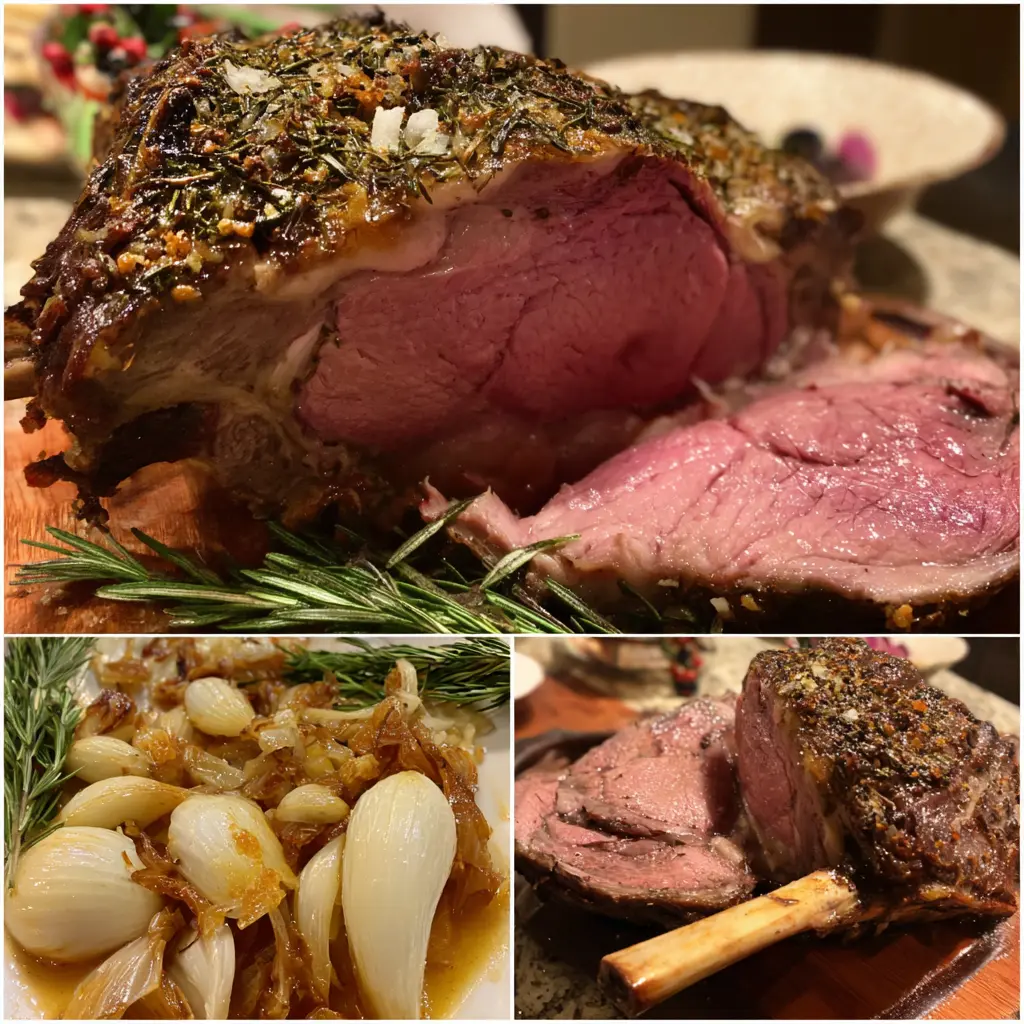
Elevate your holiday table with a show-stopping main course! This perfect prime rib roast family recipe delivers an unforgettable meal, perfect for festive gatherings. Developed from restaurant-chef techniques, this method makes creating a magnificent prime rib achievable for any home cook. Prepare to impress everyone with the ultimate centerpiece that’s both delicious and surprisingly straightforward.
Why You’ll Love This Prime Rib Roast
You’ll love this incredible prime rib because it takes the guesswork out of special occasion cooking.
- Achieve a guaranteed perfect medium-rare result every time, ensuring juicy, tender meat.
- Follow a simple, no-fail method that’s designed for home cooks, even beginners.
- This recipe is flexible, allowing you to easily scale it up or down for your guest count.
- Enjoy a rich, flavorful crust that perfectly complements the tender, succulent interior.
- The cooking process naturally creates a delicious au jus, making it a complete meal experience.
Ingredients
To create this magnificent prime rib roast, you need a few key ingredients, mostly measured per pound of meat. This ensures everything balances perfectly for the best flavor.
- A bone-in prime rib roast (see note 2 if your roast is 6 lbs or less)
- 1/3 medium onion (large dice or thickly sliced; approx. 1/3 medium onion per pound, up to 4-5 onions total; see note 3)
- 1 teaspoon Kosher or coarse sea salt per pound (1 tsp per lb/450g)
- ½ teaspoon freshly ground black pepper per pound (1/2 tsp per lb/450g)
- 1 teaspoon minced garlic per pound (1 tsp per lb/450g)
- 1 teaspoon fresh rosemary per pound (1 tsp per lb/450g)
- 1 teaspoon fresh thyme per pound (1 tsp per lb/450g)
- ½ teaspoon olive oil per pound (1/2 tsp per lb/450g)
Notes & Substitutions
You will scale the seasoning ingredients based on the precise weight of your prime rib. For the best flavor and consistent cooking, choose a bone-in roast; first-cut (loin end) roasts offer larger, leaner slices, while second-cut (rib end) roasts provide more fat and marbling. If fresh herbs are unavailable, use 1/3 the amount of dried herbs. Always use Kosher salt or coarse sea salt for proper seasoning balance.
Equipment
Gathering your equipment beforehand simplifies the cooking process. You will need a large roasting pan to accommodate the prime rib. A flat roasting rack is helpful, but you can use the diced onions as a natural rack. An accurate meat thermometer is absolutely essential for perfect doneness. A fat separator makes preparing the au jus easy. Finally, have aluminum foil ready for resting.
Instructions
Creating the perfect prime rib roast family recipe involves a few key steps that guarantee incredible results. Follow these instructions closely for a tender, flavorful roast with a beautiful crust.
1. Marinate the Roast
First, rinse your bone-in prime rib roast under cold water and thoroughly pat it dry with paper towels. A dry surface helps achieve that desirable crispy crust. Place a roasting rack inside your large roasting pan; alternatively, spread your diced onions directly on the bottom of the pan to act as a natural rack.
In a small bowl, combine the Kosher salt, freshly ground black pepper, minced garlic, fresh rosemary, fresh thyme, and olive oil. Mix these ingredients well to form a thick paste. Generously rub this aromatic mixture all over the entire surface of the prime rib roast, ensuring every side is coated.
As explained by culinary experts, marinating meat enhances its flavor and tenderness by allowing the seasonings to penetrate deeply and break down tougher proteins.
Cover the seasoned roast tightly with plastic wrap, pressing it against the meat to minimize air exposure. Refrigerate the prime rib overnight for at least 8 hours, allowing the flavors to penetrate deeply into the meat. This marinating step is crucial for developing a rich, savory taste.
2. Prepare for Roasting
Remove the marinated prime rib roast from the refrigerator two hours before you plan to cook it. Letting the roast sit at room temperature helps it cook more evenly from edge to center. Preheat your oven to a high temperature of 450°F (230°C). Position your oven rack on the lower level to accommodate the size of the roast.
3. High-Heat Sear
Carefully place the room-temperature prime rib roast onto the prepared roasting rack with the onions. Roast the prime rib at the high temperature of 450°F for 30 minutes. This initial high-heat sear develops a beautiful, flavorful crust on the outside of the meat.
After 30 minutes, open the oven and add ½ cup of hot water to the bottom of the roasting pan. This prevents drippings from burning and helps create steam for the au jus. Rotate the prime rib roast 180 degrees to ensure even browning. Continue cooking for another 30 minutes at 450°F. The roast should appear browned on all sides by this point.
4. Low-Heat Roast
Reduce the oven temperature to 350°F (175°C) without opening the oven door. Continue roasting for an additional 90-120 minutes, or until your desired internal temperature is reached. If you wish, baste the roast every 30 minutes with the pan drippings for added flavor and moisture.
Keep an eye on the pan; if it starts to dry out, add a small amount of hot water to the bottom to prevent scorching. If the crust begins to char too quickly, loosely tent the prime rib with aluminum foil. Monitor the internal temperature closely using a reliable meat thermometer inserted into the thickest part of the roast, avoiding the bone.
5. Rest & Serve
Once your prime rib reaches the desired internal temperature (refer to the Pro Tips for guidance), remove it from the oven. Carefully transfer the hot roast to a clean cutting board. Loosely tent the roast with aluminum foil; do not wrap it tightly. This resting period is extremely important for a tender and juicy outcome. Allow the prime rib to rest for at least 20 minutes, or up to 30 minutes for larger roasts.
While the roast rests, carefully strain the pan juices into a fat separator. You may add a little extra hot water to the roasting pan, scraping up any flavorful bits from the bottom, to create more au jus. Warm the separated au jus gently on the stovetop. After resting, slice the prime rib against the grain and serve immediately with the warm au jus on the side. This family recipe is truly a showstopper.
Pro Tips & Troubleshooting
Achieving the perfect doneness for your prime rib is all about temperature control. Use a reliable meat thermometer for best results.
- Internal Temperature Guide:
- Rare: 115-120°F (46-49°C)
- Medium-Rare: 120-125°F (49-51°C)
- Medium: 125-130°F (51-54°C)
- Remember, the roast will experience carry-over cooking, rising 5-7°F after removal from the oven. Remove it just shy of your target.
- Small Roasts: For smaller cuts like 6 lbs or less, adjust the high-heat time. For example, roast for 40 minutes at 450°F, then 50 minutes at 325°F.
- Boneless Roasts: Boneless cuts cook faster. Start checking the internal temperature earlier to avoid overcooking.
- Convection Ovens: Convection ovens cook more quickly and evenly. Reduce temperatures by 25°F and check for doneness sooner.
- Don’t Skip Marinating: This step is essential for infusing flavor and helping to develop a good crust.
- Prevent Smoking: Adding water to the pan helps the onions caramelize beautifully and prevents fat from burning, reducing smoke.
Serving Suggestions, Storage, & Variations
Make your prime rib roast family recipe even more memorable with the right accompaniments and smart storage.
Serving Suggestions
Classic side dishes beautifully complement prime rib. Serve your roast with creamy mashed potatoes, tender roasted asparagus, or a medley of root vegetables. Pair the rich meat with its accompanying au jus, or offer a tangy horseradish cream sauce for a delightful kick. A crisp green salad provides a fresh contrast to the hearty main course.
Storage Instructions
After your meal, cool any leftover prime rib completely at room temperature for no longer than two hours. Store the cooled meat tightly wrapped in aluminum foil or in an airtight container. Refrigerate it promptly for 3-4 days to maintain freshness.
Reheating Instructions
To reheat, gently warm thin slices of prime rib in a pan on the stovetop with a splash of au jus or beef broth to prevent drying. For thicker slices, cover them loosely with foil and warm them in a low-temperature oven (around 250°F/120°C) until heated through. Avoid high heat, as it can make the meat tough.
Variations
Feel free to customize your prime rib. Experiment with different herb combinations, such as sage and bay leaf, for a new flavor profile. You could also try forming a mustard or peppercorn crust on the roast before cooking for an extra layer of bold taste.
Nutrition Information
This estimated nutrition information for one serving (approximately 1.1 pounds raw) of the perfect prime rib roast family recipe helps you track your intake. Please note these values are estimates and can vary based on specific ingredients and preparation methods.
| Nutrient | Amount (Estimated) |
|---|---|
| Calories | 1000-1200 |
| Total Fat | 80-100g |
| Saturated Fat | 35-45g |
| Cholesterol | 250-300mg |
| Sodium | 800-1000mg |
| Total Carbs | 2-5g |
| Protein | 60-70g |
Disclaimer: Nutritional information is an estimate based on average values and preparation. Actual values may vary.
FAQ
You have questions about cooking prime rib, and we have answers!
- What size prime rib should I buy?
Plan on purchasing one rib bone per two people, or about 1 pound of raw prime rib per person. This ensures a generous serving for everyone.
- Can I use dried herbs instead of fresh?
Yes, you can. Use one-third the amount of dried herbs compared to fresh herbs, as dried herbs are more concentrated in flavor.
- Why is resting the prime rib important?
Resting allows the meat’s juices to redistribute throughout the roast, resulting in a more tender and juicy slice when carved. Skipping this step can lead to dry meat.
- How do I get a crispy crust on my prime rib?
Patting the roast very dry before seasoning and using an initial high-heat sear are key steps to achieving a deliciously crispy crust. This contributes to the overall appeal of a well-cooked prime rib.
- Can I make the au jus ahead of time?
The best au jus is made with fresh pan drippings from your perfect prime rib roast family recipe. However, you can prepare a beef broth base in advance and simply combine it with the drippings after roasting.
Conclusion
This perfect prime rib roast family recipe truly makes preparing a magnificent meal simple and rewarding. You will love serving this tender, flavorful, and beautifully crusted roast to your loved ones. It’s perfect for holidays, special occasions, or whenever you want to create an unforgettable dining experience. Try this proven method for yourself, enjoy the delicious results, and share your success with us!