Skip to content
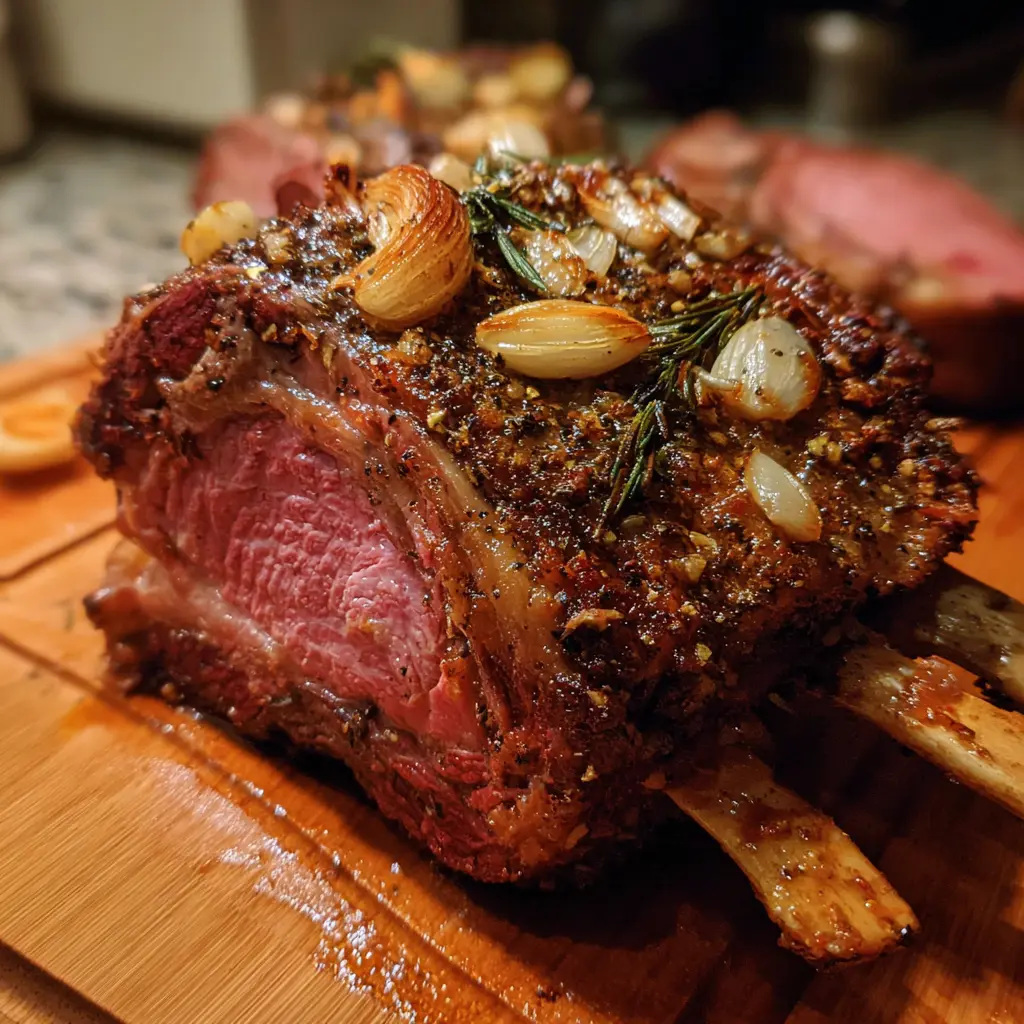
Prime rib is the undisputed star of any holiday table or special celebration. Its rich flavor and tender texture make it a truly memorable centerpiece. This recipe for The Perfect Prime Rib Roast Family Recipe comes from generations of tradition, honed to perfection. It’s a proven method guaranteed to deliver succulent, restaurant-quality results every time. Get ready to impress your family and friends with this truly special meal.
Why You’ll Love This Recipe
- Achieve restaurant-quality results at home, making any occasion feel extraordinary.
- Master an impressive holiday centerpiece with confidence, even if you’re a beginner.
- Enjoy a simple, foolproof cooking method that takes the guesswork out of roasting.
- This recipe offers flexibility for different roast sizes, ensuring success for any gathering.
- Our detailed steps and tips guarantee a tender, juicy, and flavorful prime rib roast.
Ingredients
To create The Perfect Prime Rib Roast Family Recipe, you’ll need high-quality ingredients. The quantities listed below are per pound of roast. Adjust accordingly based on your roast’s total weight.
- A bone-in prime rib roast (see note 2 if your roast is 6 lbs or less)
- 1/3 medium onion (large dice or thickly sliced; approx. 1/3 medium onion per pound, up to 4-5 onions total; see note 3)
- 1 teaspoon Kosher or coarse sea salt per pound (1 tsp per lb/450g)
- ½ teaspoon freshly ground black pepper per pound (1/2 tsp per lb/450g)
- 1 teaspoon minced garlic per pound (1 tsp per lb/450g)
- 1 teaspoon fresh rosemary per pound (1 tsp per lb/450g)
- 1 teaspoon fresh thyme per pound (1 tsp per lb/450g)
- ½ teaspoon olive oil per pound (1/2 tsp per lb/450g)
Choosing Your Prime Rib
When selecting your roast, consider USDA grades like Prime or Choice for superior quality and marbling. For more information on beef grading, explore the USDA beef grading scale. Bone-in roasts offer more flavor and tend to cook more evenly than boneless cuts. Look for the rib sections from the loin for the best tenderness and flavor. Excellent marbling, which refers to the fine streaks of fat within the meat, indicates a juicy and flavorful roast.
Notes & Substitutions
Adjust the onion quantity to match your roast size; more onions create a richer au jus base. Fresh herbs like rosemary and thyme are highly recommended for the best flavor, but you can substitute with dried herbs using half the amount. Kosher or coarse sea salt is crucial for drawing out moisture and creating a flavorful crust. The overnight marinade is key, allowing the flavors to deeply penetrate the meat for an unbelievably tender prime rib.
Equipment
Having the right tools makes preparing this holiday prime rib roast effortless.
- Large roasting pan, sturdy enough to hold your roast.
- Flat roasting rack (optional, but lifts the roast for even cooking).
- Reliable meat thermometer (essential for perfect doneness).
- Fat separator (for making a pristine au jus).
- Aluminum foil, for resting the meat and tenting.
Instructions
Creating The Perfect Prime Rib Roast Family Recipe involves three main stages: marinating, cooking, and resting. Follow these detailed steps for a flawless result.
Marinate the Roast
- Prepare the Roast: Rinse your prime rib roast under cold water, then pat it thoroughly dry with paper towels. A dry surface helps create a better crust.
- Arrange Onions: Scatter the diced or sliced onions evenly across the bottom of your large roasting pan. These will form a flavorful bed for the roast.
- Mix Marinade: In a small bowl, combine the Kosher salt, freshly ground black pepper, minced garlic, fresh rosemary, fresh thyme, and olive oil. Mix these ingredients until well combined, forming a fragrant paste.
- Rub Roast: Generously rub the marinade mixture all over the entire surface of the prime rib roast. Ensure every part is coated for maximum flavor.
- Cover and Marinate: Place the seasoned roast, fat-side up, on top of the onions in the roasting pan. Cover the pan tightly with plastic wrap and refrigerate. Marinate the prime rib overnight for at least 8 hours, or up to 24 hours. This step is crucial for flavor penetration.
Cook the Roast
- Bring to Room Temperature: About 3-4 hours before cooking, remove the marinated prime rib roast from the refrigerator. Let it sit on the counter, still in its roasting pan, to come to room temperature. This promotes even cooking.
- Preheat Oven: Preheat your oven to a high temperature of 450°F (232°C).
- Initial Roast: Place the roasting pan with the prime rib on the lower oven rack. Roast at 450°F for 30 minutes. This high heat creates a beautiful, flavorful crust.
- Add Water: After 30 minutes, carefully pour 1 cup of water into the bottom of the roasting pan, around the onions.
- Rotate and Reduce Heat: Rotate the roast once for even browning. Reduce the oven temperature to 300°F (150°C) for the remainder of the cooking time.
- Slow Roast and Baste: Continue roasting, basting the prime rib every 30 minutes with the pan juices. If the pan juices evaporate too much, add another ½ cup of water.
- Monitor Temperature: Insert your meat thermometer into the thickest part of the roast, avoiding bone. Cook until it reaches your desired internal temperature (see Pro Tips for doneness levels).
- Tent with Foil: If the top of the roast starts to char too much before reaching the desired internal temperature, loosely tent it with aluminum foil.
Rest & Serve
- Transfer and Rest: Once the roast reaches your desired temperature, carefully transfer it from the roasting pan to a large cutting board. Tent the prime rib lightly with aluminum foil and let it rest for at least 20-30 minutes. This resting period is critical for juicy results, allowing the internal temperature to rise and the juices to redistribute.
- Prepare Au Jus: While the prime rib rests, carefully strain the pan juices through a fine-mesh sieve into a fat separator. Discard the solids. Let the fat separate, then pour off the flavorful au jus into a small saucepan.
- Warm and Season Au Jus: Gently warm the au jus over low heat. Taste and adjust seasoning with salt and pepper if needed.
- Slice and Serve: After resting, slice the prime rib against the grain into thick, impressive portions. Serve immediately with the warm au jus on the side.
Pro Tips & Troubleshooting
- Do not skip marinating overnight. This step is non-negotiable for tender, flavorful meat.
- Always use a reliable meat thermometer. It is your best friend for perfectly cooked prime rib.
- Doneness temperatures (remove from oven): Rare (115-120°F), Medium-Rare (120-125°F), Medium (130-135°F). For a detailed guide on prime rib temperatures, refer to this prime rib temperature chart.
- Account for carry-over cooking: The internal temperature will rise 5-7°F after removing from the oven while it rests.
- Adjust initial high heat for smaller roasts (6 lbs or less). You might need to reduce the 450°F blast to 15-20 minutes.
- Boneless roasts cook faster; check early. They lack the insulating bone, so monitor closely.
- Conventional vs. convection oven notes: Convection ovens cook faster; reduce temperature by 25°F or shorten cooking time.
- Tips for preventing excessive smoke: Ensure your roasting pan is clean and avoid excessive fat pooling during the initial high-heat roast.
Serving, Storage & Variations
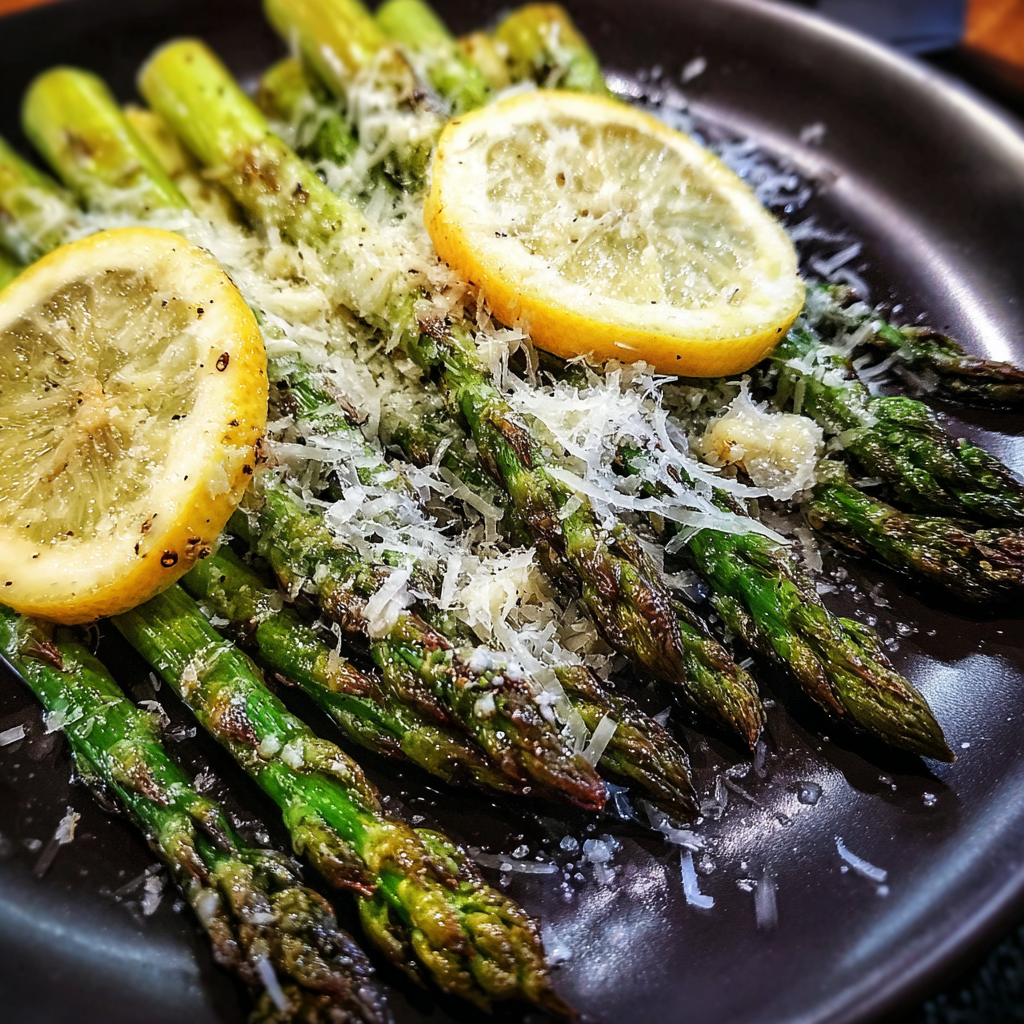
The Perfect Prime Rib Roast Family Recipe shines as the centerpiece of any festive meal. Pair it with classic side dishes like creamy mashed potatoes, roasted asparagus, or a fresh green bean casserole. Always serve your prime rib with a side of the flavorful au jus and a dollop of zesty horseradish sauce for an extra kick. Leftover prime rib makes incredible gourmet sandwiches, steak tacos, or even a hearty beef hash the next day. For families with diverse preferences, consider roasting two smaller cuts of prime rib. This offers more end-cut pieces, perfect for those who enjoy a more well-done slice.
Nutrition
Enjoying The Perfect Prime Rib Roast Family Recipe is a treat. Keep in mind that nutritional values can vary based on portion size, specific cuts of meat, and preparation methods. This information serves as a general guideline.
| Nutrient | Per 1.1 lb Serving (approx.) |
|---|---|
| Calories | 1600-2000 |
| Total Fat | 120-150g |
| Saturated Fat | 50-70g |
| Cholesterol | 400-500mg |
| Sodium | 1000-1500mg |
| Protein | 120-150g |
Disclaimer: These are approximate values. Individual nutritional needs may vary.
FAQ
Can I use a boneless prime rib for this recipe?
Yes, you can use a boneless prime rib, but note it will cook faster. Start checking its internal temperature about 30-45 minutes earlier than you would a bone-in roast.
What if my roast is smaller or larger than average?
Adjust the cooking time accordingly; smaller roasts cook faster, and larger ones take longer. Always rely on a meat thermometer for precise doneness, not just time.
Why is it so important to marinate overnight?
Marinating overnight allows the salt, herbs, and garlic to deeply penetrate the meat, enhancing flavor and tenderizing the prime rib roast for an incredibly juicy result.
How much prime rib should I plan per person?
Generally, plan for about 1 pound of bone-in prime rib per person. This accounts for bone weight and ensures generous servings.
Conclusion
This Perfect Prime Rib Roast Family Recipe is more than just a meal; it’s a tradition in the making. With our simple, step-by-step guide, you can confidently create a show-stopping dish that tastes as impressive as it looks. The succulent flavors and tender texture will surely become a cherished part of your family gatherings. Don’t hesitate to make this special occasion meal a reality. Try it soon and share your delicious results with us!
We’d love to hear how your prime rib turned out! Leave a comment or rating below.