Skip to content
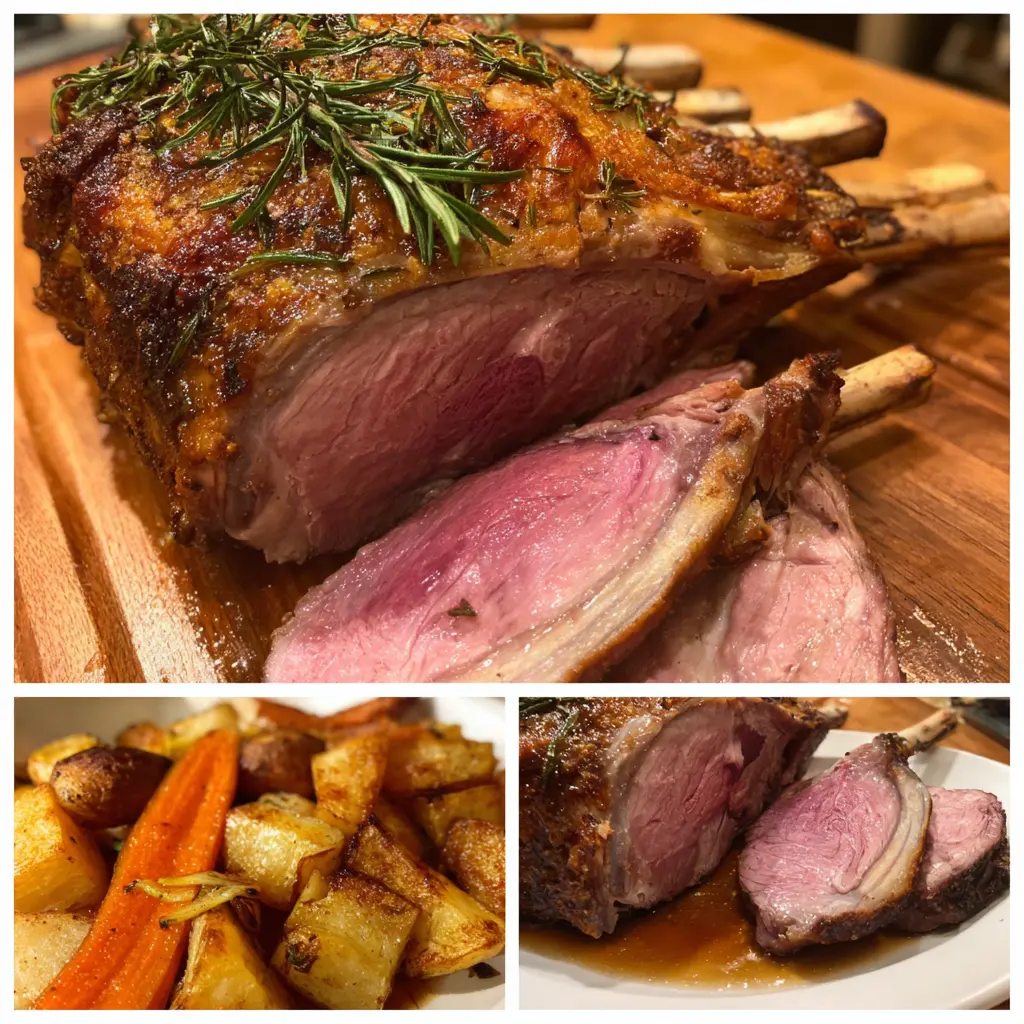
Welcome to a truly special centerpiece for your holiday table. This slow-roasted lamb shoulder with rosemary and garlic is a fantastic Christmas lamb recipe everyone will love. It promises incredibly tender, fall-off-the-bone meat, bursting with aromatic flavors. You’ll achieve an impressive dish that’s perfect for festive gatherings, delivering big flavor with surprisingly minimal effort. Get ready to impress your guests with this delicious holiday roast.
Why You’ll Love This Christmas Lamb Recipe
This Christmas lamb recipe offers several fantastic reasons to make it your holiday tradition.
- Incredibly tender and succulent results. Roasting low and slow guarantees meat that practically melts in your mouth.
- Rich, aromatic rosemary and garlic flavors. These classic herbs infuse the lamb deeply, creating a truly festive taste.
- Perfect for special holiday gatherings. This impressive centerpiece easily feeds a crowd and looks beautiful on your table.
- Relatively hands-off once in the oven. After a short prep, the oven does most of the work, freeing you up for other tasks.
- Impressive presentation, minimal fuss. Achieving a gourmet look and taste has never been easier for a holiday meal.
Ingredients for Slow-Roasted Christmas Lamb Shoulder
To create this show-stopping christmas lamb recipe, gather these quality ingredients. A bone-in lamb shoulder is ideal for depth of flavor. Fresh herbs and pungent garlic are key for a truly aromatic experience. Don’t forget good quality olive oil, salt, and pepper for seasoning. A touch of broth and red wine keeps the lamb moist and creates a wonderful pan sauce.
- 1 (approx. 4-5 lbs/2 kg) bone-in lamb shoulder
- 8-10 sprigs fresh rosemary
- 6-8 cloves garlic, peeled and thinly sliced or crushed
- 3 tablespoons extra virgin olive oil, plus more for searing (optional)
- 2 teaspoons sea salt, or to taste
- 1 teaspoon freshly ground black pepper, or to taste
- 1 cup chicken or beef broth
- ½ cup dry red wine (e.g., Cabernet Sauvignon, Merlot), optional for depth
- 1 lemon, thinly sliced (optional garnish)
- 1 large onion, roughly chopped (for roasting pan)
- 2 carrots, roughly chopped (for roasting pan)
- 2 celery stalks, roughly chopped (for roasting pan)
Notes & Substitutions
- Lamb: You can use a boneless shoulder, leg of lamb, or rack of lamb. Just be sure to adjust cooking times accordingly, as boneless cuts cook faster.
- Herbs: Fresh thyme, oregano, or a mix of dried Italian herbs work wonderfully if you don’t have rosemary.
- Liquid: Water, vegetable broth, or a mix of broth and red wine can be used. Avoid sweet wines.
- Aromatics: Feel free to add other root vegetables like parsnips or potatoes to the roasting pan for added flavor and a built-in side dish.
Equipment You’ll Need
Gathering your tools before you start makes cooking much smoother. You’ll need a sturdy roasting pan for this hearty christmas lamb recipe. A sharp knife is essential for scoring the lamb and preparing aromatics. A reliable meat thermometer helps ensure perfect doneness. Don’t forget foil for covering and a whisk for gravy!
- Large heavy-bottomed roasting pan
- Sharp knife for scoring and chopping
- Meat thermometer (a leave-in probe thermometer is ideal)
- Aluminum foil
- Cutting board
- Small whisk for gravy (optional)
Step-by-Step Instructions
Follow these simple steps for a perfect Christmas lamb recipe. Achieving a tender, flavorful lamb roast is easier than you think. This guide ensures juicy results every time, making your holiday meal unforgettable. Take your time with each stage for the best outcome.
- Prepare the Lamb: Begin by thoroughly patting the lamb shoulder dry with paper towels. This step is crucial for achieving a good sear and crispy skin later. Next, use a sharp knife to score the fat cap on top of the lamb in a crosshatch pattern, about ½ inch deep. Be careful not to cut into the meat itself. Rub the entire lamb generously with olive oil, then season all sides with salt and freshly ground black pepper. Now, carefully insert thin slivers of garlic and small sprigs of rosemary into the scored cuts across the lamb. This infuses deep flavor into the meat as it roasts.
- Sear the Lamb (Optional but Recommended): For an extra layer of flavor and color, consider searing the lamb before roasting. Heat a tablespoon of olive oil in a large oven-safe pan or the roasting pan itself over medium-high heat. Place the lamb fat-side down in the hot pan and sear for 5-7 minutes until it develops a deep golden-brown crust. Carefully turn the lamb and sear all other sides briefly for 2-3 minutes each. Remove the lamb from the pan and set aside temporarily.
- Add Aromatics & Liquid: If you seared the lamb in a separate pan, transfer any rendered fat and juices to your roasting pan. Place the roughly chopped onions, carrots, and celery evenly across the bottom of the heavy-bottomed roasting pan. These vegetables will create a flavorful bed for the lamb and contribute to the pan sauce. Pour the chicken or beef broth, along with the optional red wine, into the bottom of the pan, around the vegetables. Place the seared lamb shoulder on top of the bed of vegetables.
- Slow Roast: Preheat your oven to a low 300°F (150°C). Tightly cover the roasting pan with aluminum foil, ensuring it forms a good seal to trap all the moisture and steam. Place the covered roasting pan into the preheated oven. Roast the lamb for approximately 3-4 hours. The goal is for the lamb to become incredibly fork-tender, easily pulling away from the bone. Halfway through the cooking time, quickly check the liquid level in the pan; if it’s getting too low, add a little more broth or water to prevent the vegetables from burning.
- Achieve Crispy Skin (Optional): If you desire a beautifully crispy fat cap, remove the aluminum foil from the roasting pan during the last 30-45 minutes of cooking. Increase the oven temperature to 400°F (200°C). Baste the lamb periodically with the pan juices from the bottom of the pan using a spoon. Continue roasting until the skin on top is golden brown and delightfully crispy. Monitor closely to prevent burning.
- Rest the Meat: This is a critical step for a juicy roast. Once the lamb reaches your desired tenderness (internal temperature should be around 190-200°F/88-93°C for fall-apart meat), remove the roasting pan from the oven. Carefully transfer the lamb to a clean cutting board or serving platter. Loosely tent the lamb with aluminum foil. Allow the meat to rest for at least 20-30 minutes before carving.
Research from culinary experts highlights that resting meat after cooking allows muscle fibers to relax and reabsorb juices, ensuring a more succulent result.
Resting allows the juices to redistribute throughout the meat, ensuring every slice is succulent and tender.
- Make Pan Sauce (Optional): While the lamb rests, you can make a delicious pan sauce. Carefully pour the pan juices and roasted vegetables from the roasting pan through a fine-mesh sieve into a saucepan, pressing on the solids to extract all liquids. Discard the solids. Let the liquid sit for a few minutes, then skim off any excess fat from the surface. Bring the strained liquid to a simmer over medium heat, reducing it until it thickens slightly. For a thicker gravy, mix 1 tablespoon of cornstarch with 2 tablespoons of cold water to form a slurry, then whisk it into the simmering sauce. Cook for 1-2 minutes until thickened. Season with salt and pepper to taste.
Pro Tips for the Best Christmas Lamb
Achieving the perfect lamb roast for your holiday feast is simple with these expert tips. Each one ensures your Christmas lamb recipe turns out tender, juicy, and full of flavor.
- Don’t skip resting: This is non-negotiable for juicy lamb. Resting allows muscle fibers to relax and reabsorb juices.
- Use a thermometer: A leave-in meat thermometer ensures precise cooking and ideal doneness, preventing under or overcooking.
- Deep scoring: Score the fat deeply but not into the meat. This allows the seasoning and aromatics to penetrate beautifully.
- Low and slow: This cooking method breaks down tough connective tissues, making the lamb incredibly tender and succulent.
- Pat dry: Always pat the lamb thoroughly dry before seasoning and searing. This promotes a crispier exterior.
Troubleshooting Common Issues
Even experienced cooks encounter minor bumps. Here’s how to fix common problems with this Christmas lamb recipe.
- Lamb is dry: This usually means it was overcooked or not rested enough. Always rest your lamb!
- Lamb is tough: The lamb is likely undercooked; it needs more roasting time at a low temperature to become tender.
- Lack of flavor: Ensure you’ve used enough salt, pepper, garlic, and rosemary. Consider marinating longer for deeper flavor.
- No crispy skin: You might have skipped removing the foil and increasing the heat at the end. Ensure the fat cap is exposed and cooked at a higher temperature for crisping.
Serving Suggestions, Storage, & Variations
This impressive Christmas lamb recipe pairs wonderfully with a variety of side dishes. Plan your accompaniments for a truly memorable holiday meal. Knowing how to store and reheat leftovers ensures you can enjoy this delicious roast for days.
Festive Serving Ideas
- Classic pairings: Serve alongside fluffy roasted potatoes, vibrant green beans almandine, or sweet glazed carrots.
- Fresh sides: A refreshing mint sauce or a tangy cranberry sauce cuts through the richness of the lamb beautifully.
- Hearty options: Creamy mashed potatoes or a rich polenta make comforting and satisfying accompaniments.
- Gravy: Don’t forget to serve generous spoonfuls of your homemade pan sauce over the carved lamb.
Storage & Reheating
- Refrigeration: Store any leftover cooked lamb in an airtight container in the refrigerator for 3-4 days.
- Freezing: For longer storage, freeze cooled cooked lamb in freezer-safe bags or containers for up to 3 months.
- Reheating: Gently warm individual portions in the oven at 300°F (150°C) with a splash of extra broth to prevent drying out. You can also use a microwave on a lower power setting.
Recipe Variations
- Mediterranean: Add lemon zest, dried oregano, pitted Kalamata olives, and crumbled feta cheese to the roasting pan for a sunny twist.
- Spicy: Rub the lamb with a mix of smoked paprika, ground cumin, and a pinch of cayenne pepper for a subtle kick.
- Herbaceous: Experiment with different fresh herbs like thyme, sage, or bay leaves for varying aromatic profiles.
- Root vegetables: Roast with chunks of potatoes, sweet potatoes, or parsnips in the pan, absorbing the delicious lamb drippings.
Nutritional Information
Please note that the following nutritional information is an estimate. It can vary significantly based on specific ingredients, preparation methods, and portion sizes. These values are provided for general guidance only. This delicious Christmas lamb recipe delivers substantial protein and healthy fats.
| Nutrient | Per Serving (estimated) |
|---|---|
| Calories | 450-550 kcal |
| Protein | 35-45 g |
| Fat | 30-40 g |
| Carbohydrates | 5-10 g |
Frequently Asked Questions (FAQ)
Here are answers to common questions about preparing this delightful Christmas lamb recipe. These tips will help you feel confident in the kitchen.
- Q: What cut of lamb is best for Christmas?
A: Lamb shoulder, leg of lamb, or a rack of lamb are all excellent choices for a holiday roast. Shoulder is budget-friendly and becomes wonderfully tender slow-roasted. - Q: How long should I cook lamb shoulder per pound?
A: For a 4-5 lb bone-in shoulder at 300°F (150°C), plan for about 45-60 minutes per pound until it’s fork-tender. This Christmas lamb recipe relies on tenderness, not just specific temperature. - Q: Can I prepare this recipe in advance?
A: You can prepare the lamb by seasoning and scoring it up to 24 hours in advance, storing it covered in the refrigerator. This allows flavors to meld. - Q: What internal temperature should lamb shoulder reach?
A: For fall-apart tender lamb shoulder, aim for an internal temperature between 190°F and 200°F (88-93°C). This ensures connective tissues break down. - Q: How do I make the best pan gravy from drippings?
A: Strain the pan drippings, skim the fat, reduce on the stovetop, and thicken with a cornstarch slurry for a rich, flavorful gravy. Season it well for the perfect complement to your Christmas lamb recipe.
Conclusion
This ultimate slow-roasted Christmas lamb recipe is more than just a meal; it’s an experience. Its ease of preparation combined with truly delicious results makes it an ideal choice for your holiday feast. We encourage you to make this succulent, aromatic lamb a cherished part of your family’s Christmas traditions. From our kitchen to yours, we wish you a joyous and incredibly flavorful Christmas feast!