Skip to content
There are some chocolate cakes, and then there are *chocolate cakes*. The kind that makes you pause, eyes closed, savoring every incredibly rich, fudgy, and moist bite. That’s exactly what I’m bringing to your kitchen today: the ultimate Guinness Chocolate Cake with Irish Buttercream. This isn’t just any cake; it’s a showstopper, meticulously crafted to deliver deep, complex chocolate flavors and a texture that will have everyone asking for your secret. Prepare to bake a masterpiece that’s perfect for any celebration, from St. Patrick’s Day to a special birthday, and truly unlike any other you’ve tasted.
Why You’ll Love This Recipe
My kitchen thrives on finding those little tweaks that elevate a classic to extraordinary, and this Guinness Chocolate Cake is a prime example. The secret to its unparalleled depth of flavor and moistness lies in two unique techniques: pre-toasting the all-purpose flour and blooming high-quality Dutch-processed cocoa powder with instant espresso powder directly in warm Guinness Stout.
Pre-toasting the flour triggers the Maillard reaction, a beautiful chemical process that doesn’t just give the flour a subtle, nutty depth but also creates a more tender crumb and helps the cake retain exceptional moisture. This small step makes a huge difference in the final texture.
Then, by blooming the Dutch-processed cocoa and a touch of instant espresso powder in warm Guinness, we intensify the chocolate’s color and flavor beyond what you thought possible. Heat helps release those aromatic compounds, making the chocolate truly sing. I choose Dutch-processed cocoa because it provides a darker, less acidic chocolate profile that perfectly complements the malty, roasted notes of Guinness. The espresso powder doesn’t make the cake taste like coffee; instead, it ingeniously amplifies the chocolate, making it richer and more complex. The warm Guinness also aids in the leavening process, contributing to a consistent and beautiful rise.
The result is a cake that is truly fudgy, incredibly rich, and unbelievably moist. Paired with a smooth and creamy Irish buttercream, and finished with an optional glossy chocolate ganache drip, this cake is as impressive to look at as it is delicious to eat. It’s perfect for special occasions like St. Patrick’s Day or birthdays, yet it’s entirely achievable for any home baker.
Ingredients Needed
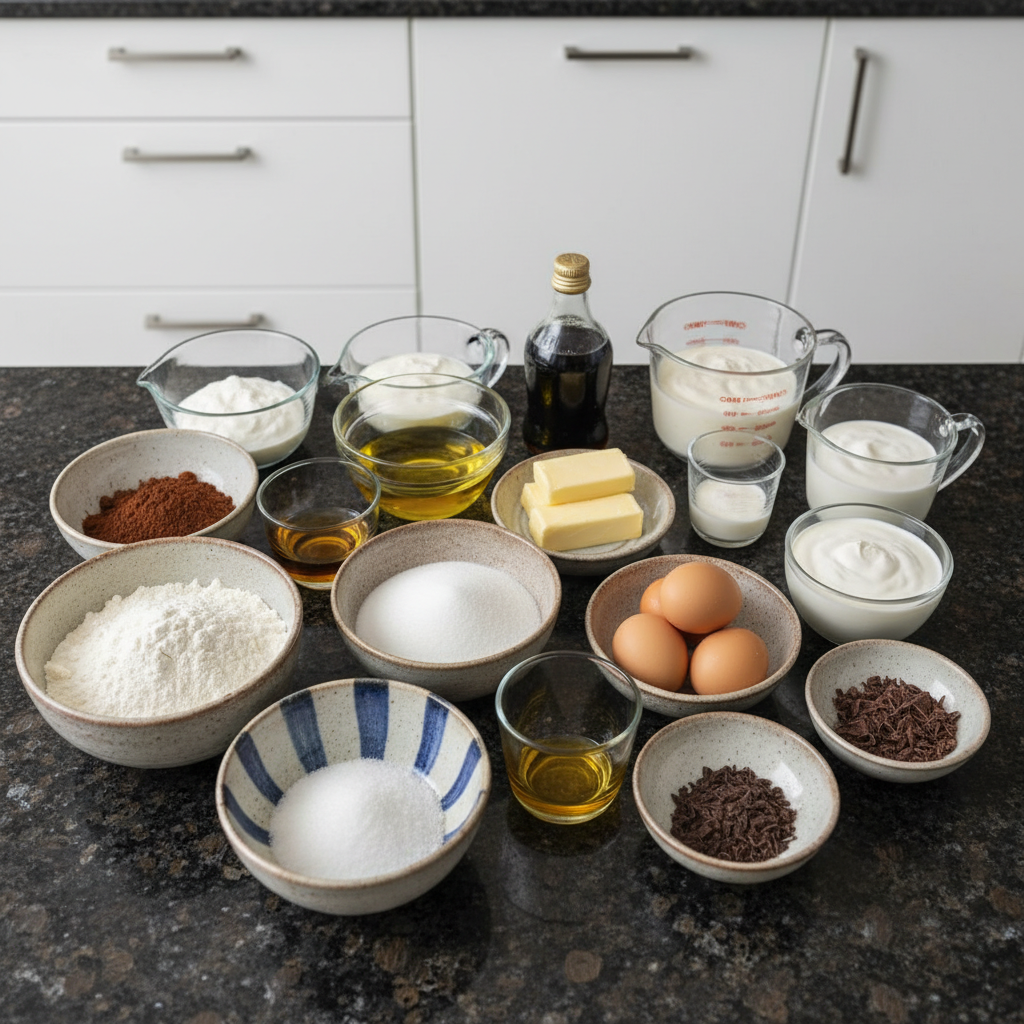
Cake Ingredients:
- 1 3/4 cups (222 grams) all-purpose flour,
- 2 cups (400 grams) granulated sugar
- 3/4 cup (64 grams) unsweetened cocoa powder
- 2 teaspoons baking soda
- 1/2 teaspoon baking powder
- 1 teaspoon fine sea salt
- 3/4 cup (170 grams) sour cream or plain full-fat yogurt, (at room temperature)
- 1/2 cup fresh vegetable oil
- 3 large eggs, (at room temperature)
- 1 teaspoon vanilla extract
- 1 cup Guinness beer
Irish Buttercream Ingredients:
- 4 sticks (454 grams) unsalted butter, (at cool room temperature)
- 6 cups (750 grams) powdered sugar, (sifted)
- 1/4 cup plus 2 tablespoons Irish cream, (such as Bailey’s)
Chocolate Ganache Drip:
- 4 ounces (113 grams) semisweet or bittersweet chocolate, (finally chopped)
- 1/2 cup heavy cream
Optional Topping:
- sprinkles or chocolate curls for topping, (optional)
Ingredient Notes & Substitutions
Flour: The pre-toasted all-purpose flour in this recipe is key to its tender crumb and exceptional moisture retention. Toasting the flour enhances its flavor profile and texture. For gluten-free alternatives, look for specific recommendations later in this article.
Cocoa Powder: I specifically use Dutch-processed cocoa powder in this Guinness Chocolate Cake recipe. It gives the cake a darker, richer chocolate color and a less acidic flavor, which perfectly complements the stout. Blooming it in the warm Guinness is part of our unique twist to truly amplify its taste.
Guinness Beer: Use 1 cup of Guinness stout as specified. The beer contributes distinct malty and roasted notes that are essential to the cake’s signature flavor, creating a wonderful balance with the chocolate.
Sour Cream/Yogurt: Sour cream is vital for the cake’s moisture and tender crumb. If you don’t have sour cream, plain full-fat yogurt is an excellent substitute and works just as well.
Butter: For the creamiest Irish buttercream, ensure your unsalted butter is at a cool room temperature. This allows it to whip up light and fluffy without melting the powdered sugar.
Irish Cream: While Irish cream (like Bailey’s) is traditional for the buttercream, you can use regular heavy cream in its place for an alcohol-free version, or if you simply prefer it. The buttercream will still be delicious.
Measuring: For the most accurate and consistent results, especially in baking, I always advise measuring your ingredients by weight rather than volume. This is particularly true for flour and sugar.
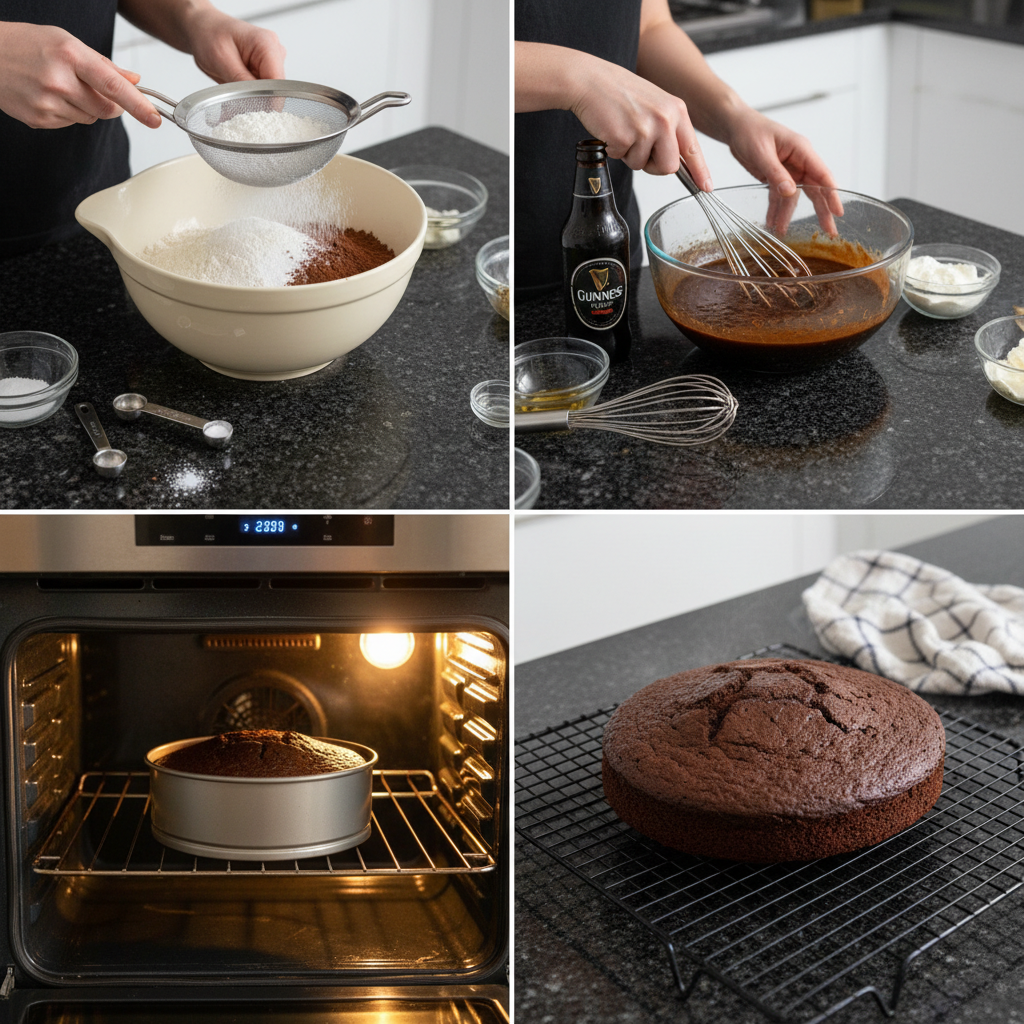
How to Make Guinness Chocolate Cake with Irish Buttercream
Cake Batter (The Unique Twist)
Step 1: Prep Pans & Preheat.
First, preheat your oven to 350°F (175°C). Then, take two 8-inch wide x 3-inch deep cake pans. Generously grease them all over and line the bottoms with parchment paper rounds. This ensures your beautiful cake layers won’t stick.
Step 2: Toast Flour & Combine Dry Ingredients.
Pre-toast your all-purpose flour for 5-7 minutes at 350°F on a baking sheet, stirring once, until lightly fragrant. This crucial step enhances the Maillard reaction, yielding a more tender crumb and a subtle nutty depth to your Guinness Chocolate Cake. Allow it to cool slightly. In a large mixing bowl, whisk together the toasted flour, granulated sugar, unsweetened cocoa powder, baking soda, baking powder, and fine sea salt until thoroughly combined.
Step 3: Bloom Cocoa & Whisk Wet Ingredients.
Gently warm your Guinness beer in a small saucepan until it’s just warm to the touch, but do not let it boil. Stir in the Dutch-processed cocoa powder and instant espresso powder, allowing them to bloom for about 5 minutes. This intensifies their color and flavor, truly making the chocolate sing. In a separate medium bowl, whisk together the room temperature sour cream, fresh vegetable oil, large eggs, and vanilla extract. Then, add the warmed Guinness mixture to the sour cream mixture and whisk until well combined.
Step 4: Combine Wet & Dry.
Pour the wet ingredients into the dry ingredients. With a spatula, stir gently until the ingredients are just combined. Be careful not to overmix the batter; overmixing can develop too much gluten, leading to a tough, dense cake. The batter should look rich and smooth.
Step 5: Bake & Cool Cake Layers.
Divide the batter evenly between your two prepared cake pans. Bake for 35 to 40 minutes. You’ll know they’re done when a cake tester inserted into the center comes out clean, the edges slightly pull away from the sides of the pan, and the top springs back lightly when gently pressed. Allow the cakes to cool in their pans for 30 minutes. Then, carefully invert them onto a cooling rack or wire rack to cool completely. For easier frosting, I recommend wrapping the cooled cake layers in plastic wrap and freezing them for at least an hour while you prepare the buttercream.
Irish Buttercream
Step 6: Beat Butter & Prepare Buttercream.
In a large bowl, use an electric mixer or hand mixer to beat the cool room temperature unsalted butter until it is light and fluffy, about 3-5 minutes. Gradually add the sifted powdered sugar, one cup at a time, beating well after each addition. Sifting the powdered sugar is essential for a lusciously smooth, lump-free buttercream. Finally, add the Irish cream. Beat the mixture on high speed for about 3 minutes until it’s very light, fluffy, and smooth. If your frosting seems too thick, add another splash of Irish cream; if it’s too thin, a bit more sifted powdered sugar will thicken it.
Assembling & Crumb Coating
Step 7: Stack & Fill Cake Layers.
Place your first cooled cake layer onto a cake stand or your desired serving plate. Frost the top generously with Irish buttercream; this layer will serve as the filling between your cake layers. If you’re aiming for a “naked” cake look, you might want to use a bit more frosting here. Carefully place the second cake layer on top, flat side up, to create an even surface.
Step 8: Apply Crumb Coat.
Using an offset spatula, spread a very thin layer of frosting all over the entire cake. This is your crumb coat, designed to trap any loose crumbs and create a smooth base for your final frosting. Think of it like spackle. For the smoothest possible finish, return the cake to the fridge or freezer until this crumb coat is firm to the touch, about 15-20 minutes.
Step 9: Final Frosting.
Once the crumb coat is firm, apply the remaining Irish buttercream all over the cake, smoothing it out with your offset spatula. If you prefer the “naked” cake look, you can focus the frosting primarily on the top and apply a thinner, almost scraped-off layer around the sides. Refrigerate the cake again while you prepare the chocolate ganache drip.
Chocolate Ganache Drip
Step 10: Make Ganache.
Place your finely chopped semisweet or bittersweet chocolate in a heatproof bowl. In a small saucepan, bring the heavy cream to a gentle simmer, then immediately remove it from the heat and pour it over the chopped chocolate. You can also do this step in the microwave in short bursts, stirring frequently. Cover the bowl for a few minutes to let the chocolate melt, then stir until the ganache is completely smooth and glossy.
Step 11: Cool & Test Ganache.
Allow the ganache to cool until it has thickened but is still pourable, which usually takes about 10 minutes at room temperature. Do not place the ganache in the fridge to speed up cooling, as it can seize or become too thick to drip properly. To test the consistency, spoon a small amount down the side of a chilled glass. If it’s too thick, microwave it for 5 to 10 seconds. If it’s too thin and runs too quickly, continue to let it cool for a few more minutes, stirring occasionally.
Step 12: Drip & Decorate.
Carefully pour some of the cooled ganache over the top of your chilled cake. Use an offset spatula to quickly and smoothly spread the ganache evenly over the top, pushing it just to the cake’s edge. For controlled drips down the sides, I recommend transferring the remaining ganache to a squeeze bottle and gently squeezing one drip at a time, allowing it to fall naturally. Before the ganache fully sets, add any desired sprinkles, chocolate curls, or other decor. They won’t adhere properly once the ganache firms up.
Mastering Your Bake: Pans, Doneness & Variations
Choosing Your Guinness: Draught vs. Extra Stout
When it comes to baking with Guinness, the type you choose can subtly influence the final flavor of your Guinness Chocolate Cake. Guinness Draught, with its creamy texture and milder, smoother roast notes, contributes a more subtle maltiness to the cake, creating a harmonious blend with the chocolate. Guinness Extra Stout, on the other hand, offers a stronger, more assertive roasted barley flavor and a touch more bitterness. If you’re looking for a more pronounced Guinness character in your cake, the Extra Stout is a great choice. For this particular recipe, I generally recommend the Draught for its balanced flavor, which perfectly complements the intensified chocolate without overpowering it.
Perfecting Doneness & Cake Tops: Visual Cues & Flat Layers
Beyond the classic cake tester, there are several visual and tactile cues I rely on to ensure my cakes are perfectly baked and moist. When your Guinness Chocolate Cake is done, the edges will typically begin to pull away slightly from the sides of the pan. The top will spring back lightly when you gently press it with your finger. You’ll also notice a fragrant, rich aroma filling your kitchen. Trust your senses here!
To achieve a relatively flat cake top without needing excessive leveling, a few tricks can help. Avoid overmixing the batter, as this can develop too much gluten and lead to doming. Baking at a consistent, accurate temperature is also key; consider using an oven thermometer to verify your oven’s calibration. Sometimes, baking “cake strips”—dampened fabric strips wrapped around the outside of the cake pans—can help the cake bake more evenly from the edges to the center, reducing doming.
Adjusting for Different Pan Sizes & Cupcakes
This recipe is designed for two 8-inch round cake pans. If you’re using different pan sizes, you’ll need to adjust your bake times accordingly. For instance, two 9-inch rounds will likely bake in 30-35 minutes due to the thinner layers. If using a 9×13 inch sheet cake pan, the bake time will be closer to 40-50 minutes. Always keep an eye on the visual cues for doneness. If you want to bake this as a larger, single-layer cake, simply increase the bake time until a tester comes out clean.
Converting this Guinness Chocolate Cake recipe into cupcakes is simple and creates delightful individual treats! This recipe will yield approximately 24 standard-sized cupcakes. Fill your cupcake liners about two-thirds full to allow for proper rising. Bake them at 350°F (175°C) for about 18-22 minutes, or until a cake tester inserted into the center of a cupcake comes out clean. Allow them to cool completely before frosting with the Irish buttercream.
Gluten-Free & Dairy-Free Adaptations
Yes, you can absolutely make this Guinness Chocolate Cake gluten-free! I recommend using a high-quality 1:1 gluten-free baking flour blend that contains xanthan gum. No special adjustments are usually needed with these blends; simply substitute cup for cup. However, sometimes gluten-free batters can benefit from resting for about 10-15 minutes before baking to allow the flours to fully hydrate.
For a dairy-free version, you can substitute the sour cream with a dairy-free sour cream alternative or a plain, unsweetened full-fat dairy-free yogurt. For the Irish buttercream, use a plant-based butter alternative and a dairy-free Irish cream (or simply use full-fat coconut cream from a can, chilled, for an alcohol-free version). For the chocolate ganache, use dairy-free heavy cream or full-fat canned coconut milk (just the thick cream from the top of a chilled can) and ensure your chocolate is dairy-free.
Pro Tips & Troubleshooting
Pro Tips for Success
Precision Measuring: I always say that baking is a science, and precision is paramount. Always measure your ingredients, especially flour and cocoa, by weight using a kitchen scale for the most consistent and accurate results. This eliminates discrepancies from scooping.
Room Temperature Ingredients: This is not just a suggestion; it’s a rule for a reason! Ensuring your eggs, sour cream, and butter are at room temperature allows them to emulsify properly, creating a smooth, cohesive cake batter and a truly velvety buttercream.
Sift Powdered Sugar: For a lusciously smooth, lump-free Irish buttercream, always sift your powdered sugar. This breaks up any clumps and helps it dissolve seamlessly into the butter.
Chill Cake Layers: Freezing or chilling your cake layers before frosting makes them much easier to handle. They’re firmer, less prone to tearing, and it makes applying a crumb coat much cleaner.
Ganache Temperature: For the perfect drip, your chocolate ganache must be at the right temperature—cool enough to cling to the cake but still pourable. Use a squeeze bottle for controlled, elegant drips around the edges of your Guinness Chocolate Cake.
Oven Calibration: An accurate oven temperature is critical for successful baking. Invest in an inexpensive oven thermometer to ensure your oven is truly heating to the temperature you set, preventing common baking mishaps.
Common Mistakes to Avoid
Over-measuring Dry Ingredients: Scooping flour or cocoa powder directly from the bag can compact it, leading to significantly more dry ingredients than intended. This is a common culprit behind a dry, dense Guinness Chocolate Cake. Always spoon flour into your measuring cup and level it, or better yet, weigh it.
Over-mixing Batter: Once you’ve combined your wet and dry ingredients, mix only until just combined. Over-mixing develops gluten too much, resulting in a tough, dense, or rubbery cake texture.
Underbaking: Underbaked cakes can have a sunken center, a gooey texture, and collapse after cooling. Always rely on the visual cues for doneness and the cake tester to ensure your layers are fully baked through.
Hot Ganache: Pouring hot ganache over your beautifully frosted Irish buttercream is a recipe for disaster; it will melt the frosting and create a mess. Always ensure your ganache is cooled to the proper consistency before applying it.
Improper Storage: Storing a frosted cake with plastic wrap directly touching the frosting can ruin its appearance by smudging and can create condensation, which makes the frosting weep. Use a cake keeper or ensure plastic wrap is tented over the cake.
Serving & Storage
Serving Suggestions
This Ultimate Guinness Chocolate Cake with Irish Buttercream is a dessert that truly shines on its own, but a few garnishes can make it even more spectacular. Consider decorating with extra sprinkles, elegant chocolate curls, or even some fresh raspberries for a touch of tartness against the rich chocolate. A light dusting of cocoa powder on top can also add a sophisticated finish.
For pairings, a slice of this magnificent cake goes wonderfully with a chilled glass of Guinness stout beer, enhancing those complimentary flavors. Alternatively, a warm Irish coffee or a scoop of vanilla bean ice cream makes for a heavenly accompaniment. This Guinness Chocolate Cake is perfect for festive occasions like St. Patrick’s Day, but it’s also an exceptional birthday cake, a stunning dessert for holiday gatherings, or simply a luxurious treat for any special celebration.
Storage & Make-Ahead Tips
Unfrosted cake layers are remarkably versatile for make-ahead baking. Once completely cooled, wrap each layer tightly in plastic wrap. They can be stored at room temperature for up to 2 days, refrigerated for up to 5 days, or frozen for up to 2 months. Thaw frozen layers in the refrigerator overnight or at room temperature for a few hours before frosting.
For a frosted Guinness Chocolate Cake, store it covered with a cake keeper at cool, dry room temperature for 2-3 days. If your kitchen is warm or you need to keep it longer, refrigerate it for up to 5 days. Just be sure to bring it back to room temperature for at least an hour before serving for the best flavor and texture.
You can also make components of this cake ahead of time. The Irish buttercream can be made up to 3 days in advance and stored in an airtight container in the refrigerator. Before using, let it come to room temperature and then re-whip it with an electric mixer until light and fluffy again. Chocolate ganache can be made a day in advance; store it at room temperature. If it thickens too much, gently warm it in the microwave in short bursts, stirring until it reaches the desired pourable consistency.
To freeze a frosted cake, first chill it uncovered in the freezer until the frosting is firm (about 1-2 hours). Then, wrap it tightly in several layers of plastic wrap, followed by a layer of aluminum foil. It can be frozen for up to 1 month. Thaw the cake in the refrigerator overnight, then bring it to room temperature before serving.
Conclusion
I hope you’re as excited as I am about this Ultimate Guinness Chocolate Cake with Irish Buttercream. Through the unique twists of pre-toasting the flour and blooming the cocoa and espresso in warm Guinness, we’ve created a cake that is truly in a league of its own—boasting unparalleled depth of flavor and incredible moisture. My goal was to provide you with a foolproof recipe that transforms a classic into a showstopping dessert.
With the detailed instructions and my expert tips, I’m confident that even novice bakers can achieve a bakery-quality cake that will impress everyone. So, gather your ingredients, take a deep breath, and dive into this rewarding baking experience. I encourage you to try this recipe, perhaps experiment with a new serving idea, or add your own personal touch. Happy baking, and don’t forget to share your delicious creations!
FAQ
Can I make this frosting without the Irish Cream?
Yes, you can absolutely make the Irish buttercream without Irish cream. Simply substitute the Irish cream with an equal amount of heavy cream or whole milk. The buttercream will still be deliciously rich and creamy.
How do I prevent my Guinness chocolate cake from sinking?
To prevent your Guinness chocolate cake from sinking, ensure your oven temperature is accurate (use an oven thermometer!), avoid opening the oven door too early, and do not overmix the batter. Overmixing develops gluten, which can cause the cake to collapse. Also, make sure your leavening agents (baking soda and baking powder) are fresh.
Can I make Guinness Chocolate Cake ahead of time?
Yes, this Guinness Chocolate Cake is an excellent make-ahead dessert! Unfrosted cake layers can be stored tightly wrapped at room temperature for up to 2 days or frozen for up to 2 months. The buttercream can be made 3 days ahead and refrigerated, then re-whipped before use. The ganache can be made a day ahead and stored at room temperature.
How to store Guinness Chocolate Cake?
Store the frosted Guinness Chocolate Cake, covered with a cake keeper, at cool room temperature for 2-3 days. For longer storage, you can refrigerate it for up to 5 days. Always bring it to room temperature before serving for the best texture and flavor. Unfrosted cake layers can be frozen for up to 2 months.
Can I bake this cake into cupcakes?
Yes, this recipe converts beautifully into cupcakes! You should get approximately 24 standard-sized cupcakes. Fill liners about two-thirds full and bake at 350°F (175°C) for 18-22 minutes, or until a cake tester comes out clean.
How do I cut clean slices of cake?
For clean slices, I recommend chilling your Guinness Chocolate Cake in the refrigerator for at least 30 minutes before slicing. Use a long, sharp knife, warming the blade under hot water and wiping it clean between each slice. This helps prevent sticking and ensures neat portions.
What kind of cocoa powder should I use for Guinness chocolate cake?
For this Guinness Chocolate Cake, I recommend using Dutch-processed cocoa powder. It provides a darker color and a less acidic, richer chocolate flavor that beautifully complements the roasted notes of the Guinness, especially when bloomed in warm stout as per our unique twist.
What is the best type of Guinness for baking a chocolate cake?
While various types of Guinness can be used, I generally recommend Guinness Draught for this chocolate cake. Its smoother, milder roast notes contribute a harmonious maltiness that balances well with the intense chocolate. If you prefer a more pronounced stout flavor, Guinness Extra Stout will provide a stronger, slightly more bitter note.
Can I make this Guinness chocolate cake gluten-free?
Yes, you can make this Guinness Chocolate Cake gluten-free. Simply substitute the all-purpose flour with a high-quality 1:1 gluten-free baking flour blend that contains xanthan gum. You generally won’t need to make any other significant adjustments to the recipe when using a good blend.
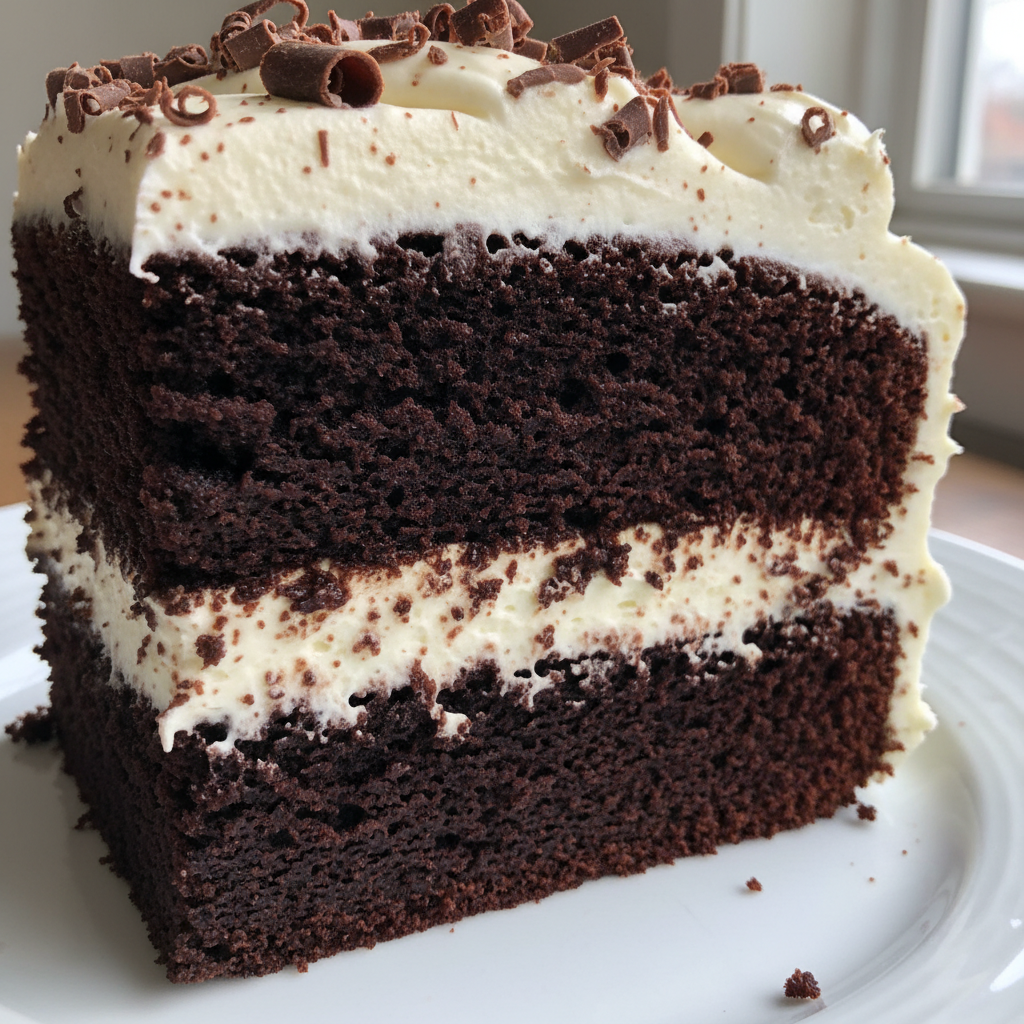
Ultimate Guinness Chocolate Cake with Irish Buttercream Recipe
Ingredients
Equipment
Method
- First, preheat your oven to 350°F (175°C). Then, take two 8-inch wide x 3-inch deep cake pans. Generously grease them all over and line the bottoms with parchment paper rounds. This ensures your beautiful cake layers won't stick.
- Pre-toast your all-purpose flour for 5-7 minutes at 350°F on a baking sheet, stirring once, until lightly fragrant. This crucial step enhances the Maillard reaction, yielding a more tender crumb and a subtle nutty depth to your Guinness Chocolate Cake. Allow it to cool slightly. In a large mixing bowl, whisk together the toasted flour, granulated sugar, unsweetened cocoa powder, baking soda, baking powder, and fine sea salt until thoroughly combined.
- Gently warm your Guinness beer in a small saucepan until it's just warm to the touch, but do not let it boil. Stir in the Dutch-processed cocoa powder and instant espresso powder, allowing them to bloom for about 5 minutes. This intensifies their color and flavor, truly making the chocolate sing. In a separate medium bowl, whisk together the room temperature sour cream, fresh vegetable oil, large eggs, and vanilla extract. Then, add the warmed Guinness mixture to the sour cream mixture and whisk until well combined.
- Pour the wet ingredients into the dry ingredients. With a spatula, stir gently until the ingredients are just combined. Be careful not to overmix the batter; overmixing can develop too much gluten, leading to a tough, dense cake. The batter should look rich and smooth.
- Divide the batter evenly between your two prepared cake pans. Bake for 35 to 40 minutes. You'll know they're done when a cake tester inserted into the center comes out clean, the edges slightly pull away from the sides of the pan, and the top springs back lightly when gently pressed. Allow the cakes to cool in their pans for 30 minutes. Then, carefully invert them onto a cooling rack or wire rack to cool completely. For easier frosting, I recommend wrapping the cooled cake layers in plastic wrap and freezing them for at least an hour while you prepare the buttercream.
- In a large bowl, use an electric mixer or hand mixer to beat the cool room temperature unsalted butter until it is light and fluffy, about 3-5 minutes. Gradually add the sifted powdered sugar, one cup at a time, beating well after each addition. Sifting the powdered sugar is essential for a lusciously smooth, lump-free buttercream. Finally, add the Irish cream. Beat the mixture on high speed for about 3 minutes until it's very light, fluffy, and smooth. If your frosting seems too thick, add another splash of Irish cream; if it's too thin, a bit more sifted powdered sugar will thicken it.
- Place your first cooled cake layer onto a cake stand or your desired serving plate. Frost the top generously with Irish buttercream; this layer will serve as the filling between your cake layers. If you're aiming for a "naked" cake look, you might want to use a bit more frosting here. Carefully place the second cake layer on top, flat side up, to create an even surface.
- Using an offset spatula, spread a very thin layer of frosting all over the entire cake. This is your crumb coat, designed to trap any loose crumbs and create a smooth base for your final frosting. Think of it like spackle. For the smoothest possible finish, return the cake to the fridge or freezer until this crumb coat is firm to the touch, about 15-20 minutes.
- Once the crumb coat is firm, apply the remaining Irish buttercream all over the cake, smoothing it out with your offset spatula. If you prefer the "naked" cake look, you can focus the frosting primarily on the top and apply a thinner, almost scraped-off layer around the sides. Refrigerate the cake again while you prepare the chocolate ganache drip.
- Place your finely chopped semisweet or bittersweet chocolate in a heatproof bowl. In a small saucepan, bring the heavy cream to a gentle simmer, then immediately remove it from the heat and pour it over the chopped chocolate. You can also do this step in the microwave in short bursts, stirring frequently. Cover the bowl for a few minutes to let the chocolate melt, then stir until the ganache is completely smooth and glossy.
- Allow the ganache to cool until it has thickened but is still pourable, which usually takes about 10 minutes at room temperature. Do not place the ganache in the fridge to speed up cooling, as it can seize or become too thick to drip properly. To test the consistency, spoon a small amount down the side of a chilled glass. If it's too thick, microwave it for 5 to 10 seconds. If it's too thin and runs too quickly, continue to let it cool for a few more minutes, stirring occasionally.
- Carefully pour some of the cooled ganache over the top of your chilled cake. Use an offset spatula to quickly and smoothly spread the ganache evenly over the top, pushing it just to the cake's edge. For controlled drips down the sides, I recommend transferring the remaining ganache to a squeeze bottle and gently squeezing one drip at a time, allowing it to fall naturally. Before the ganache fully sets, add any desired sprinkles, chocolate curls, or other decor. They won't adhere properly once the ganache firms up.