Skip to content
There’s something incredibly comforting and nostalgic about a perfectly spiced carrot cake. It evokes memories of family gatherings, special occasions, and that undeniable sweet satisfaction. But what if I told you that you could elevate this classic to an entirely new level? My kitchen has been buzzing with excitement over this superior Sourdough Carrot Cake recipe, a unique creation that redefines what a carrot cake can be. If you enjoy this, you might also love our sourdough banana bread.
This isn’t just another recipe; it’s an experience. We’re diving deep into enhanced flavors, incredible moisture, and even improved digestibility, all thanks to a special sourdough technique. Prepare to bake a carrot cake that is uniquely moist, delightfully tangy, and surprisingly good for you, featuring the magic of long fermentation and heritage grains. Get ready to impress everyone, including yourself!
Why You’ll Love This Recipe
I’m so thrilled to share the secret behind this truly exceptional sourdough carrot cake. The magic lies in two key elements: incorporating freshly milled heritage whole grain flour for half of our flour content and extending the initial sourdough fermentation step by an additional 4-6 hours. This isn’t just a tweak; it’s a transformation.
Boosted Nutrition & Digestibility: Using heritage grains like einkorn or spelt, combined with a long fermentation, breaks down phytic acid. This process makes the nutrients in the grains more available for your body to absorb, making this a more digestible and nutrient-rich dessert. Your stomach will thank you!
Richer Flavor Profile: The heritage grains lend a deeper, nuttier flavor that you won’t find in cakes made with only all-purpose flour. Coupled with the developed, mild tang from the sourdough starter, the resulting flavor is complex, nuanced, and utterly delicious. It’s a symphony of sweet, spiced, and subtly tangy notes.
Unparalleled Texture: Get ready for a super moist and tender crumb. The extended fermentation allows the whole grain flour to fully hydrate, leading to better moisture absorption throughout the cake. This controlled gluten development also ensures a cake that is incredibly soft and never dry.
This sourdough carrot cake is not only a healthier dessert option, but its super moist texture, perfectly spiced warmth, and mild tang make it a truly delightful sensory experience. It’s the kind of cake that will have your guests asking for the recipe and savoring every single bite.
Ingredients Needed

Here are the ingredients I use to create this incredible sourdough carrot cake and its luscious cream cheese frosting:
- 4 large eggs
- 3/4 cup oil
- 1 cup sugar
- 1 cup brown sugar
- 1/2 cup starter
- 2 teaspoons vanilla
- 2 cups all purpose flour
- 2 teaspoons baking powder
- 1 teaspoon baking soda
- 1 teaspoon salt
- 2 teaspoons cinnamon
- 2 cups grated carrots
- 1 cup chopped pecans
- 8 ounces cream cheese
- 1/2 cup butter
- 3 cups confectioners’ sugar
- 1 teaspoon vanilla
- 1 cup chopped pecans
Ingredient Notes & Substitutions
Let’s talk about some key ingredients to ensure your Sourdough Carrot Cake is perfect.
Flour: For that unique twist, I replace 1 cup of the all-purpose flour with 1 cup of freshly milled heritage whole grain flour. Einkorn flour or spelt flour are fantastic choices. These heritage grains offer superior nutrient content and a more complex, nutty flavor profile compared to standard all-purpose flour.
Sourdough Starter: You can use either active, bubbly sourdough starter or sourdough discard straight from the fridge for this recipe. Both will provide the mild tang and tenderizing qualities we’re looking for.
Oil: I prefer using a healthy oil such as vegetable oil, coconut oil, or avocado oil. These neutral-flavored oils contribute essential moisture to the cake without overpowering the delicate carrot and spice flavors, ensuring a wonderfully moist cake texture.
Carrots: For optimal texture and moisture, I always emphasize grating fresh carrots by hand. Pre-shredded carrots from the store tend to be drier and thicker, which can affect the final moist cake texture.
Nuts: While chopped pecans are classic, feel free to experiment with other nuts. Chopped walnuts, pistachios, or even sliced almonds make delicious alternatives.
Spices: Cinnamon is essential, but for an even richer spice blend, consider adding a touch of nutmeg, ginger, or cloves. Adjust to your personal preference!
Leavening Agents: It’s crucial to check the freshness of your baking powder and baking soda. Old leavening agents won’t activate properly, leading to a dense cake that doesn’t rise as it should.
Optional Flavor Boosts: For an extra layer of brightness, try adding some orange zest to the batter. A handful of raisins also adds a lovely chewy sweetness.

How to Make Sourdough Carrot Cake
Let’s walk through the steps to create this moist and flavorful Sourdough Carrot Cake, focusing on our unique long fermentation technique.
Prep & Preheat
First, preheat your oven to 350 degrees Fahrenheit. Then, grease a 9×13 inch pan or line it with parchment paper. This ensures your beautiful cake won’t stick.
Carrot & Pecan Prep
Take your fresh carrots and grate them finely. Then, chop your pecans. These fresh ingredients are key to the cake’s texture and flavor.
Begin the Sourdough Fermentation (The Unique Twist)
In a large bowl, combine 1 cup of the heritage whole grain flour (einkorn or spelt), the 3/4 cup oil, and the 1/2 cup sourdough starter. Mix these ingredients until they are just combined, forming a thick, shaggy paste.
Cover the bowl loosely with plastic wrap or a clean kitchen towel and allow this mixture to ferment at room temperature. This extended long fermentation should last an additional 4-6 hours, making the total fermentation time for this initial mixture between 12-18 hours.
After this period, you should notice the mixture is slightly puffed and bubbly, thickened, and will have a distinct, mild tangy aroma. This is a sign that the fermentation process is working its magic, deepening flavors and improving digestibility.
Complete the Wet Ingredients
Once your initial sourdough fermentation is complete, whisk the 4 large eggs, 1 cup granulated sugar, 1 cup brown sugar, and 2 teaspoons vanilla into the fermented flour mixture until well combined. This creates a wonderfully rich and aromatic wet base for our cake.
Combine Dry Ingredients
In a separate medium bowl, whisk together the remaining 1 cup all-purpose flour, 2 teaspoons baking soda, 2 teaspoons baking powder, 1 teaspoon salt, and 2 teaspoons cinnamon. Ensure all the dry ingredients are evenly distributed.
Integrate Wet & Dry
Now, gently add the dry ingredients into the wet ingredients. Mix until just incorporated. The key here is not to over mix; stop as soon as no streaks of dry flour remain. Over mixing can overdevelop the gluten, resulting in a tough cake.
Fold in Carrots & Pecans
Finally, stir in your grated carrots and fold in the chopped pecans. Distribute them evenly throughout the batter.
Bake
Pour the prepared batter into your greased or parchment-lined 9×13 inch pan. Bake in the preheated oven for 40 to 50 minutes. The cake is done when a toothpick inserted into the center comes out clean, and the edges begin to pull away from the sides of the pan. Be careful not to over-bake, as this can lead to a dry cake.
Cool Completely
Once baked, allow the cake to cool completely in the pan on a cooling rack before even thinking about frosting it. This step is crucial; attempting to frost a warm cake will only result in melted, messy frosting.
Cream Cheese Frosting
While the cake cools, let’s make that irresistible cream cheese frosting! To a stand mixer, add softened cream cheese and softened butter. Whip them together for a few minutes until they are perfectly smooth and fluffy.
Slowly pour in the 3 cups of confectioners’ sugar and 1 teaspoon of vanilla extract. Adding the sugar slowly prevents a powdered sugar cloud in your kitchen.
Whip until the frosting is nice and fluffy, light, and spreadable. Finally, fold in the second cup of chopped pecans, if you desire an extra nutty crunch in your frosting. Then, frost your completely cooled cake generously.
Elevated Baking Insights
Let’s deepen our understanding of what makes this Sourdough Carrot Cake truly special.
Understanding the Long Fermentation & Heritage Grains
The heart of this recipe’s uniqueness lies in its long fermentation process and the use of heritage grains. This isn’t just a fancy step; it’s a scientific approach to better baking.
Deep Dive into Long Fermentation: The extended time during which the sourdough starter, oil, and heritage flour ferment together does wonders. It actively breaks down phytic acid, an antinutrient found in grains, which significantly improves digestibility and nutrient absorption. This fermentation also creates a more complex flavor profile, adding a subtle tang that complements the sweetness of the carrots and spices. Moreover, it allows the whole wheat flour and heritage grains to fully hydrate, leading to a super moist cake and a wonderfully tender crumb.
Heritage Grains Explained: When I talk about einkorn flour or spelt flour, I’m referring to ancient wheat varieties that have not been hybridized like modern all-purpose flour. These grains boast higher nutrient content, including more protein, fiber, and minerals. They also offer a distinct nutty, slightly sweet flavor that adds depth to our sourdough carrot cake. In sourdough baking, these grains behave beautifully, absorbing moisture effectively and contributing to that desirable moist cake texture.
Visual Cues for Fermentation: After its long rest, your initial sourdough starter, oil, and flour mixture should show clear signs of activity. Look for a slight puffiness, small bubbles on the surface, and a noticeable, pleasant tangy aroma. It will also be visibly thicker than when you first mixed it. These are all indicators that the beneficial microbes in your starter have been hard at work.
Baking Pan Adaptations & Timings
While this recipe is designed for a 9×13 inch pan, you can easily adapt it for other sizes. Remember that baking time will vary depending on the pan’s size and depth, as well as your oven temperature.
9×13 Inch Pan (Original Recipe): For this size, bake at 350°F for 40-50 minutes. This yields a single, generous layer, similar to our Lemon Blueberry Sheet Cake.
Round Cake Pans: If you prefer a layered cake, divide the batter evenly between two 8-inch or 9-inch round cake pans. Reduce the baking time to approximately 25-35 minutes. Always ensure they are cooled completely on a cooling rack before stacking and frosting.
Cupcakes: This recipe makes excellent sourdough carrot cake cupcakes! Line a muffin tin with paper liners and fill each cup about two-thirds full. Bake for 18-22 minutes, or until a toothpick comes out clean. This recipe typically yields about 24 standard cupcakes.
Loaf Pans: For a smaller, denser cake, you can bake the batter in one or two loaf pans. Baking time will be longer, often 50-60 minutes, and you might consider a slightly lower oven temperature (e.g., 325°F) to prevent over-browning on the outside before the inside is cooked through.
Doneness Cues: Regardless of the pan size, always rely on the toothpick test. Insert a wooden toothpick into the center of the cake; if it comes out clean or with a few moist crumbs attached, your cake is done. The cake should also spring back lightly when gently pressed in the center, and the edges will often pull away slightly from the pan.
Pro Tips & Troubleshooting
Achieving a perfect Sourdough Carrot Cake is within reach with these expert tips and by avoiding common pitfalls.
Pro Tips for Sourdough Carrot Cake Success
- Freshly Grated Carrots: Always grate your carrots by hand for optimal moisture and texture. Pre-shredded carrots are often too dry and thick, which can lead to a less moist cake.
- Sourdough Starter Acidity: While sourdough discard works beautifully, ensure it’s not overly acidic if it’s been in the fridge for a very long time, as extreme acidity can sometimes curdle dairy if using an active starter for flavor, ensure it’s been recently fed and is active.
- Cool Completely: This is non-negotiable! Allow the cake to cool entirely on a cooling rack before applying any frosting. Frosting a warm cake will cause the cream cheese frosting to melt into a soupy mess.
- Fresh Leavening: Verify that your baking powder and baking soda are fresh. Stale leavening agents will result in a flat, dense cake that doesn’t rise properly.
- Embrace the Fermentation: Do not rush the initial sourdough fermentation step. This extended long fermentation is crucial for developing the complex flavors, tender crumb, and improved digestibility that make this recipe so special.
- Quality Ingredients: For the best nutritional and flavor benefits, invest in high-quality, freshly milled heritage grains. The difference is truly noticeable.
Common Mistakes to Avoid
- Overmixing the Batter: Once you add the dry ingredients to the wet, mix only until just combined. Over mixing the cake batter develops too much gluten, which can lead to a tough, gummy cake texture.
- Under-Cooling the Cake: As mentioned, frosting a warm cake is a recipe for disaster. Be patient and allow the cake to cool completely to ensure a beautiful, stable frosting.
- Stale Leavening Agents: Using old baking powder or baking soda will prevent your cake from rising properly, resulting in a dense and heavy cake.
- Over-Baking: Baking for too long is the quickest way to end up with a dry cake. Start checking for doneness around 35-40 minutes and use the toothpick test as your guide.
- Gummy Texture: A gummy cake can often be caused by overmixing the batter, adding too much liquid, or not baking the cake long enough. Ensure you follow the mixing instructions carefully.
- Sinking Cake: A cake that sinks in the middle is typically caused by opening the oven door too early during baking, using old leavening agents, or an incorrect oven temperature. Try to avoid opening the oven door unnecessarily, especially in the first 2/3 of the baking time.
Serving & Storage
Now that you’ve baked this magnificent Sourdough Carrot Cake, let’s talk about how to best enjoy and preserve it.
Serving Ideas
- Classic Slices: Serve generous square slices directly from your 9×13 inch pan. It’s perfect on its own!
- Garnish: Enhance the presentation with additional shredded carrots, a sprinkle of cinnamon, or a scattering of chopped pecans or chopped walnuts on top of the cream cheese frosting.
- Dessert Transformation: For an elegant dessert, break up pieces of the cake and layer them with frosting, fresh fruit, or whipped cream in a glass dish to create a stunning trifle.
- Individual Portions: If you baked sourdough carrot cake cupcakes, they are ideal for parties, lunchboxes, or a controlled single serving.
- Pairings: This cake pairs beautifully with a hot cup of coffee, a soothing tea, or a cold glass of milk.
Storage and Make-Ahead Tips
Proper storage is key to enjoying your sourdough carrot cake for days.
- Room Temperature (Unfrosted): An unfrosted cake can be stored in an airtight container at room temperature for 1-2 days. Make sure it’s well-sealed to prevent drying out.
- Refrigerated (Frosted): Once frosted, this cream cheese frosting requires refrigeration. Store the frosted cake in an airtight storage container in the refrigerator for 5-7 days. For best flavor and texture, I recommend letting it come to room temperature for about 30 minutes before serving.
- Freezing (Frosted & Unfrosted): Both frosted and unfrosted cake freeze beautifully for longer storage. For unfrosted cake, wrap individual slices or the whole cake tightly in plastic wrap, then in aluminum foil, and place in a freezer-safe storage container for up to 3 months. For frosted cake, freeze the cake uncovered until the frosting is firm, then wrap tightly as above. Thaw overnight in the refrigerator before bringing to room temperature.
- Make-Ahead: You can bake the cake up to 2-3 days in advance and keep it unfrosted at room temperature. The cream cheese frosting can also be made 2-3 days ahead and stored in the refrigerator. Assemble and frost the cake on the day you plan to serve it.
Recipe Adaptations
This recipe is wonderfully versatile and can be tweaked to suit various preferences.
- Dietary Needs: While this recipe uses all-purpose flour and heritage wheat, you can adapt it. For gluten-free needs, substitute the non-heritage all-purpose flour portion with a 1:1 gluten-free baking blend that contains xanthan gum. Be aware that the texture may vary slightly. For sugar substitutes, you can experiment, but be mindful that it might affect the cake’s moisture and texture.
- Flavor Variations: Don’t hesitate to personalize your cake! Reiterate options like adding orange zest for a citrusy brightness, plump raisins for extra chewiness, or different nuts like walnuts or pistachios to the batter.
Conclusion
I hope you’ve enjoyed this culinary journey into crafting the ultimate Sourdough Carrot Cake. This recipe isn’t just about baking; it’s about elevating a beloved classic to new heights of flavor, moisture, and even improved digestibility. Thanks to the unique long fermentation process and the inclusion of heritage grains, you’ll experience a carrot cake that is incredibly moist, boasts a complex, mild tang, and a tender crumb that simply melts in your mouth.
With the detailed instructions and pro tips I’ve provided, I’m confident that even novice bakers can achieve a stunning result. This Sourdough Carrot Cake is more than just a dessert; it’s a testament to the magic that happens when traditional techniques meet modern baking. I encourage you to try this recipe, experiment with the suggested variations, and share your delicious creations. Happy baking!
FAQ
What does sourdough do for cakes?
Sourdough starter contributes a mild, complex tangy flavor to cakes, enhancing the overall taste profile. Beyond flavor, it improves digestibility by breaking down phytic acid found in grains, making nutrients more available. Sourdough also enhances moisture retention, resulting in a delightfully tender crumb. This recipe’s long fermentation further boosts all these benefits.
Can I use sourdough discard straight from the fridge?
Yes, sourdough discard can be used straight from the fridge in this recipe. It still provides the wonderful flavor and tenderizing qualities. Just ensure it’s not overly acidic if it’s been in the fridge for an extended period.
What is the shelf life and storage recommendations for sourdough carrot cake?
For comprehensive guidance on storing your sourdough carrot cake, please refer to the detailed Serving & Storage section above. It covers how to store frosted and unfrosted cake at room temperature, in the refrigerator, and freezing options for longer preservation, including tips for using an airtight storage container.
Can this sourdough carrot cake recipe be adapted for dietary needs like gluten-free?
While this specific recipe utilizes all-purpose flour and heritage wheat, it can be adapted for gluten-free baking. For the non-heritage all-purpose flour portion, you can substitute a 1:1 gluten-free baking blend that contains xanthan gum. Be aware that the final texture may vary slightly from the original recipe.
How do I prevent a dry sourdough carrot cake?
Our unique twist with long fermentation and heritage grains naturally contributes to a super moist cake. Additionally, to prevent a dry cake, ensure you do not over mix the batter, use fresh carrots, and avoid over-baking. Carefully monitor the baking time using the toothpick test. Using a healthy oil, such as vegetable oil or avocado oil, also significantly contributes to a moist cake texture.
What are some common variations for sourdough carrot cake?
Common variations for sourdough carrot cake include swapping chopped pecans for chopped walnuts or other nuts, adding raisins for extra sweetness and chew, incorporating orange zest for a bright citrus note, or even transforming the recipe into individual cupcakes or an elegant trifle. More ideas can be found in the Serving & Storage section.
What’s the best type of oil for carrot cake?
A neutral-flavored vegetable oil, avocado oil, or melted coconut oil works best in carrot cake. These oils contribute essential moisture without imparting a strong flavor that would compete with the carrots and spices. Using these healthy oil choices also helps to enhance the cake’s tenderness and moistness.
Can I use store-bought shredded carrots?
While convenient, store-bought shredded carrots are often too thick and can be quite dry. For the best moist cake texture and optimal flavor, it is highly recommended to grate fresh carrots by hand. This ensures the ideal moisture content and a finer shred that beautifully melts into the cake batter as it bakes.
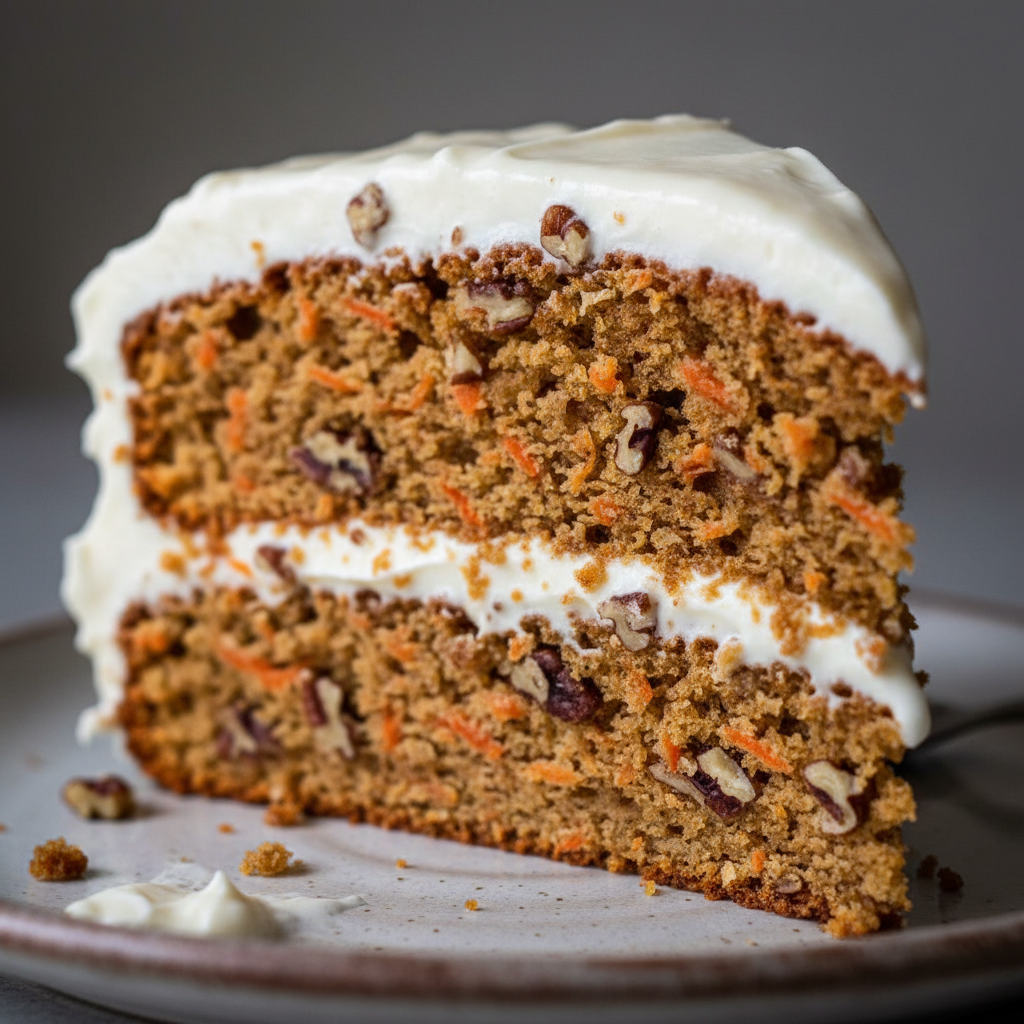
Ultimate Sourdough Carrot Cake: Moist & Tangy with Heritage Grains
Ingredients
Equipment
Method
- First, preheat your oven to 350 degrees Fahrenheit. Then, grease a 9x13 inch pan or line it with parchment paper. This ensures your beautiful cake won't stick.
- Take your fresh carrots and grate them finely. Then, chop your pecans. These fresh ingredients are key to the cake's texture and flavor.
- In a large bowl, combine 1 cup of the heritage whole grain flour (einkorn or spelt), the 3/4 cup oil, and the 1/2 cup sourdough starter. Mix these ingredients until they are just combined, forming a thick, shaggy paste.
- Cover the bowl loosely with plastic wrap or a clean kitchen towel and allow this mixture to ferment at room temperature. This extended long fermentation should last an additional 4-6 hours, making the total fermentation time for this initial mixture between 12-18 hours.
- After this period, you should notice the mixture is slightly puffed and bubbly, thickened, and will have a distinct, mild tangy aroma. This is a sign that the fermentation process is working its magic, deepening flavors and improving digestibility.
- Once your initial sourdough fermentation is complete, whisk the 4 large eggs, 1 cup granulated sugar, 1 cup brown sugar, and 2 teaspoons vanilla into the fermented flour mixture until well combined. This creates a wonderfully rich and aromatic wet base for our cake.
- In a separate medium bowl, whisk together the remaining 1 cup all-purpose flour, 2 teaspoons baking soda, 2 teaspoons baking powder, 1 teaspoon salt, and 2 teaspoons cinnamon. Ensure all the dry ingredients are evenly distributed.
- Now, gently add the dry ingredients into the wet ingredients. Mix until just incorporated. The key here is not to over mix; stop as soon as no streaks of dry flour remain. Over mixing can overdevelop the gluten, resulting in a tough cake.
- Finally, stir in your grated carrots and fold in the chopped pecans. Distribute them evenly throughout the batter.
- Pour the prepared batter into your greased or parchment-lined 9x13 inch pan. Bake in the preheated oven for 40 to 50 minutes. The cake is done when a toothpick inserted into the center comes out clean, and the edges begin to pull away from the sides of the pan. Be careful not to over-bake, as this can lead to a dry cake.
- Once baked, allow the cake to cool completely in the pan on a cooling rack before even thinking about frosting it. This step is crucial; attempting to frost a warm cake will only result in melted, messy frosting.
- While the cake cools, let's make that irresistible cream cheese frosting! To a stand mixer, add softened cream cheese and softened butter. Whip them together for a few minutes until they are perfectly smooth and fluffy.
- Slowly pour in the 3 cups of confectioners’ sugar and 1 teaspoon of vanilla extract. Adding the sugar slowly prevents a powdered sugar cloud in your kitchen.
- Whip until the frosting is nice and fluffy, light, and spreadable. Finally, fold in the second cup of chopped pecans, if you desire an extra nutty crunch in your frosting. Then, frost your completely cooled cake generously.