Skip to content
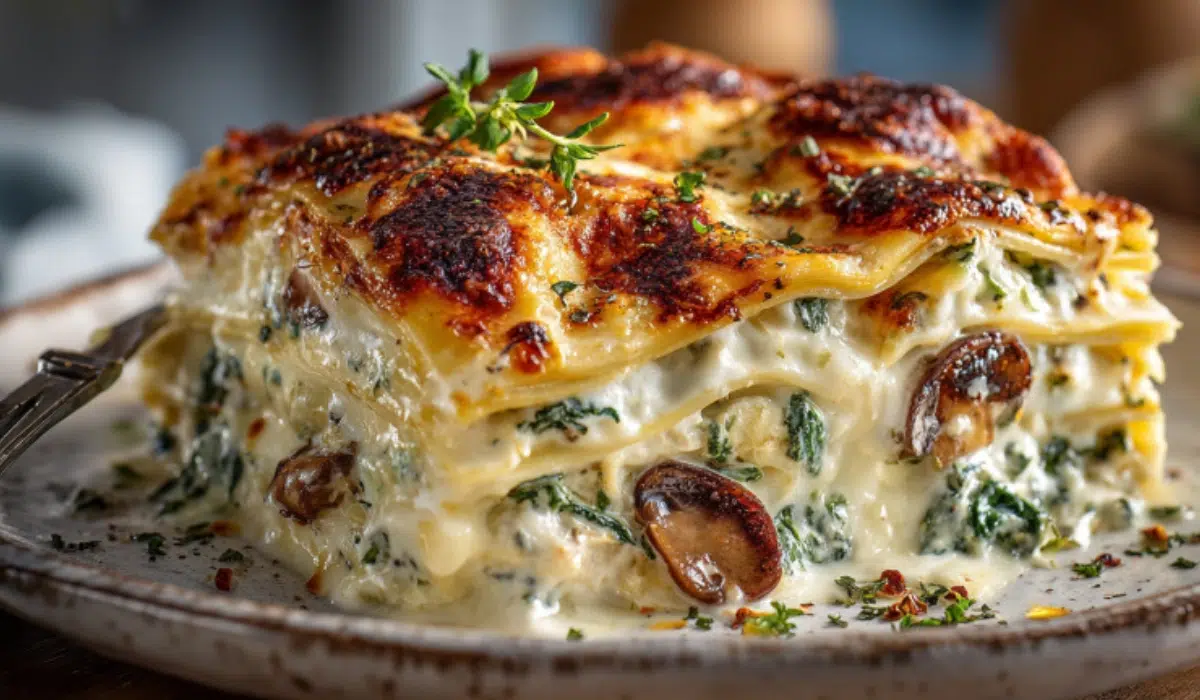
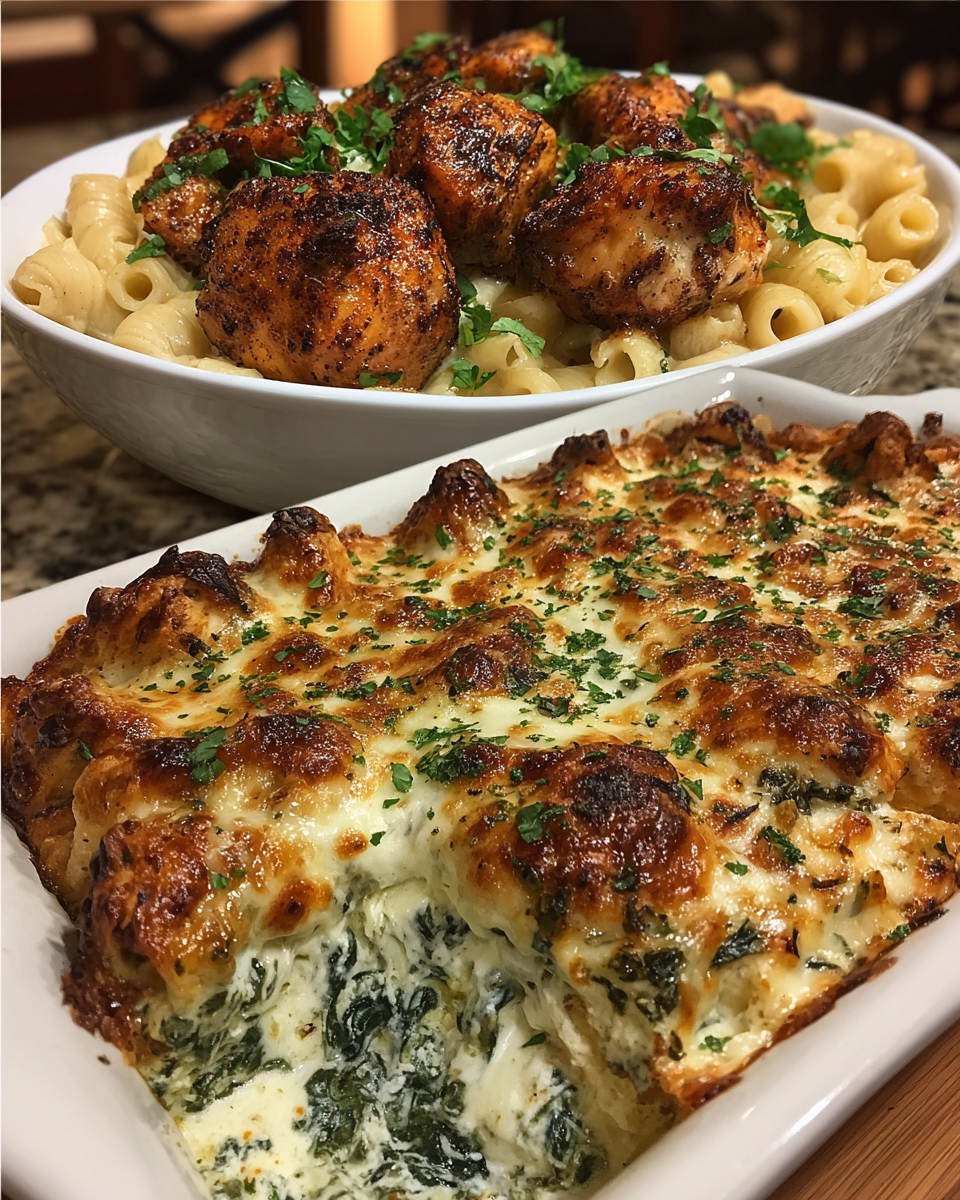
White sauce lasagna is a rich, comforting twist on the classic red-sauce version. Layers of tender noodles, creamy béchamel, and savory vegetables bake together to create a dish that’s indulgent yet balanced. This version brings out the delicate flavor of white sauce while keeping every bite light and velvety. Whether you’re planning a cozy family dinner or hosting friends, this white sauce lasagna delivers a creamy, golden perfection that impresses every time. It’s easy to assemble, make ahead, and bake to bubbling, cheesy bliss.
Table of Contents
Why You’ll Love This Recipe
- Simple ingredients, big flavor. Everyday staples like milk, butter, and cheese come together for a silky white sauce that feels restaurant-quality.
- Comfort in every bite. Layers of creamy sauce, tender noodles, and vegetables create the perfect cozy dinner.
- Make-ahead friendly. Assemble the lasagna the night before or freeze it for stress-free entertaining.
- Crowd-pleaser approved. Everyone from picky eaters to pasta lovers will go back for seconds.
- Versatile and customizable. Add chicken, mushrooms, or spinach without changing the creamy balance.
This version stands out because it blends the elegance of béchamel with the heartiness of homemade lasagna. Each layer bakes into a golden, creamy masterpiece that’s impossible to resist.
Ingredients Needed
For the Noodles
- 9 sheets of lasagna noodles, uncooked (no-boil or regular, depending on preference)
- Salt, for boiling if using regular noodles
For the White Sauce (Béchamel)
- 29 ounces Alfredo-style pasta sauce (store-bought or homemade)
- ½ cup milk, preferably whole or 2% for a richer flavor
- 2 tablespoons unsalted butter
- 2 tablespoons all-purpose flour (to thicken if needed)
- A pinch of nutmeg for warmth (optional but recommended)
- Salt and white pepper, to taste
For the Filling
- 10 ounces frozen chopped spinach, thawed and squeezed dry
- 8 ounces shredded carrots
- 8 ounces sliced fresh mushrooms
- 15 ounces ricotta cheese
- 1 large egg, room temperature
For the Cheese Layer
- ½ cup shredded mozzarella cheese (plus extra for topping if you like it cheesier)
- ¼ cup grated Parmesan cheese for added flavor depth
Notes & Substitutions
- Gluten-free: Use certified gluten-free noodles and thicken the sauce with rice flour or cornstarch.
- Dairy-free: Swap milk with unsweetened oat milk and use vegan butter and cheese alternatives.
- Budget-friendly: Mix part-skim ricotta with a small amount of cottage cheese for a similar texture at a lower cost.
- Flavor boost: Add a dash of garlic powder or Italian herbs to the white sauce for extra aroma.
- Protein add-ins: Shredded cooked chicken or turkey blends perfectly with the white sauce for a heartier version.
How to Make White Sauce Lasagna
Before You Start: Prep and Preheat
Preheat your oven to 350°F (175°C). Lightly grease a 9×13-inch baking dish with butter or nonstick spray. If using frozen spinach, thaw it completely and squeeze out as much water as possible. Set all ingredients within easy reach for smooth assembly.
Step 1: Make the Béchamel Base
In a medium saucepan, melt butter over medium heat. Whisk in flour and cook for about one minute until it forms a smooth paste. Slowly pour in milk while whisking to avoid lumps. Add Alfredo sauce, salt, and a pinch of nutmeg. Simmer for 3 to 5 minutes, stirring constantly, until the sauce coats the back of a spoon. Remove from heat and set aside. For technique details, see the Serious Eats béchamel guide.
Why it matters: Cooking the roux removes raw flour taste and ensures your sauce stays silky instead of grainy.
Step 2: Prepare the Spinach Mixture
In a large bowl, mix ricotta, egg, and drained spinach. Stir until fully combined. Season lightly with salt and pepper. This creamy mixture becomes the lasagna’s flavorful center.
Mini tip: Pat spinach dry using paper towels extra moisture can make the lasagna watery.
Step 3: Sauté the Vegetables
In a skillet, warm a drizzle of olive oil over medium heat. Add mushrooms and carrots. Cook for 4–5 minutes until softened and fragrant. Set aside to cool slightly.
Visual cue: The mushrooms should release their juices and start to turn golden at the edges.
Step 4: Assemble the Layers
- Spoon ½ cup of the béchamel sauce into the bottom of the baking dish.
- Lay 3 noodles evenly over the sauce.
- Spread half of the spinach-ricotta mixture on top.
- Add half of the sautéed vegetables.
- Pour another cup of sauce to cover the layer.
- Repeat with remaining noodles, filling, and vegetables.
- Finish with a final layer of noodles and pour the remaining sauce evenly across the top.
- Sprinkle mozzarella and Parmesan over the surface.
Pro tip: Make sure every noodle is fully covered in sauce, as recommended by The Kitchn.
Internal technique deep-dive: See more variations on a pasta-ready béchamel in this Béchamel Base.
Step 5: Bake
Cover the pan tightly with greased foil (sprayed side down to prevent sticking). Bake for 50 to 60 minutes until the sauce bubbles around the edges. Remove the foil and bake for another 10 minutes to brown the top slightly.
Why this works: The covered phase lets the noodles steam, while the final uncovered time adds color and texture.
Step 6: Rest, Slice, and Serve
Turn off the oven and let the lasagna rest inside (door slightly open) for 10 to 15 minutes before slicing. This helps the layers set and slice cleanly, per The Kitchn.
Serve warm with a sprinkle of fresh herbs or extra Parmesan on top.
Pro Tips & Troubleshooting
Expert Tips
- Build flavor early. Lightly toast the flour and butter in your roux before adding milk — it creates a nutty depth that makes the white sauce richer.
- Control moisture. Always squeeze spinach and pat dry mushrooms before layering. This keeps the lasagna creamy instead of soupy.
- Perfect layering. Start and end with sauce, not noodles. It locks in moisture and prevents hard edges.
- Even baking. Cover tightly with foil for the first bake, then uncover to brown the top beautifully.
- Rest before slicing. Let the lasagna sit at least 10 minutes after baking. The layers will firm up and slice cleanly.
(Layering reference: start and end with sauce, per Southern Living’s guidance.)
Common Mistakes to Avoid
- Skipping the roux. Adding milk directly to cold sauce makes it thin and grainy. Always thicken first.
- Undercooked noodles. If using traditional noodles, boil until just al dente they’ll finish cooking in the oven.
- Overloading with vegetables. Too much moisture can break the sauce and make it watery. Stick to measured portions.
- Rushing the rest time. Cutting right away releases trapped steam, which can collapse layers.
Creative Shortcut
Use store-bought Alfredo sauce as your béchamel base, then whisk in a tablespoon of flour and a splash of milk while warming. This thickens it slightly and gives a homemade feel without the extra effort.
Serving, Storage & Variations
Serving Ideas
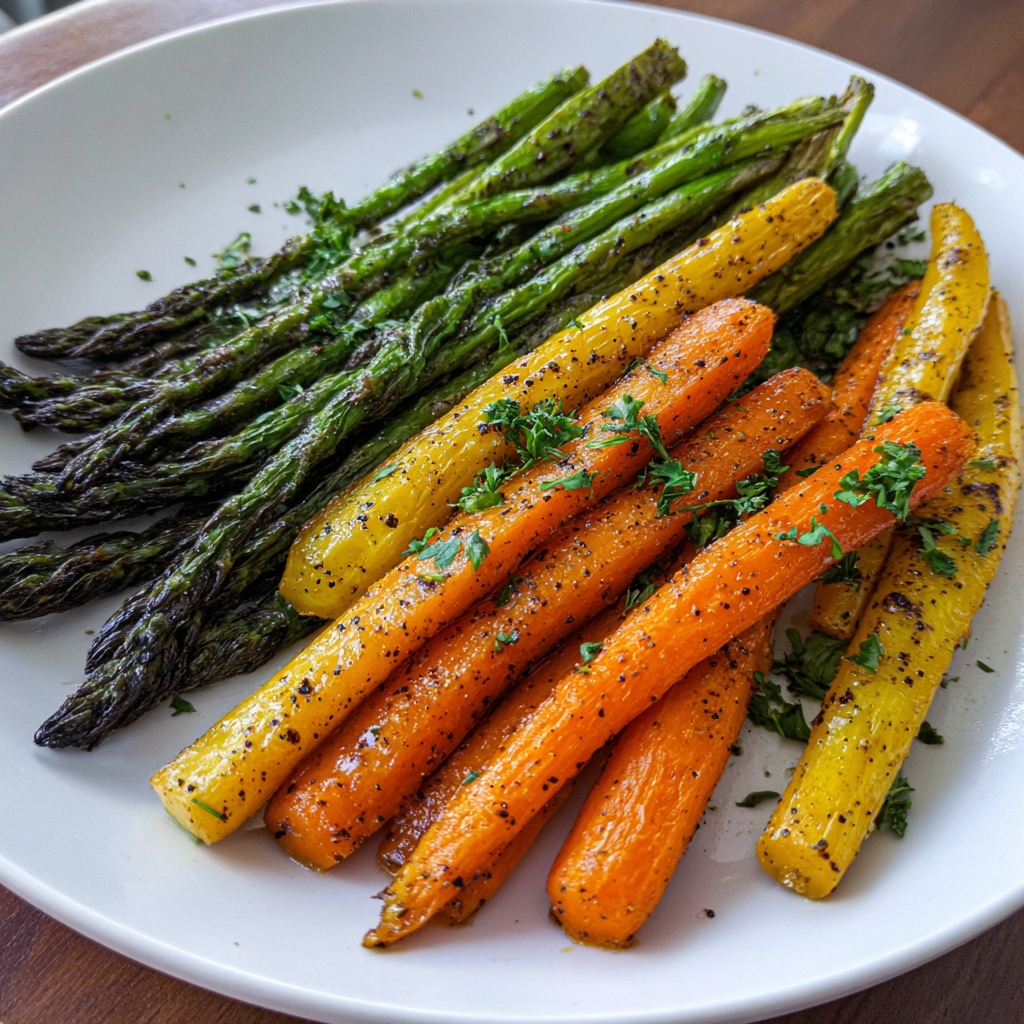
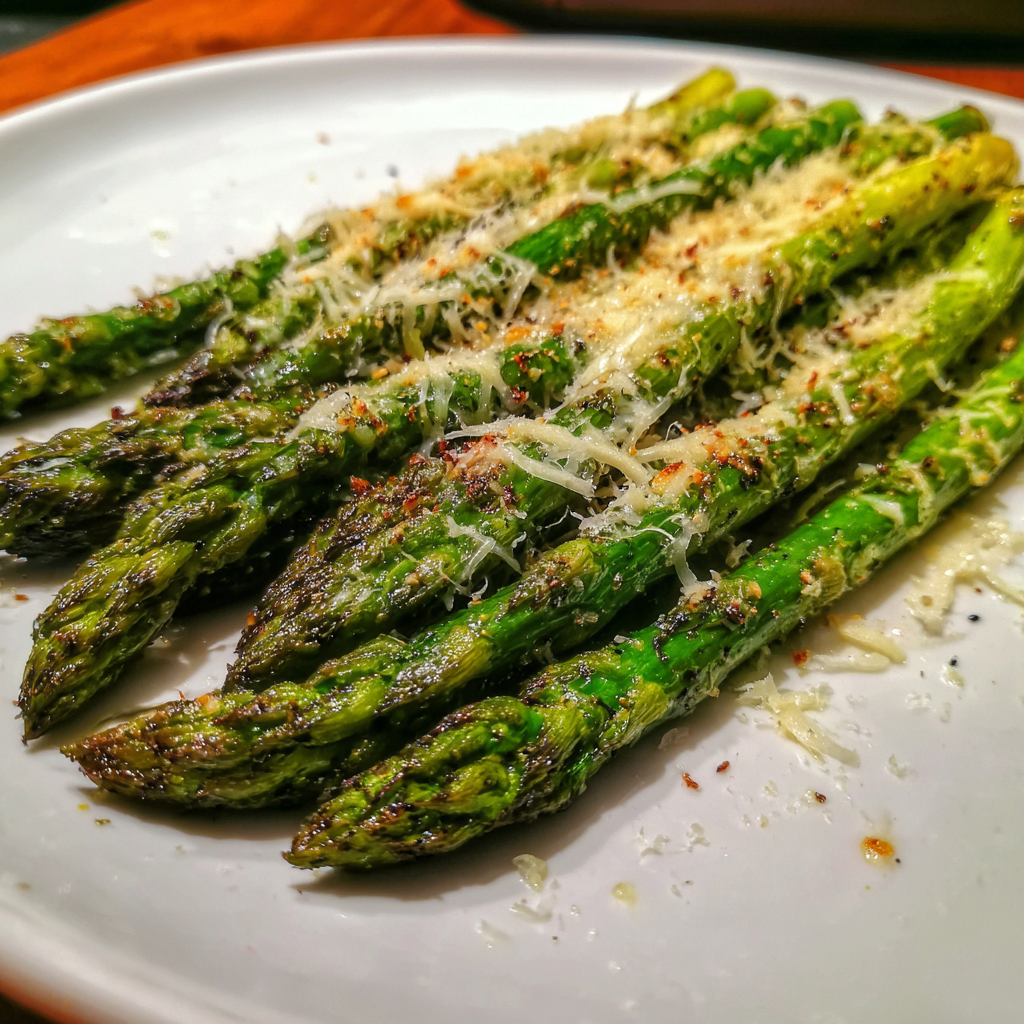
Serve this creamy white sauce lasagna hot and golden straight from the oven. Pair it with a crisp green salad tossed in lemon vinaigrette or roasted vegetables for balance. Garlic bread or a simple baguette is perfect for soaking up the extra sauce. For presentation, sprinkle fresh parsley or basil on top right before serving for a pop of color and freshness.
Storage Guidelines
- Refrigerator: Cool leftovers completely before covering. Store in an airtight container for up to 4 days (follow USDA food safety guidance).
- Freezer: Assemble but do not bake. Wrap tightly in plastic wrap and foil, then freeze for up to 2 months (see Food Network’s freezing guide).
- Defrosting: Thaw overnight in the fridge before baking or reheating.
Reheating for Best Texture
To reheat, cover with foil and warm in a 350°F (175°C) oven for 20–25 minutes. For single portions, microwave on medium power in 1-minute intervals until hot. Add a tablespoon of milk or sauce before reheating to restore creaminess. Reheat leftovers until they reach an internal temperature of 165°F, per USDA recommendations.
Quick Variations
- Chicken Alfredo Lasagna: Add shredded rotisserie chicken between the layers for extra protein.
- Spinach & Mushroom White Lasagna: Emphasize earthy flavors by doubling the mushrooms and adding sautéed onions.
- Vegetarian Delight: Use zucchini ribbons or roasted cauliflower instead of noodles for a low-carb twist.
- Spicy Version: Stir a pinch of crushed red pepper into the sauce for gentle heat.
- Vegan Option: Replace butter and milk with plant-based alternatives and use cashew cream or vegan mozzarella.
Each version keeps the creamy essence of white lasagna while offering new ways to enjoy it.
Nutritional Information
Below is the estimated nutrition profile per serving of white sauce lasagna, based on a recipe that yields 9 servings. Values are calculated using standard data for ricotta, Alfredo sauce, mozzarella, and vegetables.
| Nutrient | Amount per serving |
|---|---|
| Calories | 490 kcal |
| Protein | 20 g |
| Total Fat | 34 g |
| Saturated Fat | 14 g |
| Cholesterol | 80 mg |
| Carbohydrates | 31 g |
| Dietary Fiber | 3 g |
| Sugars | 7 g |
| Sodium | 1050 mg |
| Calcium | 295 mg |
| Iron | 2 mg |
| Potassium | 425 mg |
These values are approximate and may vary depending on ingredient brands and substitutions.
Nutritional Highlights:
- Protein: Balanced from ricotta, mozzarella, and milk, helping build and repair muscle.
- Calcium: Excellent source for bone health (USDA MyPlate).
- Vegetables: Spinach and carrots add vitamins A and K (NIH), fiber, and antioxidants.
- Smart Fat Balance: Butter and cheese provide richness while still supporting satiety.
Tip: Use online tools like Cronometer or MyFitnessPal to verify or adjust values if you modify ingredients or portions.
Conclusion
This white sauce lasagna delivers everything you love about comfort food creamy layers, tender noodles, and a perfectly balanced flavor that feels indulgent but never heavy. It’s the kind of dish that makes weeknights special and gatherings memorable.
With its smooth béchamel base and easy, step-by-step method, even first-time cooks can create a restaurant-worthy result at home. Whether you keep it classic or add chicken, mushrooms, or extra cheese, this recipe always turns out beautifully golden and irresistibly creamy.
If you try this recipe, leave a comment and a star rating below it helps others find it and perfect their own version. Share your photos on Pinterest or Facebook, and tell us: What twist did you try? We’d love to hear your favorite variations!
Frequently Asked Questions
Can I use no-boil lasagna noodles for this recipe?
Yes. No-boil noodles work perfectly as long as each layer is well-coated with sauce. The extra moisture in the béchamel helps them soften evenly while baking.
How do I keep the white sauce from curdling or turning grainy?
Use medium heat and whisk constantly while making the roux and adding milk. If the sauce starts to separate, remove it from the heat and whisk in a tablespoon of cold milk until smooth.
What is the ideal thickness for the béchamel before layering?
The sauce should be thick enough to coat the back of a spoon but still pourable. If it feels too thin, simmer for another minute; if too thick, add a splash of milk.
Can I make this gluten-free, and which noodles work best?
Yes. Use certified gluten-free lasagna noodles and replace all-purpose flour in the roux with rice flour or cornstarch. Everything else in the recipe remains the same.
Does this freeze well, and how should I reheat for best texture?
Absolutely. Assemble the lasagna, wrap it tightly, and freeze for up to two months. Bake from thawed at 350°F for about 45 minutes, covered, then uncover to brown for 10 minutes.
Can I replace part of the milk with cream or broth?
Yes. Half-and-half or a mix of milk and light cream gives a richer sauce. For a lighter version, substitute part of the milk with chicken or vegetable broth.
How can I add chicken, mushrooms, or spinach without making it watery?
Cook and drain all add-ins thoroughly before layering. Sauté mushrooms until their moisture evaporates, and squeeze spinach dry with paper towels.
White Sauce Lasagna
A creamy, comforting lasagna made with tender noodles, rich béchamel sauce, spinach, mushrooms, and cheese. Perfectly balanced, easy to assemble, and ideal for cozy dinners or gatherings.
9
servings45
minutes1
hour10
minutes490
kcalIngredients
- For the Noodles
9 lasagna noodles (no-boil or regular)
Salt, for boiling if using traditional noodles
- For the White Sauce (Béchamel)
29 oz Alfredo-style pasta sauce (store-bought or homemade)
½ cup milk (whole or 2%)
2 tbsp unsalted butter
2 tbsp all-purpose flour
Pinch of nutmeg (optional)
Salt and white pepper, to taste
- For the Filling
10 oz frozen chopped spinach (thawed and squeezed dry)
8 oz shredded carrots
8 oz sliced fresh mushrooms
15 oz ricotta cheese
1 large egg, room temperature
- For the Cheese Layer
½ cup shredded mozzarella (plus extra for topping)
¼ cup grated Parmesan
Directions
- Preheat & Prep: Preheat oven to 350°F (175°C). Lightly grease a 9×13-inch baking dish.
- Make the Béchamel: In a saucepan, melt butter, whisk in flour, and cook 1 minute. Gradually whisk in milk, Alfredo sauce, nutmeg, salt, and pepper. Simmer until thick enough to coat the spoon.
- Prepare the Filling: Mix ricotta, egg, and drained spinach. Add salt and pepper.
- Sauté Vegetables: Cook mushrooms and carrots over medium heat until tender.
- Assemble Layers: Spread a thin layer of sauce, then noodles, spinach mixture, vegetables, and more sauce. Repeat layers, finishing with sauce and cheese.
- Bake: Cover with foil and bake for 50–60 minutes. Uncover and bake 10 more minutes until golden.
- Rest & Serve: Let stand for 10–15 minutes before slicing. Garnish with herbs and serve warm.
Notes
- Make Ahead: Assemble up to 1 day in advance; refrigerate until baking.
- Freezer-Friendly: Freeze unbaked for up to 2 months. Thaw overnight before baking.
- Vegetarian Option: Omit chicken and add extra mushrooms or spinach.
- Gluten-Free: Use gluten-free noodles and rice flour in the roux.
- Serving Tip: Pairs beautifully with a crisp salad and garlic bread.
Nutrition Facts
- Calories: 490kcal
- Fat: 34g
- Saturated Fat: 14g
- Sodium: 1050mg
- Carbohydrates: 31g
- Fiber: 3g
- Sugar: 7g
- Protein: 20g
- Calcium: 295mg
- Iron: 2mg