Skip to content

Ever scrolled through TikTok and stumbled on the “Celtic blue salt trick” everyone swears by? Some say it boosts hydration, others claim it’s a secret weapon for energy and even performance. It sounds wild enough to make anyone curious.
Here’s the truth: this salty shortcut is part hydration hack, part internet myth, and part confusion over which “blue salt” people actually mean. Before you drop a pinch into your morning glass, it helps to know what the trick is, what science says, and how to do it safely if you decide to try it.
In the next section, we’ll unpack what this trend really involves and why the name “Celtic blue salt” causes so much mix-up online.
Celtic Blue Salt Trick Drink Recip
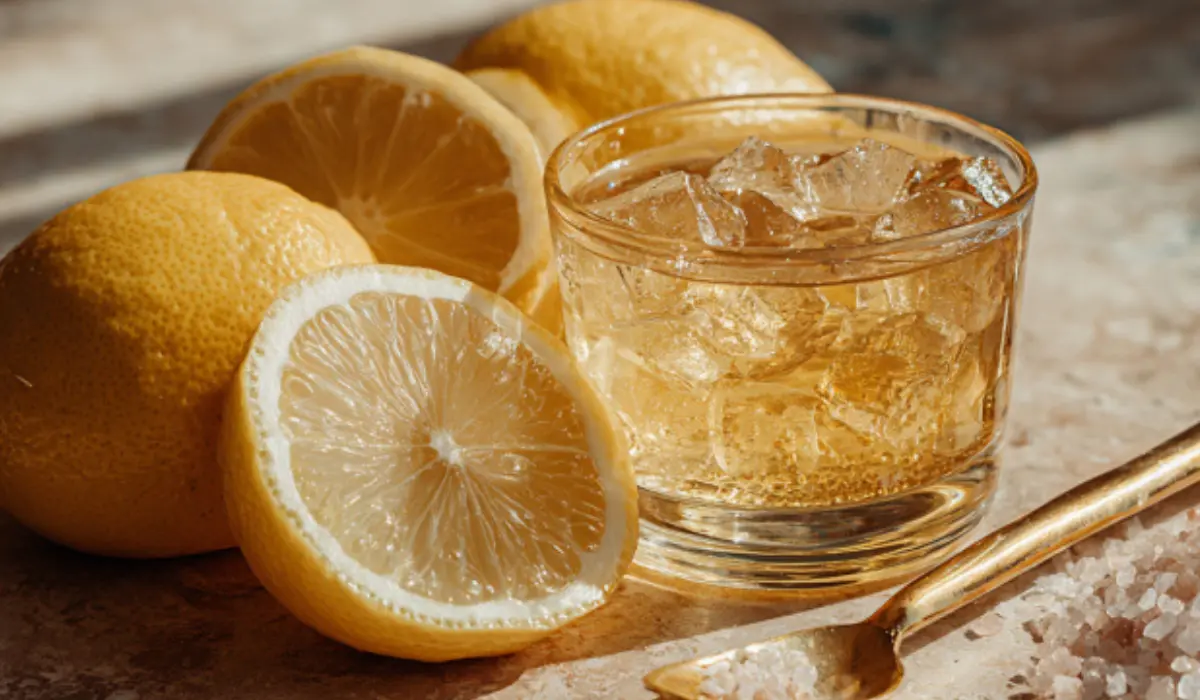
A quick and refreshing morning drink made with Celtic sea salt, lemon, and warm water. This simple mix supports hydration and adds natural minerals with a crisp, clean flavor.
1
servings2
minutes0
minutes5
kcalIngredients
½ cup warm filtered water
⅛ teaspoon Celtic sea salt
1 tablespoon fresh lemon juice (or ½ teaspoon apple cider vinegar)
Optional: pinch of cayenne pepper
Optional: 1 teaspoon honey for mild sweetness
Directions
- Warm the water until it feels comfortable to touch, not hot.
- Add the Celtic sea salt and stir until fully dissolved.
- Mix in the lemon juice or apple cider vinegar.
- Add honey and cayenne pepper if desired.
- Sip slowly on an empty stomach or before breakfast for best results.
Notes
- Use high-quality Celtic sea salt to ensure mineral content.
- Drink once daily, and avoid if you have heart, kidney, or blood pressure concerns.
- For a lighter flavor, double the water amount.
- Add ice and mint for a refreshing summer variation.
Nutrition Facts
- Calories: 5kcal
- Carbohydrates: 1g
What Is the “Celtic Blue Salt Trick”?
The Celtic blue salt trick is a simple salt-in-water routine that went viral on TikTok and YouTube. People mix a small pinch of salt into warm water, sometimes with lemon or a splash of apple cider vinegar, and drink it first thing in the morning.
Most videos frame it as a quick way to feel hydrated and energized. Some creators also claim it supports blood flow or performance. The content spreads fast on short clips and reaction videos, which helps the idea look bigger than the evidence behind it.
Here’s the catch. The name blends two different products. Celtic sea salt is a gray, unrefined sea salt from coastal France. Persian blue salt is a rare rock salt with blue crystals from Iran. They are not the same, yet many posts lump them together under “blue salt.”
So, when people say “Celtic blue salt trick,” they usually mean a small salted water drink like this Celtic sea salt trick. The details shift by creator, but most versions stick to warm water, a tiny amount of salt, and an optional flavor add-in.
Celtic Sea Salt vs Persian Blue Salt
You see one name on social, but you deal with two very different salts. Let’s separate them so your glass makes sense.
Origin and color differences
Celtic sea salt comes from coastal France. Producers harvest it from seawater and let it dry, which leaves a moist, gray tint from clay minerals.
Persian blue salt forms inside ancient rock salt caves in Iran. Trace mineral shifts in the crystal lattice create blue flecks that look striking in photos.
Bottom line: Celtic looks gray and slightly damp. Persian blue looks dry with blue crystals. Different places. Different looks.
Mineral profile basics
Both salts are mostly sodium chloride. Trace minerals ride along in tiny amounts.
- Celtic sea salt: sodium plus traces of magnesium, calcium, and potassium. It tastes briny and slightly earthy.
- Persian blue salt: sodium with trace minerals as well, but it stays a decorative finishing salt for most cooks.
These trace minerals do not erase the sodium load. If you add salt to water, you still add sodium.
Why people mix these up online
The term “blue salt trick” travels faster than details. Creators swap names, tags, and images. Gray Celtic salt in a dim kitchen can even look bluish on camera. Product pages also use buzzwords that blend categories.
So when someone says “Celtic blue salt,” they often mash the two together. For clarity in this guide, Celtic sea salt refers to the gray sea salt from France. Persian blue salt refers to the blue crystal rock salt from Iran. Different salts, different stories.
Both salts are mostly sodium chloride, and this look at pink salt or sea salt explains why that difference rarely changes health claims.
Claims vs Reality
Trendy names and bold promises travel fast online, but the real-world effects of the “Celtic blue salt trick” look a lot less magical when you unpack them.
Hydration and energy claims
Many users say a small amount of salt in water helps them feel hydrated faster. In mild cases of dehydration, sodium can help the body retain water. Still, most people already get enough sodium from food, so adding more isn’t usually necessary. The short-term “energy” some feel often comes from starting the day with fluids, not from special minerals. Hydration supports energy and focus, and Mayo Clinic notes that water and, when appropriate, oral rehydration solutions replace fluids and electrolytes safely.
ED and blood flow claims
Several posts call this a “salt trick for men,” implying benefits for circulation or erectile function. There is no solid research that salt water boosts nitric oxide or blood flow in healthy people, and the CDC notes that too much sodium raises blood pressure. Posts pitch a “salt trick for men,” yet NIH reviews link erectile dysfunction with hypertension and shared lifestyle risks, not with salt water drinks. The connection between salt and ED improvement is pure myth, not science, and this Celtic salt trick for ED guide breaks down why.
What science actually says so far
Celtic or Persian blue salt shares the same chemical base as any other salt. The trace minerals exist in very small amounts too small to produce measurable health effects at the doses people use in these drinks. Hydration, on the other hand, does improve energy and focus, but any clean water, herbal tea, or low-sugar electrolyte drink can do that job safely.
Myth vs Fact Snapshot
| Claim | Fact |
|---|---|
| Blue salt trick increases blood flow | No credible evidence; high sodium may do the opposite |
| Celtic salt hydrates better than water | Hydration depends mostly on total fluid intake |
| Blue crystals mean extra minerals | Color comes from mineral structure, not higher nutrient content |
| Salt water boosts energy naturally | Energy comes from hydration and diet, not salt alone |
Safety First
The “Celtic blue salt trick” might look harmless, but adding salt to water isn’t risk-free. Knowing where the limits sit helps you stay safe while testing trends.
Who should avoid adding salt to water
If you have high blood pressure, heart or kidney issues, or fluid retention, skip this trend; WHO advises adults to keep sodium below 2,000 mg per day to reduce cardiovascular risk. Anyone on a low-sodium diet or taking medication that affects water balance should steer clear unless cleared by a healthcare provider.
Children and teens don’t need this mix either. Their electrolyte balance regulates naturally through food and hydration.
Daily sodium limits and signs you overdo it
According to the American Heart Association, adults should cap sodium at 2,300 milligrams per day and aim for 1,500 mg for better heart health. One small pinch of salt in water might add 300–500 mg depending on the brand. If you also eat typical processed foods, your daily total can climb quickly.
Signs of too much sodium include bloating, thirst, headaches, or swelling in your hands and feet. Chronic high intake can raise blood pressure and strain your heart.
Talk to your clinician if you have heart, kidney, or BP issues
Even wellness hacks that look simple can change how your body handles fluids. A quick conversation with a healthcare professional keeps things in check. Mention any supplements or salt habits when you do.
If you still want to try the drink, the next section gives a careful version that keeps sodium minimal and explains how often to use it.
Simple Recipe If You Still Want To Try It
If you still feel curious, keep the serving small and follow this blue salt trick recipe for consistent portions. Mix it the same way each time so you know what you drink.
Ingredients and measurements
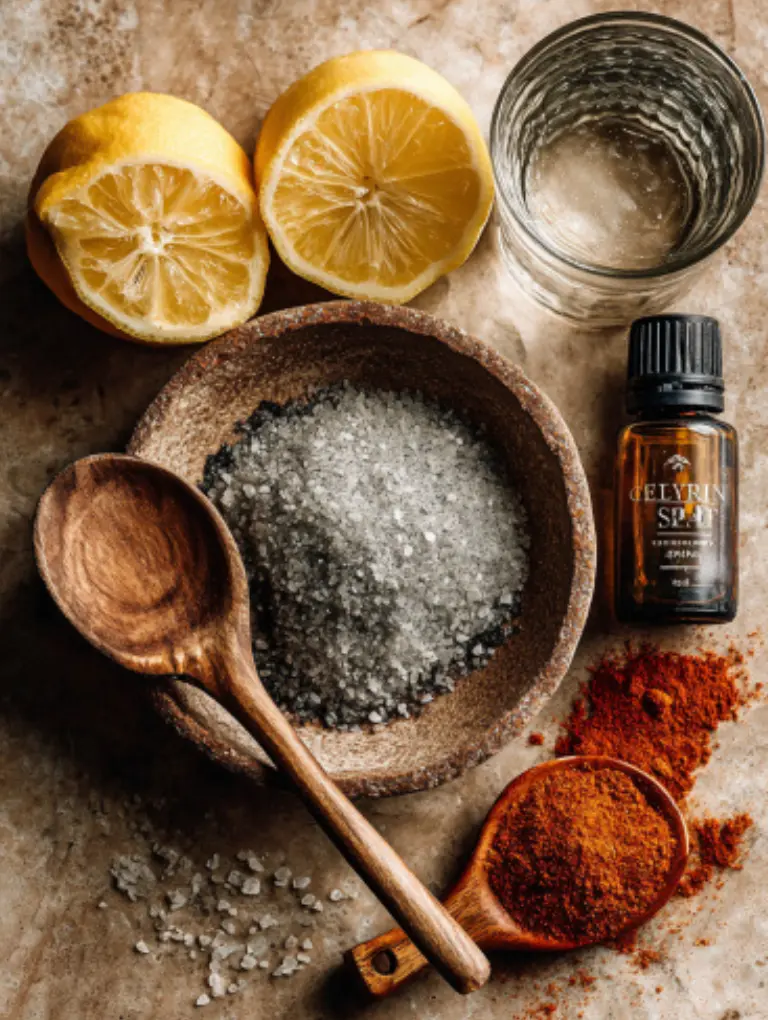
- ½ cup warm filtered water
- ⅛ teaspoon Celtic sea salt
- 1 tablespoon fresh lemon juice or ½ teaspoon apple cider vinegar
- Optional: a pinch of cayenne
Step-by-step method
- Warm the water until it feels comfortable to touch.
- Stir in the salt until it dissolves.
- Add lemon juice or apple cider vinegar and stir again.
- Add cayenne if you like a little heat.
- Sip slowly.
When to drink it and how often
Drink it on an empty stomach in the morning or at least two hours after a meal. Start with once per day, then pause and see how you feel. Do not stack this with other salty foods or drinks the same morning.
A quick note on sodium. This small mix can add a few hundred milligrams, depending on your salt. Track the rest of your day so you stay within a safe daily total.
Flavor tweaks people use
- Swap lemon for lime.
- Add a teaspoon of honey for a softer taste.
- Top off with extra plain water if the mix tastes too strong.
Smarter Alternatives
If the “Celtic blue salt trick” feels too salty or risky, there are safer ways to stay hydrated and support circulation.
Basic electrolyte drink at home
You can make a simple mix without loading on sodium. Try this instead:
- 2 cups water
- 1 tablespoon lemon juice
- 1 teaspoon honey
- A tiny pinch of sea salt or a splash of coconut water
This version adds flavor and trace minerals with far less sodium. It works well before or after workouts when you lose electrolytes through sweat.
Store-bought low-sugar electrolyte options
Check labels for drinks that list under 300 mg of sodium per serving and under 8 grams of sugar. Brands that base their mix on potassium or magnesium instead of heavy salt can help you replenish minerals without pushing blood pressure up.
Habits that help hydration and circulation
- Keep a reusable bottle close and sip throughout the day.
- Eat fruits and vegetables high in water, like cucumber, watermelon, or oranges.
- Limit alcohol and caffeine if you feel dry often.
- Move regularly; circulation thrives on activity more than sodium.
Good hydration habits work better long-term than any viral salt trend. They protect your kidneys and heart instead of stressing them.
You can make a simple mix without loading on sodium, or try an agua fresca recipe for a light, hydrating option.
FAQs
What is the Celtic blue salt trick supposed to do?
It’s a social media trend claiming that adding a pinch of salt to water boosts hydration, energy, and even blood flow. The drink mainly works as a quick hydration reminder, not a proven health booster.
Is the blue salt trick the same as drinking Celtic sea salt in water?
Pretty much. Most versions use Celtic sea salt mixed with warm water and lemon. The “blue” part often comes from confusion with Persian blue salt, which looks flashier online but isn’t what most people use.
Does the blue salt trick help with ED or blood flow?
No studies support that claim. High sodium intake can actually raise blood pressure and restrict circulation. Any improvement people feel likely comes from hydration and morning routine consistency, not from salt chemistry.
How much Celtic sea salt should I add to water safely?
Stick to ⅛ teaspoon or less in half a cup of water once a day. That keeps sodium low while still giving you the taste and ritual effect.
Who should avoid the blue salt trick?
Anyone with high blood pressure, heart disease, or kidney problems should skip it. The extra sodium can create more risk than benefit.
When is the best time to drink a salt water mix?
If you try it, mornings work best before breakfast. Always chase it with plain water during the day to balance fluid intake.
What can I use instead if I want a low-sodium electrolyte drink?
Mix lemon, honey, and a splash of coconut water for minerals and taste. It hydrates well and skips the heavy sodium load.